
Is Revving Your Engine Bad?
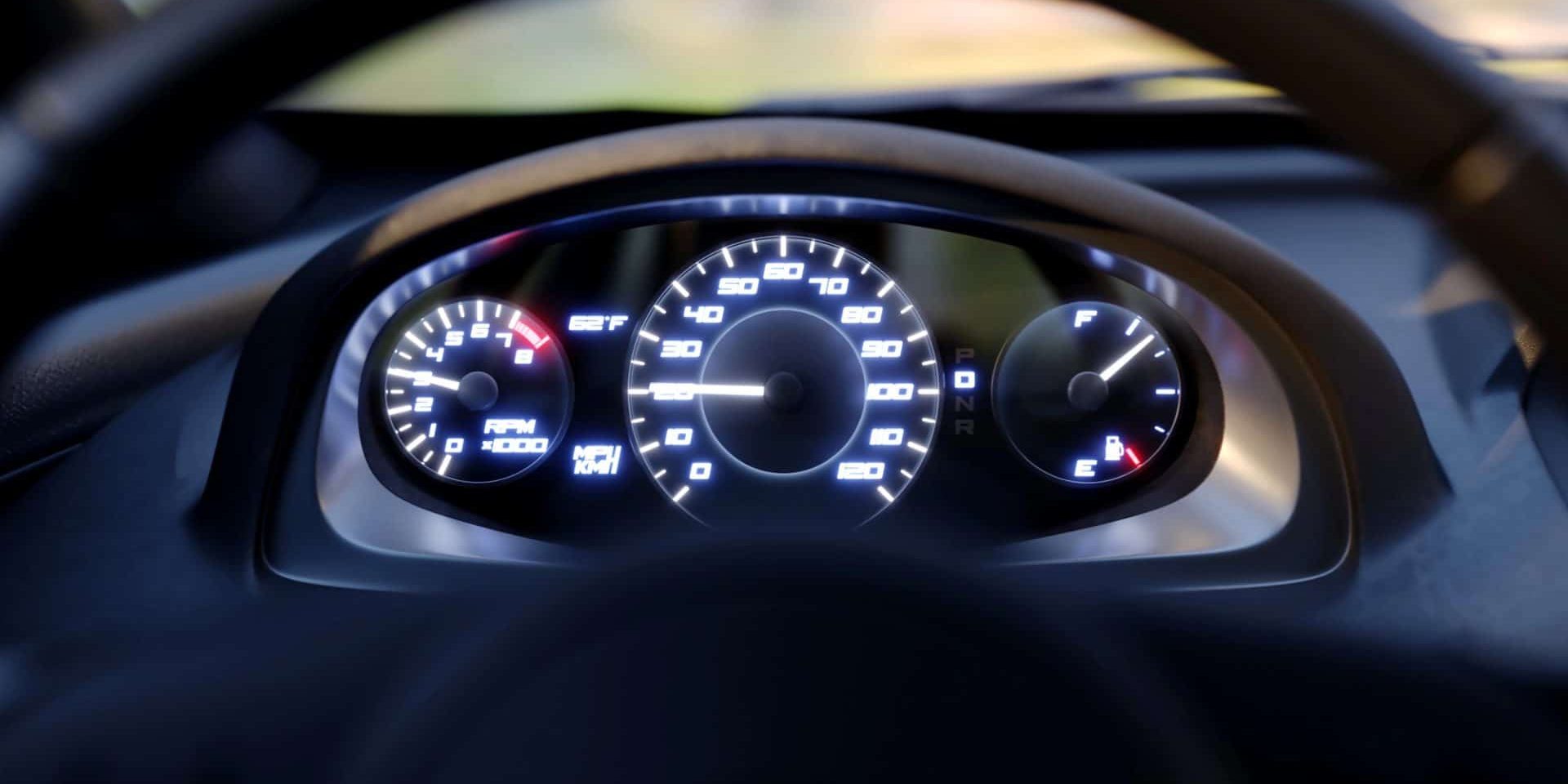
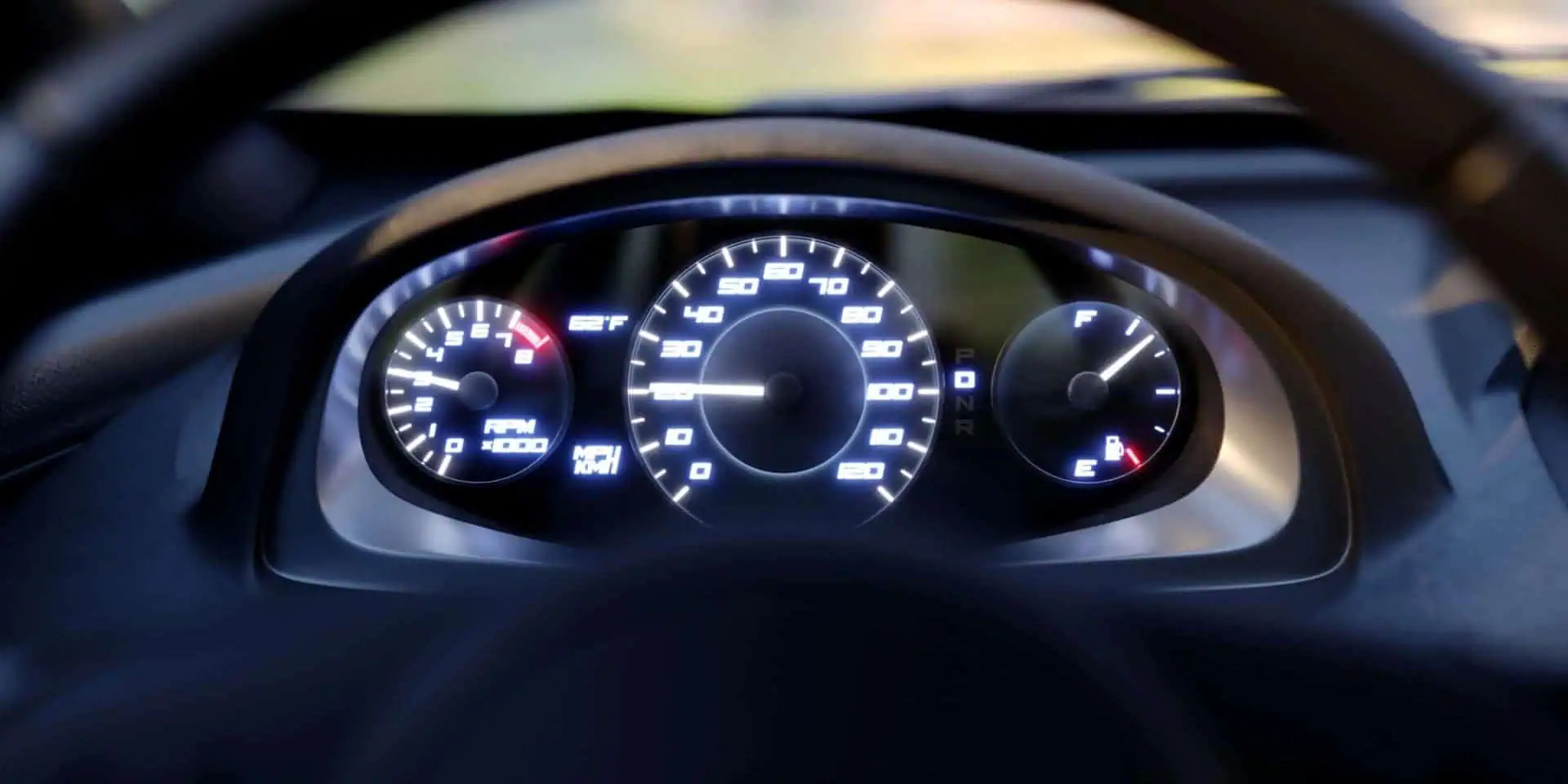
Revving a warm engine under load and within the manufacturer’s redline is not bad for the engine. Revving a cold engine, revving in neutral without load, or accidentally forcing the engine past its redline through a missed gear shift can cause serious and sometimes irreversible damage. The distinction comes down to temperature, lubrication, and whether the engine’s internal components have the mechanical “cushion” of combustion pressure to absorb the forces involved.
Ninety percent of all engine wear occurs during cold starts, according to data from the Society of Automotive Engineers, and the way a driver uses the tachometer in those first few minutes matters far more than the occasional blast to redline on a warm motorway on-ramp…
What the Redline Actually Represents
The redline on the tachometer is not an arbitrary number. It is an engineering boundary set by the manufacturer based on the physical limits of the engine’s internal components. Every engine cycle involves four stages: induction, compression, combustion, and exhaust. As RPM increases, the time window for air to enter the cylinder and exhaust gases to leave shrinks. At a certain point, the engine reaches a breathing limit where it can no longer move enough air to sustain combustion efficiently.
The harder limit is mechanical. At the top and bottom of each stroke, the piston must stop and reverse direction. This creates enormous G-forces on the piston, the connecting rod, and the wrist pin that joins them. As RPM climbs, the force required to stop and reverse the piston approaches the tensile strength of the connecting rod material. The redline is typically set just below the calculated onset of valve float, the condition where the valve springs can no longer close the valves fast enough to follow the camshaft profile. Once a valve floats, the piston can strike the open valve, and the result is bent valves, damaged pistons, and a repair bill that often exceeds the value of the engine.
Why Different Engines Have Different Redlines
Redlines vary widely based on engine design, displacement, and fuel type. Diesel engines typically redline between 3,400 and 4,500 RPM due to the slower combustion process and the heavier reciprocating components required to handle higher compression ratios. Standard petrol engines redline between 6,000 and 7,000 RPM. High-performance engines with lightweight internals spin much higher. The Gordon Murray Automotive T.50, which uses a Cosworth V12 with titanium connecting rods and valves, redlines at 12,100 RPM, the highest of any current production road car. Formula 1 engines have historically touched 20,000 RPM, and the Honda CBR250RR motorcycle reaches 19,000 RPM. In every case, the redline reflects the point where reciprocating mass, airflow limits, and material strength converge.
Older engines with pushrod valvetrains (OHV designs) often had redlines near 4,800 RPM. The mass of the lifters, pushrods, and rocker arms created so much inertia that valve float occurred at relatively low speeds. Modern overhead-cam designs eliminated much of that reciprocating mass, which is why a contemporary four-cylinder engine can safely spin to 7,000 RPM while a 1970s V8 with pushrods could not.
Why Revving a Cold Engine Causes Real Damage
The single most damaging thing a driver can do with the throttle is rev a cold engine hard. Cold engine oil has not reached its operating viscosity and cannot flow through the oil galleries fast enough to protect every bearing surface, cam lobe, and cylinder wall. The clearances between moving parts are tighter when the metal is cold. Piston rings, which are designed to seal against the cylinder wall at operating temperature, have not yet expanded to their working diameter.
When a cold engine is revved aggressively, the oil filter’s bypass valve can be forced open by the high viscosity creating excessive pressure differential. At temperatures around 1°C (34°F), a 5W-30 oil generates enough resistance to exceed the bypass valve’s cracking pressure of 10 to 12 psi, allowing unfiltered oil to circulate through the engine. Worse, the sudden pressure surge can flex the filter media, releasing a burst of previously captured contaminants back into the oil stream. The practical advice from engineers and mechanics is consistent: wait 20 to 30 seconds after starting for oil to circulate, drive gently until the temperature gauge moves off the bottom mark, and avoid high RPM until the engine reaches normal operating temperature. The condition of the oil matters as much as the warm-up procedure, and rapid discoloration after a change is one of the indicators covered in why engine oil turns black so fast.
Revving in Neutral vs. Revving Under Load
There is an important mechanical difference between revving an engine in neutral (or park) and revving it under load while driving. In a loaded engine, the large air and fuel charge being compressed and burned creates a high-pressure cushion at the top of each piston stroke. That cushion slows the piston before it reaches top dead center, reducing the impact force on the connecting rod bearings.
In neutral, the engine has no load. The throttle is open, but the small, unloaded charge provides very little cushioning effect. The connecting rod bearings absorb the full force of stopping the piston at the top and bottom of each stroke. The engine also accelerates to high RPM much faster in neutral than it does under load, which means the oil pump, the cooling system, and the oil drain-back from the cylinder head all lag behind the rate of RPM increase. In some engine architectures, including the well-documented case of the Rover V8, the cylinder block cannot drain oil back to the sump as fast as the pump removes it during sustained high-RPM neutral revving. The sump runs dry, the pump cavitates, and bearing failure follows within seconds.
Free-revving in neutral also increases the risk of oil aeration. When the oil foams, it loses its ability to maintain a consistent lubricating film between metal surfaces. The combination of reduced cushioning, accelerated RPM rise, and potential lubrication failure makes neutral revving significantly harder on an engine than the same RPM reached under normal driving load.
The “Money Shift” and Mechanical Over-Rev
An electronic rev limiter protects the engine by cutting fuel (the most common method) or cutting spark when the tachometer approaches the redline. The ECU monitors crankshaft speed and intervenes before the engine reaches a dangerous RPM. This system works well under normal driving conditions, but it is completely powerless against a mechanical over-rev.
A mechanical over-rev, known in motorsport and enthusiast circles as a “money shift,” occurs in a manual transmission when the driver accidentally downshifts into a gear that is too low for the current road speed. Intending to shift from third to fourth, the driver slots into second instead. The wheels are physically locked to the engine through the gearbox, and they force the crankshaft to spin at a speed dictated by the gear ratio and the road speed, not by the ECU. The rev limiter cannot intervene. The engine is driven past its redline by the momentum of the vehicle itself.
The consequences are immediate and severe. Connecting rods can stretch, bend, or snap. Valve float occurs within milliseconds, and if a piston strikes an open valve, the valve stem bends and the piston crown cracks. A thrown connecting rod acts as a hammer inside the crankcase, often punching a hole through the engine block. The term “money shift” refers to the cost: the engine is typically destroyed beyond economic repair. If you feel the car lurch and hear a sudden, high-pitched mechanical scream after a shift, push the clutch pedal in immediately. Disconnecting the wheels from the engine is the only way to limit the damage.
What Happens Inside the Engine at the Redline
Valve Float
Valve float is the condition where the valve spring cannot generate enough force to close the valve before the next combustion event begins. The valve hangs open, suspended between its seat and the piston. On interference engines, where the valve and piston occupy the same space at different points in the cycle, contact is inevitable. The piston strikes the valve head, bending the valve stem and cracking the piston crown. On non-interference engines, valve float causes a sudden loss of power and rough running but does not typically result in contact damage. The redline on most production engines is set just below the calculated onset of valve float to maintain the integrity of the cylinder head.
Thermal Expansion and Piston Ring Failure
Piston rings have less thermal mass than the cylinder liner they ride against. During rapid RPM increases, the rings heat up and expand faster than the surrounding bore. If a localized hotspot develops on the ring, the expanded section can pinch the cylinder wall, scuffing the bore surface. In extreme cases, the ring ends touch, the ring snaps, and metal fragments enter the combustion chamber. According to engineering analysis of high-RPM failure modes, thermal expansion events can progress from hotspot to piston failure in as little as 4 to 10 milliseconds.
Oil Starvation and Bearing Seizure
At sustained high RPM, the oil pump moves oil from the sump to the top of the engine faster than gravity can return it through the drain-back passages. If the sump level drops below the pickup tube, the pump ingests air, oil pressure collapses, and the crankshaft main bearings and connecting rod bearings lose their lubricating film. Bearing seizure follows within seconds. High RPM can also cause the oil to aerate, creating a frothy mixture that cannot maintain film strength. This is one of the reasons that high-performance engines use dry-sump oiling systems, which store the oil in a separate tank and use a scavenge pump to keep the sump clear.
The Italian Tune-Up: What the Science Actually Says
The “Italian Tune-up” is the long-standing belief that driving an engine hard clears carbon deposits and keeps the internals clean. The reality is more nuanced than the folklore suggests, and the answer depends entirely on the type of fuel injection the engine uses.
Carbon deposits form on intake valves, piston crowns, and combustion chamber surfaces in a temperature window between 195°C and 290°C. To break these deposits down through decarboxylation, the component surface temperature must exceed 325°C (617°F). Exhaust valves naturally operate above this threshold and are generally self-cleaning. Intake valves and piston crowns are the problem areas.
Port-Injected Engines
In a port-injected engine, fuel is sprayed onto the back of the intake valve before it enters the combustion chamber. The fuel acts as a solvent, and the detergent additives in quality fuel help wash deposit precursors off the valve surface. Sustained high-load driving raises piston face temperatures into the decarboxylation range, and the fuel spray cleans the intake side. For port-injected engines, the Italian Tune-up has a basis in chemistry, but only if the load is sustained. A quick pull to redline in second gear does not maintain the required temperature long enough to break down established deposits.
Direct-Injected Engines
In a direct-injected (GDI) engine, fuel is sprayed directly into the combustion chamber. It never touches the intake valve. The intake side of the valve receives no fuel washing, and carbon deposits accumulate on a surface that high-RPM driving cannot clean. Worse, high-load operation in a GDI engine increases “blow-by,” the combustion gases and oil vapor that escape past the piston rings and recirculate through the PCV (Positive Crankcase Ventilation) system back into the intake. That blow-by coats the intake valves with oil mist that bakes into carbon at exactly the temperatures the intake tract reaches during hard driving. For direct-injected engines, aggressive driving can actually accelerate intake valve carbon buildup rather than reduce it. The industry-accepted solution for GDI carbon is walnut shell blasting, a mechanical cleaning process, not a driving technique.
Revving in Neutral Does Not Clean Anything
Without combustion load, a neutral-revving engine cannot generate or sustain the 325°C-plus component temperatures needed for decarboxylation. The engine produces less heat in neutral than under the stress of actual acceleration. Revving in a driveway or car park does nothing for carbon deposits and, as covered above, imposes mechanical stress on the engine with no compensating benefit.
Does Revving the Engine Help Jump Start a Car?
Revving the engine of the donor car (the car providing the jump) can help a jump start in a limited way. At idle, the alternator produces a relatively low charging current. Raising the RPM to around 2,000 to 2,500 increases the alternator’s output, which provides more current to the dead battery through the jumper cables. This can make the difference on a deeply discharged battery that will not turn the starter at idle charging rates.
Revving is not a substitute for properly sized jumper cables and a solid connection. It is also not helpful to rev the engine of the car with the dead battery. That car’s alternator is not producing power until the engine starts. Holding the donor car at a moderate 2,000 RPM for a minute or two before attempting the start is a reasonable and widely recommended practice. Sustained high-RPM revving beyond that is unnecessary and risks the aeration and lubrication issues described earlier.
The Role of Oil Filtration at High RPM
When an engine operates at high RPM, the oil circulates faster, temperatures are higher, and the margin for contamination-related damage shrinks. Data published by the AC Delco Division of General Motors quantified the relationship between filter efficiency and engine wear. Standard 40-micron filters, common on economy-grade replacements, allow particles through that are large enough to bridge the 5-to-10-micron clearance between piston rings and cylinder bores. That bridging effect nullifies the protective oil film and initiates a scratching action that accelerates surface fatigue, pitting, and spalling.
The GM data showed that stepping down to 30-micron filtration reduced engine wear by 50 percent. Stepping down further to 15-micron filtration reduced wear by 70 percent. Sub-10-micron particles generated nearly four times the wear of particles larger than 20 microns. The takeaway for drivers who regularly use the upper half of the tachometer is straightforward: the quality of the oil filter matters as much as the quality of the oil itself. Choosing a filter rated to the SAE J1858 multi-pass standard with a Beta ratio of 75 or higher (98.7 percent capture efficiency) offers measurably better protection than a filter selected on price alone. The type of oil running through that filter also makes a difference, and the decision between conventional and synthetic is covered in whether synthetic oil is worth the extra cost.
Engine Break-In and the Case for Using the Full Tachometer
New engines need varied RPM during their break-in period. The piston rings seat against the cylinder walls through a controlled wearing-in process that requires different loads and speeds. Running a new engine at a single, gentle RPM creates “peaks and valleys” in the cylinder wall surface that prevent the rings from sealing properly. Manufacturers specify break-in procedures that include moderate acceleration, varied RPM, and short periods at higher load to promote even ring seating and bore finish.
Once broken in, engines benefit from occasional use of the full RPM range. An engine that spends its entire life lugging along at 2,000 RPM in the highest gear accumulates deposits and never exercises the valve springs, the top of the bore, or the upper RPM oil delivery pathways. Using the whole tachometer on a warm engine, within the redline, and under normal driving load is part of healthy engine operation, not abuse. The key is temperature and lubrication. A warm engine with clean oil and a quality filter can handle its full designed RPM range. A cold engine with degraded oil cannot. Keeping track of fluid condition through a regular check is one of the simplest habits a driver can adopt, and the process is covered step by step in checking your car fluids monthly.
Engine Revving Frequently Asked Questions
Is it bad to redline your engine occasionally?
No, as long as the engine is at normal operating temperature, the oil level is correct, and the RPM stays within the manufacturer’s marked redline. The redline exists as a safe upper boundary, not a danger zone. Modern rev limiters cut fuel before the engine reaches a speed that would cause mechanical damage. Occasional use of the full RPM range on a warm engine is part of normal operation and helps maintain ring seal and valve spring responsiveness.
Does revving in neutral damage the engine?
Repeated or sustained revving in neutral is harder on the engine than the same RPM reached under driving load. Without combustion pressure cushioning the piston at the top of the stroke, the connecting rod bearings absorb more impact force. The engine also reaches high RPM faster in neutral, outpacing the oil system’s ability to maintain full coverage. Short, occasional blips in neutral are unlikely to cause immediate harm, but it is not a habit that benefits the engine in any way.
Does revving the engine warm it up faster?
Yes, but it is the wrong approach. A higher RPM generates more combustion heat and brings the coolant and oil up to temperature faster than idle. The problem is that the engine’s moving parts need lubrication most during the cold phase, and revving before the oil has reached its operating viscosity and temperature accelerates wear on every bearing, cam lobe, and cylinder wall. The recommended method is to start the engine, wait 20 to 30 seconds for oil pressure to stabilize, then drive gently at moderate RPM until the temperature gauge reaches normal. Gentle driving under light load warms the engine faster than idling and slower than aggressive revving, striking the best balance between warm-up speed and component protection.
What does over-revving sound like?
A mechanical over-rev, such as a missed downshift, produces a sudden, high-pitched scream or roar that is distinctly different from the normal sound of the engine approaching redline under power. The RPM needle will spike past the redline instantly, and the car will lurch as the drivetrain absorbs the shock. If this happens, push the clutch in immediately. The faster the engine is disconnected from the wheels, the better the chance of avoiding catastrophic internal damage.
Does revving the engine help when jump starting another car?
Holding the donor car at around 2,000 to 2,500 RPM increases alternator output and delivers more charging current through the jumper cables. This can help when the dead battery is deeply discharged. Revving the dead car’s engine before it starts serves no purpose. Once the dead car starts, let it idle for several minutes or drive it gently to allow its own alternator to begin recharging the battery. Knowing when that battery is reaching the end of its useful life is covered in how long a car battery should last.
Sources

Leave a Comment
More in News

McMurtry Speirling PURE Track Car Debuts in the US With 1,000bhp for $1.3 Million

Honda Passport TrailSport Gains More Ground Clearance and Off-Road Tech for 2027

How to Claim Up to $4,500 From the New Kia and Hyundai Theft Settlement

Why a Connecticut Nissan Dealer Just Had to Pay Customers Back $4 Million

Newark, Delaware’s Only Speed Camera Could Be Waiting on Any of 15 Different Streets
Trending on Motoring Chronicle

CUPRA Raval Earns Five-Star Euro NCAP Rating Under Stricter 2026 Testing

How Nearly Half of UK Councils Will Offer EV Charging Outside Your Home by End of 2026

The Bugatti Destrier makes its public debut at Monterey Car Week

Is Warming Up Your Car Still Necessary?
