Why 1,500 Drivers in Leicester Got a £70 Parking Fine They Never Saw Coming
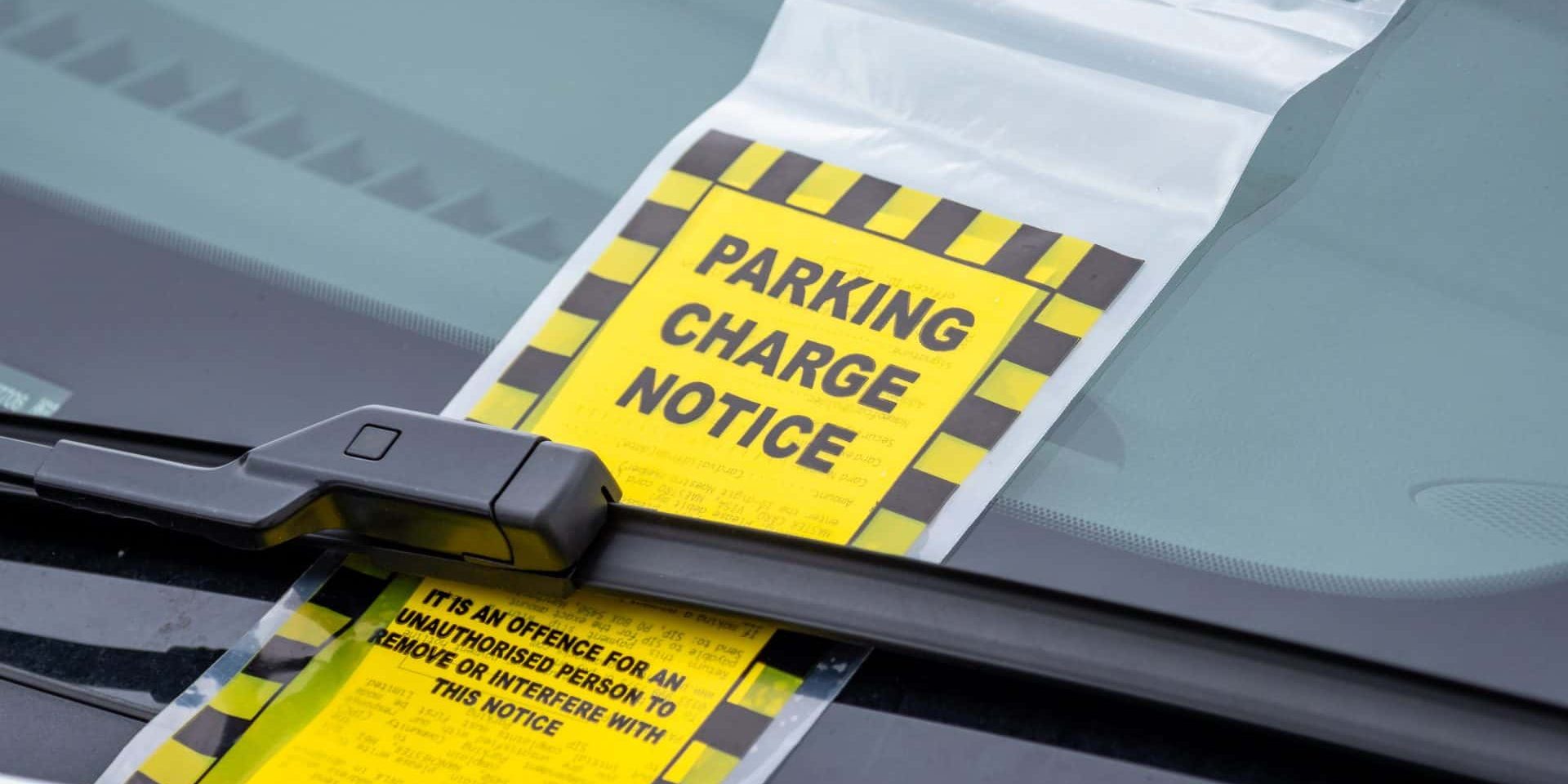
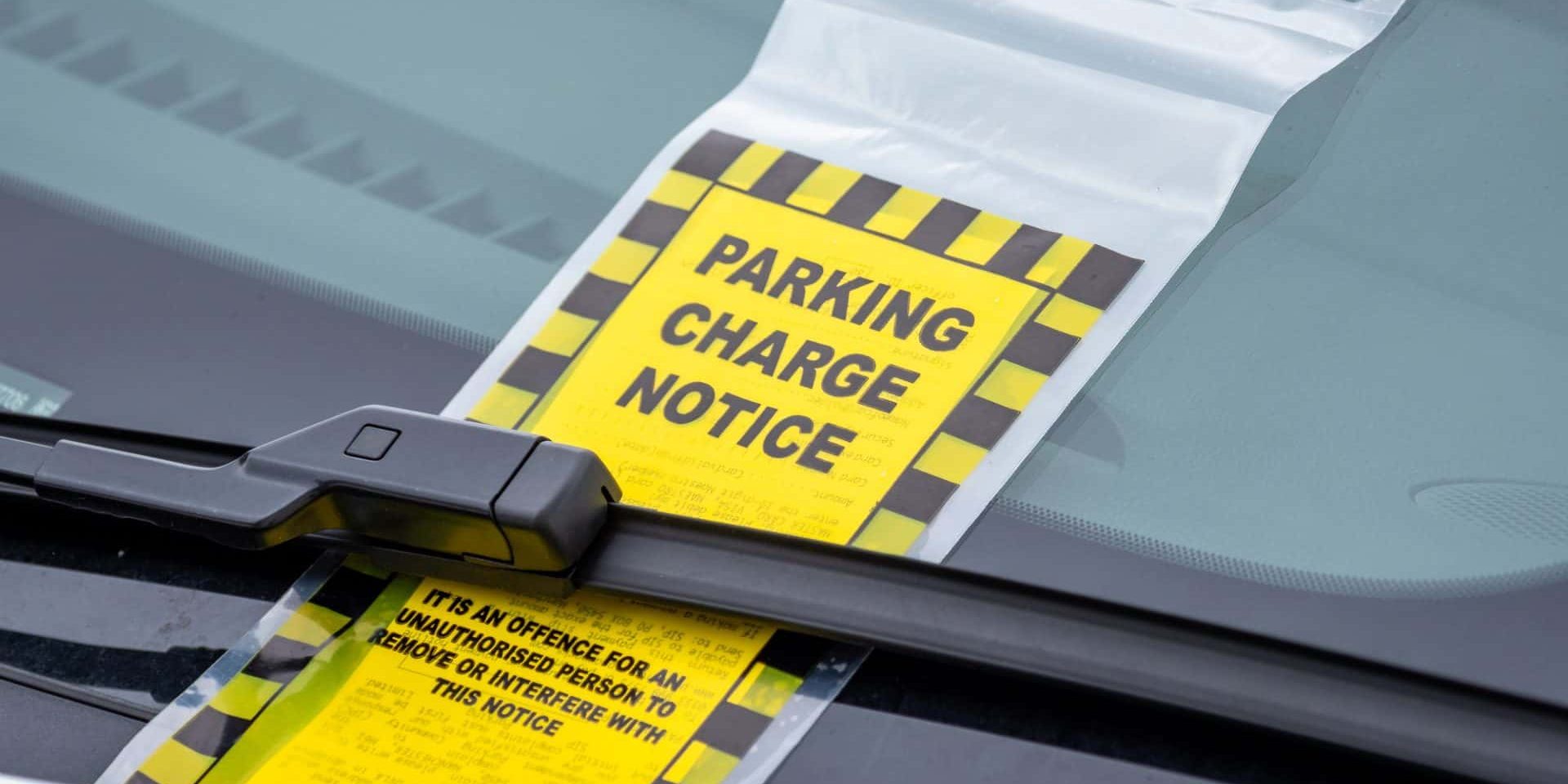
More than 1,500 drivers in Leicester have received £70 penalty charge notices after the city council began patrolling with a new CCTV enforcement car fitted with automatic number plate recognition technology. The car started operating on 1 April 2026 and issued 1,509 fines in its first four weeks, catching motorists on red routes, outside school gates, and at bus stop clearways that had seen little enforcement for years. If you drive in Leicester, here is what the system targets, how the fines work, and what the arrival of roving camera cars means for drivers across England.
What the CCTV Enforcement Car Actually Does
The enforcement car carries an automatic number plate recognition (ANPR) camera that photographs the plates of vehicles it passes. When the system identifies a vehicle stopped in a restricted area, an image is captured with a timestamp and location. That evidence is then reviewed by a human officer before a penalty charge notice is posted. Each case is checked before a fine goes out.
The car operates on a roving patrol with no fixed route. It can cover a wide area in a single shift, returning to persistent problem locations at unpredictable intervals. Drivers who relied on the absence of a warden to decide whether to stop illegally get no such luxury with this system. The camera sees every stretch of red route or school zigzag it passes, at any time during its patrol hours.
In the first 28 days, 1,475 fines were issued for red route violations on London Road, Gravel Street and Abbey Lane. A further 34 penalty charge notices were issued for parking near school gates outside eight city schools.
Cllr Geoff Whittle, assistant city mayor for environment and transport, said the car was being deployed to “areas where we know there are persistent issues with illegal parking but no current fixed camera enforcement.” He described illegal and dangerous parking as something that “will not go unpunished.”
The purchase and maintenance of the car will be funded from fine income, with any surplus ringfenced for local road safety improvements. That self-financing model gives councils a strong mechanism to sustain enforcement without drawing on general council budgets.
How the Fine Works and How to Appeal
The standard penalty is £70. Pay within 14 days and you receive a 50% early payment discount, bringing the amount to £35. If you ignore the notice, the charge rises to £105 after 28 days. After a further period, the council can register the debt with the Traffic Enforcement Centre and instruct enforcement agents to collect it.
If you believe a notice was wrongly issued, make an informal representation to Leicester City Council within 14 days of the notice date. Common grounds for appeal include signage that is unclear or missing, a genuine loading or unloading operation, or a documented medical emergency. If the informal representation is rejected and the council issues a Notice to Owner, you can escalate to the independent Traffic Penalty Tribunal.
One factor that helps drivers with camera-based enforcement is the evidence requirement. The council must produce imagery showing the vehicle, the restriction markings, and the precise time of the contravention. Where footage is unclear or markings in the images are ambiguous, that is a reasonable basis for challenge. The tribunal upholds a notable proportion of appeals where signage was inadequate or procedure was not properly followed.
Red Routes, School Zigzags, and Bus Clearways Explained
Red routes are marked with double or single red lines at the kerb. On a double red route, no vehicle may stop at any time for any reason beyond a narrow list of specific exemptions. On a single red route, the restriction applies during the hours shown on nearby signs. Unlike yellow line restrictions, which may permit loading during certain hours, red route rules are generally absolute.
The only permitted exceptions on most red routes are licensed taxis setting down or picking up passengers, vehicles displaying a valid blue badge at marked bays, emergency vehicles, and utility works vehicles with advance authorisation. A quick pull-over to drop someone off does not qualify as an exemption in most circumstances, which surprises drivers who assume a momentary stop is tolerated.
Zigzag markings outside schools are among the strictest restrictions in English road law. No vehicle may stop in a zigzag zone during restricted hours, and there are no exemptions for loading, taxis, blue badges, or any other category. The rule exists because anything obstructing visibility near a school crossing is a direct danger to children. Enforcement in these zones has full public backing and councils consistently prioritise them.
Bus stop clearways prohibit any vehicle from stopping within the marked bay. The dashed white line and bus symbol on the road surface define the zone. Stopping in the clearway forces buses to pull up in the running lane, blocking traffic, delaying the service, and requiring passengers to board across the road surface rather than from the pavement.
Why Councils Across England Are Investing in Camera Cars
Leicester is part of a broader national shift. The legislative framework allowing councils outside London to use CCTV for civil parking enforcement has been progressively extended under the Traffic Management Act 2004. By 2025 and 2026, many authorities had gained approval or were in the process of applying.
Manchester City Council began ANPR enforcement of banned turns and yellow box junctions on 19 January 2026. Oxford is using ANPR cameras at six low traffic neighbourhood closure points. Lancashire County Council activated cameras at four locations in Preston, Lancaster and Accrington earlier this year. Blackpool has announced similar plans. Gloucestershire is consulting on camera enforcement at 16 locations across the county.
A roving camera car covers many times the area of a warden on foot in a single shift. The evidence it produces is automatically time-stamped and geolocated. The cost per enforcement action is lower, the deterrent effect is wider, and the system pays for itself. For councils under financial pressure, that combination makes camera enforcement an attractive proposition.
Critics argue the model creates a financial incentive to maximise fines rather than improve compliance. The safeguard is the independent appeal process: councils that want to defend their notices need properly marked and maintained restrictions. Poorly signed zones that result in quashed appeals cost councils money and reputation.
What to Do If You Drive in a Camera-Patrolled Area
Start by understanding the restrictions on routes you use regularly. Red route maps are available through most council websites, and the restrictions are physically marked with coloured lines and signs. If you are uncertain whether a stop is permitted at a particular location, that uncertainty is reason enough to keep moving.
For school streets, note the hours of operation. Restrictions typically cover morning drop-off and afternoon pick-up periods, commonly 8am to 9am and 3pm to 4pm, though times vary. Outside those hours, the restrictions may not apply, but check the signs.
At bus stops, the clearway bay is marked with a dashed white line and a bus symbol on the road surface. Pull ahead of or beyond the marking if you need to drop someone nearby, not within the protected zone.
If you receive a notice you believe is wrong, act within 14 days. That window is also when the reduced payment applies, so you need to decide quickly whether to pay or appeal. The Traffic Penalty Tribunal at trafficpenaltytribunal.gov.uk publishes guidance on the process and past decisions that can help you assess your case.
As roving camera enforcement expands across England, knowing the rules in every city you drive through regularly is not optional background knowledge. It is the practical difference between an uneventful journey and an unexpected fine arriving in the post.
Sources:
- Leicester City Council: Hundreds fined for illegal parking by new CCTV car
- Traffic Penalty Tribunal
- Traffic Management Act 2004

Leave a Comment
More in News

How to Remove Moisture From Inside Your Headlight Before It Costs You £500
What Red and Amber Warning Lights Actually Mean (and Which Fail an MOT)

How to De-Ice Your Windscreen Fast Without Cracking It (and Staying Legal)

New Cars Face Euro 7 Rules From 29 November With a £264 Price Rise
What the Traffic Penalty Tribunal’s 33 Percent Success Rate Means for Every Driver
Trending on Motoring Chronicle

The Lamborghini Urus SE – the best of both worlds [Photo Gallery]

Ferrari Unveils 849 Testarossa Spider

Why 4 Million British Cars Have Passed 100,000 Miles and What It Means If You Are Buying One

HMRC Tax Change Costs Pickup Truck Drivers Up To £2,000 More a Year