
Leaving Your Dog in a Hot Car Could Bring an Unlimited Fine This Summer


It is one of the most common summer mistakes a driver can make, and one of the most dangerous. Nipping into a shop and leaving the dog in the car for a few minutes feels harmless, yet on a warm day it can kill a pet within the hour and leave the owner facing a criminal charge, an unlimited fine and even a prison sentence. With hotter spells now arriving earlier in the year, every driver who travels with a dog needs to understand exactly where the law stands, how fast a parked car turns deadly, and what to do if you come across an animal in distress.
The law on leaving a dog in a hot car
Strictly speaking, it is not in itself illegal to leave a dog alone in a parked car in the UK. What is illegal is allowing an animal to suffer. Under the Animal Welfare Act 2006, owners have a legal duty of care, and if a dog suffers or dies because it was left in a hot vehicle, the owner can be prosecuted for causing unnecessary suffering. The penalties are severe. Following an increase in sentencing powers, the most serious animal cruelty offences in England and Wales can now bring up to five years in prison and an unlimited fine.
That means a decision that takes a second, leaving the dog while you run an errand, can have life changing consequences if it goes wrong. It does not require malice or intent. Simply misjudging how hot the car will become is enough to meet the threshold for an offence if the animal comes to harm. Cracking a window or parking in what looks like shade offers very little protection, as the temperature inside still climbs rapidly and the shade moves as the sun does.
How quickly a parked car becomes deadly
The reason this is so dangerous is the speed at which a closed car heats up. The RSPCA warns that when it is 22°C outside, the temperature inside a car can reach 47°C within an hour. A day that feels merely pleasant to a person standing outside becomes an oven for an animal trapped inside. Dogs cannot cool themselves the way humans do, relying mainly on panting, and once the air around them is hotter than their body they have no way to bring their temperature down.
In those conditions a dog can develop heatstroke, severe dehydration and organ failure, and can die in a matter of minutes once distress sets in. The danger is not limited to high summer. Even on a mild day of 18 to 20°C, a parked car in direct sun can climb to a level that puts an animal at risk, which is why animal charities urge owners never to leave a dog in a vehicle in warm weather, even briefly and even with the windows open a little. The simplest rule is the safest: if it is warm enough that you would not want to sit in the car with the engine off, it is too warm to leave a dog there.
The restraint rule that catches drivers year round
Heat is the seasonal danger, but there is a second rule about dogs in cars that applies every day of the year and trips up a surprising number of owners. Rule 57 of the Highway Code states that when in a vehicle, dogs or other animals must be suitably restrained so they cannot distract the driver or injure themselves or others if the car stops suddenly. It lists a seat belt harness, a pet carrier, a dog cage and a dog guard as acceptable ways of doing this.
A loose dog on the back seat or, worse, on the driver’s lap is a breach of that rule. If an officer judges that an unrestrained animal is distracting you, the on the spot penalty is £100 and three penalty points for driving without due care and attention. Taken to court, the maximum rises to a £5,000 fine, up to nine penalty points and the possibility of a ban or compulsory retest. There is a further sting that many owners overlook: if you are involved in an accident and your dog was not properly restrained, most insurers will treat that as a sign you were not in full control of the car, which can be enough to invalidate your policy entirely and leave you paying for the damage yourself.
What to do if you see a dog in a hot car
If you come across a dog showing signs of distress in a hot car, the official advice is to call 999. In an emergency the police are the right first call, and they can also involve the RSPCA, whose own line is 0300 1234 999. Note the registration, the location and how long the dog has been there, and if you are at a supermarket or shopping centre ask staff to make an announcement for the owner.
It is tempting to break a window straight away, but be careful. Doing so without good reason could leave you liable for criminal damage. If the dog’s life is clearly in danger and the police cannot arrive in time, the law does allow action taken with lawful excuse, but you should tell the police what you intend to do, take photos and video of the animal’s condition, and get the names of any witnesses first. Signs that a dog is in serious trouble include heavy panting, excessive drooling, lethargy, an unsteady stance and collapse. If you can get the animal out, move it to a shaded, cool area, offer small amounts of water and dampen its coat with cool, not ice cold, water before getting it to a vet as quickly as possible.
How to travel safely with your dog
The way to avoid all of this is to plan journeys with the dog in mind rather than as an afterthought. Never leave a dog in a parked car in warm weather, full stop, even for the quick errand that feels harmless. On longer trips, build in stops at places where the dog can come with you or wait in the shade with water, and carry a travel bowl and a supply of fresh water in the car as standard.
Fit a proper restraint and use it every time. A crash tested harness clipped to a seat belt, a secured crate or a dog guard behind the rear seats keeps the animal safe and keeps you on the right side of Rule 57. Keep the car cool while driving, using air conditioning or open windows, and watch for early signs of overheating on hot days even when the car is moving. A little forward planning protects the dog, protects your licence and protects your insurance, and it removes any chance of the single summer lapse that can end with a court appearance. For more on keeping your car comfortable in the heat, see our guide to avoiding a costly air conditioning bill this summer.
Why caring owners still get caught out
The owners prosecuted each summer are rarely cruel or careless people. They are usually loving dog owners who badly misjudged the risk, told themselves they would only be two minutes, and came back to a tragedy. The danger of the parked car is that it heats up far faster than instinct suggests, and a dog can go from panting to collapse in the time it takes to queue at a till. Treating warm weather as an absolute no for leaving a dog in the car removes the judgement call entirely, and with it the small but real chance of a mistake that cannot be undone. If there is any doubt, the dog comes with you or the trip waits.
Sources:
- GB News: Motorists risk fines for driving with pets and breaking the Highway Code
- Petz.uk: UK dog car safety laws, Highway Code Rule 57 explained
- RAC: Dos and don’ts for taking your dog in a car
- Admiral: Pet safety in hot cars and travelling tips
- Motoring Chronicle: How to avoid a £200 car air conditioning bill this summer

Leave a Comment
More in News

How to Remove Moisture From Inside Your Headlight Before It Costs You £500
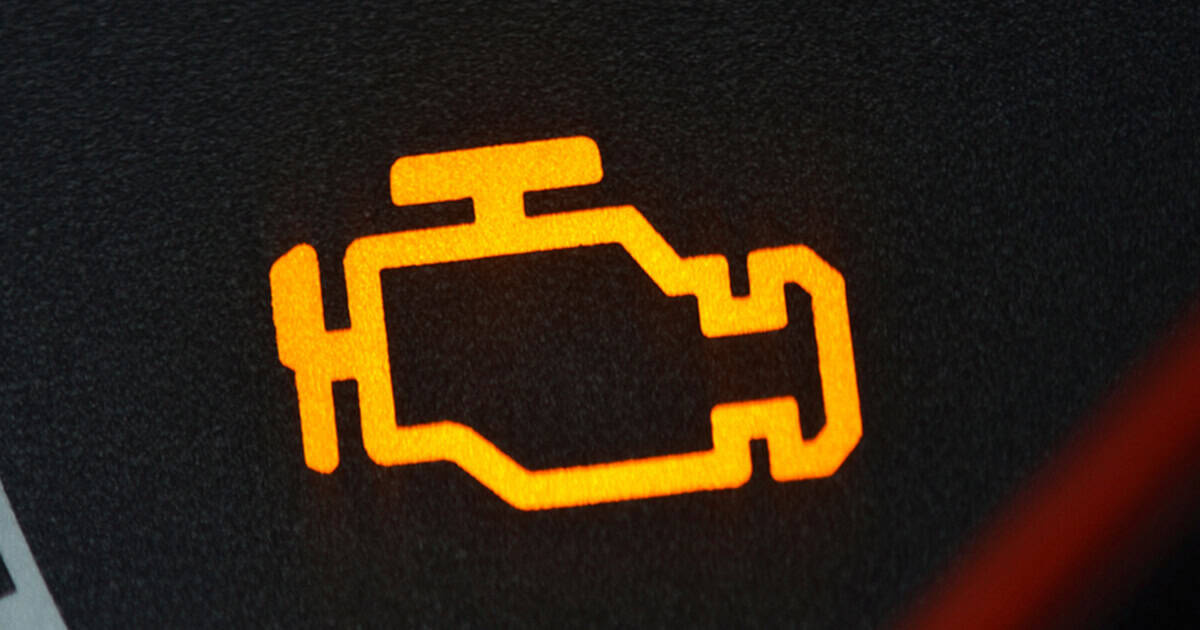
What Red and Amber Warning Lights Actually Mean (and Which Fail an MOT)

How to De-Ice Your Windscreen Fast Without Cracking It (and Staying Legal)

New Cars Face Euro 7 Rules From 29 November With a £264 Price Rise
What the Traffic Penalty Tribunal’s 33 Percent Success Rate Means for Every Driver
Trending on Motoring Chronicle

Flat Tyre Fix: No Spare? No Problem!
Jeep Recalls 11,980 Grand Wagoneers Over Software That Can Disable Stability Control

Audi Concept C lights up London
All-new 2026 Nissan LEAF wins 2026 MotorWeek Drivers’ Choice Award for Best EV
