Diesel Hits £100 a Tank Again as Prices Jump 17p in Less Than a Month
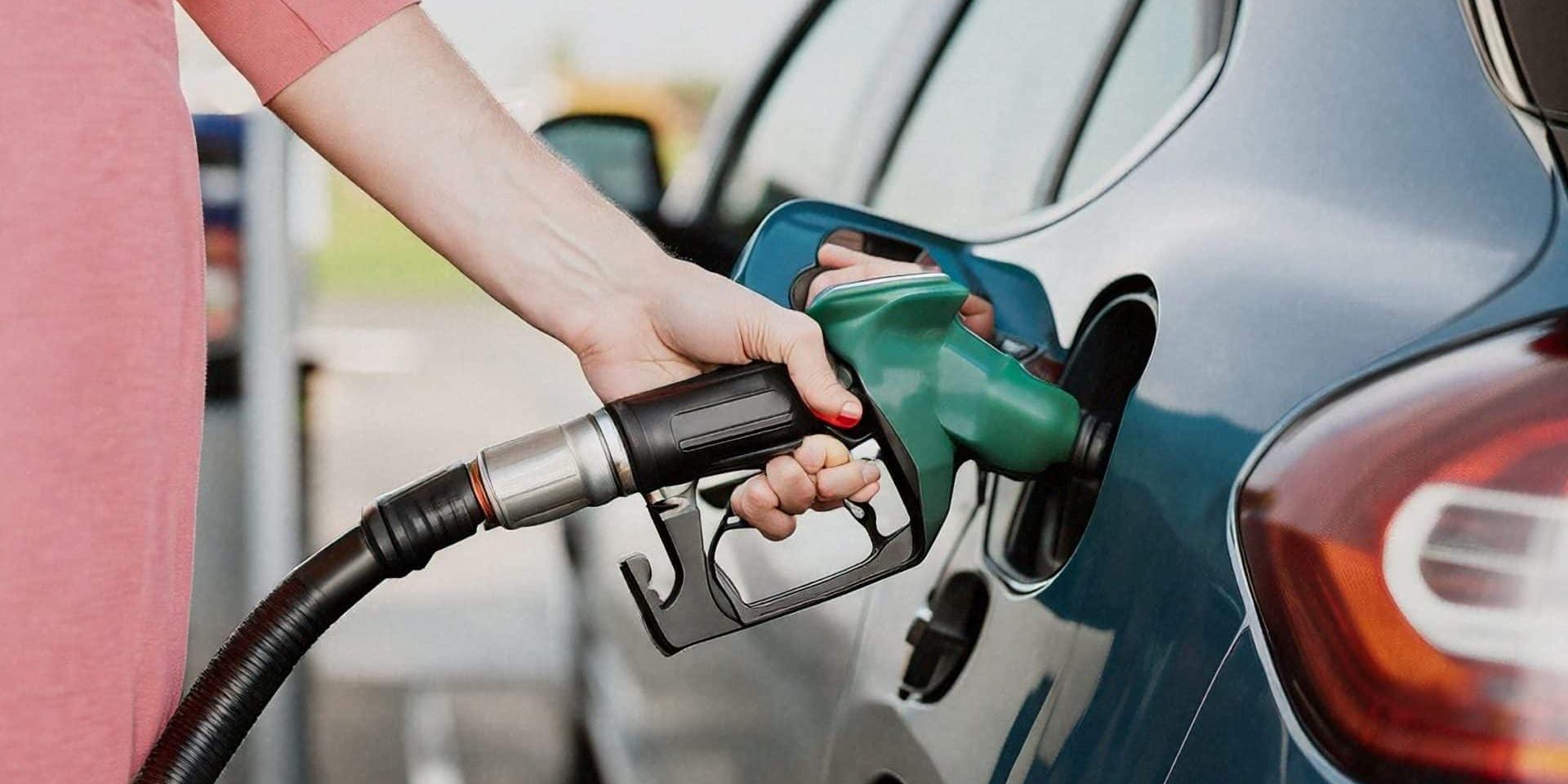
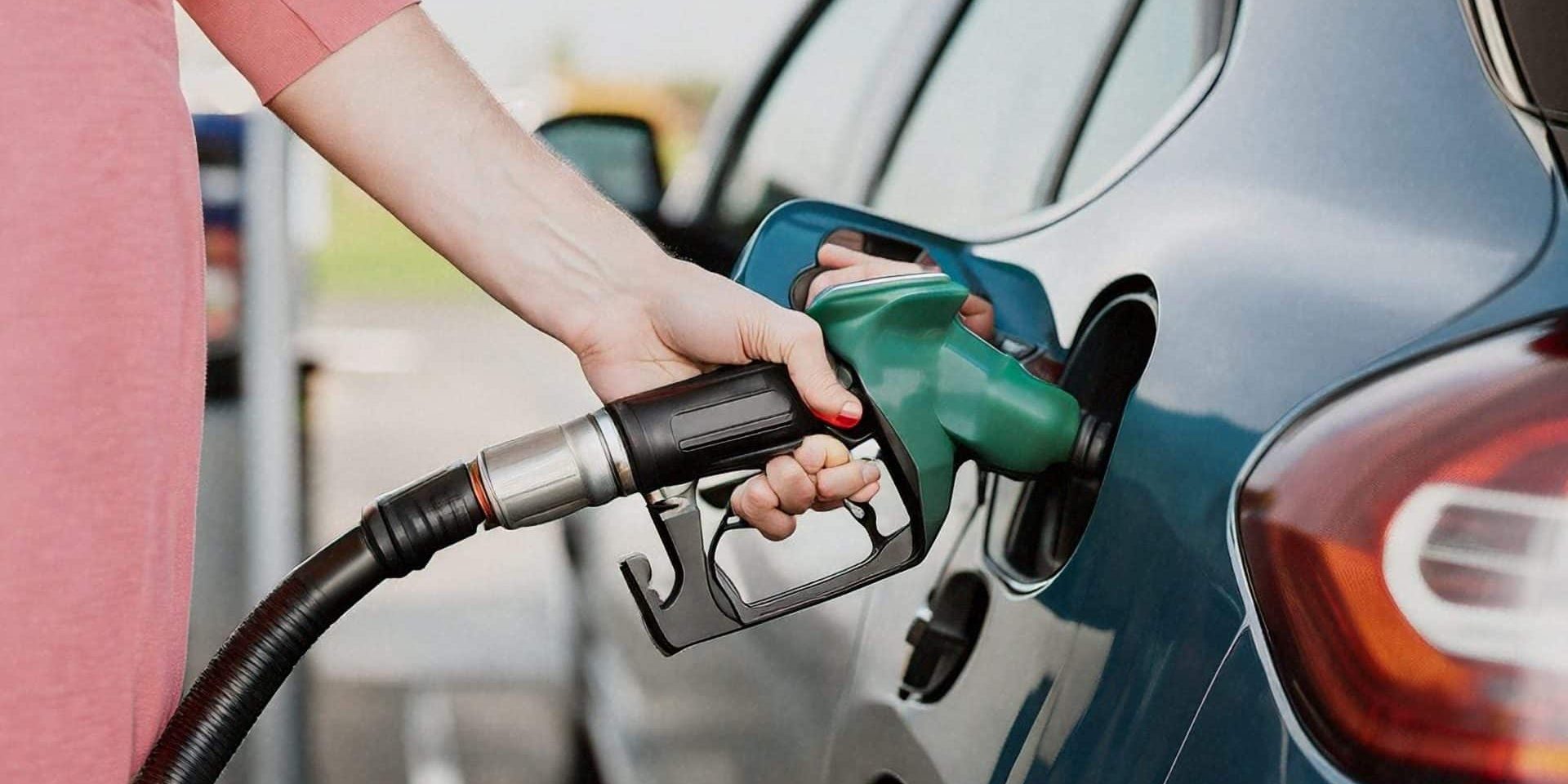
Diesel drivers filling up a standard 55-litre family car are paying £100 per tank again, the RAC has confirmed, after a 17p-a-litre surge in prices since early July. The milestone, which had briefly disappeared in June, has returned because renewed fighting around Iran’s coastline pushed wholesale oil prices sharply higher over the past four weeks. Petrol is also at its highest level since the Iran war began in February, averaging 161.5p per litre, but it is diesel drivers who are absorbing the most dramatic single-month increase in their running costs.
Simon Williams, head of policy at the RAC, described the diesel increase as “frightening.” From a conflict low of 164.5p per litre on 9 July, diesel reached 181.5p by 5 August — an increase of 16.93p, or 10 percent, in less than a month. The petrol equivalent rose 11p, from 150.7p to 161.5p, over the same period. Both figures represent the highest levels those fuels have reached since the UK conflict with Iran in the Strait of Hormuz began disrupting global oil markets in late February 2026.
Why Diesel Has Risen So Much More Than Petrol
The 20p gap between diesel (181.5p) and petrol (161.5p) is not simply inflation applied equally to both fuels. Diesel and petrol have different refining profiles, different demand patterns in the UK, and different exposure to the specific supply disruption that is driving the current price surge.
The Strait of Hormuz, the narrow waterway between Iran and Oman, carries roughly 20 percent of the world’s seaborne oil and a significant share of global liquefied natural gas. When supply through the strait tightens, whether through sanctions, military activity, or shipping insurers withdrawing cover for the route, the effect on refined diesel is typically larger than on petrol. This is partly because diesel is used more heavily by the industries most sensitive to freight costs and energy inputs, including shipping, logistics, agriculture and construction, and partly because the global diesel market is tighter structurally than the petrol market.
UK diesel also has a higher biofuel component than petrol under government mandate. The cost of biofuel feedstocks is not directly tied to crude oil prices, which means that when crude falls, diesel prices do not always fall as fast as petrol. When crude rises, however, the biofuel floor effect can amplify the impact on diesel at the pump.
Before the Iran conflict began on 28 February 2026, UK diesel averaged around 155p per litre. It is now 25p higher. The same war cost petrol drivers around 15p per litre. Diesel owners are absorbing 65 percent more of the war’s cost at the pump per litre than petrol drivers are.
Who Is Most Affected
Around 40 percent of the fuel sold at UK forecourts is diesel. The drivers filling diesel tanks range from delivery drivers and tradespeople, for whom fuel is a direct business cost, to owners of larger family estates, SUVs, MPVs and older vans who chose diesel for its economy at a time when the fuel was cheaper per litre than it is now.
For a driver covering 12,000 miles a year in a vehicle averaging 45 miles per gallon on diesel, the annual fuel bill at 181.5p per litre is approximately £2,170. Before the Iran war, at 155p per litre, the same annual mileage cost around £1,850. That is an extra £320 a year simply from the conflict’s effect on diesel prices, before accounting for the September fuel duty rise, which is now eight weeks away.
Van drivers and those running diesel vehicles for work are facing a compounding effect: higher fuel costs reduce the margin on every delivery or job, at a time when repair costs and insurance premiums have also risen. The Motor Insurers’ Bureau found in July 2026 that van insurance premiums are rising four times faster than car cover, meaning many of the UK’s diesel-dependent tradespeople are absorbing simultaneous cost increases across multiple categories.
What the September Fuel Duty Rise Will Add on Top
The current situation is made worse by what is coming on 1 September 2026. The government is beginning to phase out the 5p-a-litre fuel duty cut that has been in place since March 2022, as part of a gradual return of the duty rate to its pre-freeze level. The first stage of that phase-out, adding approximately 5p to 6p per litre at the pump, takes effect from September 1.
If diesel prices remain at around 181p per litre through August, the September duty change will push the cost of a 55-litre fill from £100 to approximately £103. That is still below the peak levels of April 2026, when diesel reached 192p per litre at its Iran war high, but it means the brief period of cheaper fuel that drivers experienced in June and early July is now fully reversed and then some.
The duty change affects both petrol and diesel equally in pence-per-litre terms, but because diesel already sits 20p above petrol, the psychological and financial impact falls more heavily on diesel drivers, most of whom will have bought their vehicle assuming a degree of fuel cost stability.
Where You Can Find Cheaper Diesel Right Now
RAC data and live fuel finder platforms consistently show supermarket forecourts offering diesel around 4p to 5p per litre below the branded station average. At current prices, that gap is worth approximately £2.50 to £2.75 per 55-litre fill, or between £80 and £100 per year for a driver filling up weekly.
Supermarket diesel averaged approximately 177p per litre on 5 August, against 182p at branded forecourts including motorway service areas. The gap at motorway services is considerably wider: motorway diesel has historically run 18p to 25p above supermarket prices, putting motorway diesel above 200p per litre in some locations during the peak of the spring crisis.
Use the UK Fuel Finder at find-fuel.co.uk to locate the cheapest diesel within a practical distance of your route. The government-mandated scheme requires all petrol stations to report prices within 30 minutes of a change, making it a reliable live database for comparison.
If your supermarket offers a fuel loyalty card or points scheme, ensure it is activated on every fill. At current price differentials, the combination of a supermarket price advantage and loyalty points can reduce the effective cost by 6p to 8p per litre compared to a branded forecourt with no scheme.
Avoid motorway service stations for diesel unless there is no practical alternative. The motorway premium for diesel is substantial and represents pure avoidable cost. Plan your route to include a fill before reaching the motorway if possible.
Consider whether your mileage patterns allow for slightly lower engine speeds. Diesel engines are generally more fuel-efficient at lower revs and on longer runs than petrol equivalents. Reducing average motorway speeds from 80mph to 70mph can improve real-world diesel consumption by between 10 and 15 percent.
Is There Relief on the Horizon?
On 5 August, crude oil fell to just below $80 a barrel, driven by reports suggesting that supply disruptions through the Strait of Hormuz might ease as diplomatic activity increased. The RAC’s Simon Williams said at the time that “daily price rises should come to a halt and reductions should start to appear” if crude stayed around that level.
At the pump, however, the relationship between crude oil movements and retail diesel prices is neither immediate nor symmetrical. Wholesale prices typically take between two and four weeks to flow through to forecourt prices, and the pattern of pass-through is not always equal in both directions. The Competition and Markets Authority’s enhanced fuel monitoring programme, established in 2023, tracks retail margins and is due to publish its next report in August 2026. That report will examine whether retailers passed on the spring price falls quickly enough and whether current margins are reasonable.
The RAC estimates that if crude holds at or below $80, UK diesel could fall back toward 170p per litre through September, partially offsetting the duty rise but not eliminating it. A return to pre-war levels of around 155p is unlikely before spring 2027 at the earliest, assuming no further escalation in the Middle East.
For now, the practical reality for the estimated 12 million diesel-powered cars and several million commercial vehicles on UK roads is that fuel costs are higher than they have been in months and are about to rise further. Using every available tool to shop for the cheapest diesel, cutting unnecessary journeys and maximising fuel efficiency will not eliminate the pain, but they will reduce it. The UK Fuel Finder is the fastest way to see exactly what your nearest stations are currently charging.
Sources:

Leave a Comment
More in News

Enforcers Did Not Contest 4,831 Fines Drivers Won at the Traffic Penalty Tribunal

Does a Failed MOT Devalue a Car? The Part of the Record Buyers Should Actually Read

What an AdBlue Warning Light Really Means Before Your Diesel Refuses to Restart

How Bus Lane Cameras Earned Councils £37.7 Million by Fining UK Drivers This Year
Every New Car Buyer Could Get Bigger Discounts as Britain Misses Its EV Target
Trending on Motoring Chronicle

Senators Demand NHTSA Investigate Tesla Self-Driving Safety Claims by July 7

BMW i3 50 xDrive First Edition Opens for UK Orders From £57,905

Every UK Driver Risks a £70 Fine as Yellow Box Junctions Earn Councils Millions

Last Orders for England? The Drink Drive Limit May Soon Match Scotland’s 50mg