
Last Orders for England? The Drink Drive Limit May Soon Match Scotland’s 50mg
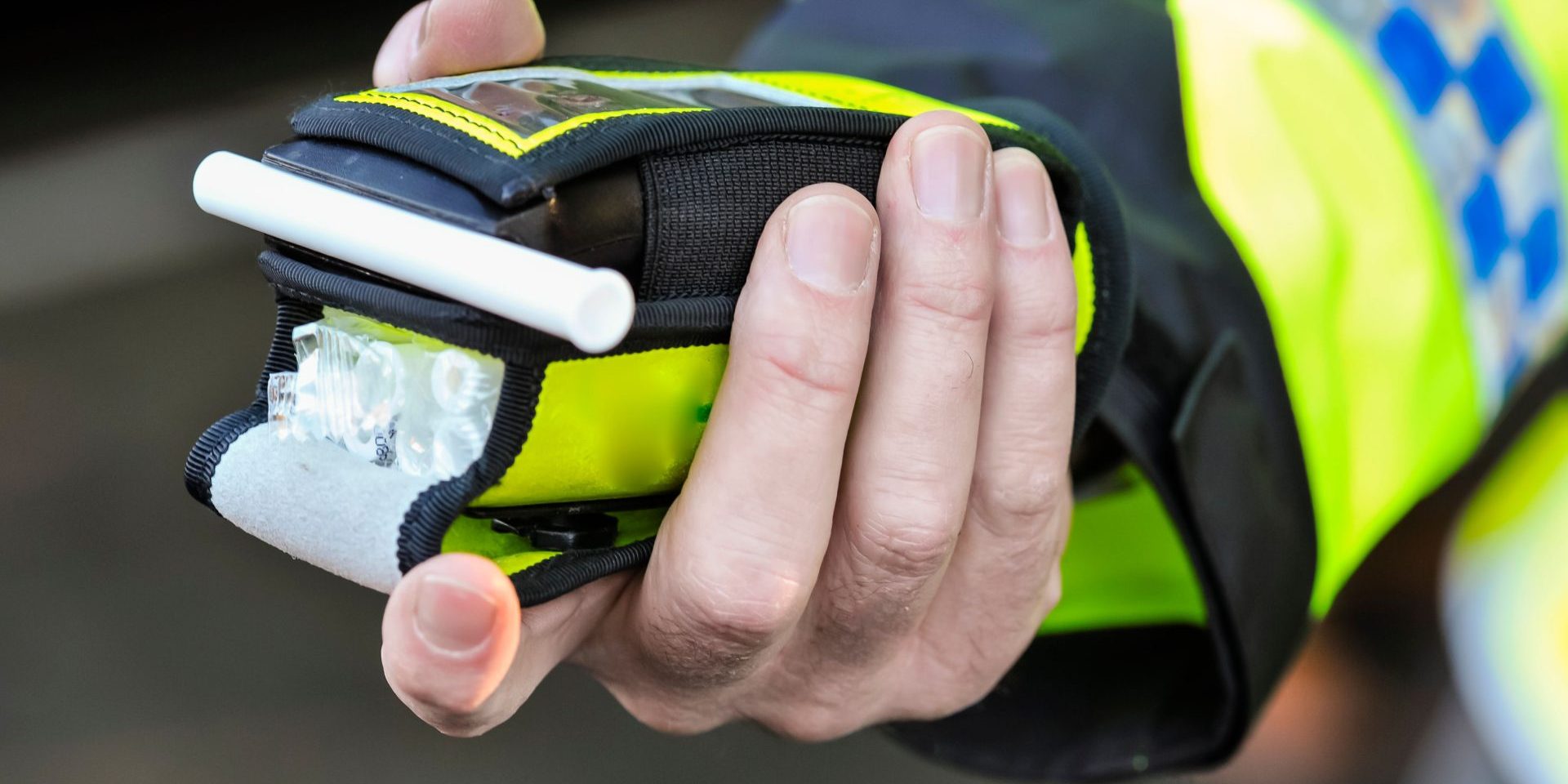
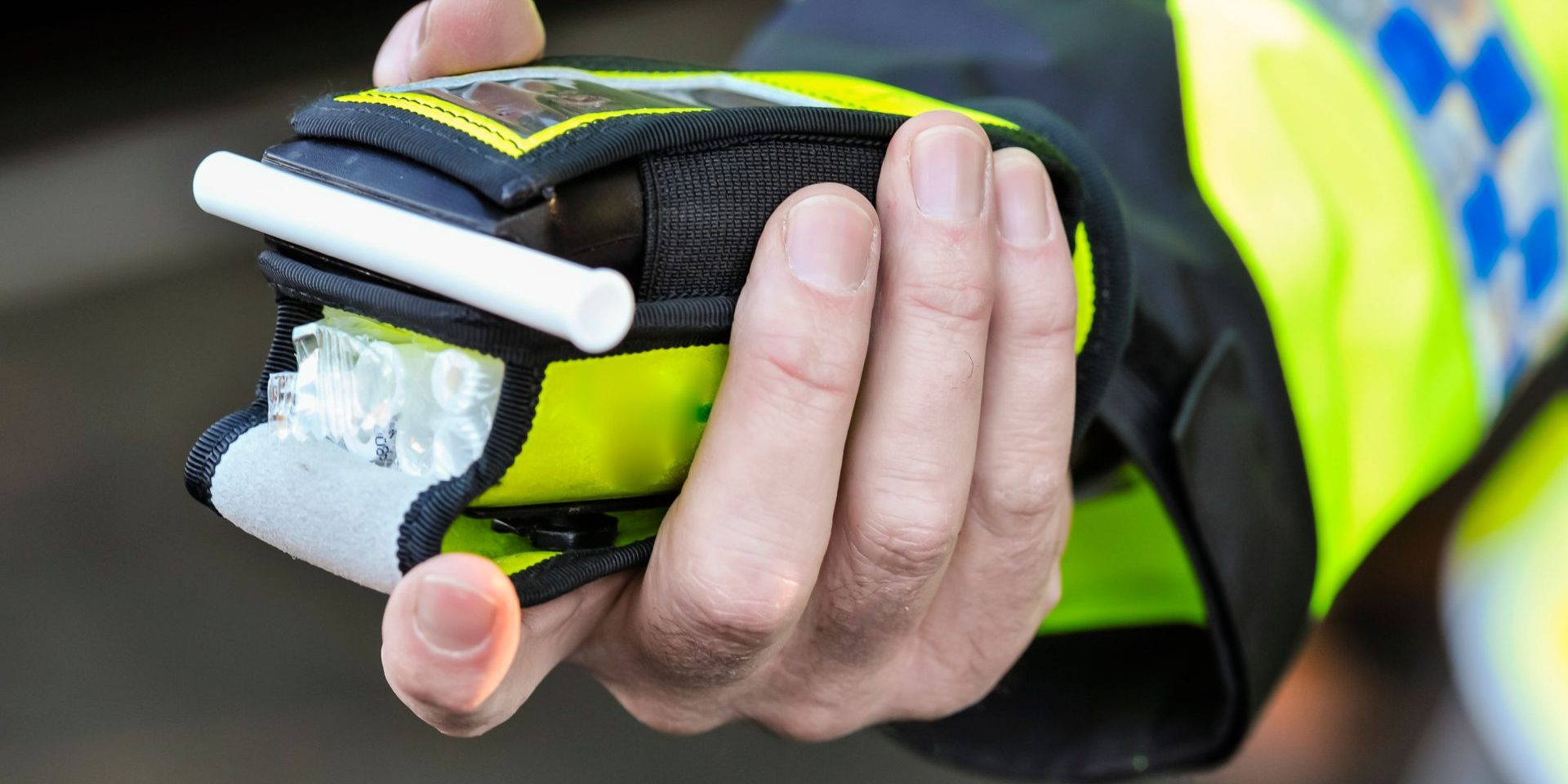
England and Wales have had the same drink-drive limit since 1967. Eighty milligrams of alcohol per 100 millilitres of blood. That number has survived every road safety overhaul of the past six decades, and for most of that time it was not seriously questioned. The situation changed in December 2014, when Scotland dropped its limit to 50 milligrams per 100 millilitres of blood, aligning with the majority of European countries and creating a notable divide within the United Kingdom itself. Since then, pressure has been building on Westminster to follow suit, and the Road Safety Strategy consultation that closed on 11 May 2026 has put the question squarely back on the political table.
For drivers in England and Wales, the implications of any change would be substantial and immediate. Understanding what a lower limit actually means in practical terms, and how likely the change is to happen, is something every motorist should take seriously.
What the Numbers Actually Mean
The 80mg limit in England and Wales is broadly equivalent to being allowed two to three units of alcohol depending on body weight, metabolism, food consumption and other individual factors. A pint of standard strength beer is roughly two units. A large glass of wine can be three units or more. The 80mg threshold means that some drivers can consume a modest amount of alcohol and still be within the legal limit, though road safety experts have long pointed out that impairment begins well before any legal threshold.
A reduction to 50mg would not be a modest tweak. It would represent a reduction of 37.5 percent in the permitted blood alcohol level. For most people, 50mg corresponds to roughly one unit of alcohol. A single pint of beer or a small glass of wine might, depending on individual circumstances, put a driver close to or at that level. In practice, a 50mg limit functions as a near-zero policy for most drivers who plan to get behind the wheel.
The Scottish Experience
Scotland’s change in 2014 was the most significant piece of evidence cited in the current consultation. Initial data suggested drink-drive casualties in Scotland fell following the reduction, though researchers have consistently noted that isolating the effect of the limit change from other simultaneous factors including increased enforcement, public awareness campaigns, and changing social attitudes toward drinking is methodologically difficult.
What was observed is that the lower limit did change driver behaviour, at least among a subset of the population. Surveys conducted after the change found that a proportion of Scottish drivers who had previously been comfortable having one or two drinks before driving now reported abstaining entirely. The behavioural shift may be as significant as the legal change itself: a limit that makes most drinking-and-driving impractical has a different psychological effect than one that permits a controlled amount.
There were also economic effects. Hospitality businesses in Scotland, particularly rural pubs, reported initial concern that the change would deter customers who had previously driven to them for an evening out. Some evidence suggested a short-term reduction in trade, though longer-term data was less conclusive. This economic dimension is likely to feature in the English debate if the proposal advances.
The Cross-Border Complexity
One complication that rarely receives adequate attention is what happens to drivers who cross from England into Scotland, or vice versa. Under the current arrangement, a driver who has consumed alcohol to a level legal in England but illegal in Scotland is technically committing an offence the moment they cross the border, even if they do not realise it. This situation already exists, and has been managed largely through signage and public information rather than enforcement at the border. If England reduced its limit, that particular anomaly would disappear, but the discussion highlights how patchwork road safety law creates genuine confusion for motorists.
For regular travellers between England and Scotland, particularly those making business journeys, the current two-tier system requires a degree of awareness that many drivers simply do not have. A harmonised UK-wide limit at 50mg would at least resolve that inconsistency.
Morning-After Risk
One aspect of the drink-drive debate that connects directly to a lower limit is the morning-after problem. Alcohol is processed by the body at roughly one unit per hour, though individual variation is significant and the process cannot be reliably accelerated. A driver who drinks heavily in the evening may still be over the limit the following morning, particularly if they wake early or their metabolism is slower than average.
At the current 80mg limit, this is already a concern for drivers who drink more than moderate amounts. At 50mg, the threshold is lower, and the same level of evening drinking would extend the period during which a driver could be over the limit the next morning. Public health advocates argue this is actually a benefit of the lower limit, forcing a reassessment of drinking behaviour overall. Critics of the change point out that it increases the risk of drivers who genuinely believe they are sober and legal being prosecuted without intention to offend.
Enforcement and Testing
UK police forces use roadside breath testing to screen drivers, with evidential breath, blood or urine tests used for formal prosecution. The existing equipment and procedures can accommodate a lower limit without significant change to the process itself. What would change is the volume of drivers who fall into the positive range, and consequently the workload implications for forces that are already managing significant resource pressures.
Random breath testing, which is permitted in Scotland and several other UK jurisdictions in various forms, is not available to police in England and Wales in the same way. Officers must have reasonable grounds to suspect a driver has consumed alcohol before conducting a preliminary breath test. Whether a lower limit would be accompanied by changes to stop-and-test powers is a separate but related question that the consultation may also address.
What the Consultation Means for You
The Road Safety Strategy consultation that closed in May 2026 represents a genuine policy process, not a symbolic exercise. The Government will now review the responses and decide which proposals to carry forward into legislation or further development. The drink-drive limit is one of several major items under consideration, alongside seatbelt points, graduated licensing, speed enforcement changes and cycling infrastructure funding.
Any change to the limit would require primary legislation, meaning a parliamentary vote and a period of implementation before it comes into force. On current timelines, the earliest a reduced limit could realistically take effect in England and Wales would be 2027 or 2028, assuming the political will exists to carry the change through.
For drivers, the practical message is not to wait for legislation. The evidence on impairment is clear: alcohol affects judgement, reaction time and risk perception at levels well below any legal threshold. The safest approach when driving is no alcohol at all, a position that a 50mg limit would effectively enforce for most people in most circumstances.
If you regularly drive in Scotland, you are already subject to the 50mg limit and should be fully adjusted to it. If you drive in England and Wales and occasionally cross into Scotland, now is a good time to review your understanding of the difference. And if you drive anywhere in the UK and the thought of a lower limit concerns you because you currently drink before driving, that concern is perhaps the most important information this consultation has surfaced.

Leave a Comment
More in News

How DVSA Data Reveals Which Driving Test Centres Give You the Best Odds
Every UK Driver Faces Two More Fuel Duty Rises Worth 4p by March 2027

Newcastle Drivers Paid £3.7 Million in Parking Enforcement as Council Income Jumps 23 Percent

Coventry Drivers Paid £5.4 Million in Parking Charges as Council Surplus Jumps 80 Percent

What Your Rights Actually Are When a Garage Overcharges or Botches a Repair
Trending on Motoring Chronicle

£18.6 Billion in the Ground: Britain’s Pothole Crisis Is a National Disgrace. Here Is How to Claim For Damage
How Long Does Coolant Last Before It Needs Replacing?
Seven Things Your Motability Insurance Does Not Cover That Could Cost You Hundreds
The Audi Q9 Wants To Make A Big Entrance. Automatic Doors, Seven Seats And A 1.5 Square Metre Glass Roof Say It Might
