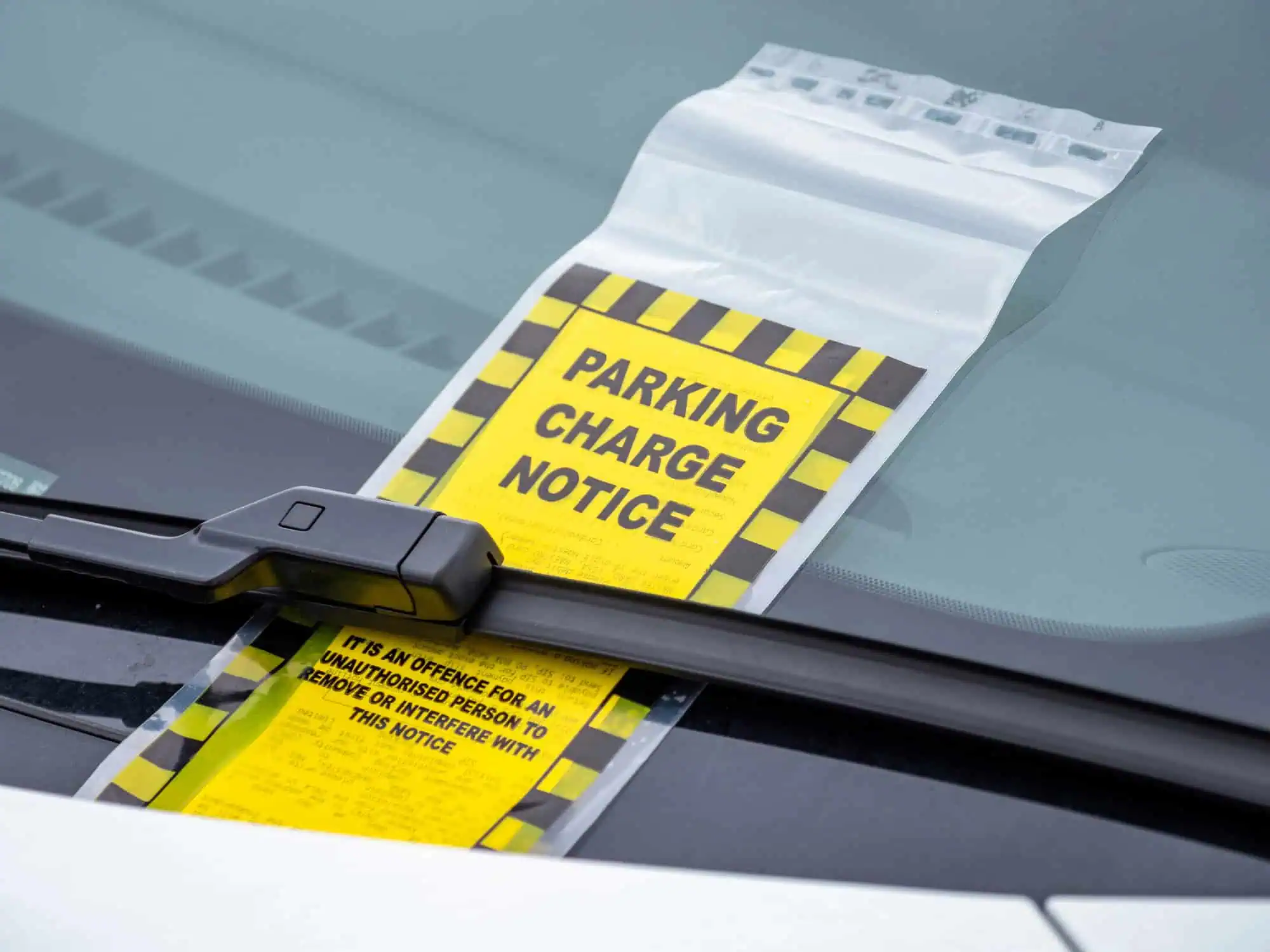
What Happens When the Clamp Team Finds Your Untaxed Car (and How to Avoid It)


More than 498,000 vehicles on UK roads are currently untaxed, according to DVLA data published in January 2026. In 2025, enforcement teams clamped more than 150,000 of them. London topped the list with 16,557 vehicles clamped, followed by Manchester with 9,174 and Birmingham with 7,369. If your car is among the untaxed minority, the question is not if enforcement finds it but when.
The DVLA’s current campaign, called Nobody Wins, launched on 30 January 2026 and runs alongside year-round enforcement activity. The campaign features a talking wheel clamp mascot called Clampy, but the consequences it is highlighting are no joke: a clamped car, a minimum release fee of £100, potential impoundment, and a fine of up to £1,000 or five times the outstanding tax amount, whichever is greater.
How the DVLA Finds Untaxed Vehicles
The DVLA does not need a tip-off or a traffic stop to identify an untaxed vehicle. The agency runs continuous automated checks against its own database of licensed vehicles, cross-referencing registration marks against the records of vehicles that have been taxed, declared as SORN (Statutory Off Road Notification), or whose tax has expired.
Automatic number plate recognition (ANPR) cameras operated by police forces across the UK feed data into systems that flag untaxed vehicles in real time. When an enforcement team identifies an untaxed car parked on a public road, they can clamp it immediately without requiring a court order or formal warning. The DVLA has devolved clamping powers to local authorities and police forces under the Devolved Power Partner scheme, which extends the reach of enforcement far beyond the DVLA’s own team.
Importantly, the DVLA can also act against the registered keeper of an untaxed vehicle even if the car is never physically seen on the road. If your vehicle’s tax has expired and it is not declared as SORN, you will receive a Late Licensing Penalty letter for £80. Pay within 33 days and that drops to £40. Ignore it, and the matter is escalated through the courts where fines can reach £1,000.
What Happens After Your Car Is Clamped
A clamped vehicle triggers an immediate financial and logistical problem. The minimum release fee is £100 if paid within 24 hours of clamping. That fee rises after 24 hours. You must also tax the vehicle before the clamp is removed: paying the release fee without sorting the outstanding tax will not get the clamp off.
If the vehicle is not released within a set period, it is impounded and removed to a DVLA pound. The impoundment fee starts at £160 in addition to the release charge. Storage fees of around £20 per day begin to accumulate from the moment the car enters the pound. On top of all that, the outstanding vehicle excise duty (VED) must be paid in full before the vehicle is released.
If a vehicle remains unclaimed in the pound for a sufficient period, the DVLA has the power to dispose of it. The registered keeper still remains liable for any outstanding fees even after disposal, and a disposal mark goes on the vehicle’s record.
The clamping data shows where enforcement is heaviest. After London (16,557), Manchester (9,174), and Birmingham (7,369), the highest numbers came from Cardiff (4,213), Glasgow (4,207), Bristol (3,736), Belfast (3,017), Edinburgh (2,997), Rochester/Medway (2,882), and Sheffield (2,663). Drivers in these areas face the greatest risk of enforcement contact on any given day.
Why 1.3 Per Cent of Drivers Are Untaxed Despite Easy Online Access
Of the 41.9 million licensed vehicles on UK roads, the DVLA estimates 498,000 are currently untaxed. That represents approximately 1.3 per cent of the fleet. A large proportion of those cases appear to involve administrative failures rather than deliberate evasion: drivers who have forgotten to renew, whose Direct Debit failed, or who believed their tax was current when it was not.
Vehicle excise duty can be renewed at any time via the DVLA’s online service at gov.uk/vehicle-tax, by calling 0300 123 4321 (available 24 hours a day, seven days a week), or at a Post Office. Monthly and annual direct debit options are available. The monthly direct debit adds a small surcharge compared to the annual payment but can help drivers who find a lump sum difficult to manage.
The DVLA also offers a free reminder service via text or email through its Driver and Vehicles Account at gov.uk/driver-vehicles-account. Drivers who register receive an alert when their tax is due for renewal, removing the most common cause of accidental non-compliance.
It is important to note that vehicle insurance and MOT status are separate from VED but are checked by the same ANPR systems that flag untaxed vehicles. A car that is taxed but has an expired MOT or no insurance can equally result in police action. However, unlike VED enforcement, the DVLA cannot issue penalties for an expired MOT: that falls to the police under the Road Traffic Act 1988.
SORN: The Correct Way to Keep an Untaxed Car Off the Road
If a vehicle is not being driven and is kept off public roads, it must be declared as SORN (Statutory Off Road Notification) to avoid VED liability. A SORN can be made online at gov.uk/make-a-sorn, takes a few minutes, and is free. It remains valid until the vehicle is taxed again or changes ownership.
A SORN vehicle must be kept entirely off public roads. Parking it on a public road, even briefly, invalidates the SORN and makes the vehicle immediately subject to VED enforcement. Private driveways and private land are acceptable; roadside parking, even directly outside your home on a public street, is not.
Selling a SORN vehicle also requires notification to the DVLA. When a vehicle changes hands, the new owner takes responsibility for either taxing it or maintaining the SORN. The seller should update the DVLA of the change of ownership via gov.uk/sold-bought-vehicle to avoid receiving penalty notices for a vehicle they no longer own.
The Standard Rate Has Changed: Check What You Owe
From 1 April 2026, the standard VED rate for most petrol and diesel cars registered after March 2001 rose from £195 to £200 per year. Electric vehicles, which were exempt from VED until April 2025, now pay the standard rate of £200. Cars registered after 1 April 2025 with a list price above £50,000 also attract the Expensive Car Supplement of £425 per year for five years from their second tax payment.
First-year rates for new cars vary significantly by CO2 emissions band and have also increased. A new car emitting between 171g/km and 190g/km of CO2 now carries a first-year rate of £735, up from £680. A car emitting over 255g/km faces a first-year rate of £5,490, up from £5,010. These changes mean drivers of recently-purchased vehicles should verify their current VED liability rather than assuming it matches what they paid in previous years.
The simplest way to check the VED status of any vehicle is to enter its registration at gov.uk/check-vehicle-tax. The result shows whether the vehicle is taxed or SORN, the date tax expires, and the amount due on renewal. The check is free and instantaneous, and it applies to vehicles registered in your name as well as any you are considering purchasing.
Sources:

Leave a Comment
More in News

Why a Grinding Noise From Your Wheel Could Cost You £250 and Fail Your MOT
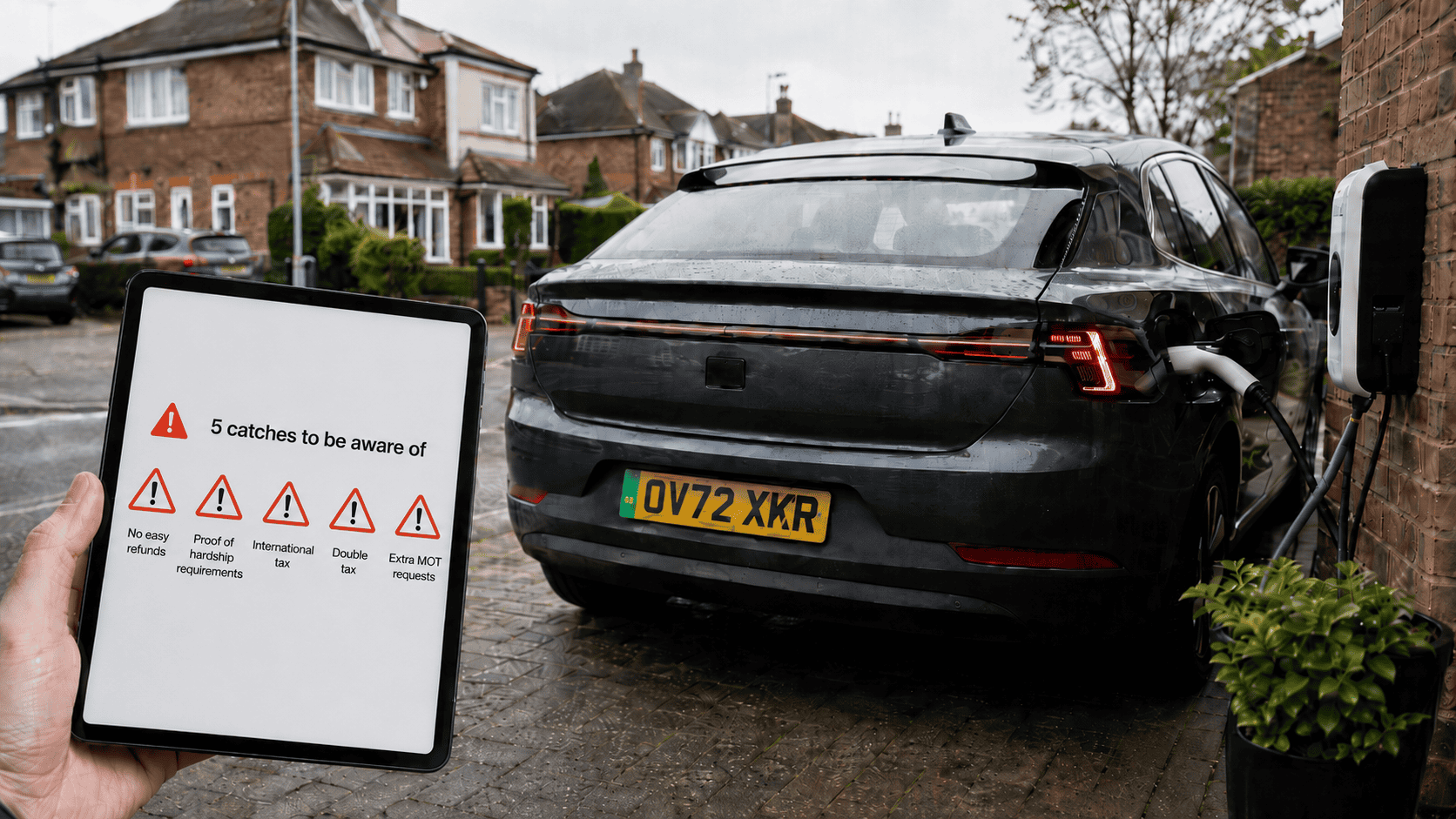
What a £10 Per Kilogram Car Tax Could Cost Drivers if Treasury Adopts It
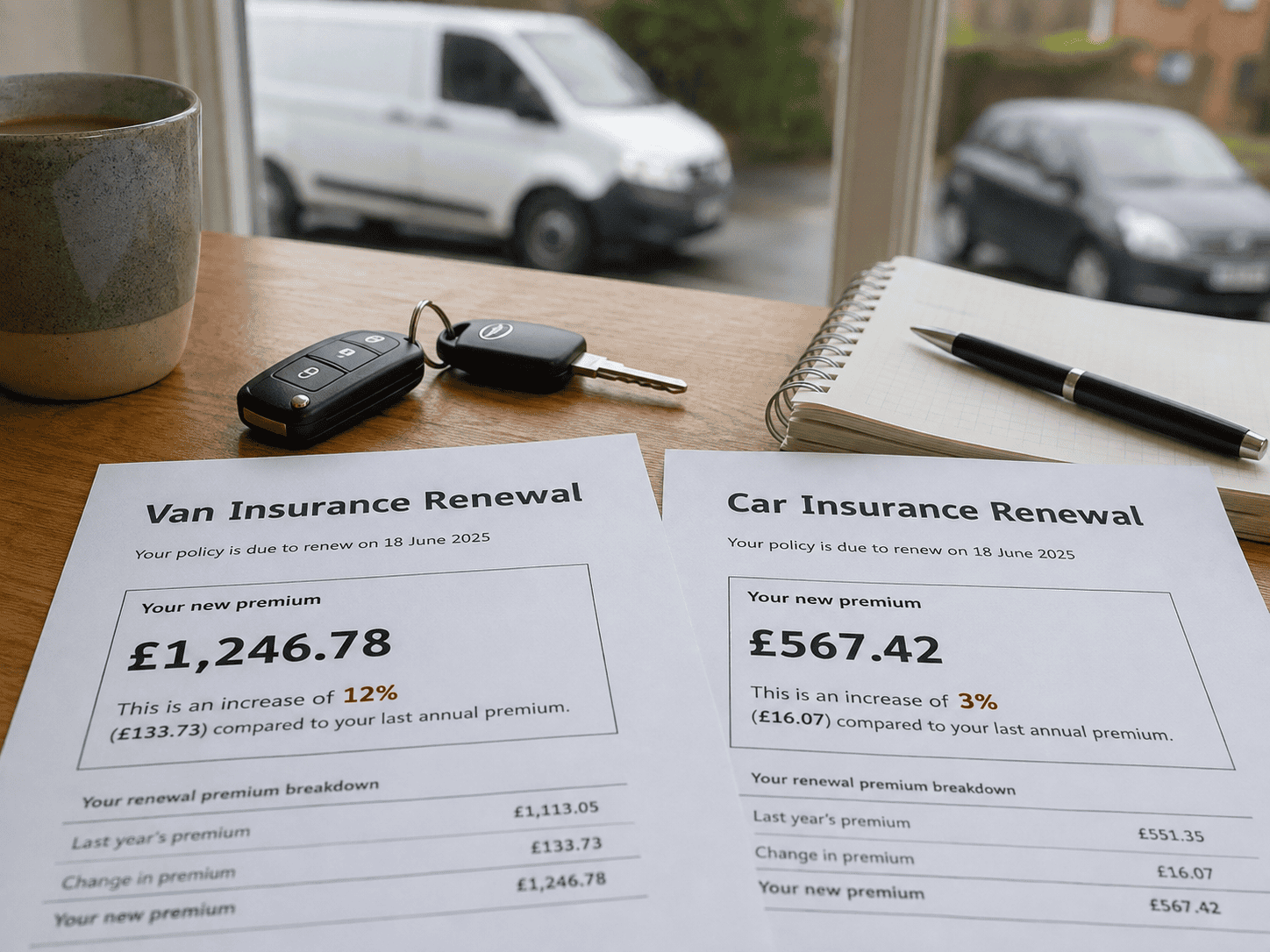
What the Frozen £40,000 Car Tax Threshold Means for Almost a Million UK Drivers
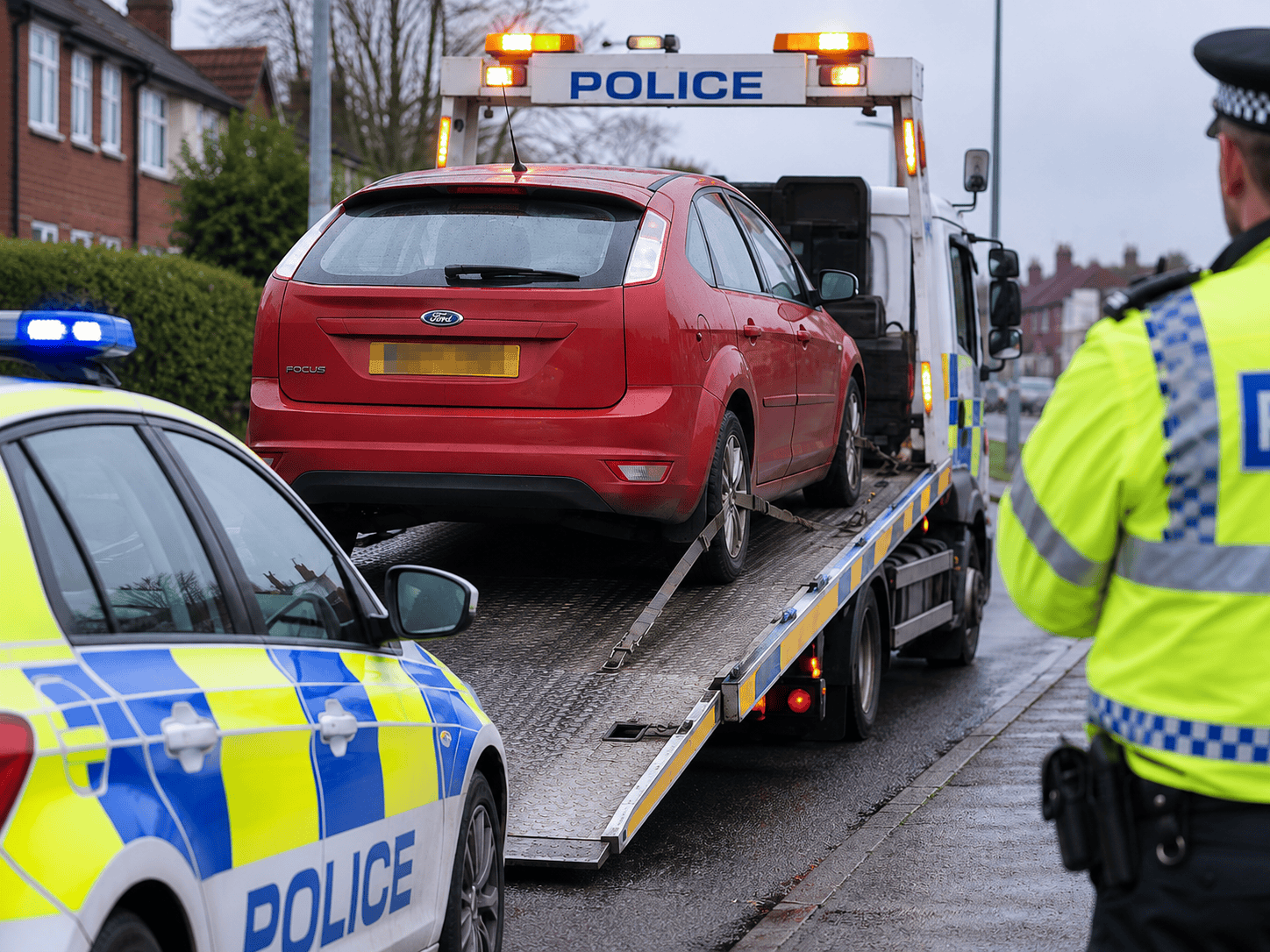
DfT Asks Whether Fake Number Plates and Untaxed Cars Should Mean Points and Seizure

Every Driver Faces Higher Crash Risk After Clocks Go Back as AA Claims Jump 8%
Trending on Motoring Chronicle

What Euro 7 Means for Every New Car Buyer From November and Why It Could Cost You More

Giving Up Driving Can Feel Like Losing Your Identity. New Research Explains Why So Many Older Drivers Struggle With The Decision

Kia Prices 2027 Sorento PHEV from $53,890 with Simplified Trim Lineup

Why New Car Payments Now Average $722 a Month [and How to Cut Yours]