Every New Car Sold in Britain Now Has a Speed Limiter That Resets Itself Every Journey

From 7 July 2026, every new car submitted for type approval in the United Kingdom must be fitted with Intelligent Speed Assistance. If you have bought or ordered a new car since that date, it has the system. If you are planning to buy one, it will be part of the package. This guide covers what the technology actually does, how much control you retain as a driver, and what buyers of both new and used cars need to know.
What Intelligent Speed Assistance Actually Does
ISA uses a combination of GPS satellite data and a forward-facing camera to identify the speed limit on the road you are driving. The GPS component matches your position against a database of mapped speed limits. The camera reads road signs in real time. Both sources work together, with the camera able to pick up temporary speed limits, such as those around roadworks, that may not yet appear in the database.
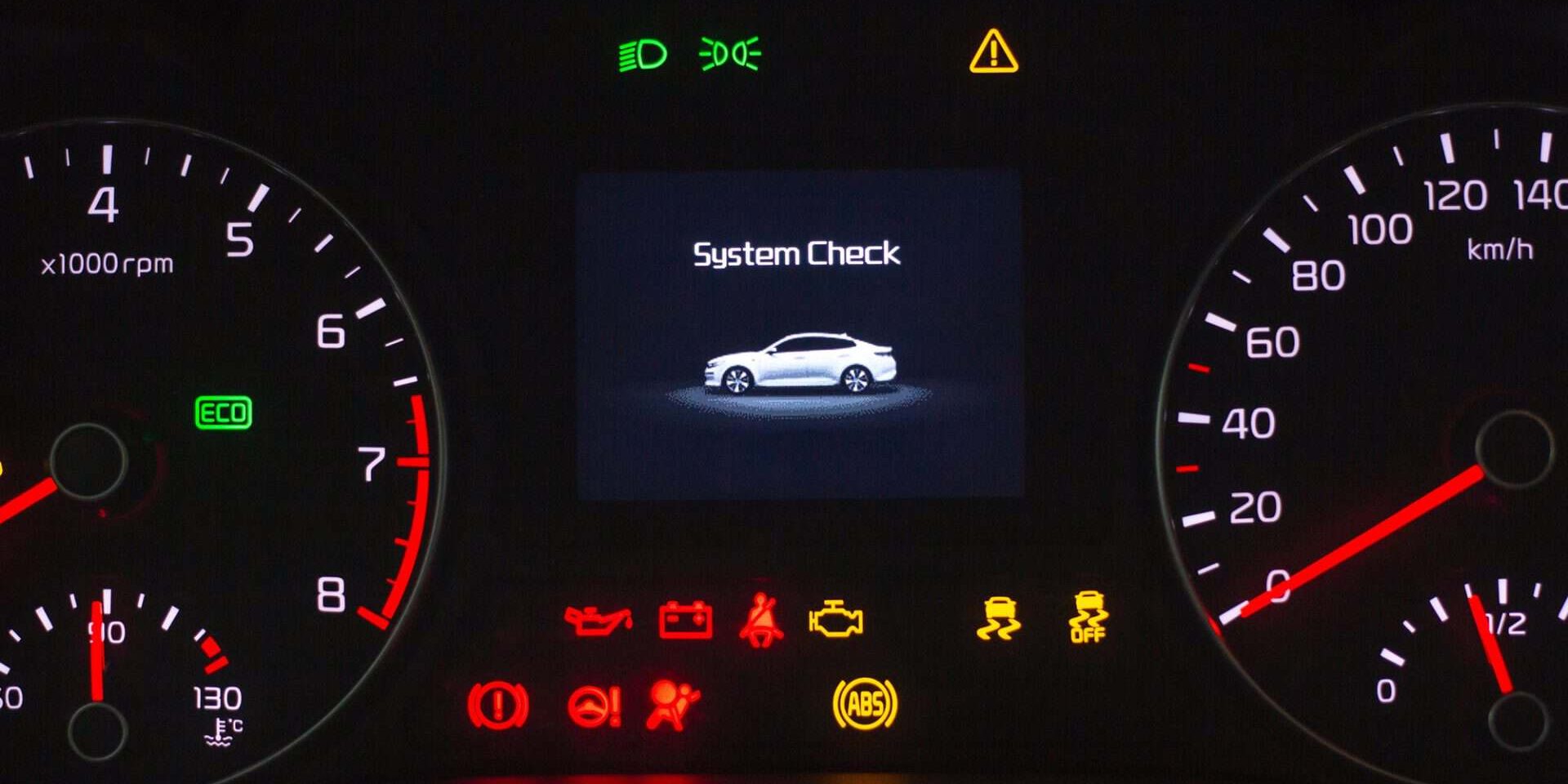
Once your speed exceeds the limit the system has detected, it responds. The exact response depends on how the manufacturer has implemented ISA, since the regulation allows different approaches. Most new cars combine an audible warning, a flashing speed limit symbol on the dashboard, and active speed reduction, with the engine management system limiting acceleration. Some cars use a haptic response instead, making the accelerator pedal feel noticeably heavier or more resistant once you cross the detected limit.
The important distinction is that ISA is not the same as a speed camera. It does not record your speed, generate a fine, or report anything to police. It is a driver assistance system, not an enforcement tool.
Can You Override It?
Yes. The regulation governing ISA requires that the system work with the driver and not restrict their ability to act at any moment during driving. Pressing firmly on the accelerator overrides it immediately. If you need to accelerate to complete an overtake, avoid a hazard, or merge onto a motorway at safe speed, pressing through the resistance will allow you to do so.
However, overriding ISA does not switch it off. The moment you ease back on the accelerator, it re-engages at the detected limit. More significantly for drivers who find it intrusive, ISA resets at the start of every new journey. If a car allows the driver to switch ISA off entirely, that setting is cancelled when the ignition turns off. Start the car again the next morning and ISA is active again.
This reset requirement is built into the regulation deliberately. It means ISA cannot be permanently disabled by the driver once and left off.
Which Cars Are Affected?
Any car submitted for a new type approval from 7 July 2026 must include ISA. New type approvals are required when a manufacturer launches a new model, a significantly updated version of an existing model, or a new powertrain variant. As each manufacturer refreshes its range, the July 2026 requirement applies.
Cars that received type approval before 7 July can continue to be sold under that earlier approval during a transitional period. However, as each model works through its production run and comes up for a revised approval, ISA becomes mandatory. In practical terms, if you buy a new car registered from approximately July 2026 onwards, it almost certainly has ISA installed.
Many cars already had versions of the technology fitted before it became mandatory, either as standard equipment on higher specifications or as part of optional safety packs. ISA is not new to the road. What is new is that it is no longer optional for manufacturers.
What Happens When the Mapping Gets It Wrong?
Speed limit databases are not perfectly current. A stretch of road may have had its limit changed recently, signage may be unclear or partially obscured by overhanging foliage, or a temporary limit around roadworks may not yet be reflected in the GPS database. In those cases, ISA may react to a limit that does not match what the road signs actually show.
Because ISA includes a camera that reads road signs, it can in many cases correct for database errors in real time. But cameras can also be misled by partially obscured signs, heavily worn road markings, or unusual sign placement on older stretches of road.
Drivers will sometimes need to override ISA when the system appears to be reacting to an incorrect limit. Road safety organisations advise treating ISA as an assistance tool rather than a definitive authority. If the speed limit shown on your dashboard does not match what the signs are telling you, the signs take precedence and you should override the system.
Manufacturers are required to keep speed limit databases updated, typically through over-the-air software updates or updates provided at service intervals. Keeping this data current reduces the frequency of incorrect interventions. Check with your dealer or manufacturer how updates are delivered on your specific car, and make sure the system is receiving them regularly.
Performance Cars and Driver Modes
For buyers of performance vehicles, ISA raises a question about how the system interacts with sport or track driving modes. ISA is a road-going requirement tied to type approval for public road use. Some manufacturers have indicated that ISA can be configured differently in dedicated track modes, where the car is assumed to be on a private circuit rather than a public road. However, any car driven on a public road must have ISA functional, and the system must reset to active at the start of every ignition cycle.
Buyers of performance vehicles will generally find that ISA is present and that its response behaviour can be adjusted within the parameters set by the manufacturer, but that it cannot be permanently disabled for road use.
The Arguments For and Against
Supporters of mandatory ISA, including road safety organisations and some insurers, point to research suggesting that excess speed is a contributing factor in a significant proportion of serious road collisions in the United Kingdom. A system that continuously provides speed feedback and gentle resistance may, over time, produce a measurable shift in driver behaviour.
The Transport Research Laboratory has conducted studies suggesting that advisory ISA reduces speed limit violations. Active ISA, which intervenes more directly, shows stronger effects in controlled research, though real-world driver behaviour can differ considerably from controlled study conditions.
Critics, including some driver organisations and motoring commentators, argue that mandatory ISA removes driver discretion in a way that experienced motorists find unnecessary and potentially counterproductive. If a driver is paying attention to managing the ISA response rather than reading the road ahead, the system may introduce its own form of distraction.
There is also the practical concern about situations where briefly exceeding the limit is the safer choice, such as accelerating through a roundabout to close a gap or matching motorway traffic speed during a merge. The override capability addresses this, but only if the driver reacts promptly and instinctively.
Practical Advice for New Car Buyers
Before taking delivery of any new car, ask the dealer to demonstrate how ISA works on that specific model. Implementation varies considerably across the market. Some cars produce a persistent audible warning that many drivers find irritating. Others use a subtler dashboard indicator combined with gentle pedal feedback. Knowing which type your car uses before you drive off the forecourt prevents unwelcome surprises during your first few journeys.
If the car allows you to adjust ISA sensitivity or response type through the vehicle settings menu, take time to familiarise yourself with those options before your first long drive. Some manufacturers allow the driver to choose between audio-only, haptic-only, or combined responses. Selecting the least intrusive option for your typical driving style will make the experience more comfortable.
Check whether your car’s speed limit database receives automatic updates. If updates require a dealer visit or a USB download, make a note to keep the data current. An outdated database produces more frequent incorrect interventions, which may lead you to override the system more often than is helpful.
What Used Car Buyers Need to Know
The July 2026 type approval requirement does not apply retrospectively. There is no obligation to fit ISA to cars already on the road, and no requirement for it to be present in used cars being resold. If you buy a used car, whether it has ISA depends entirely on whether that car’s manufacturer chose to fit the technology before it became mandatory.
Many popular models sold from roughly 2022 to 2025 already included ISA or a similar system as part of their safety technology package. If you are buying used and want to know whether a prospective purchase has the system, check the official specification sheet for that model year and trim level, or ask to have it demonstrated during the test drive.
If you would prefer to buy a car without ISA, the used market remains the clearest route. The mandatory requirement applies only to new type approvals submitted from 7 July 2026. All cars already on UK roads are unaffected. There is no plans to retrofit the technology to existing vehicles.

Leave a Comment
More in News

What Your Rights Actually Are When a Garage Overcharges or Botches a Repair
£625 Million of Detected Motor Fraud Costs Honest Drivers, ABI Figures Show

BYD Dolphin-G review: UK’s first plug-in hybrid supermini is a winning package

How to Check Tyre Pressure Correctly (and Find the Right Number)
What a Sudden Heavy Steering Wheel Actually Means for Your Car’s Safety
Trending on Motoring Chronicle
What HMRC Advisory Fuel Rate Changes From June 1 Mean for Company Car Drivers

Mitsubishi Outlander PHEV review: Pioneering plug-in hybrid SUV is back – and it’s better than ever

Why a New Law Will Outlaw the Gadgets Behind Four in Ten UK Car Thefts

Bugatti Develops Bespoke Michelin Tires for the 1,800 PS Tourbillon Hypercar