Car Insurance Rates Are Rising in 32 States as the Average Hits $2,237
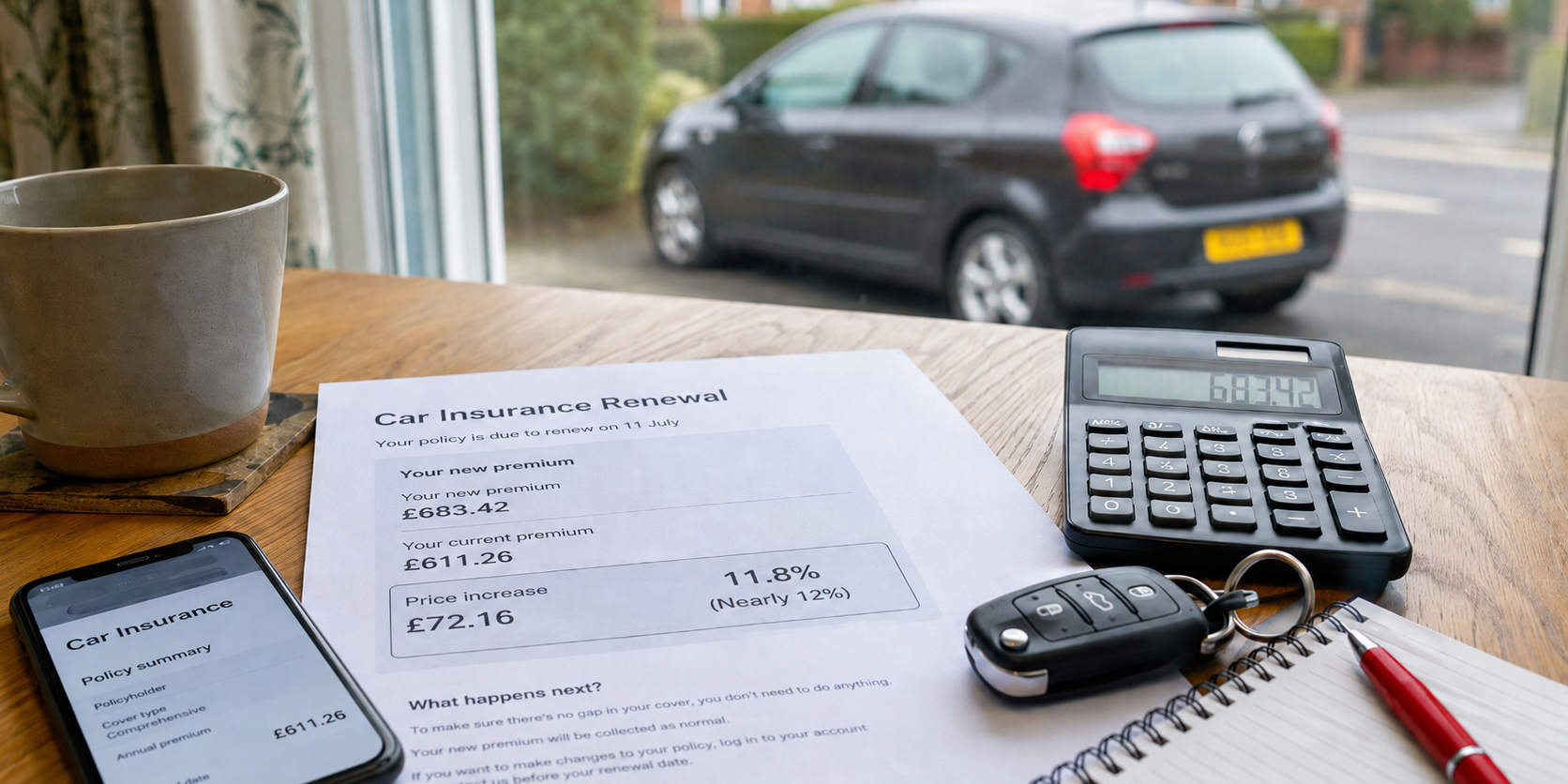
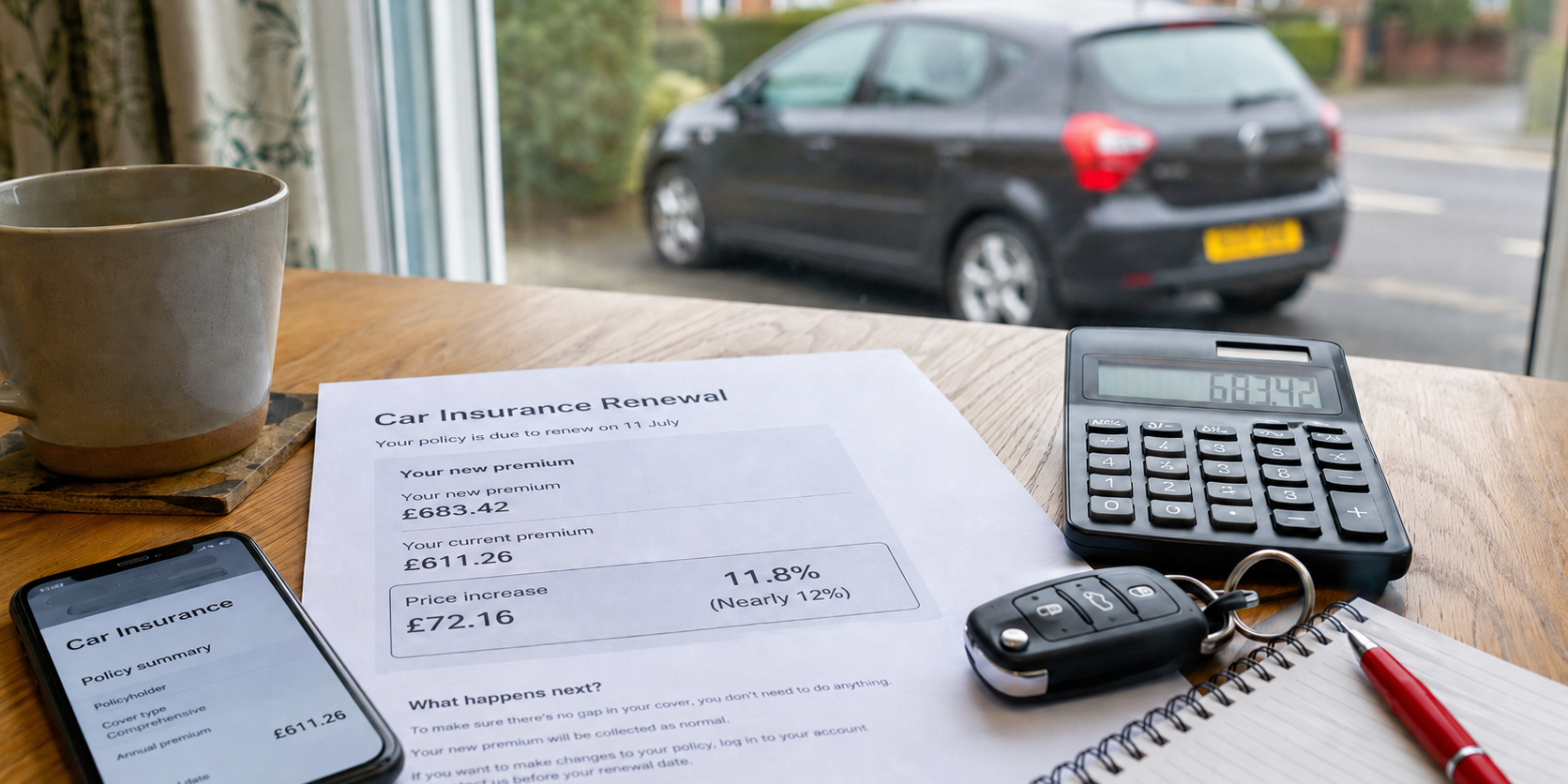
Car insurance is getting more expensive again after a brief reprieve. The average full-coverage premium in the United States climbed 1 percent to $2,237 a year in the first half of 2026, according to Insurify’s 2026 Mid-Year Auto Report, and the insurance marketplace projects rate increases in 32 states by the end of the year.
The increases follow a 6 percent drop in average premiums in 2025, meaning many drivers who caught a break last year are now watching that relief reverse. Insurify found that 27 states already posted rate increases in the first six months of 2026, with five more expected to join them before December.
The States Facing the Steepest Hikes
Connecticut drivers face the largest year-over-year increase in the country at 15 percent. Kentucky and West Virginia follow at 8 percent each, with Nevada and Illinois rounding out the top five at 6 percent apiece. In Kentucky, the shift has been dramatic: premiums there moved from $58 below the national average to $65 above it in a single year.
Insurify points to two forces pushing costs higher. Auto repair and maintenance costs have risen 45 percent over the past five years, driven by pricier parts, more sensors and cameras built into modern vehicles, and higher labor rates at repair shops. Severe weather is compounding the problem in some states. Kentucky’s hail events jumped from an average of 76 a year between 2020 and 2022 to 178 a year between 2023 and 2025, and each hail claim adds to the coverage costs insurers pass on to every policyholder in the state, not just the drivers whose cars were damaged.
“We expect most states to see rates rise this year, and drivers should plan for that,” said Matt Brannon, Insurify’s senior economic analyst and a licensed insurance agent. “After rates fell in 2025, 2026 looks to be a year of normalization. Inflation, more expensive vehicle technology, and rising claims costs are often the types of factors underlying rate increases.”
The 2025 decline that preceded this year’s increases was itself unusual. Insurers had spent 2022 through 2024 pushing rates sharply higher to catch up with post-pandemic repair costs and rising claim severity, and once those increases worked their way through, several carriers found room to cut prices and compete for market share in 2025. Insurify’s data suggests that competitive window is closing in most states as repair and claims costs continue climbing, pushing insurers back toward raising rates rather than cutting them.
Where Rates Are Actually Falling
Not every state is moving in the same direction. Washington, D.C. posted the steepest rate cut in the country at 7 percent, followed by New Mexico at 6 percent and New Jersey, New York and Massachusetts, each down 5 percent, in the first half of 2026.
New York shows the sharpest reversal in the country. Premiums there fell 13 percent comparing June 2025 to now, an average savings of $431 a year, and the state moved from the fifth most expensive in the country for car insurance down to tenth. Even with that decline, New York drivers still pay $2,840 a year on average for full coverage, well above the $2,237 national figure. Washington, D.C. and New Jersey drivers also continue to pay upward of $2,800 annually even after this year’s rate cuts.
What Is Actually Driving the Cost of Your Premium
Auto insurers set rates based on the claims they expect to pay out in a given state, and those expectations are shaped by repair costs, weather patterns, litigation trends and how often local drivers file claims. A state such as Kentucky, sitting at the intersection of rising hail activity and climbing repair bills, sees both of those pressures compound in the same renewal cycle. States with falling premiums, by contrast, have generally seen claims frequency ease or state regulators push back harder against proposed rate filings.
This is also why neighboring states can see wildly different trends in the same year. Insurance is regulated at the state level, and each state’s own claims history, weather exposure and legal environment determines what insurers are permitted to charge, regardless of what is happening one state over.
The rate swings are significant enough that Insurify says they are beginning to register with drivers politically. A recent Insurify survey found that 29 percent of drivers say auto insurance costs will play a role in how they vote, and 54 percent believe elections affect what they pay for car insurance. That view lines up with the reality that state insurance commissioners and legislatures approve or reject the rate filings insurers submit, giving state-level elections a direct, if often overlooked, connection to household insurance bills.
What to Do Before Your Next Renewal
Drivers facing a renewal in a state on Insurify’s rising list have several concrete options. Shopping quotes from at least three insurers before a policy renews typically surfaces savings, as rate increases are rarely applied uniformly across every carrier in a state. Raising a comp or collision deductible from $500 to $1,000 can lower a premium by 10 to 20 percent, though it means paying more out of pocket after a claim.
Bundling auto coverage with a homeowners or renters policy, enrolling in a telematics or usage-based program that tracks driving habits, and asking an agent directly about every available discount, including low-mileage, multi-vehicle, and defensive-driving-course discounts, can each chip away at a renewal quote. Drivers in states with the steepest increases, including Connecticut, Kentucky and West Virginia, have the most to gain from comparing quotes this renewal cycle rather than automatically accepting a renewal offer.
Credit-based insurance scores also play a role in many states, and paying down revolving debt or correcting an error on a credit report can lower a premium within a billing cycle or two once the change is reported. Drivers who have gone three to five years without an at-fault accident or moving violation should specifically ask their agent whether they qualify for a claims-free or safe-driver discount, as some carriers apply these automatically only after a policyholder requests a rate review rather than at every renewal.
What Happens Next
Insurify expects the remaining states on its watch list to post increases before the end of 2026, bringing the total to 32. The company’s data suggests this year marks a return to a more typical pattern after 2025’s unusual nationwide decline, rather than a one-year spike. Drivers should expect rate filings tied to repair costs and regional weather trends to keep shaping premiums into 2027, with states experiencing worsening storm activity likely to see the steepest continued increases.
Sources:

Leave a Comment
More in News

Why a Grinding Noise From Your Wheel Could Cost You £250 and Fail Your MOT
What a £10 Per Kilogram Car Tax Could Cost Drivers if Treasury Adopts It
What the Frozen £40,000 Car Tax Threshold Means for Almost a Million UK Drivers
DfT Asks Whether Fake Number Plates and Untaxed Cars Should Mean Points and Seizure

Every Driver Faces Higher Crash Risk After Clocks Go Back as AA Claims Jump 8%
Trending on Motoring Chronicle

2027 Dodge Charger Super Bee Launch Edition Debuts With 600 Horsepower

Stellantis Recalls 12,592 Ram 1500 Trucks Over Headlights That Flicker or Fail

Ford Recalls 47,587 F-150 and Super Duty Trucks Over a Hidden Backup Camera Glitch

Why Every Driver Who Financed a Car Before 2024 Has Just Five Weeks to Claim £830