
Every Learner Driver Gets Only 2 Test Changes as DVSA Bans Instructor Bookings
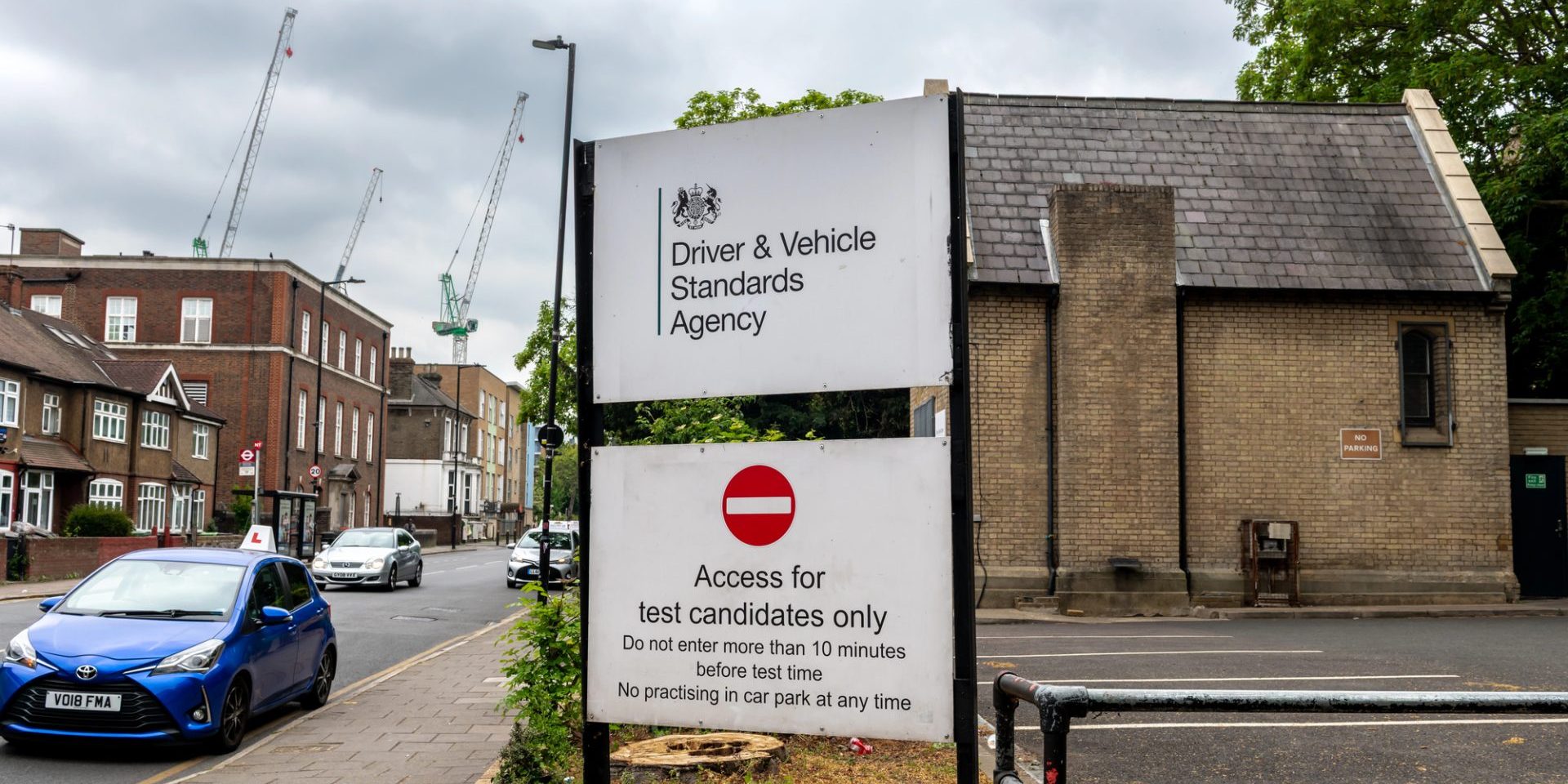
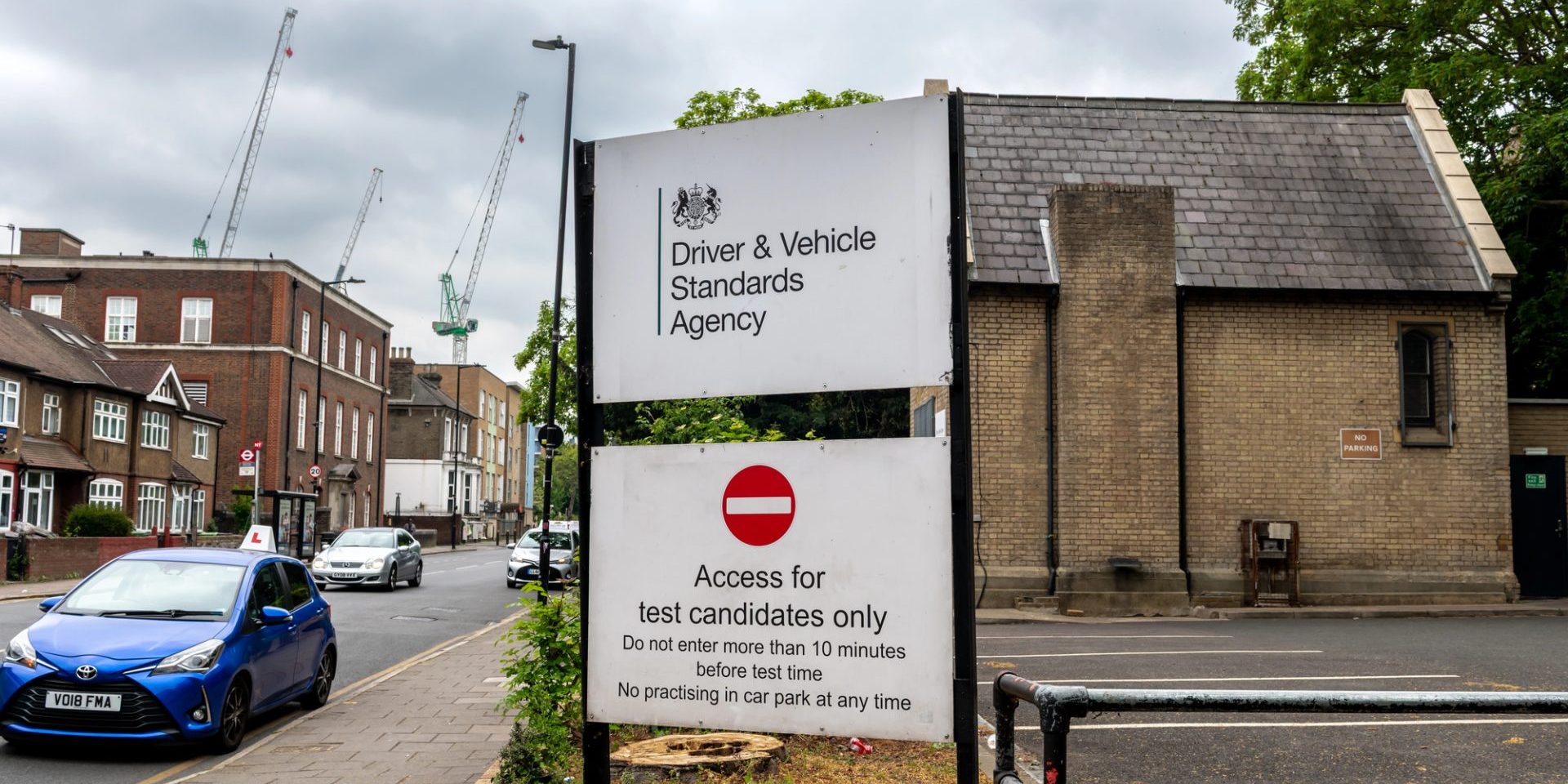
- From 12 May 2026 only the learner can book, change or cancel a car driving test, and DVSA says it is now against the law for instructors and third parties to book one for someone else.
- Each booking now allows only 2 changes, down from 6, and a test can only be moved to the 3 nearest centres or back to the centre first booked.
- The official fee is £62 on weekdays and £75 on evenings, weekends and bank holidays, and DVSA can suspend online booking access or cancel a booking made in breach of its terms.
Learners Now Control Every Car Driving Test Booking, With Two Changes and No Instructor Help
The rules for booking a car driving test in Great Britain changed in three stages this year, and the last two stages hit the people who help learners most. The Driver and Vehicle Standards Agency (DVSA) says that from 12 May 2026 only the learner can book, change, cancel or swap a car driving test. Its announcement states that it is now against the law for driving instructors, driving schools and online test finder services to make a booking for someone else.
The change affects every learner in Britain, and it also affects the parents, grandparents and instructors who used to handle the paperwork. A booking made the wrong way can now be cancelled, and the learner can lose online booking access altogether.
What Changed and the Dates That Count
DVSA brought in the new rules in stages, and its guidance page, Changes to driving test booking rules in 2026, sets out each one in a table. The first stage began on 31 March 2026, when the number of changes allowed on a booked test fell from up to 6 to just 2. The second began on 12 May 2026, when booking and managing a test became something only the learner can do, and when unofficial services that scan the booking system for available appointments were ruled out. The third began on 9 June 2026, when the choice of where you can move a test shrank to the 3 test centres nearest to the one booked, plus the centre you first booked at.
A change counts as a move of the date or time, a move of the test centre, or a swap with another learner who already has a test booked. Changing the date and the centre together still counts as one change. Updating your address or contact details does not count, and neither does adding or removing your instructor’s reference number. Any change DVSA makes itself, for example after bad weather, is also free of the limit. On 19 June 2026 DVSA updated its page to say that if it changes your test you are reset to having 2 changes available again, and you can now use those online instead of having to phone.
On the legal side, DVSA’s announcement on 12 May said the new rules make it against the law for third parties, including unofficial booking and cancellation finder services and driving instructors, to make bookings for someone else. The Driving Instructors Association links the change to the Motor Vehicles (Driving Licences) (Amendment) Regulations 2026, SI 2026/326, and quotes wording that bars another person from making an application for a category B practical test on behalf of the applicant. The Association has criticised how the government consulted on the change. DVSA describes changing, swapping or cancelling a test for someone else as a breach of its booking service terms and conditions.
The rules apply only to car driving tests, and DVSA says they do not apply to other types of test. They cover England, Scotland and Wales, while Northern Ireland has its own guidance. Tests that instructors had already booked for pupils remain valid and go ahead as planned.
Who It Hits and What It Costs
The rules apply to every learner booking a car test, and the numbers involved are large. DVSA data shows 1,998,608 car driving tests were taken between April 2025 and March 2026, up 8.6 percent on the year before, and 1,000,043 were passed, up 11.7 percent. DVSA says learners should only ever pay the official price, which is £62 on weekdays and £75 on evenings, weekends and bank holidays.
Anyone who paid a reseller more than that was paying a premium for a slot booked in bulk. DVSA says the rules are meant to stop others from snapping up tests and reselling them for profit. Simon Lightwood, the Minister for Roads and Buses, said too many people were paying over the odds to third-party touts. Beverley Warmington, DVSA’s Chief Executive, said the measures target businesses that resell tests at inflated prices and use bots and third parties to block availability for genuine learners.
Waiting times are the background to the change. The Driving Instructors Association puts the national average wait at 21 weeks, up from 14 weeks straight after lockdown, and says DVSA has stated that it closed more than 1,000 business booking accounts it had identified as abusing the system. DVSA says it is increasing examiner capacity, with 1,604 full-time equivalent driving examiners in post in April 2026, the highest level recorded from March 2018 onwards, and says more than 184,000 extra tests were delivered between June 2025 and March 2026.
For parents, the practical effect lands on the learner. A parent who used to log in with a child’s details and book a slot is now outside the system. DVSA does say you can still help someone you know to book and manage their test, but only if the person is with you while you do it, and only if they complete as many of the steps as they can by themselves. The email address and phone number used must belong to them, or be easy for them to reach.
Driving instructors face the biggest change to how they work. DVSA says instructors can no longer book and manage tests for pupils. They must give each pupil the reference number of any test they booked earlier so the pupil can manage it. Instructors can still set the hours they are available to take pupils to tests, and a learner who adds the instructor’s reference number to a booking triggers an automatic availability check. The Driving Instructors Association argues the change leaves some pupils without help, including those with anxiety or special educational needs.
What Happens if a Booking Breaks the Rules
DVSA says it continuously monitors the booking service. If you book or manage your test in a way that breaks the terms and conditions, it can suspend your online access, which means you can then only book and manage by phone, and it can cancel your booking. The guidance also says you must not use unofficial services that scan the booking service for appointments, and that includes cancellation finder websites and apps.
Learners have to confirm two things when they book or change a test: that they are the learner taking the test, and that they agree to the terms and conditions. The guidance describes booking a driving test for someone else as against the law.
The 2 change limit raises the cost of getting a booking wrong. If you need more than 2 changes, DVSA says you have to cancel and book a new test. You get a full refund only if you cancel at least 10 full working days before the test date, so a cancellation inside that window does not qualify for the full refund.
The 3 nearest centres rule rules out long distance moves. DVSA’s own example is a learner booked at Chesterfield, who can use a first change to move to Sheffield (Handsworth), Ashfield or Sheffield (Middlewood Road). A second change then works from the centres nearest to wherever the test now sits, or back to Chesterfield. For anyone booked before 9 June 2026, the rule applies from the centre their test was at on that date, not where they first booked.
What to Do if You Are Learning or Helping Someone Who Is
Book on GOV.UK yourself, using your own details, and pick a date you realistically expect to be ready by. DVSA’s guidance tells learners to agree with their instructor that they are ready before booking, to ask for the instructor’s reference number, and to book only at a centre they intend to use, as moves are now limited. Enter the instructor’s reference number when you book so the system checks their availability.
Treat the 2 changes as a budget. Use one only when your circumstances genuinely change, and keep the second for the unexpected. Cancelling at least 10 full working days before the test protects the fee. Avoid any website or app that promises to find you a cancellation, as DVSA has ruled these out and can suspend your access if you use them.
If you are a parent or carer, sit with the learner and let them complete the steps. If you are an instructor, hand pupils their reference numbers for tests you already booked. For the wider enforcement record of the same agency, read our report on how DVSA withdrew 288 MOT testers and 145 authorised examiners in a year, and for another admin trap read about the SORN mistake that carries a £2,500 DVLA fine.
Sources
DVSA, Changes to driving test booking rules in 2026, GOV.UK: https://www.gov.uk/guidance/changes-to-driving-test-booking-rules-in-2026
DVSA and Department for Transport, End of the road for unofficial driving test booking services, GOV.UK, 12 May 2026: https://www.gov.uk/government/news/end-of-the-road-for-unofficial-driving-test-booking-services
Driving Instructors Association, report on the Motor Vehicles (Driving Licences) (Amendment) Regulations 2026 (SI 2026/326): https://www.driving.org/wp-content/uploads/2026/05/Challenges-and-Concerns-regarding-The-Motor-Vehicles-Driving-Licences-Amendment-Regulations-2026.pdf

Leave a Comment
More in News

How a 1965 Ford Transit Van Became Worth £17,200, More Than Many New Cars
FCA Pushes £7.5 Billion Car Finance Payout Back to 2027 for Millions
What September’s Record Electric Car Sales Mean for the £3,750 Grant Running Out Early

How to Diagnose a Shaking Steering Wheel Before It Costs You a Repair Bill

Why Car Theft Risk Now Depends on Your Postcode, ONS Data Reveals
Trending on Motoring Chronicle
Why The Toyota C-HR Has Just Overtaken The Ford Fiesta As Britain’s Most Stolen Car
Why New Electric Cars Are £11,000 Cheaper Right Now (and How Long That Lasts)

Why Cars and Watches Have Shared the Same Design Language for Decades

What the Government’s Road Safety Consultation Results Mean for Every UK Driver
