
Nissan Juke Becomes Britain’s Most Stolen Car as Police Recovery Rate Falls to 13 Percent

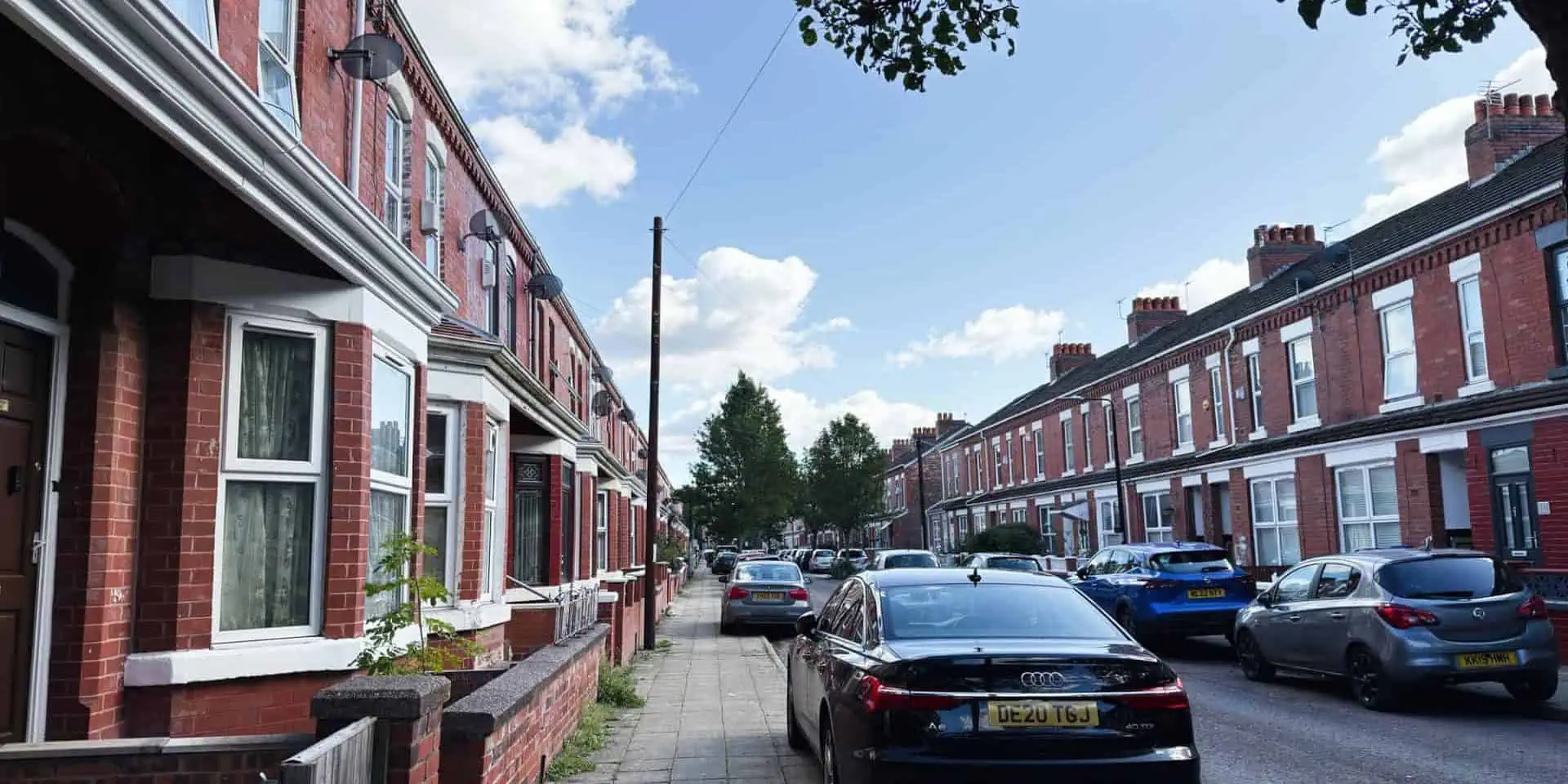
- The Nissan Juke Tekna CVT was stolen 197 times in the first half of 2026, a 19 percent rise on the same period last year, overtaking the Toyota C-HR to become Britain’s most targeted car.
- Relay devices that amplify a key fob’s signal through a wall or door now account for around 70 percent of UK car thefts, and the equipment to build one sells online for under fifty pounds.
- Police recover only around 13 percent of stolen vehicles nationally, while cars fitted with a professional tracking system are recovered in as many as 95 percent of recorded trials.
Your Key Fob Might Be the Weakest Part of Your Car
National vehicle crime figures are actually falling. Police-recorded vehicle offences dropped 11 percent to 312,250 in the year ending March 2026, and overall crime reports fell alongside them. Look past the headline number, though, and one specific method of theft is climbing fast, concentrated on a shrinking list of vulnerable models and a small number of postcodes where thieves know the odds favour them.
The Data Behind Britain’s New Most-Stolen Car
The Nissan Juke Tekna CVT petrol topped the UK theft table for the first half of 2026 with 197 recorded thefts, up 19 percent from 165 in the same six months of 2025. It pushed the Toyota C-HR Dynamic HEV CVT, previously the most targeted model, into second place with 160 thefts. Both cars share a common weakness that has nothing to do with badge or price: keyless entry and push-button start, fitted as standard on both models, without the additional motion-sensing fob technology that newer premium cars increasingly carry to block relay attacks.
Thieves do not need to touch a key or break a window. A car with keyless entry is designed to unlock automatically when its paired fob comes within a short range, a feature built for convenience that also opens a gap two people working together can exploit from outside a house.
Insurers have noticed the shift toward these two models specifically. A rise in claims tied to a particular model tends to feed through into that model’s insurance group within a year or two, meaning current and prospective Juke and C-HR owners could see their premiums move whether or not their own car is ever stolen, purely as the wider claims data for the model worsens. That knock-on cost rarely gets mentioned when a theft story runs, but it lands on every owner of the affected model, not just the unlucky few whose cars are physically taken.
How Relay Theft Actually Works
One thief stands near the front door of a house holding a signal amplifier, close enough to pick up the fob’s low-power signal through the wall from wherever it sits on a hallway table or kitchen counter. A second thief stands by the car holding a receiver that rebroadcasts the amplified signal, tricking the car into believing its own key is right next to it. The car unlocks and the ignition starts, and the whole process can take under a minute from start to finish.
Relay equipment capable of this attack is sold openly online, marketed using vague language about signal testing or automotive diagnostics rather than theft, for prices that can fall under fifty pounds. Around 70 percent of UK car thefts now use this method. It defeats factory security without setting off an alarm, leaving no broken glass, no forced lock and often no evidence at all beyond the empty driveway.
Where the Crime Concentrates: Postcode Hotspots
Vehicle crime is not spread evenly across the country. Kensington and Chelsea recorded a vehicle crime rate of roughly 15.5 offences per 1,000 residents, with 2,242 vehicle crimes logged across the borough, more than double the national average. Haringey recorded a rate near 16.5 per 1,000, including 1,977 separate thefts from a motor vehicle, while Newham logged 4,325 vehicle crime incidents at a rate of roughly 14 per 1,000 residents.
The pattern within those figures tells its own story. Keyless relay theft concentrates in the wealthier postcodes where expensive, newer cars with keyless entry sit on driveways within signal range of a front door, exactly the profile of Kensington and Chelsea. Parts theft, stripping catalytic converters and wheels rather than driving the whole car away, concentrates instead in outer-east boroughs where a stolen part is faster to offload than a stolen vehicle. A driver’s actual risk depends heavily on which of these two crimes is more common on their specific street, not just their borough’s overall crime rate.
A driver renewing car insurance can ask their broker directly which of the two crime types dominates local claims data for their postcode, information insurers hold but rarely volunteer unprompted. That single question can point toward the more useful of two very different precautions, a Faraday pouch against relay theft, or a locking wheel nut and marked parts against stripping, rather than spending on generic security advice that does not match the actual local threat.
Why So Few Stolen Cars Come Home
Recovery data makes bleak reading for an owner whose car disappears from the driveway overnight. The national recovery rate has sat close to 13 percent for several years running, meaning roughly 87 percent of stolen vehicles are never seen again by their owner. Once a relay-stolen car with no tracking device leaves the street, it can be re-registered with cloned plates, broken for parts within hours, or shipped out of the country through a port before police even log the theft report.
That figure changes dramatically for cars fitted with a professional aftermarket tracking system. Recorded trials of tracked vehicles have shown recovery rates as high as 95 percent. A tracker gives police a live location the moment a theft is confirmed, rather than relying on number plate cameras or a chance sighting days later. The gap between 13 percent and 95 percent is almost entirely down to whether a car had a tracker fitted before it was stolen, not after.
A Five Pound Fix Against a Five Figure Loss
A Faraday pouch blocks a fob’s signal completely when the key is stored inside it, closing off the relay attack for around six pounds. Any driver with a keyless Juke, C-HR or similar model on a residential driveway should treat one as a basic requirement rather than an optional extra, and should store the fob in it every single night, not just when a theft feels likely.
Not every pouch on the market actually works. Cheap, unbranded versions sold in multi-packs have failed independent signal-blocking tests, letting enough of the fob’s signal through for a relay device to still pick it up. A pouch tested and rated by an independent security body, rather than the first result in an online search, is worth the extra few pounds it costs over an unverified alternative. Some manufacturers now sell verified pouches directly through dealer parts counters for exactly this reason, aimed at owners who have already read about a relay theft happening to a neighbour and want a fix they can trust rather than a gamble.
Beyond the pouch, a steering wheel lock adds a visible, physical deterrent that relay theft alone cannot bypass. The car may start, but it cannot be driven away cleanly with a locked wheel. An OBD port lock stops thieves plugging in a device to clone a fresh key once they are inside the car. A professional tracking system, given the gap in recovery outcomes it produces, is worth the annual subscription cost for any car on the current most-stolen list. It is also worth checking with an insurer, as some providers offer a premium discount for drivers who fit one.
Sources:
- Office for National Statistics: Crime in England and Wales
- CrimeRate: Kensington and Chelsea crime and safety statistics
- Motoring Chronicle: Relay attacks now cause 70 percent of car thefts and push up everyone’s premiums
- Motoring Chronicle: Catalytic converter thefts are rising again after insurers called the crime wave over

Leave a Comment
More in News

Electric Car Buyers Now Pay Up to £200 Road Tax, DfT Data Shows
UK Drivers’ Car Insurance Costs Rise 4.3 Percent a Year, ONS Confirms

What Your Engine Oil Dipstick Reading Actually Means (and When to Top Up)

How California’s Speed Camera Pilot Works and Where It’s Expanding Next

Why Federal Regulators Are Investigating Comma.ai’s Openpilot After 3 Deaths
Trending on Motoring Chronicle

Is The Lamborghini Veneno Street Legal?
JAECOO 8 SHS-P Begins UK Deliveries From £45,500 With 428 PS and 700-Mile Range

Running Out of Road: The 5p Fuel Duty Cut Expires in August and Prices Are Already Climbing

Motability Drivers Now Pay Up to £400 More to Join; Here’s What Changed
