
How the New Highways Bill Could Put Private Toll Charges on Roads That Are Free Today
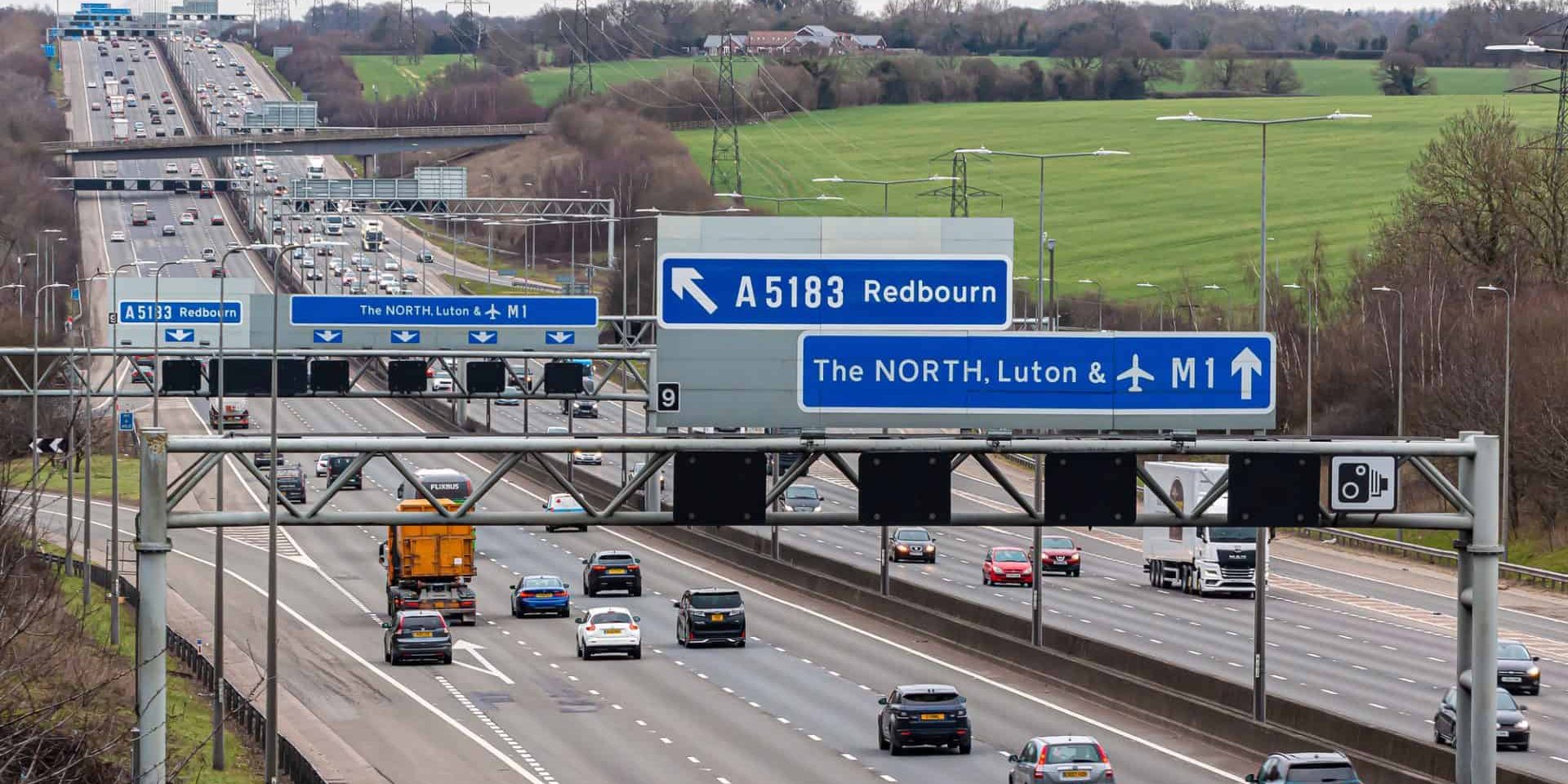
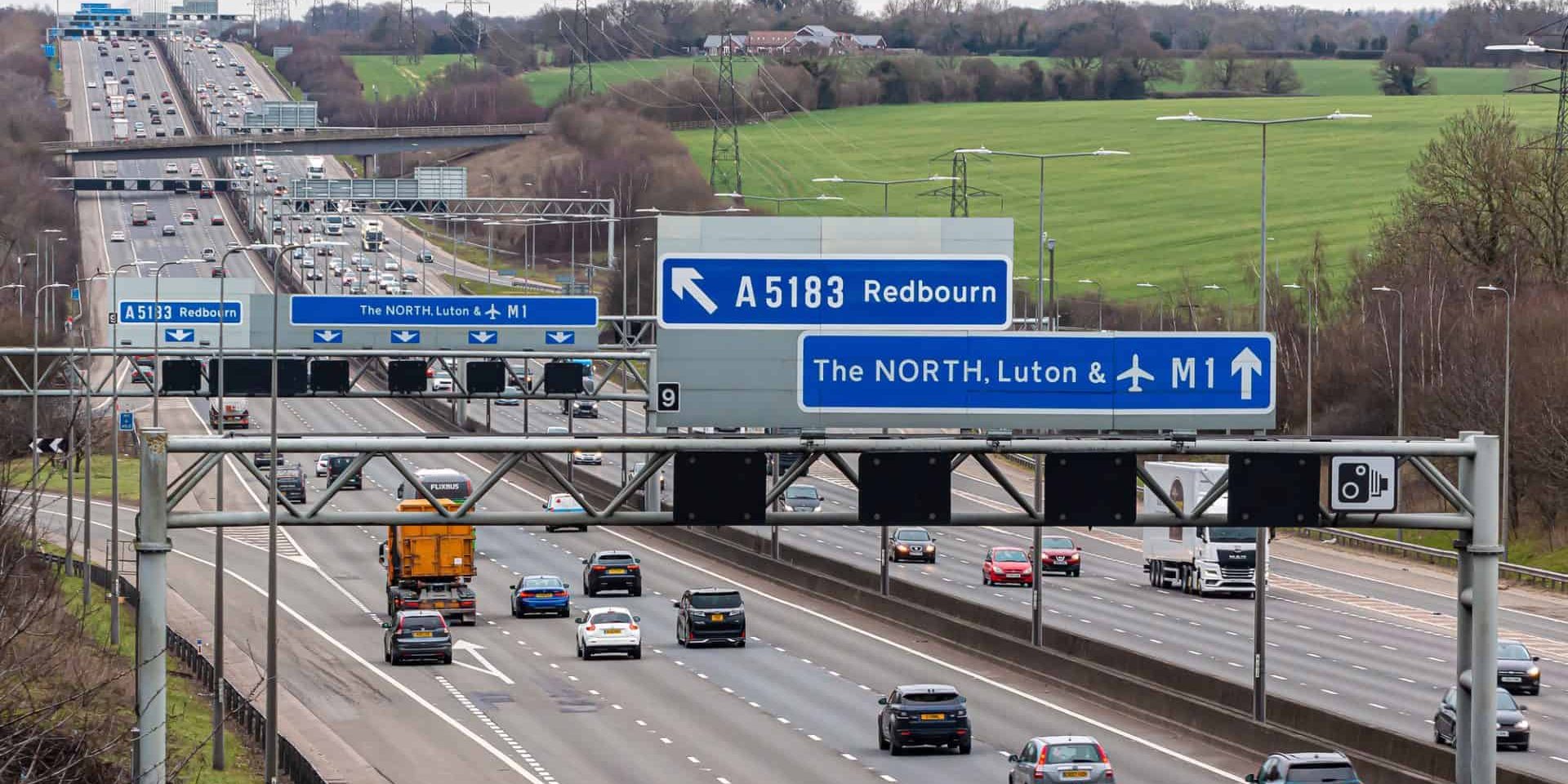
New legislation passing through Parliament could give the government and private operators the power to introduce toll charges on roads that have always been free to use, as part of a broader overhaul of how highway infrastructure is funded and managed in England and Wales.
The Highways Bill, introduced in the current parliamentary session, contains provisions that would significantly expand the legal framework for road user charging beyond the handful of schemes currently in operation. While ministers have described the measures as enabling legislation rather than a commitment to specific tolls, motoring groups and transport policy experts warn that the powers being created go well beyond anything previously on the statute book and could fundamentally change how drivers pay to use some of the country’s most important routes.
What the Highways Bill Contains
The Highways Bill is a wide-ranging piece of legislation that covers road maintenance standards, National Highways’ operational powers, roadworks management and street works coordination. Buried within its provisions are clauses that would create a new legal gateway for road user charging schemes on the strategic road network, which comprises motorways and major A-roads managed by National Highways on behalf of the government.
Under current law, tolls can only be levied on specific routes where Parliament has passed a specific Act of Parliament authorising them. The M6 Toll in the West Midlands and the various river crossings such as the Dartford Crossing and Humber Bridge operate under exactly this kind of bespoke legislation. The Highways Bill would create a general power for the Secretary of State to designate charging zones or corridors on the strategic road network by statutory instrument, bypassing the need for primary legislation for each individual scheme.
This is a significant shift. Currently, introducing a toll on, say, the M25 or a section of the M1 would require a new Act of Parliament. Under the proposed regime, it could be done by the government of the day through secondary legislation, subject to a parliamentary vote on the enabling instrument but without the full scrutiny of a standalone bill.
The Government’s Justification
Ministers have framed the Highways Bill charging provisions as a necessary modernisation of an outdated legal framework, pointing out that the existing approach, which requires primary legislation for every new charging scheme, is inefficient and prevents the government from responding quickly to changing transport needs.
The government has also cited the long-term challenge of road funding. Fuel duty, which currently raises around £25 billion per year for the Treasury, will decline sharply as the car fleet electrifies and petrol and diesel vehicles become a progressively smaller proportion of the total. The government’s own forecasts suggest that fuel duty revenues could fall by more than a third by 2035 and by more than half by 2040, creating a significant hole in the road funding budget unless alternative revenue streams are developed.
Ministers have pointed to the EV pay-per-mile charge scheduled for introduction in 2028, which will apply a 3p per mile levy to electric vehicle journeys, as an example of the direction of travel. The Highways Bill provisions are described as complementary to that reform, providing the flexibility to introduce additional or location-specific charging in future if the government determines it is needed to maintain road infrastructure or manage congestion.
Private Operators and Concession Models
One of the more contentious aspects of the bill is a provision that would allow private operators to be granted concessions to manage and charge for the use of specific roads or road sections. This is already the model used for the M6 Toll, which is operated by Midland Expressway Limited, and for several major bridges. The bill would extend the concession model to a wider range of strategic road network assets.
Critics, including the AA and RAC, argue that extending private concessions to currently free roads could result in double taxation, with drivers who have already paid fuel duty or a per-mile electric vehicle charge being asked to pay again to use specific roads or junctions. The AA has described the relevant clauses as “an open door to privatising the driving experience” and has called for them to be removed from the bill or subjected to much stronger parliamentary scrutiny requirements.
The RAC’s head of roads policy, Nicholas Lyes, said the organisation was concerned that the enabling nature of the legislation meant there were no concrete safeguards against charges being set at levels that were unaffordable for lower-income drivers, particularly in areas where the strategic road network is the only viable route between communities and the alternatives are impractical for daily commuters.
Which Roads Could Be Affected
The Highways Bill does not name specific roads or corridors for charging. It creates powers, not schemes. However, transport analysts and lobby groups have identified a number of routes that are frequently cited in road funding discussions as candidates for user charging if the legal framework is established.
The M25, as one of Europe’s busiest and most expensive to maintain motorways, is frequently mentioned. Parts of the motorway already have smart gantry infrastructure that could theoretically be adapted for charging purposes. The A14 Cambridge to Huntingdon improvement, which involved a significant private finance element, has also been cited as a precedent for the kind of infrastructure that might attract a charging regime.
However, transport economists caution against reading too much into speculative lists. The political barriers to tolling free roads are enormous, as the failure of the previous government’s tentative explorations of road pricing illustrated. Any government that moved to toll the M25 or similar routes would face intense public backlash, and the enabling powers in the Highways Bill, while significant, do not guarantee that such schemes will actually be implemented.
The Parliamentary Process
The Highways Bill is currently in committee stage in the House of Commons. Several amendments have been tabled by MPs from across the political spectrum seeking to restrict or remove the road charging provisions, and at least two cross-party groups of MPs have indicated they will push for a division on the relevant clauses. The government has a working majority but the strength of opposition to the charging provisions, which crosses party lines, means the final shape of the legislation is not certain.
The House of Lords will also scrutinise the bill, and peers have historically been prepared to amend or defeat government legislation on road charging. The Lords rejected elements of previous road pricing proposals and are likely to take a close interest in any provisions that could affect the principle of free access to the public highway, which has deep roots in English law.
What Drivers Should Know
For drivers who use motorways and major A-roads for regular commutes, business travel or leisure, the Highways Bill is a piece of legislation worth following closely. It does not create any charges now. No roads will become toll roads as a direct result of its passage, at least not immediately. What it does is change the legal infrastructure that would make future charging easier to implement without returning to Parliament for primary legislation.
The practical implications depend entirely on how subsequent governments choose to use the powers, if the bill passes in its current form. If the charging provisions survive parliamentary scrutiny unchanged, a future government would have the option of introducing tolls on the strategic road network by statutory instrument, a much lower legal bar than currently exists. Whether any government would actually do so, and on which roads, remains a political question rather than a legal one.
What is clear is that the broader direction of travel for road funding in the United Kingdom is towards greater reliance on direct user charging and away from the current system of fuel duty. The electric vehicle transition makes this shift inevitable in the long run. The debate over the Highways Bill is, in part, a debate about how quickly that shift should happen, how much parliamentary oversight it should require, and whether private operators should have a role in managing roads that drivers currently use for free. Those are questions that matter to every motorist, and the outcome of the parliamentary process over the coming months will shape the answers for years to come.

Leave a Comment
More in News

How to Remove Moisture From Inside Your Headlight Before It Costs You £500
What Red and Amber Warning Lights Actually Mean (and Which Fail an MOT)

How to De-Ice Your Windscreen Fast Without Cracking It (and Staying Legal)

New Cars Face Euro 7 Rules From 29 November With a £264 Price Rise
What the Traffic Penalty Tribunal’s 33 Percent Success Rate Means for Every Driver
Trending on Motoring Chronicle

New Jersey Drivers Face the Country’s Biggest Car Insurance Hike at 10.46 Percent

Why Rural Scottish Drivers Are Paying £2.17 a Litre as Forecourts Close and Queues Stretch for Miles

Bugatti Responds to Mat Armstrong’s Chiron Rebuild

Porsche 911 Spirit 70 wraps modern performance technology in retro style [Photo Gallery]
