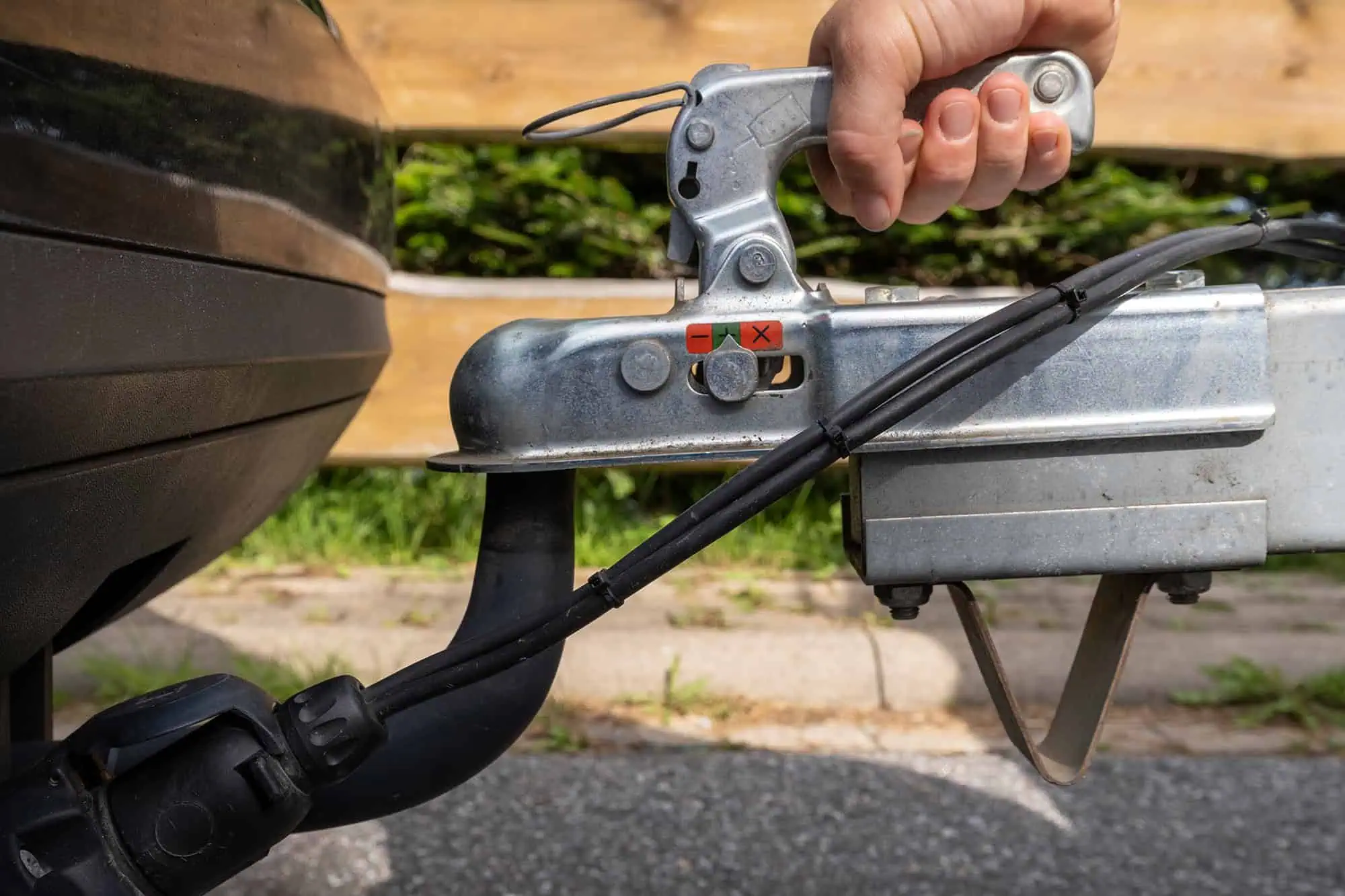
Cars in Some UK Postcodes Are Twice as Likely to Fail Their MOT


A car in Kirkcaldy is roughly twice as likely to fail its MOT as an identical car registered in Romford. That gap has held steady for two decades, according to an analysis of Driver and Vehicle Standards Agency records covering 559 million individual MOT tests carried out across Great Britain from 2005 to 2024. Where you live now looks like a real factor in whether your car passes its annual safety check, and the reasons point to the roads themselves as much as the vehicles on them.
The Scale of the Postcode Divide
The DVSA publishes its full MOT testing data as an open dataset on gov.uk, broken down by vehicle class, defect category and test location, and updated every three months. Analysis of that dataset shows the worst-performing postcode areas in 2024 were Kirkcaldy at 37.3%, Dundee at 36.4% and Truro at 36.2%, with Plymouth and Exeter close behind. At the other end, outer London postcode areas consistently post the lowest fail rates. Enfield and Romford both sat under 27% across the full two decades of data, with Romford recording 21.5% in 2024 alone, among the best results anywhere in the country.
That works out to a spread of close to 18 percentage points between the toughest and easiest postcode areas over the full run of DVSA records, a gap that has stayed remarkably consistent year after year rather than shifting around. A cluster of areas in eastern Scotland and the South West sit clear at the top for failures across the entire 20-year dataset, while a band of outer London and southeast postcodes sit consistently at the bottom.
Why the Same Car Fails More Often in Some Places
The DVSA’s own defect category data points to a pattern that has little to do with driver behaviour and everything to do with road surfaces and vehicle exposure. The single most common failure item nationally is tyre tread below the legal limit, accounting for roughly 8% of all recorded failure items, followed by non-working brake lights at close to 5%, washer fluid problems at around 3.5%, and worn wiper arms. Every one of these is inexpensive, visible before the test, and checkable in a driveway with no tools beyond a torch and a 20p coin.
Postcode areas with the worst fail rates tend to share characteristics that push those common defects higher. Rural and coastal roads with more potholes and poorer surfaces put more strain on tyres, suspension and steering components between services. Areas with lower average incomes see cars kept on the road for longer between repairs, and see drivers more likely to book the minimum legal test rather than a pre-MOT check that might catch a cheap fix before it becomes a fail. Areas with fewer independent garages per driver, a genuine problem across parts of Scotland and the South West, also mean less casual access to the kind of free bulb and tyre checks many town-centre garages offer to attract business.
The Test Centre Problem Nobody Talks About
Fail rates are not just about roads and incomes. Test station density varies sharply by region, and areas with fewer approved MOT centres per registered vehicle put more pressure on the garages that do exist. A driver with limited choice of test centre has less scope to shop around for a garage known for thorough, fair testing rather than one under pressure to push through as many vehicles as possible in a day. DVSA figures on authorised examiners and testers, published alongside the test result data, show real variation in how many stations serve each area, though the agency does not publish a simple ratio of stations to registered vehicles that would let drivers compare their own postcode directly.
Vehicle age plays its own part, and it compounds the postcode effect rather than replacing it. Areas with lower average incomes tend to have older vehicle fleets. New and nearly-new cars concentrate disproportionately in wealthier postcodes where drivers can afford finance deals or outright purchase. Older vehicles fail more often on mechanical grounds regardless of where they are tested, which means a postcode with both an older fleet and harsher road conditions faces a double disadvantage that a single average fail rate figure does not fully capture.
What a Fail Actually Costs You
An initial MOT fail is not simply an inconvenience. A car that fails cannot legally be driven except to a pre-booked repair or another test, unless the current MOT certificate has not yet expired. Missing that window, common for drivers who book the test for the exact day their certificate runs out rather than leaving a buffer, means the car is off the road entirely until it passes. A retest booked within 10 working days at the same test centre often costs less than a full test, but many garages charge close to the full rate if the car needs to leave the premises and come back, adding cost on top of whatever repairs were needed.
For a driver in a high-failure postcode area, that risk compounds. If the same car would have passed first time in Romford but fails on a tyre or a brake light in Kirkcaldy, the driver pays for the failure item, potentially a retest fee, and loses use of the car for however long the garage needs to fit them in, a cost that has nothing to do with how well they have looked after their vehicle and everything to do with where they happen to live.
How to Fight Back Before Your Next Test
Run your registration through the free MOT history checker on gov.uk before you book your next test. It shows every previous test result, including advisories that were not serious enough to fail the car but flag exactly what an examiner will be watching closely next time.
Check the items that cause most failures nationally before you hand your car over. Tread depth across all four tyres needs to be at least 1.6mm, checkable with a 20p coin pushed into the main grooves. Every bulb, including brake lights, number plate lights and indicators, should be tested with someone watching from outside the car. Top up washer fluid and check wiper blades are not perished or torn. These four items alone account for a meaningful share of all failures nationally, and every one of them costs nothing or close to nothing to check and fix yourself.
If your postcode area has a track record of higher failure rates, book your MOT with enough of a buffer before your current certificate expires that a first-time fail does not leave your car off the road entirely. Testing up to a month early does not lose you any time on your certificate. The new certificate still runs a full year from the date of the old one’s expiry rather than from the test date itself.
If you are quoted for repair work after a fail, ask specifically whether the item was recorded as a major defect, which must be fixed to pass, or a minor advisory, which does not require immediate repair under the law even though a garage may recommend it. The distinction is recorded in your test certificate and is worth checking before agreeing to any work.
Drivers in high-failure postcode areas have a stronger case than most for getting a second opinion on any repair quote that feels excessive. A local garage with a genuine reputation for fair dealing is worth more than convenience if the alternative is a test centre that fails a disproportionate share of the cars it sees. Word of mouth still counts for far more here than a search engine listing, and asking neighbours or colleagues in the same postcode area which garage they trust is a better filter than picking whichever centre has the shortest waiting list.
Sources:

Leave a Comment
More in News

Arkansas Truck Sweep Puts 393 Out of Service, 183 English Violations

Driver Sentenced to 14 Months in Detention After 100mph Carlisle Chase

Steiner backs Vasseur but gives Ferrari two-year warning
Blue Badge Uptake Among People Entitled Without Assessment Falls From 46% to 37%

Woman’s plug-in hybrid minivan is driving ‘funny.’ Then the dealership takes it for 5 months
Trending on Motoring Chronicle

What the October 28 Budget Could Mean for Every UK Driver’s Fuel and Car Tax Bills

HMRC Tax Change Costs Pickup Truck Drivers Up To £2,000 More a Year
Why Nearly a Million UK Drivers Now Pay DVLA’s £440 Luxury Car Tax
Every Driver Without a Driveway Sees Slower Public Charger Prices Up 69 Percent From 2021