
Every Driver Without a Driveway Sees Slower Public Charger Prices Up 69 Percent From 2021
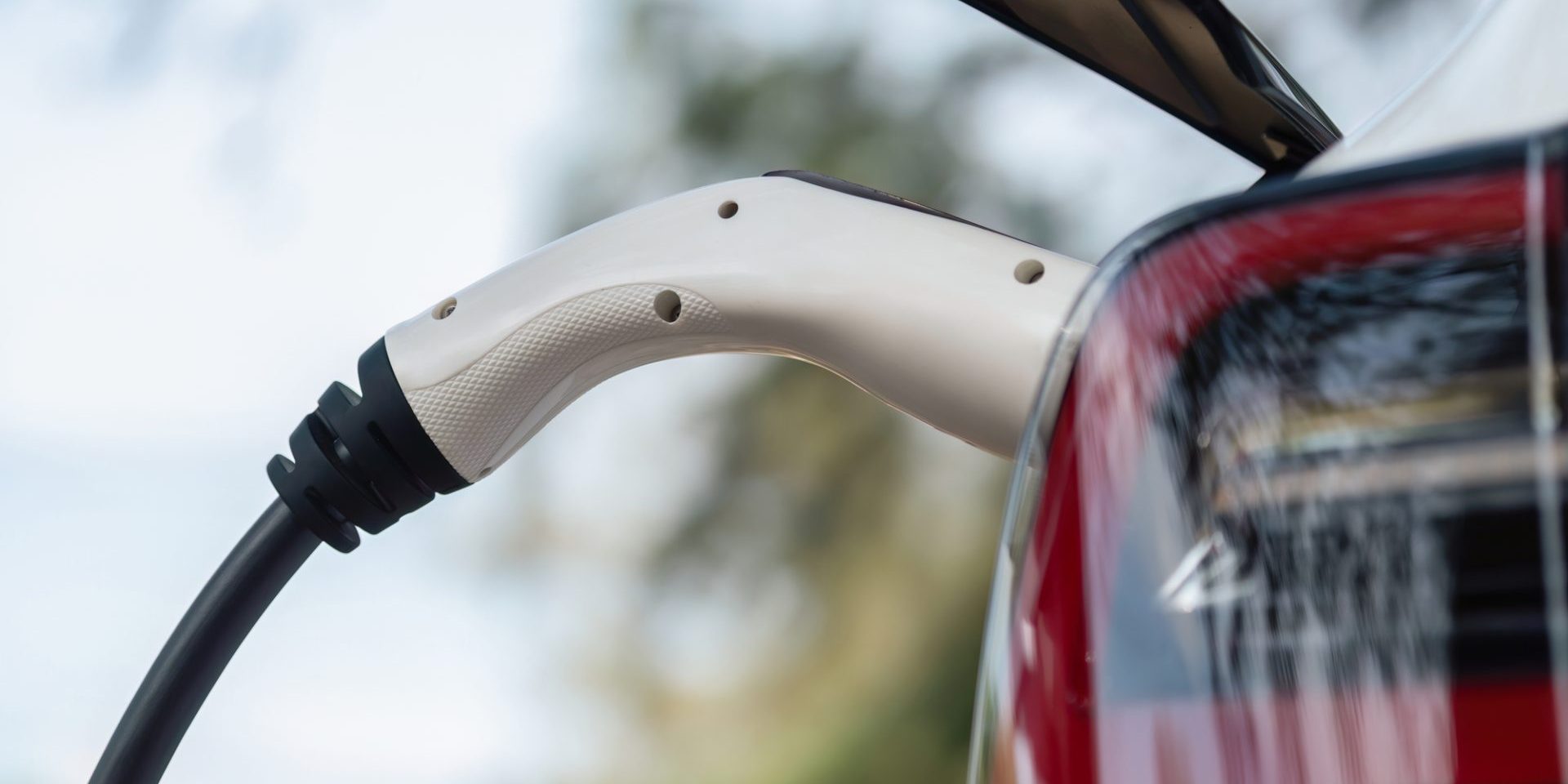

- Average prices at lower powered public chargers have risen 69 percent in real terms from 2021, and prices at higher powered rapid chargers 94 percent.
- Drivers who charge in public pay on average at least twice what drivers with a home charger pay.
- The review’s main fix would let a driver bill a nearby public charger to a home tariff for an access fee, with 200 pounds a year as its example, but it proposes only pilots and sets no date.
The Proposal That Would Let Street Chargers Bill Your Home Tariff
Around a third of drivers have no driveway, and those who drive an electric car depend on public chargers that cost far more than a home socket. The Cost of Public Electric Vehicle Charging Review, published on 28 October 2026 by the Department for Transport, the Department for Energy Security and Net Zero and the Treasury, puts a number on the gap: public charging costs at least twice as much as charging at home.
The review’s chair, Philip New, built his main recommendation around that gap. A driver with no driveway would plug into a standard or standard plus public charger near home, have the electricity billed through their home energy supplier, and pay a regular access fee that reflects what the operator spends installing, running and maintaining the charger. The review gives 200 pounds a year as an example, the cost of a 1,000 pound home charger spread over five years.
Nothing is available to use yet. The review asks government to run pilots, and the scheme needs changes to charger software, supplier software and the settlement codes run by Elexon. The review also warns that, without action, public charging prices are likely to rise, and it expects increases from 2027 if electric car uptake slows or network expansion is undisciplined.
What the Review Found on Prices
The 69 percent figure compares the Competition and Markets Authority’s February 2021 analysis, built on Zapmap data, with the Zapmap Price Index for October 2026. Both are adjusted for inflation. Rapid and ultra-rapid direct current charging rose 94 percent on the same basis.
Zapmap’s September 2026 index shows what public charging at up to 79p means at the charger. The average pay as you go price is 54p per kWh at standard and standard plus chargers, which Zapmap converts to about 16p a mile, and 79p per kWh at rapid and ultra-rapid chargers, about 24p a mile. A driver at home pays far less. The energy price cap sits at around 26p per kWh, and the review notes overnight electric vehicle tariffs can cost as little as 2p a mile.
The review’s own cost per mile table sets out the spread. A driver who mostly charges at home pays an effective 8p to 12p a mile once the cost of buying a charger is included. Standard public chargers alone cost 12p to 16p. A mix of charging powers, which is how most public-reliant drivers charge, costs 17p to 20p, and rapid only costs 24p. Petrol in September 2026 works out at 22p a mile.
Put that over a year of 8,000 miles, an illustration rather than a typical figure. Home charging costs 640 to 960 pounds. A public mix costs 1,360 to 1,600 pounds. Petrol costs 1,760 pounds, and rapid-only charging costs 1,920 pounds, which is more than the petrol car. The review adds that most electric car drivers still save against a petrol car, but that cheaper running costs are no longer a foregone conclusion for those who charge on the public network.
The review also explains why. Chargers sit idle most of the week: average use in 2025 was 3 to 4 percent at rapid and ultra-rapid networks and 3 to 7 percent at standard networks, between 5 and 12 hours a week. Operators pay standing charges for network connections that are 83 to 283 percent higher than in 2021, and the review found very few with positive earnings before interest, tax, depreciation and amortisation. It describes standard chargers as making significant losses on each kWh sold at a 54p average tariff. Public charging also carries 20 percent VAT. Domestic charging carries 5 percent, which the review says has been reduced to 0 percent from October 2026 for a limited period, the zero VAT cut on home power that does not reach public chargers.
How Tariff Porting Would Work
The review calls the idea local tariff porting. A driver would charge at a standard or standard plus alternating current charger, the slower kind found on streets and in residential car parks, and the electricity would appear on their home energy bill. The proposal covers chargers rated below 50kW, which excludes rapid chargers.
Eligibility would be local. The review says councils are best placed to pick the chargers residents could use, and that eligibility could map to existing residential parking permit areas. Access would cover specific nearby chargers, not every charger in the country.
The review says the fee could be paid to the local authority, and it sets the example at a level comparable to the cost a driveway owner already carries for a home charger. It also admits to commercial difficulties, including how porting would interact with existing council and operator concession contracts, which the pilots must work through.
An industry consortium is developing the idea and has been awarded funding for feasibility studies through an Ofgem innovation fund, and the review says similar solutions are already being piloted internationally, including in Germany. It wants a taskforce of central and local government, regulators, consumer groups and industry to agree a delivery timeline with Ofgem and Elexon.
What It Could Save and What Is Missing
The review concludes that its recommendations taken together could be designed to reduce local public charging costs by around 15p to 20p per kWh. Take a driver who covers 8,000 miles a year at an assumed 3.3 miles per kWh. That is 2,424 kWh, which costs 1,309 pounds at Zapmap’s 54p average for standard chargers and 630 pounds at the 26p energy price cap rate. A 15p to 20p cut is worth 364 to 485 pounds a year. The review does not say how much of that comes from porting, which would also carry the access fee. Its stated ambition is to bring kerbside charging costs down to domestic charging costs, including an allowance for the cost of buying and operating a home charger. These numbers are an illustration built on assumed mileage and efficiency, and no real tariff or fee has been set.
The gaps are bigger than the arithmetic. No pilot has a start date, and the review names no pilot area. The fee is an example. The review gives permit areas as one way to decide who qualifies, and sets out no final rule. The review also leaves VAT alone: its terms of reference say it would not make recommendations on tax policy, and public charging stays at 20 percent.
Shane Brennan, chief executive of the trade body ChargeUK, criticised the package for leaving VAT unchanged and for relying on a taskforce. Philip New, chair of the review, wrote: “An EV transition that works only for people with driveways is not a fair or durable transition.”
What Drivers Without a Driveway Can Do Now
Start with the price on the day, not the network’s headline rate. The review says many standard alternating current operators offer cheaper overnight pay as you go prices, and some rapid operators do too, but those usually need an app sign-up. A driver who parks on the street overnight can charge in the cheapest hours.
Compare networks before choosing a habit. Zapmap and Octopus Electroverse both publish live prices, and the review notes that some features sit behind a paywall. Zapmap’s September data shows how far rapid prices vary: Believ charged 66p per kWh, Sainsbury’s Smart Charge 72p, and Tesla Supercharger sites open to all drivers averaged 69p, against a 79p average for rapid and ultra-rapid chargers.
Watch the small print on card payments. The review records pre-authorisation holds of as much as 60 pounds per charge, and chargers that deliver less power than advertised. Check the p/kWh rate shown at the charger, then work out the cost of a full charge yourself. The Public Charge Point Regulations 2023 require operators to display the unit price, and the review suggests showing the cost of a full charge as well.
Ask the council. Local authorities would choose which chargers qualify, so a resident in a permit area can write to the transport or parking team now, asking whether the area is in line for a pilot. The review also notes that cross-pavement charging and home charger sharing apps cut costs for some drivers but pull demand from the public network, which pushes up costs for everyone left on it.
The Other Four Recommendations
The second recommendation is time-limited financial support to cut prices at lower powered chargers, with rules that make operators pass the money on and stop them lifting tariffs before applying a discount. The third asks Ofgem and government to fix the effect of network charge changes that the review says hit chargers built ahead of demand.
The fourth is a certificate trading scheme for renewable electricity used in charging, which the review says could cut operator costs by 3.6p to 10.2p per kWh and add less than 0.4p a litre to petrol and diesel in 2027. The fifth extends grants for battery storage beyond the national road network, where the government already runs a 10 million pound innovation fund.
Taken together, the review says the package could be designed to reduce public charging costs more generally by up to 10p per kWh. It also asks for clearer pricing, including showing the cost of a full charge beside the unit rate, and a central data platform modelled on the government’s Fuel Finder.
Want more car content? Add us as a preferred source on Google to your favourites list for the best automotive news and analysis on the internet.
If you enjoyed this article, be sure to follow us on Microsoft Start.

Leave a Comment
More in News
South Essex Drivers Got 56,805 Parking Tickets, Up 18.5 Percent, Leaving a £287,929 Surplus

Every Driver Who Fails to Give Way at a Zebra Crossing Risks 3 Points

What Every Driver Who Vapes Risks: Up to 9 Penalty Points and a Fine

GM Will Pay $220 Million to Settle Claims It Sold Driver Data to Insurers

How to Service Your Car at an Independent Garage Without Voiding the Warranty
Trending on Motoring Chronicle
2027 Kia Sportage X-Line Adds Standard Sunroof, Base Price Starts at $28,990

Mazda Foundation Awards $586,361 in 2026 Grants

2027 Subaru Crosstrek Pricing Holds at $26,995 With No Increase From Last Year

Vibrant in Violette – a hue from Bentley’s past
