
Your Car Cranks Slowly in the Cold? Test the Battery Before It Fails


- A slow crank on a cold morning is often the only warning a battery gives before it fails completely.
- Expect three to five years from a battery in a petrol or diesel car, then a replacement from about £100 ($134) for a standard one.
- Get the battery tested this week if the engine turns over slowly and the battery is three years old or more.
A Slow Crank Is the Only Warning Many Batteries Give
Get the battery tested. If the engine takes longer than usual to turn over and the battery is past its third birthday, book a test this week and do not wait for the first dead morning. A failing battery often gives only one or two warnings before it dies completely, and a lazy start is the first of them.
A slow crank on a battery under three years old is worth a look at the terminals, your trip pattern and the charging system before you buy anything. A slow crank on a battery between three and five years old sits inside the usual lifespan of a petrol or diesel car battery, so it is the point to test it and have a replacement price in your pocket.
Battery failure is one of the most common reasons drivers call for help. UK breakdown recovery data puts about 18 to 19 percent of annual call-outs down to it, ahead of tyre faults and alternator problems.
What Cold Does to a Battery (and Why Short Trips Make It Worse)
A battery stores energy through a chemical reaction, and cold slows that reaction down. The battery delivers less power just when the engine needs a strong start. A battery that coped with a mild October can fall short on the first frosty morning of the winter, which is why the same car that started fine for months suddenly cranks slowly in November.
Short journeys make the problem worse. The alternator needs time to put back the charge the starter took out, and short journeys do not give it enough. Run a car on school runs and quick shopping trips and the battery gets no chance to return to its previous charge. Longer drives let the alternator catch up, and if your car does mostly short hops, an external battery charger is a sensible fix, and our guide to charging your car battery is worth reading before you buy one.
Parking is the other drain. A car left parked for weeks loses about 1 percent of its battery charge a day, so a fortnight on the drive in a cold snap takes a real bite out of the reserve. Cars carry plenty of drains of their own as well. Lights and heaters are the biggest, and anything plugged into a USB or 12 volt socket keeps pulling power. Interior lights left on overnight drain it too. If you have a garage, use it: warmer air is kinder to a battery.
Extreme heat does damage too, through faster corrosion inside the battery, Cheaper batteries tend to wear faster than higher quality or heavy duty ones, and loose or unsecured batteries suffer from vibration.
The Signs, Ranked by How Urgent They Are
Ten signs point to a dying battery. They fall into three levels of urgency.
Act this week: a slow crank, dim or flickering headlights (especially at idle), and electrics that misbehave, such as slow windows, a weak radio or heated seats that feel half hearted. A weak battery can also push extra strain onto the alternator, which turns a cheap fix into a dearer one. Treat these three as the signal that a test is due.
Act today: a clicking noise when you turn the key, which means the battery cannot supply the current to turn the engine over. Jump start the car and book a replacement as soon as you can. The same goes for needing a jump start more than once. A single jump after lights were left on overnight is usually nothing to worry about, but repeat jumps are a bad sign for the battery itself.
Stop and look: blue, white or green crust around the terminals, a swollen or bloated case, and a smell of rotten eggs. A swollen case comes from excess heat and pressure. The sulphur smell means the battery is leaking or overcharging and has very likely reached the end of its life. Do not leave a battery in that state to see how the week goes.
The tenth sign is age. Under normal conditions a battery lasts between three and five years, and replacing it every three years is a sound rule of thumb if your driving is mostly short trips.
What a Battery Light Can Really Mean
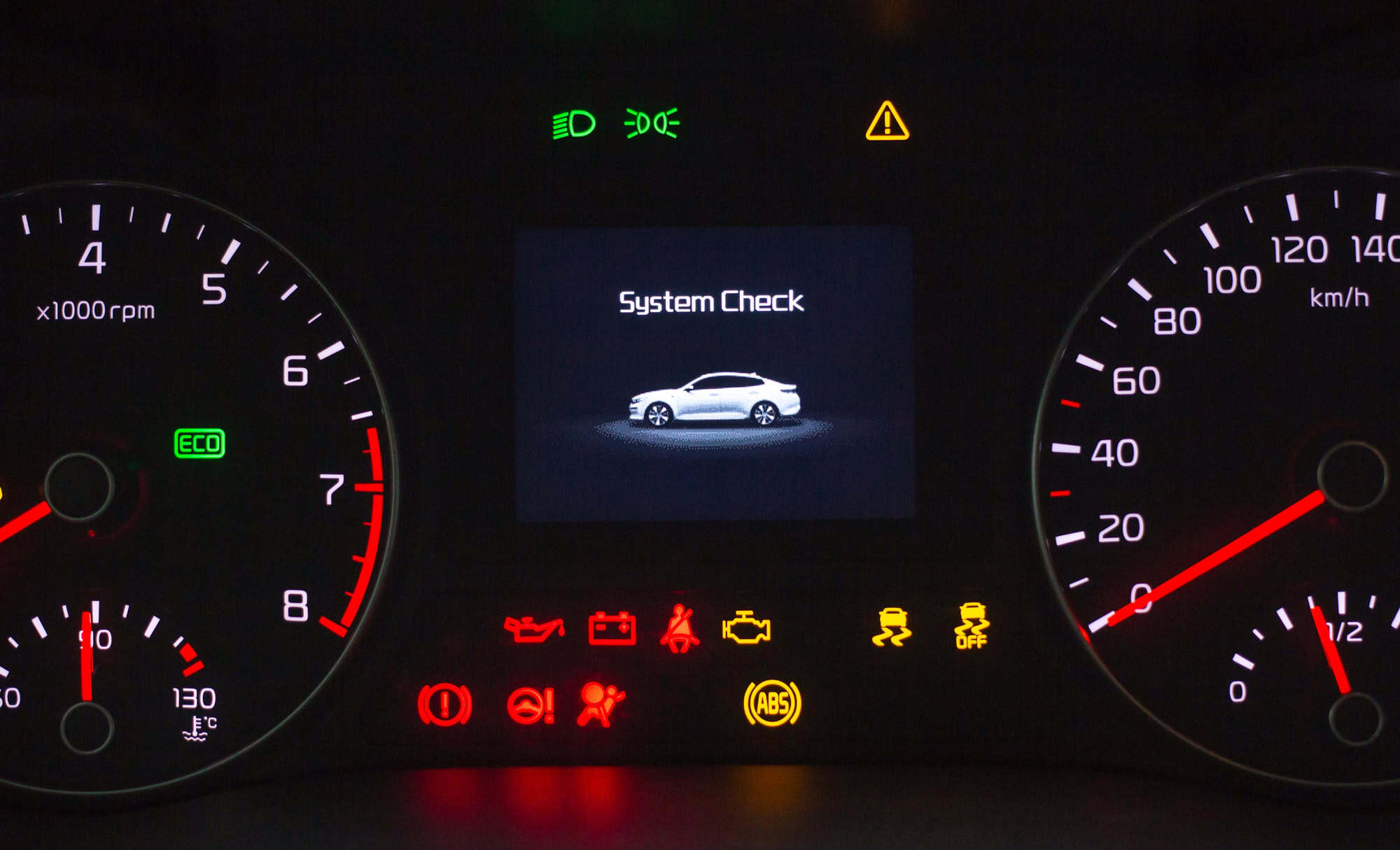
A battery symbol on the dashboard does not always mean the battery is finished. Three causes are possible: a loose starter terminal, a failing alternator or damaged cabling. A light that stays lit as you drive points to the alternator belt, the part that charges the battery on the move, and that needs attention quickly: a faulty charging system can strand you whether the battery is new or old.
That changes what you do next. If the light comes on with the engine running, a new battery will not cure it, and fitting one without finding the fault can leave the new battery undercharged. If the light shows up at the same time as a slow crank, get the battery and the charging system tested together. A garage visit can check the battery and the charging system in one go, and the visual check is free: lift the bonnet, look at the terminals and check they are tight and clean of crust.
Do the check every time you open the bonnet, and ask a professional to look at the alternator, starting system and charging system if you are worried. A fault in any of them can leave a battery overcharged, undercharged or not charged at all, and each of those shortens its life.
What a Replacement Costs
In the UK a replacement battery typically costs between £100 and £400 ($134 to $536), the car repair company Bumper finds. The price depends on the battery type, the car you drive and where the work is done. A standard lead acid battery starts at around £100 ($134). AGM and EFB batteries cost between £150 and £400 ($201 to $536), and cars with start-stop systems or heavy electrical demands often need them. If your car stops its engine at traffic lights, check the handbook before you buy, and our explainer on how start-stop technology affects your engine shows why.
Where you buy moves the price. Insurance company Nimblefins puts the average cost of a conventional battery with fitting at a high street chain such as Halfords at £162 ($217), at an independent workshop at £193 ($259) and at a main dealer at £278 ($373). For a car with start-stop technology the same three routes cost £236 ($316), £257 ($344) and £460 ($616). A conventional battery bought on its own costs from £50 to £150 ($67 to $201), but you still pay for fitting. Halfords says its fitting prices start from £35 ($47) and that its technicians give a no obligation quote for the battery before any work starts.
The cheapest route is not always the cheapest outcome. Halfords batteries come with a one, three, four or five year guarantee, and if one fails Halfords tests it and replaces it free if necessary. Ask what guarantee any battery carries before you pay.
You can fit a battery yourself with a 10mm socket or spanner and 30 to 60 minutes, provided it is easy to reach. Take the black negative lead off first and the red positive lead second, clean the terminals, then fit the new battery and reconnect in the opposite order. Wear gloves and eye protection, work somewhere ventilated and keep metal tools away from the terminals to avoid sparks. Check the size and type against the handbook: the wrong battery can damage the electrical system, overload the alternator or create a fire risk if it short circuits. If it sits somewhere awkward, pay a garage.
Waiting costs money too. An old or weak battery makes the alternator work harder, so it can overheat and wear out sooner, and voltage swings can harm sensitive electronics.
What to Do If It Fails Today
If the engine will not start, stop trying. A battery will not recover charge by being cranked, and completely flattening it damages it. In a manual car, press the clutch pedal down when you turn the key, which reduces the effort needed to start and takes some load off the battery.
Make the car safe before you do anything else. If it has died next to a junction, move it to a safer place first, pushing it if you have to. Hazard lights can fail on a flat battery, so put a warning triangle at least 45 metres (147 feet) behind the car on the same side of the road. Never use a triangle on a motorway.
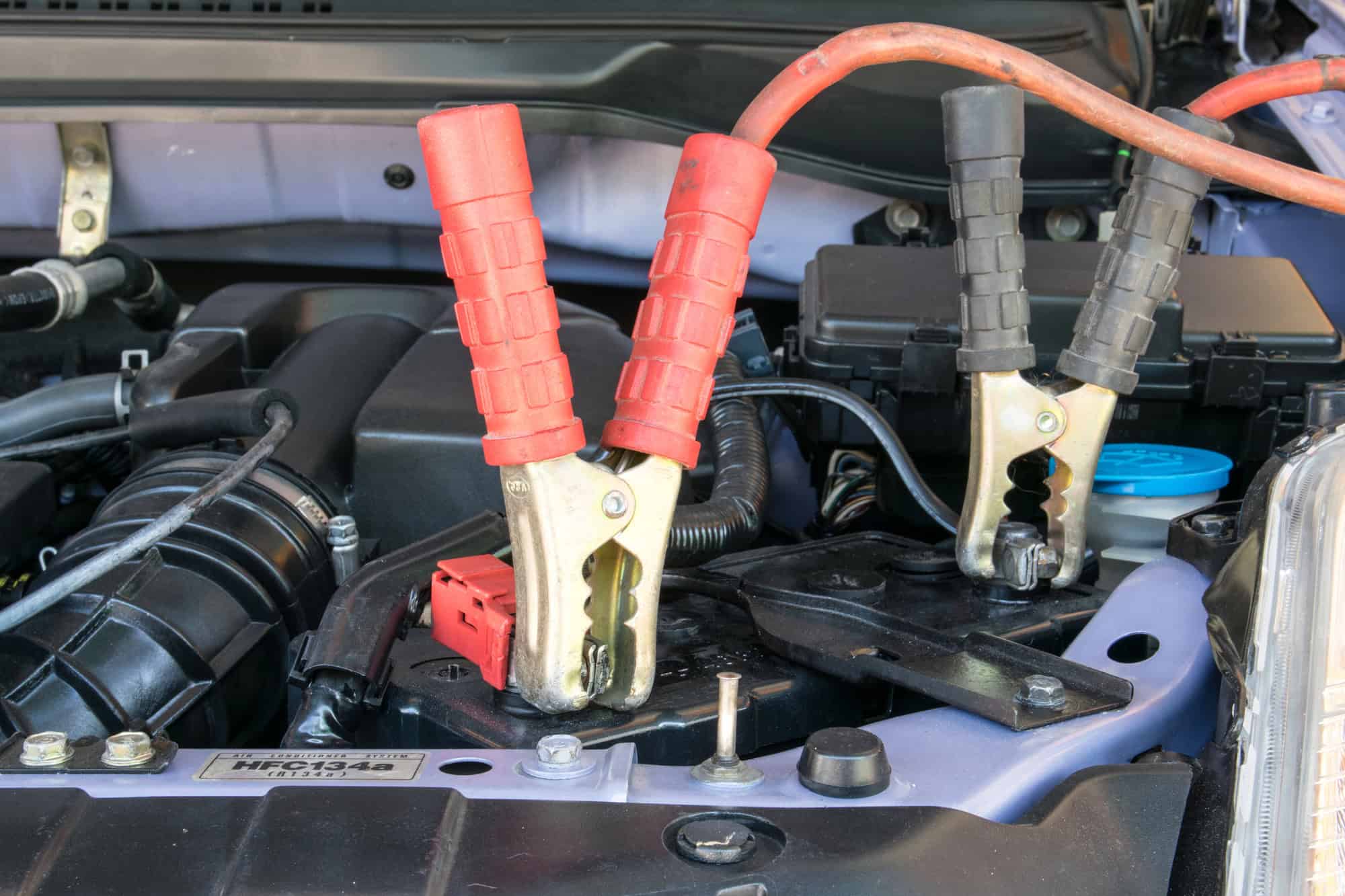
Then get it running. Jump leads and a second car work, and so does a compact booster pack, which needs no second car and is worth keeping in the boot from now until spring. Our guide to jump starting a car safely covers the leads step by step.
Once the engine runs, drive for at least 20 to 30 minutes to put some charge back, then have the battery and the charging system tested at a garage. If the test shows the battery is faulty or old, replace it that week. If jump starting does not work or you are unsure, call roadside assistance or a mechanic rather than trying again and again.
The simple plan for cold mornings is this. Note how fast the engine turns over this week. If it is slower than it was in the summer, and the battery is three years old or more, get it tested before the next hard frost. The replacement is a planned purchase with a price you chose, not a tow truck bill on a dark morning.
Want more car content? Add us as a preferred source on Google to your favourites list for the best automotive news and analysis on the internet.
If you enjoyed this article, be sure to follow us on Microsoft Start.
Sources
- The Highway Code: Breakdowns and incidents (rules 274 to 287)
- Start Rescue: Signs your car battery is about to die
- Carwow: How often should you replace your car battery?
- Halfords: Signs your car battery is about to die
Reviewed by Preetam Gadekar

Leave a Comment
More in News
Older Drivers on Codeine or Diazepam Risk a 1 Year Ban If Impaired

What Amber Flashing Motorway Signs Mean Under Highway Code Rule 257 for Every Driver
Queensland Street Racing Bill Plans 7 Years’ Jail and 1-Year Licence Ban
Honda Recalls 528 Civic, HR-V and ZR-V Cars Over Flat Battery Fault

Texas Registration Renewals Need Proof of Legal Status From Jan. 1, 2027
Trending on Motoring Chronicle

UK Councils Fined Drivers £37.7 Million for Bus Lane Mistakes in Six Months

2001 Volkswagen Polo E Crowned 2026 Champion At Biggest Ever Hagerty Festival of the Unexceptional

Nissan GB gives the mighty Micra 350SR a restomod refresh for its 23rd birthday [Photo Gallery]

Arlington County Plans to Nearly Double Its EV Charging Rates for Drivers
