How to Drive on Ice and Snow (Keep Up to Ten Times the Gap)


- Pull away gently in the highest gear that works, then brake and accelerate as softly as you can.
- The Highway Code sets a two-second gap behind the car in front on fast roads and allows up to ten times that on ice, which is 20 seconds.
- Rule 228 says to stay home in icy or snowy weather unless the trip is essential, and to carry de-icer, a scraper, a torch, warm clothing and boots, a first aid kit, jump leads, a shovel, a warm drink and emergency food.
Your First Gentle Brake Tells You How Much Grip You Have
The method is the same on a frosty lane and a snowy A-road: slow down, pick a high gear, keep every input small, and test the surface before you need it. Find a safe stretch with nobody close behind, brake gently and feel what the car does. The Highway Code (Rule 231) says unresponsive steering can signal ice and a car losing its grip. It adds a clue for the ears: on ice the tyres make virtually no noise, so a road that has gone silent underneath you has turned slippery.
Setting off is the first test. The Met Office advises accelerating gently with low revs and trying second gear to pull away, which helps the car avoid skidding. The same guidance warns against braking suddenly in snow, which can lock the wheels.
One habit decides how the whole drive goes. If you had to scrape ice from the car before you left, assume the road is in the same state. A scraped screen is a forecast: lower speed from the first junction and leave more room. The surface outside the drive is rarely better than the one on your glass. Rule 229 makes the scraping itself a legal duty: you MUST be able to see, so every window needs clearing of snow and ice, the lights need to be clean and the number plates legible. The mirrors need clearing and the windows demisting, and any snow sitting on the roof has to come off before it slides into the path of the driver behind. The guide to de-icing a windscreen covers the quickest way to clear the glass.
Speed, Gear and Bends: Everything Gets Slower and Softer
Rule 231 asks for a slow speed in the highest gear the car will pull cleanly, with gentle acceleration and gentle braking. Higher gears help traction, and fine throttle control helps grip. Sudden actions are what cause a loss of control, and the rule says so directly: avoid them.
Loss of control is more likely on bends, and the Highway Code spells out a sequence. Do the braking on the straight before the corner, progressively. With the speed already down, steer smoothly round and keep the throttle quiet.
Drivetrain changes the odds. Four-wheel drive gives more grip but cannot beat the laws of physics, and front-wheel drive copes better than rear-wheel drive. In extreme winter conditions, a rear-wheel-drive owner might leave the car at home and make other travel arrangements.
The Gap Behind the Car in Front: 20 Seconds Instead of Two
The Highway Code puts numbers on the space you need. Rule 126 sets a floor of two seconds on fast roads. Wet tarmac calls for at least twice that, and ice for as much as ten times it. That is four seconds when it rains and 20 seconds on ice. Rule 230 gives the reason: a stop on ice can take ten times the distance it takes on a dry road.
Translate that into road length. At 30 mph a car covers about 13.4 metres every second, so a two-second gap is about 27 metres. A 20-second gap at the same speed is about 270 metres, which is a long stretch of road to leave empty. Few drivers will hold that exact figure, and the rule says “up to”, so the sensible reading is to keep stretching the gap until the car in front is a long way off and your own braking has room to fail gently.
Measure the gap the way the Highway Code does, by picking a fixed point such as a road sign and counting the seconds between the car ahead passing it and you passing it. Tailgating is the opposite: the gap is too small to stop safely if the car ahead brakes. Dangerous and careless driving offences of that kind are enforced by the police, and on an icy road the margin for error is smaller than the gap most drivers leave in the dry.
The brakes behave differently as well. Anti-lock braking on slick ice or packed snow does not give the stopping and steering advantage it gives on a dry road. The tyres have nothing to grip, and that disables the normal effectiveness of the system. The answer is to brake much earlier and much more smoothly, and to use engine braking to shed speed where possible. Ease off the accelerator, let the engine slow the car, and add the brake pedal in small, patient amounts. Braking distances in snow and ice run far beyond what most drivers expect, which is why the gap has to grow.
Black Ice, Shaded Corners and Hills
Black ice is difficult to see on the road, which is why it is called invisible ice. On it, even 10 mph can be unsafe. If you hit ice, the first thing you notice is the steering suddenly going light.
Look for the places that thaw last. Roads shaded by trees, bridges and buildings stay frozen after the open stretch before them has cleared, so a dry road can turn icy at the bottom of a cutting or under a railway bridge. Rule 230 warns that conditions can change over relatively short distances, and the rule adds that treated roads still call for care. Be careful when overtaking gritters spreading salt or other de-icer. Do not overtake a snowplough unless the lane you want has been cleared. Ploughs can throw snow out on either side.
Hills need a decision before the first metre. Heading down an icy gradient at speed turns frightening quickly, and committing to the descent calls for a hard look at whether the trip is worth the risk. The answer will probably be no. Engine braking is the tool for losing speed smoothly.
When the car does slide, the response is small. With traction support systems, too much speed that ends in a skid is easily managed by coming off the accelerator, which generally removes the cause. If the rear wheels slide and lose traction, steer into the skid. Never snatch at the steering wheel or use the brakes or accelerator abruptly. Smoother is always safer. If the car slides at 10 mph, drive at 5 mph instead. Smooth inputs are the whole technique.
What to Carry and What to Check Before the Cold Arrives
Rule 228 starts with the forecast. In winter, check the local weather for warnings of ice or snow, and do not drive in those conditions unless the trip is essential. If it is, allow more time and take great care. The kit it lists is de-icer and a scraper, a torch, warm clothes and boots, a first aid kit, jump leads, a shovel, a warm drink and emergency food, all there for the day the car sticks in a drift or breaks down. Rule 229 adds a route check before leaving, looking for delays and for more snow or severe weather in the forecast. Rule 230 tells drivers to listen to travel bulletins and watch the variable message signs for news of the road ahead.
The car needs as much attention as the kit. Annex 6 of the Highway Code sets the standard. Cars need at least 1.6 mm of tread across the central three-quarters of the breadth and around the entire circumference, and the tyres must be inflated to the maker’s specification for the load. The Met Office adds that the spare deserves the same check, and that replacing tyres before they reach the legal limit is worth thinking about. Anyone who drives in snow often can read up on what winter tyres actually do before the first hard frost.
Pressure needs checking weekly, with the tyres cold. A warm or hot tyre gives a misleading reading. Under-inflated and over-inflated tyres both hurt braking and steering, and cold nights drop pressure on their own, a pattern explained in the guide on why tyre pressure drops overnight in winter. Annex 6 also asks for two jobs before winter: a well-maintained battery, and anti-freeze agents in both the radiator and the windscreen bottle.
Put together, a safe winter drive is a short list. Check the forecast, clear every window, test the grip early, pull away in a high gear, stay slow on bends, brake before the corner and keep a gap that can stretch to 20 seconds.
Want more car content? Add us as a preferred source on Google to your favourites list for the best automotive news and analysis on the internet.
If you enjoyed this article, be sure to follow us on Microsoft Start.
Sources
- GOV.UK, Department for Transport: The Highway Code, Driving in adverse weather conditions (226 to 237)
- GOV.UK, Department for Transport: The Highway Code, General rules, techniques and advice for all drivers and riders (103 to 158)
- GOV.UK, Department for Transport: The Highway Code, Annex 6, Vehicle maintenance, safety and security
- evo: Winter driving tips, how to drive in snow, ice, rain and fog
Reviewed by Preetam Gadekar

Leave a Comment
More in News
Hyundai Sonata Plug-In Owners Can Claim $10 a Day for Battery Delays

36,994 Lincoln Navigators Can Move the Front Passenger Seat on Their Own

Every Driver Wrongly Fined by One Council From 2020 Can Reclaim Up to £50

Plate Buyers Paid DVLA £163 Million as 1.39 Million Calls Were Abandoned
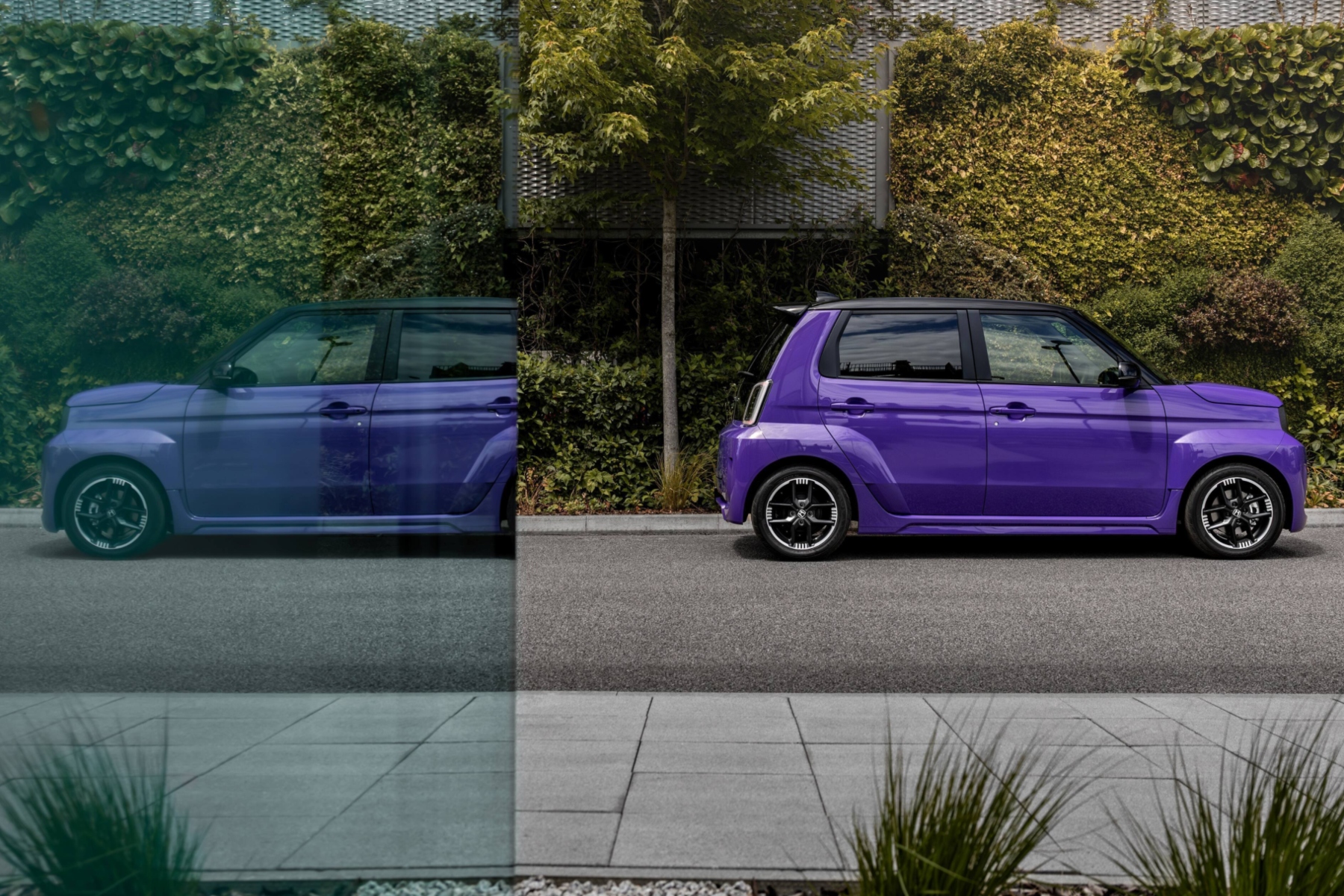
Honda Super-N review: Pocket rocket city EV with serious smiles per mile
Trending on Motoring Chronicle
Why Portland Now Charges $2 for Every Uber and Lyft Ride

Two Million Electric Cars Are Now On UK Roads But Sales Are Still Falling Short Of What The Government Demands

2027 Dodge Charger Super Bee Launch Edition Debuts With 600 Horsepower
Why Your Steering Wheel Vibrates at Highway Speeds