
What Winter Tyres Actually Do for UK Drivers (and Whether You Need Them)
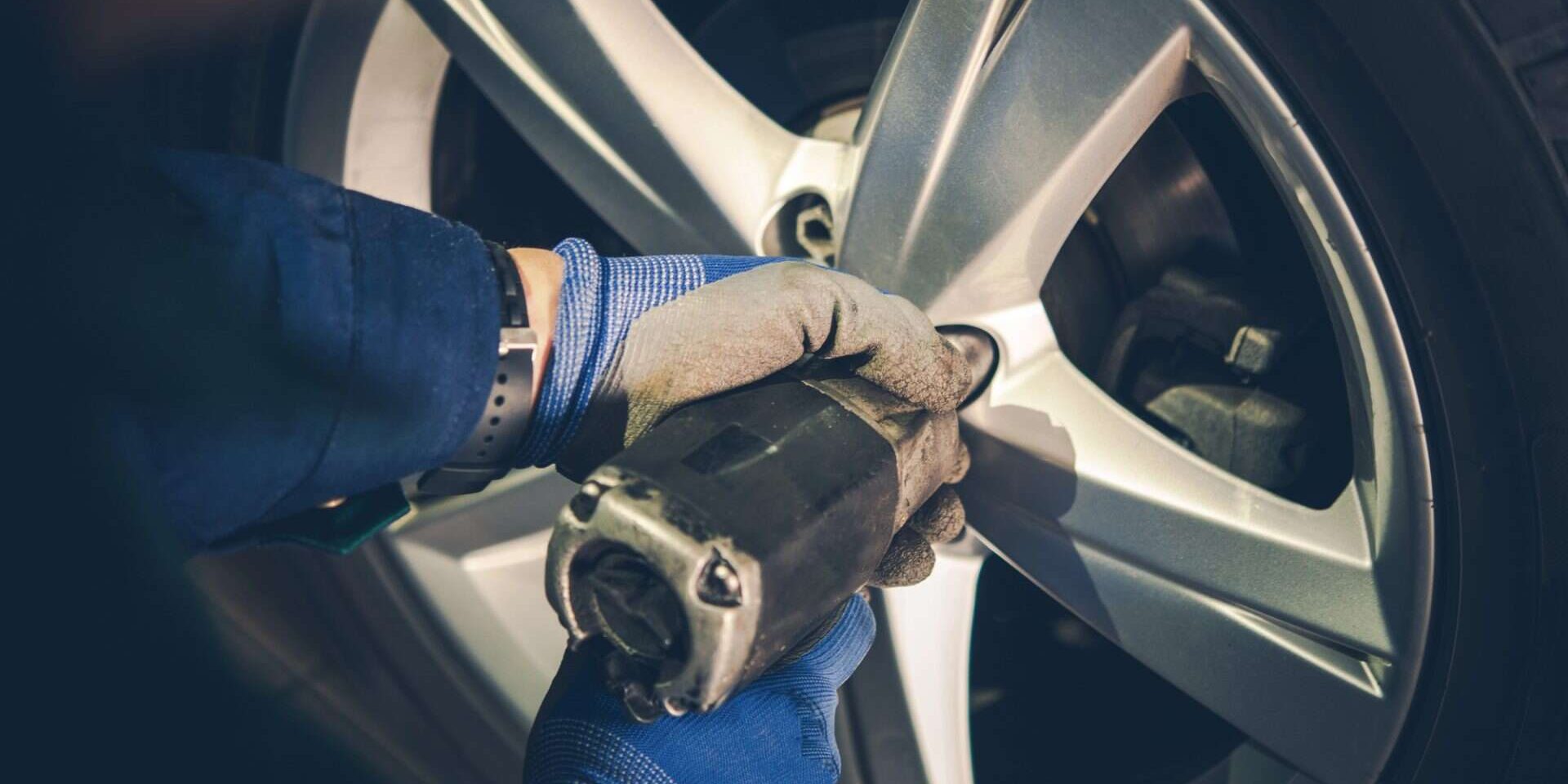
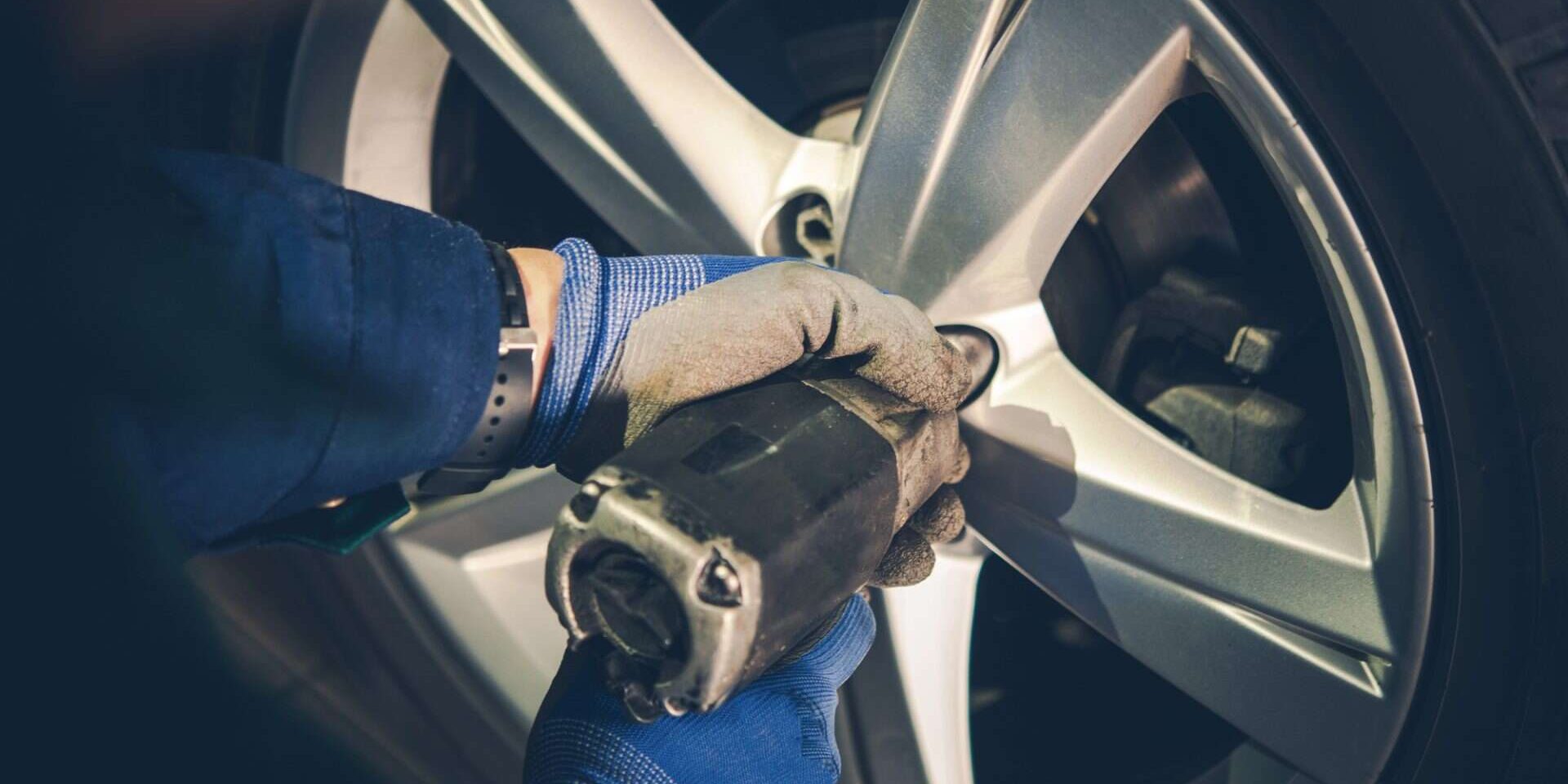
- Winter tyres are not a legal requirement in the UK, but they grip and stop better once the temperature falls to 7°C and below, which covers much of the British winter.
- A set of four 16-inch winter tyres costs around £500 ($650) before fitting, and your summer tyres last longer while the winter set does the cold-weather work.
- Most insurers do not charge extra for roadworthy winter tyres, and an MOT tester does not fail a car for having them fitted.
Winter Tyres Are Not Compulsory in the UK, but They Grip Better Below 7°C
Winter tyres are not a legal requirement in the UK, and most drivers get through the colder months on ordinary tyres. What winter tyres offer is better grip once the temperature falls to 7°C and below, which is the threshold the RAC, Traffic Scotland and Drive all give. If your commute includes untreated country lanes, steep hills or a frosty start most mornings, they are worth pricing up now. Drive suggests fitting them around October or November and switching back around March or April, so the booking window is open.
If you drive mostly on gritted main roads, can delay a trip when snow arrives and live somewhere mild, a good set of summer or all-season tyres with plenty of tread will usually do. The rest of this guide helps you work out which group you belong to, with the numbers, the costs and the legal position in one place.
Why 7°C Is the Number That Decides It
Summer tyres are the standard fit on most UK cars, and Drive says they suit the warmer conditions Britain sees for most of the year. Winter tyres use a softer rubber compound with more silica, plus extra tread grooves and narrow cuts called sipes. The softer compound is built to stay flexible in the cold, which is the point of the design. The RAC says winter tyres outperform summer tyres for traction, cornering and braking below 7°C, with or without snow or ice.
The RAC quotes Tyresafe stopping distances that show how the advantage flips with temperature. At 20°C, a car on summer tyres stops in 65.3 metres and one on winter tyres needs 67 metres, so winter tyres are slightly worse in warm weather. At 5°C, summer tyres need 70.5 metres and winter tyres need 65.7 metres. That is a gap of 4.8 metres, which can decide whether you stop short of a junction or slide into it.
On snow the difference grows. The RAC says a two-wheel-drive car on winter tyres is considered safer than a 4×4 on summer tyres. Traffic Scotland goes further and says winter tyres can reduce stopping distance for private cars by up to 40%. Treat that as the best case on snow and ice rather than the typical result on a cold, wet A-road, where the Tyresafe figures above are the more realistic guide.
No tyre cancels out the basic physics of winter. Rule 230 of the Highway Code on GOV.UK warns that stopping distances in icy weather can be ten times greater than on dry roads, and tells drivers to keep well back from the vehicle in front. Winter tyres shorten the distance. They do not make it short.
What Winter Tyres Cost, and What You Save on Summer Tyres
Drive puts 16-inch winter tyres at around £125 each ($163), which makes a set of four around £500 ($650) before fitting and balancing. Larger SUV tyres at 21 inches run around £250 each ($325) or more. Drive lists the other costs as fitting and balancing, storage, a second set of wheels, tyre pressure sensors and the twice-yearly changeover.
The RAC says winter tyres cost slightly more on average than an equivalent summer tyre, and that summer tyres last longer when a winter set shares the year with them. It describes the long-term cost as relatively low, with wear spread across two sets instead of one. If you have nowhere to keep the spare set, the RAC says some tyre centres charge £7.50 or more per tyre per season ($9.75), which is around £30 ($39) for four.
A second set of wheels makes each changeover quicker and avoids swapping tyres on one set of rims twice a year, but it adds to the upfront bill. For most drivers the sums come down to mileage. A car that covers 5,000 miles a year in a mild area will take a long time to repay the outlay. A car that does 15,000 miles a year on exposed rural roads will not.
Who Actually Needs Them
Traffic Scotland states there is no legal requirement to use winter tyres and says many drivers in central Scotland might not need them, while they can be necessary in the Highlands and rural areas. The same logic applies south of the border. A driver in a city centre with gritted roads has a different risk from one who lives at the top of a hill in the Peak District.
A fair test has three parts. Do you drive early or late, when roads have not been treated yet? Does your route include hills, lanes or villages that are gritted last or not at all? Could you realistically stay at home when snow arrives? If the answers are yes, yes and no, winter tyres earn their cost. If they are no, no and yes, you can probably save the money.
Whatever you choose, the basic legal rules still apply. Drive says tyres must have the correct load and speed ratings, be free from damage and have at least 1.6mm of tread depth. Winter tyres worn to the limit lose most of the grip you paid for, so replace them well before that point.
How to Spot Them, and What to Do on a Snowy Day
Look at the sidewall. The RAC says winter tyres carry the M+S marking and the three-peak mountain snowflake symbol, known as 3PMSF. The RAC calls both industry standards, so check for them when you shop, and ask the fitter which of the two a given tyre carries.
The Highway Code sets out how to drive when the weather turns. Rule 228 tells drivers to check the local forecast for warnings of ice or snow and not to drive in those conditions unless the trip is essential. Rule 229 says you must be able to see, so clear all snow and ice from every window and remove snow that could fall off into the path of other road users. Rule 231 tells drivers to accelerate and brake very gently. Winter tyres help, but they work best with smooth inputs.
Edge Cases: All-Season Tyres, Snow Socks, Insurance and Holidays Abroad
All-season tyres avoid the twice-yearly swap, but Drive calls them a compromise. They are not as strong as winter tyres in snow or as sharp as summer tyres in warm weather. For a driver with modest mileage in a mild area, that compromise can be enough, and the tyres need no storage space.
Snow socks and chains are the other alternatives. The RAC describes snow socks as fabric covers fitted over the driven wheels, and chains as steel, harder-wearing and harder to fit. Chains generally need to come off on clear roads, as they can damage the road and the tyres. Neither is a direct substitute for winter tyres, as neither can be used on snow-free roads.
Insurance is a common worry. The RAC says fitting winter tyres should not affect your policy, but advises checking with your provider. Drive cites the Association of British Insurers and says most insurers do not charge extra for winter tyres that are roadworthy and fitted to the manufacturer’s instructions, and that most do not charge an administration fee. You can ask your insurer to confirm in writing. Drive also says an MOT tester does not fail a car just for having winter tyres fitted.
Holiday plans can change the answer. Drive says Germany requires suitable winter or all-season tyres in wintry conditions such as black ice, packed snow, slush or slippery frost. It adds that Austria requires cars and vans up to 3.5 tonnes to be winter-equipped between 1 November and 15 April. If you are driving to the Alps this winter, check the rules for your route before you leave.
Finally, take the winter set off when the weather turns warm. Traffic Scotland does not recommend using winter tyres in summer, saying they wear down quickly, and Drive says they feel less precise in warm weather. That is why the RAC and Drive both point to a changeover around March or April.
The choice comes down to the temperature, your roads and your mileage. Below 7°C on untreated roads, winter tyres shorten your stopping distance and give the car more grip when it needs it. Above 7°C on gritted main roads, they bring little extra and cost more. Price a set now, ask your fitter about storage, and decide before the first frost makes the decision for you.
Sources

Leave a Comment
More in News

Renewing Car Insurance on the Day Cover Ends Costs Drivers £331 More, MoneySupermarket Shows

Every Driver Faces £500 Seatbelt Fines as AI Cameras Flag 19,145 Possible Offences

How to Remove Moisture From Inside Your Headlight Before It Costs You £500
What Red and Amber Warning Lights Actually Mean (and Which Fail an MOT)

How to De-Ice Your Windscreen Fast Without Cracking It (and Staying Legal)
Trending on Motoring Chronicle
Every Driver Risks a £1,000 Fine When Councils Fail to Cut Back Hedges

Automobili Lamborghini Debuts Temerario Twin-Turbo V8 Hybrid in Canada [Photo Gallery]

Average Used Car Price Tops $30,000 for the First Time Since 2023

Honda Prelude Gets Limited Edition Colour Scheme for Europe
