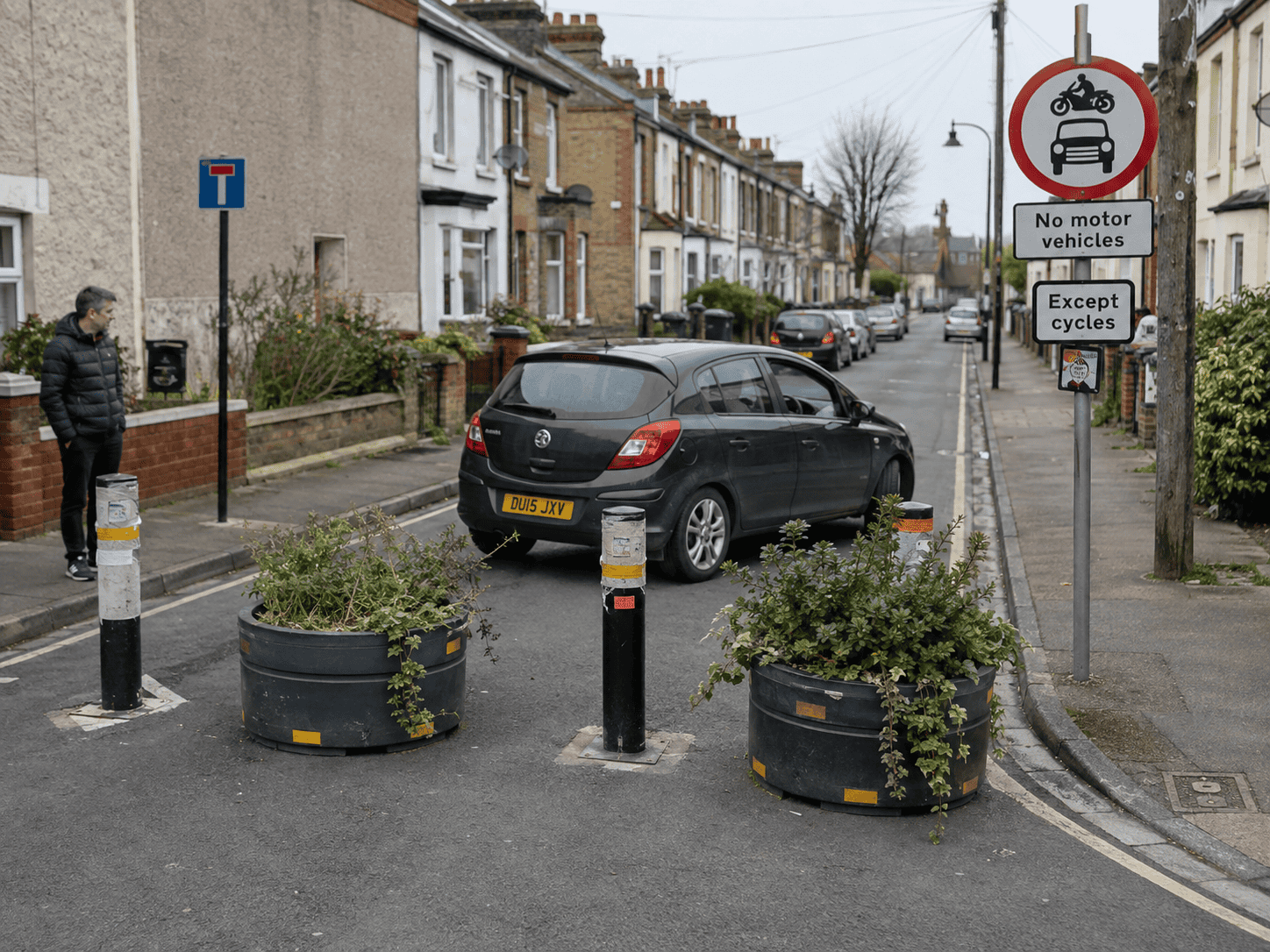
How Long Beach’s New Speed Cameras Will Fine Drivers Starting This Fall


Drivers who cut through Long Beach’s most dangerous streets are about to face a much more expensive consequence. The city is installing 18 automated speed cameras this month under a state pilot program, with warning notices starting in October and real fines, up to $500 a ticket, arriving by December.
Where the Cameras Are Going, and Why Those Spots
Long Beach picked its 18 camera locations using crash data, street-racing complaints and school zone boundaries rather than at random. Under the state law authorizing the program, a location had to sit inside a federally designated safety corridor, inside a school zone, or in an area that racked up four or more enforcement calls within the past two years. Long Beach Boulevard alone will get cameras at three separate points for three separate reasons: one stretch between East San Antonio Drive and 45th Street qualified as a high-injury corridor and a busy truck route, a second between Victoria Street and Market Street qualified for its street-racing history though it sits in a school zone, and a third covering Artesia Boulevard to 70th Street has the highest street-racing rate in the city, according to city officials. The exact locations for all 18 cameras have not been made public yet, but the city has said Artesia Boulevard and Long Beach Boulevard will both host multiple devices.
Public Works Director Josh Hickman said drivers will get plenty of notice before entering an enforcement zone. Warning signs reading “Photo Enforced” will sit within 500 feet of each pole-mounted camera, with additional signage placed farther back to give drivers time to slow down before they reach the device.
The Timeline: Hardware This Month, Warnings in October, Fines in December
Long Beach’s Speed Safety System rollout runs on a specific schedule. This month, crews are installing the final LED speed feedback signs and camera hardware, trimming trees that block sightlines to the devices, and running paid public-awareness ads across bus shelters, local media and social media. In September, the city will fine-tune the software and street infrastructure. A mandatory 60-day public warning period begins no later than October 4; drivers caught speeding in that window will receive a notice but no fine. Actual citations begin no later than December 3.
Once real enforcement starts, a driver has to be going at least 11 mph over the posted limit to trigger a ticket. Fines then scale with speed, starting at $50 and climbing as high as $500 for drivers caught going 100 mph. The city allows tickets to be paid, negotiated down by as much as 80 percent based on income, or swapped for community service. The citations are civil infractions rather than criminal moving violations, so they carry no points and, according to city officials, will not appear on a driver’s record or get reported to an insurance company.
Why Long Beach Is Doing This Now
The push for cameras follows a sharp rise in road deaths. Long Beach has already recorded 55 traffic fatalities this year, a total that has outpaced the city’s homicide count and already exceeds last year’s total of 36 people killed in crashes. Erin Hoops, with the street-safety advocacy group Carlite Long Beach, called 2026 the city’s deadliest year on the roads in more than three decades. A 2025 report from the Southern California Association of Governments found more than 400 people were killed and roughly 40,000 injured in Long Beach traffic collisions between 2014 and 2024, and city data shows speed was a factor in about a quarter of the nearly 3,000 injury crashes recorded in 2024 alone.
Long Beach is one of six California cities, including Los Angeles and Glendale, authorized under Assembly Bill 645 to run a five-year speed camera pilot that expires by law on January 1, 2032. The pilot has moved slowly after state lawmakers signed off on it in 2023: so far, only San Francisco has actually turned its cameras on, while the other participating cities, Long Beach included, have spent years on planning, procurement and public engagement. Los Angeles has separately approved 125 camera locations of its own under the same program, giving Southern California two of the largest automated speed enforcement rollouts in the country running at the same time.
City officials have set a specific benchmark for judging whether the program works: a 20 percent reduction in excessive speeding or repeat offenses at the chosen locations. If Long Beach hits that mark, City Council members have said they intend to push state legislators for authority to add cameras along nearby state roads, including Pacific Coast Highway. Separate legislation signed in October already gives Caltrans authority to install 35 cameras targeting speeders in construction and maintenance zones along PCH, a program that runs through 2032.
Privacy Rules and Where the Fine Money Goes
The cameras photograph only a vehicle’s rear license plate, not the driver’s face, and the Long Beach Police Department will not have access to the citation data, according to city officials. The program is run entirely out of the city’s Department of Public Works rather than by police, and photo and speed data get erased once a ticket is paid or resolved. That data-handling structure mirrors privacy safeguards written into other California cities’ AB 645 programs and is meant to blunt some of the surveillance concerns that have dogged automated enforcement proposals in the past.
Revenue from citations will first cover the roughly $8.9 million the city expects to spend on the program over its five-year run, including an $835,000 first-year cost and about $1.6 million a year after that. Any money left over is legally required to go toward local traffic-calming projects, such as speed bumps, flashing beacons and lane narrowing, within three years of being collected.
Public reaction has been mixed. A city survey conducted between October and November found 48 percent of respondents opposed the cameras while 41 percent supported them, and city officials made no changes to the program based on that feedback. Mayor Rex Richardson has defended the rollout’s timing given the rise in fatal crashes. “The traffic safety, the incidents of vehicle fatalities have increased post-pandemic and also fluctuate wildly,” Richardson said.
What Long Beach Drivers Should Do Now
Drivers who regularly use Long Beach Boulevard, Artesia Boulevard or other high-injury corridors should expect to see new camera hardware and LED speed-feedback signs go up this month, well before any tickets start. The city has set up a dedicated web page at longbeach.gov/pw/projects/automated-speed-enforcement-system, where residents can sign up for email updates and check for the exact camera locations once the city releases them. Slowing down in identified school zones and high-injury corridors now, rather than waiting for the October warning period, avoids both a future fine and the underlying crash risk the program is designed to reduce.
Drivers who receive a warning notice over the October to December window should treat it as a genuine heads-up rather than an empty formality; the city has said the same camera locations that generate warnings now will generate paid citations once enforcement begins, and there is no separate notice when that switch happens beyond the original public timeline. Anyone who disputes a citation once fines begin will be able to appeal through the Department of Public Works rather than through traffic court, as the violations are civil rather than criminal.
Long Beach’s rollout adds to a wave of speed camera expansions across the country this summer, including Albuquerque’s camera program and Philadelphia’s newest camera zone on Route 13, as more cities turn to automated enforcement to slow drivers on their most dangerous roads.
Sources:

Leave a Comment
More in News

Will Cracked Tyres Fail an MOT? The Line the Tester Works To

Home Charging Saves EV Drivers £1,240 a Year Over Diesel, Ofgem Cap Shows

How to Open a Frozen Car Door Without Breaking the Handle or Seal
Diesel Drivers Covering 10,000 Miles Now Pay £2,020 in Fuel, RAC Data Shows

What Your Car Service Actually Includes (and Which One You Need)
Trending on Motoring Chronicle

Birmingham’s Clean Air Zone Has Now Raised £57 Million From Non-Compliant Drivers
Three…Two…One: Toyota Debuts Amazing All-New RAV4
You May Be Owed £829 From Your Car Finance Deal And You Do Not Need A Claims Company To Get It

What the DVSA June 9 Rule Means for Every Learner With a Test Already Booked