
How Albuquerque Speed Cameras Cut Dangerous Speeding by Up to 96 Percent
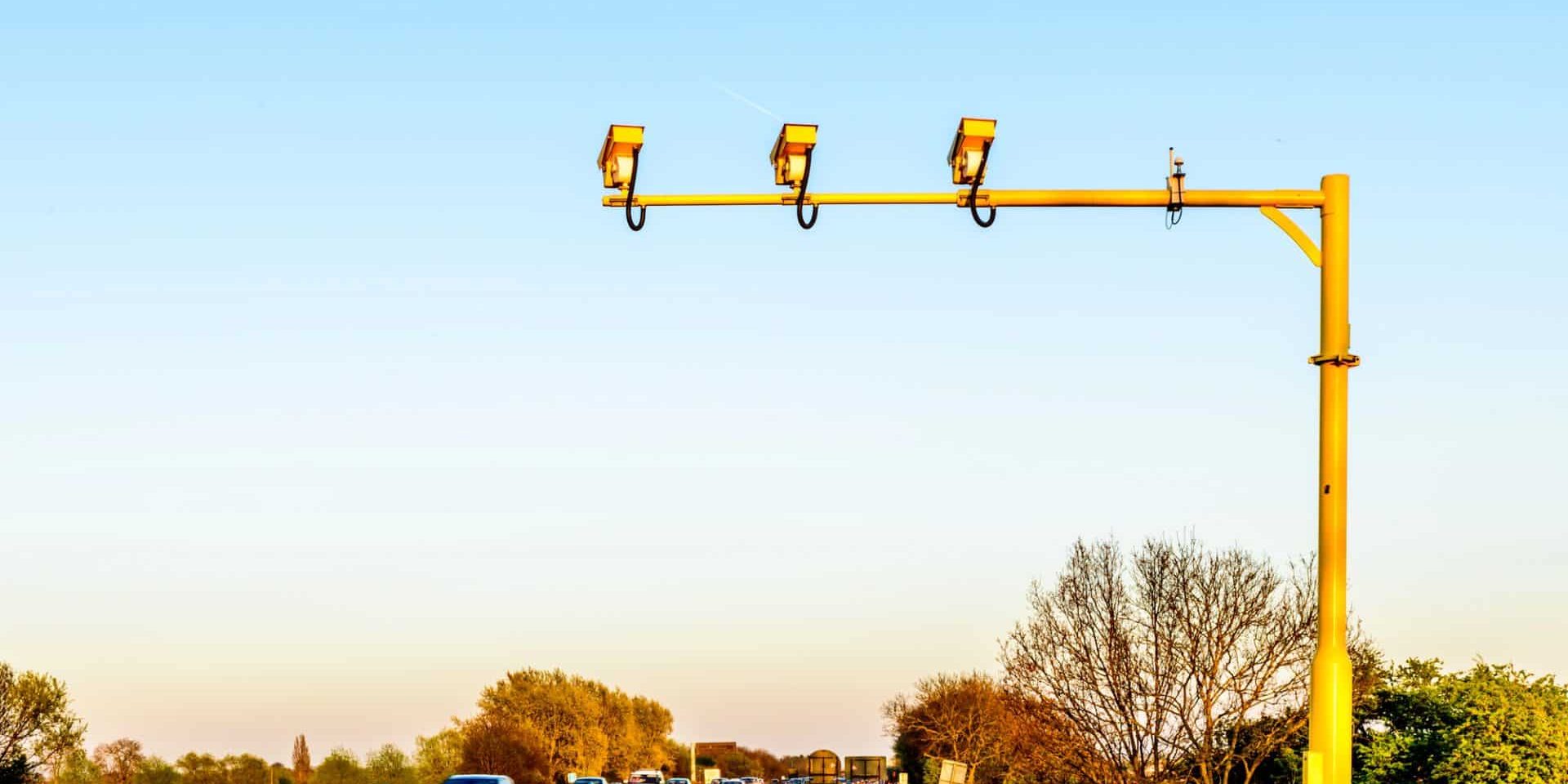
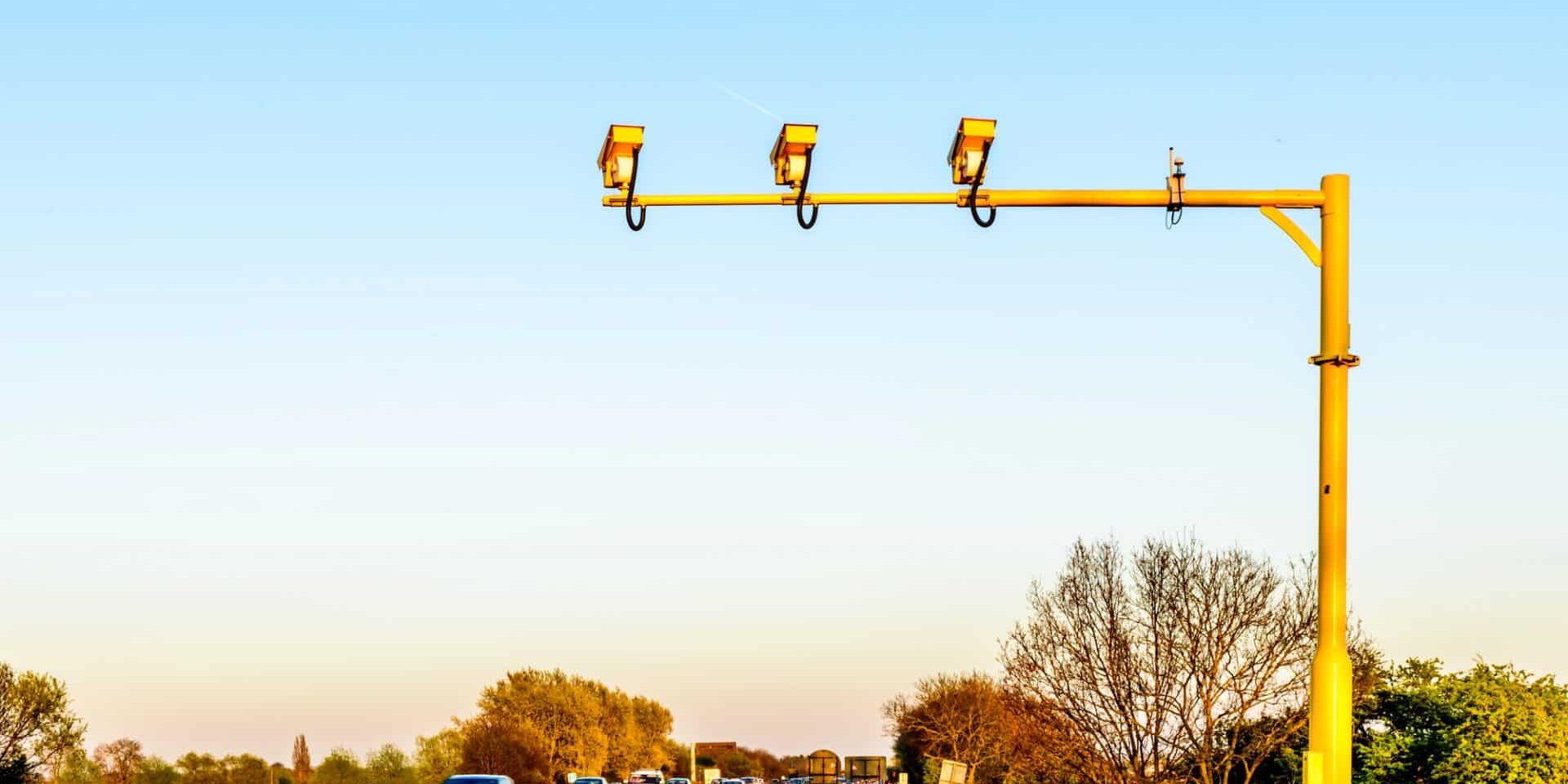
Drivers on two of Albuquerque’s busiest corridors are now driving past active speed cameras that went live July 24, and two more are set to switch on in early August. The additions bring the city’s Automated Speed Enforcement network to 38 active or planned locations, part of a program city officials say has cut high-speed driving by as much as 96 percent at some sites.
Where the New Cameras Are
The two newest cameras cover southbound Tramway near Lomas and westbound Paseo del Norte west of Barstow, both high-crash corridors on the city’s east and north sides. Two additional cameras are expected to activate in early August on Coors Boulevard near St. Joseph’s, covering both the northbound and southbound lanes. The City of Albuquerque selects camera locations using crash history, data from the state’s High Fatality and Injury Network, and community feedback, and maintains an agreement with the New Mexico Department of Transportation covering placement on state-owned roads like Coors and Paseo del Norte.
“With ASE cameras in place, drivers are slowing down on some of our highest-risk roadways, helping make Albuquerque streets safer,” said Department of Municipal Development Director Jennifer Turner.
How Much the Cameras Have Changed Driver Behavior
Albuquerque launched its Automated Speed Enforcement program in 2022, starting with 20 cameras positioned at crash-prone intersections and corridors across the city. According to the city’s own three-year data, those first 20 cameras produced a 54.7 to 96.2 percent reduction in drivers traveling 10 or more miles per hour over the posted limit, depending on location. Average vehicle speeds at camera sites dropped between 0.6 and 8.8 miles per hour.
The program has issued roughly 795,525 speed citations between May 2022 and early July 2026, according to city figures, though only about 45.8 percent, or 364,350 of those citations, have actually been paid. Revenue collected through the program funds roadway safety projects and has supported more than 31,000 hours of community service, the city says.
The Money Behind the Cameras
Automated speeding tickets in Albuquerque carry a $100 fine, with revenue currently split 50-50 between the city and the state under a 2009 anti-abuse law designed to prevent cities from turning traffic enforcement into a profit center. State lawmakers have pushed legislation that would let Albuquerque keep a larger share of that revenue and loosen the audit requirements tied to the original law, arguing municipalities need the money to expand Vision Zero road safety work and cover enforcement costs directly.
Critics of that push warn that removing the state’s share and its audit oversight could weaken safeguards meant to stop speed cameras from becoming a revenue tool disconnected from actual safety outcomes. Former Albuquerque Police Chief Harold Medina has defended the broader camera program as a “force multiplier” that holds speeders accountable without pulling officers away from violent crime response, a tension that has shaped the debate over how far the network should grow.
Albuquerque residents voted to end the city’s earlier red light camera program back in 2011, and city officials have been careful to describe the current speed camera network as a distinct effort built around crash data rather than intersection cameras alone.
What Drivers Passing Through Should Know
Automated citations in Albuquerque go to the registered owner of the vehicle regardless of who was driving, consistent with how most camera programs nationwide now operate. Drivers unfamiliar with the city should expect active enforcement on Tramway, Paseo del Norte, Coors, Gibson, Unser, Central, Montgomery, Lomas, Eubank, Broadway and several other corridors where cameras have activated across the past four years, with the newest additions concentrated on the west side near St. Joseph’s. A full list of current and planned camera locations, along with activation dates, is maintained by the city’s Department of Municipal Development.
Drivers who receive a citation can contest it through the city’s established review process, and the relatively low payment rate on issued tickets, under half, suggests many drivers either dispute their citations or simply do not pay, a gap city officials have not fully explained publicly.
What Happens Next
With 36 cameras already live and two more expected in early August, Albuquerque’s network will sit at 38 locations, up from the 20 that anchored the program’s 2022 launch. City officials have not announced a target number for the program’s eventual size, and the outcome of the state legislative debate over revenue sharing could shape how quickly, and how far, the network continues to grow.
How Albuquerque Fits the National Speed Camera Trend
Albuquerque’s expansion mirrors a pattern playing out in cities across the country this year. Los Angeles began its own AB 645 speed camera pilot in July, covering 125 locations targeting school zones and high-injury corridors. Long Beach is preparing an 18-camera rollout under the same state law heading into fall. New York City approved a $998 million contract to install red light cameras at 600 additional intersections. Santa Fe, roughly an hour north of Albuquerque, launched its own speed and noise camera program in August using different technology from a different vendor, showing how quickly automated enforcement has spread across New Mexico specifically, not just nationally.
Research on automated speed enforcement generally supports the safety case cities make for these programs. Studies of camera-equipped corridors in multiple US cities have found double-digit percentage reductions in speeding violations and measurable drops in crashes involving injuries at camera locations, broadly consistent with what Albuquerque’s own data shows at its original 20 sites.
The Argument Over Who Should Get the Money
New Mexico’s 2009 law requiring automated enforcement revenue to be split between a city and the state, with audits attached, was written specifically to prevent local governments from treating traffic cameras as a budget tool disconnected from safety outcomes. The current legislative push to change that split has divided lawmakers along fairly practical lines. Supporters argue Albuquerque is already carrying the operating costs of a 38-camera network and should keep more of what the program generates to expand it further. Opponents counter that removing the audit requirement removes the main check on whether camera placement decisions are still being driven by crash data rather than revenue potential.
Neither side disputes the underlying behavior change the cameras have produced. The disagreement is entirely about what happens to the money once a camera has done its job of slowing drivers down, and that fight is likely to shape debates in other New Mexico cities that are considering similar programs of their own.
A Practical Guide for Drivers
Citations under Albuquerque’s program arrive by mail to the registered vehicle owner, typically within a few weeks of the violation, and carry a flat $100 fine regardless of how far over the limit a driver was traveling. The city’s review process allows a driver to contest a citation if they were not operating the vehicle at the time or believe the citation was issued in error, though specific appeal procedures and deadlines are listed on the notice itself, and missing that window generally forfeits the right to dispute the fine later. Drivers who relocate to Albuquerque or drive through regularly for work should treat the city’s published camera map as a standing reference rather than a one-time check. The list has grown from 20 to 38 locations in under two years and shows no sign of slowing down.
How the Cameras Actually Work
Albuquerque’s Automated Speed Enforcement cameras use radar to clock vehicle speed and photograph any car exceeding the posted limit by a set margin, with the citation generated and mailed after a police review of the image and speed data confirms the violation. The system does not issue a ticket for every vehicle that trips the radar. Officers still check each flagged image before a citation goes out, a step the city points to when addressing concerns about false positives from radar interference or misread plates. That human review step is also why citations typically take a few weeks to arrive rather than being generated and mailed automatically the same day.
Sources:

Leave a Comment
More in News

Will Cracked Tyres Fail an MOT? The Line the Tester Works To

Home Charging Saves EV Drivers £1,240 a Year Over Diesel, Ofgem Cap Shows

How to Open a Frozen Car Door Without Breaking the Handle or Seal

Diesel Drivers Covering 10,000 Miles Now Pay £2,020 in Fuel, RAC Data Shows

What Your Car Service Actually Includes (and Which One You Need)
Trending on Motoring Chronicle

Car Makers Have Quietly Stopped Telling You When to Change Your Cam Belt

Should E-scooter Riders Be Tested And Insured?

Kia EV2 Beats Its Official Range in Norway’s Summer EV Test With 325km Result
Utah Becomes First State to Stamp a Red No Alcohol Stripe on DUI Drivers Licenses
