
What Reporting a No-Fault Bump Did to One Driver’s AA Quote: £364 Became £796.86
- A £364 AA renewal quote jumped to £796.86 when one policyholder reported a no-fault accident without making a claim, a rise of £432.86 or 118.9 percent, and the AA restored £364 after the Guardian asked it to justify the doubling.
- The Financial Ombudsman Service expects an insurer to explain any premium rise that follows a reported incident, and to log an accident the policyholder pays the other party for, instead of claiming, as “notification only” with no cut to the no-claims bonus.
- Section 170 of the Road Traffic Act 1988 sets a separate 24 hour limit for telling the police about an accident when a driver has not given their details to the other party, so a call to the insurer does not replace it.
One Phone Call About a Bump Added £432.86 to a Renewal Quote
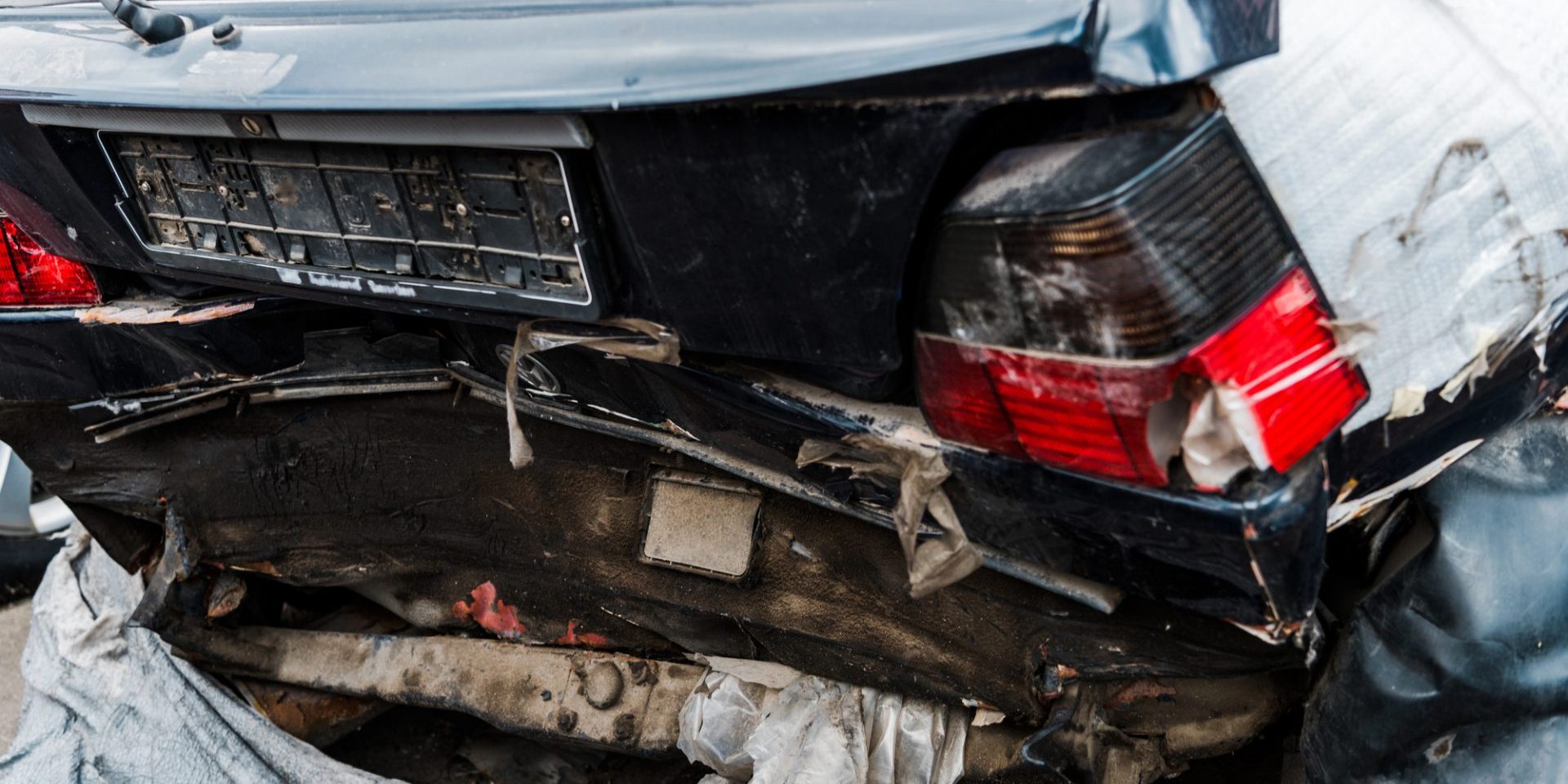
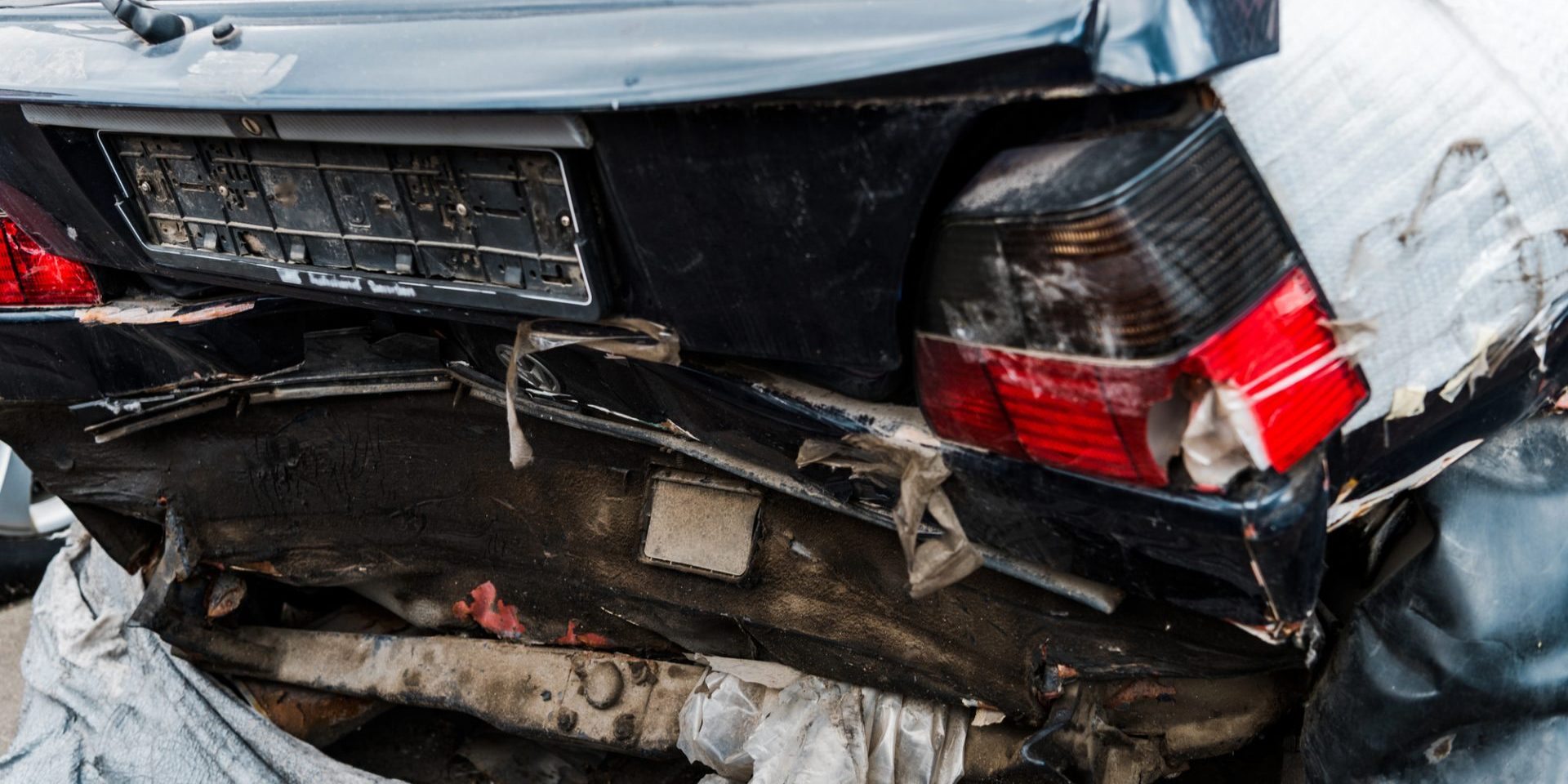
A policyholder in Lancashire had a minor accident. In the policyholder’s account, the other driver admitted responsibility and offered to pay for the repairs without involving insurers. The policyholder told the AA about the incident and made no claim. The AA had recently sent a renewal quote of £364. After the report, the revised figure was £796.86.
The gap is £432.86, which is £796.86 minus £364. Set against the original quote, that is a rise of 118.9 percent (£432.86 divided by £364 gives 1.189), so the price more than doubled. The call handler’s answer was that every insurer would act alike. The AA then cut the figure to £452.31. That still sits £88.31 above the first quote, a rise of 24.3 percent (£88.31 divided by £364 gives 0.243), and £344.55 below the first revised figure (£796.86 minus £452.31).
The fix has three parts. Ask the insurer how it has recorded the incident and whether the no-claims bonus is touched. Ask for the reason behind any rise in writing. Take the complaint to the Financial Ombudsman Service if the answer does not hold up. The Ombudsman has written guidance for insurers on exactly this situation, and the steps below draw on it.
The AA’s review shows why the challenge is worth making. When a journalist asked the AA how it justified doubling the premium, the insurer found that its own system and the call handler had made mistakes, and it agreed to stand by the original £364 as amends. It did not say what the quote should have been. One renewal carried four prices in a row: £364, £796.86, £452.31 and £364 again.
Why a Bump With No Claim Can Still Lift the Price
Insurers price on risk models, and those models tend to treat one accident as a sign that another is more likely, whoever caused the first. A reported incident can also turn into a claim later, with the policyholder or the driver at fault free to make one. Fraud is a separate pressure on premiums, set out in the report on crash for cash fraud.
Staying silent carries its own risk. A policyholder who does not tell the insurer about an accident, even a minor one with no fault and no planned claim, could invalidate the policy.
The Ombudsman accepts the statistical argument. Its guidance for insurers says an incident can suggest a person is more likely to claim in future than a driver who has reported nothing. In the same passage it tells insurers it will ask them to explain the reasons for any increase. That guidance gives no percentage that marks a fair rise. What it asks of the insurer is a reason for the increase, so a policyholder can press for one.
The Ombudsman separates three kinds of complaint in this area. In the first, a policyholder loses a no-claims bonus or has a fault claim recorded when they say the accident was not their fault. In the second, a policyholder holds a protected no-claims bonus and the premium still rises. In the third, the one in this case, the policyholder reported a minor accident without making a claim and the premium rose. Where a protected bonus is involved, the Ombudsman checks the policy terms to see whether the insurer applied them fairly and, if it did not, will probably tell the insurer to refund the extra money paid.
What the Ombudsman Expects When a Reported Accident Is Not Claimed
The Ombudsman’s note on fault claims and no-claims bonuses, last updated on 16 September 2026, is written for insurers and sets out how it will treat a complaint. For one situation it gives a plain expectation. Where a customer reports an accident but decides to pay the other person involved themselves instead of making a claim, the Ombudsman expects the insurer to record it as “notification only” and not to reduce the customer’s no-claims bonus.
The AA case sits one step away from that wording: the other driver offered to pay, where the Ombudsman describes the policyholder paying. The note does not cover that arrangement in so many words. A policyholder in the same position should ask the insurer in writing how it has recorded the report and whether the no-claims bonus is affected. A reply that says “notification only” matches the outcome the Ombudsman describes for a policyholder who pays the other party, and a different answer gives the policyholder something specific to question.
The Ombudsman does not decide who caused an accident. It follows the Financial Conduct Authority’s Dispute Resolution Rules and looks at the relevant law, regulator’s rules and industry codes, along with how the insurer tried to put things right. Where a no-claims bonus has been affected, it checks whether the insurer made that possibility plain to the customer. No-claims bonus rules and the way they are applied vary between insurers, so the Ombudsman looks at each case on its own facts.
To investigate, the Ombudsman asks the insurer for the policy schedule, the policy certificate, the full policy terms, contact records, claim forms and notes, and a timeline of what happened. Contact records are on that list, and they cover the kind of phone call at the centre of this case. The same note says policies sold online produce more misunderstandings, with fewer chances for the customer to talk it through, and that no-claims bonus information is not always clear on insurer or comparison sites, where the detail can sit behind a help icon or a further link.
If the Ombudsman decides an insurer made a mistake or treated a customer unfairly, the aim is to leave the customer where they would stand had the problem never happened. In a dispute over who was liable, that can mean the insurer changing how a claim was recorded so the premium is recalculated. It can also mean refunding money the customer paid unfairly, and paying compensation for distress or inconvenience where service was poor.
What the Law Says About Stopping and Reporting After a Collision
The insurer call and the legal duty after a collision are separate steps. Section 170 of the Road Traffic Act 1988, which legislation.gov.uk shows as up to date to 19 November 2026, applies where a vehicle on a road or other public place is involved in an accident that injures someone other than the driver, or damages another vehicle, an animal such as a dog, horse or sheep, or property fixed to the land beside the road.
The driver must stop. If anyone with reasonable grounds asks, the driver must give their name and address, the owner’s name and address, and the identification marks of the vehicle. A driver who does not give their name and address to the other party, for any reason, must report the accident, and failing to do either is an offence. The report goes to a police station or to a constable, as soon as is reasonably practicable and in any case within 24 hours of the accident.
A second duty applies where someone was injured and the driver did not produce a certificate of insurance or other evidence of cover when asked. That driver must report the accident and produce it, and cannot be convicted for the failure to produce alone if it is shown at the police station named in the report within seven days.
Section 170 names no duty to tell an insurer. The police duty runs on its own clock, and the same 24 hour window sits behind the police rule for parked cars, which covers drivers who find nobody to give their details to.
What to Do Before and After You Tell Your Insurer
Before the call, keep the renewal quote in writing, with the date and the price. That document is the benchmark the AA later honoured. Note what the other driver said about responsibility and what they offered to pay, and record the handler’s name, the date and the time of every conversation with the insurer. The Ombudsman asks policyholders to keep notes of calls and correspondence, which speeds up any complaint.
On the call, ask how the report will be coded: claim, or notification only. Ask whether the no-claims bonus changes. If the renewal price moves, ask for the reason in writing, as the Ombudsman would put the same question to the insurer. A handler saying every insurer behaves the same way gives no reason at all. The reply should say what in the incident raised the price and by how much.
Compare prices before accepting a revised figure. A renewal quote is one offer among many. The report on buying car insurance 25 days early covers one way to cut the price.
If the insurer will not move, complain to it first and state the outcome wanted. The insurer gets up to 8 weeks to investigate most complaints. It then sends a final response, which sets out the outcome and how to take the complaint further. A policyholder who is unhappy with the final response, or has heard nothing once the time limit has run out, can bring the complaint to the Ombudsman. The complaint must reach the Ombudsman within 6 months of the date on the final response. The service is free, and no lawyer or claims management company is needed.
The AA has not said what premium a reported no-fault accident should carry, so a policyholder facing a jump has no benchmark from the insurer beyond the renewal quote already in hand.
Want more car content? Add us as a preferred source on Google to your favourites list for the best automotive news and analysis on the internet.
If you enjoyed this article, be sure to follow us on Microsoft Start.
Sources
- Financial Ombudsman Service: Fault claims and no-claims bonuses
- Financial Ombudsman Service: How to complain
- legislation.gov.uk: Road Traffic Act 1988, section 170
- The Guardian: Simply telling the AA about my minor no-fault, no-claim prang doubled my insurance quote
Reviewed by Preetam Gadekar

Leave a Comment
More in News

Subaru Outback, BYD Sealion 8 and GWM Ora 5 Score Five ANCAP Stars

The Oldest Classic Car Owners Are the Keenest to Bring Back the MOT

Nissan Patrol Tows 3,700kg From $98,990 With Deliveries From December
What Speed Saves the Most Fuel (and What 70mph Costs You Over 50mph)
Cambridge Searches for Used Cars More Than Anywhere in the UK, and London Finishes 31st
Trending on Motoring Chronicle

Why Federal Regulators Are Investigating Comma.ai’s Openpilot After 3 Deaths

Why Does My Car Feel Unstable When It’s Windy?

DVSA Freezes Car MOT Fees as Lorry and Bus Tests Rise 11 Percent

Dodge Debuts All-new 2026 Dodge Charger Daytona Sedan — World’s Only Four-door Muscle Car
