
What Speed Saves the Most Fuel (and What 70mph Costs You Over 50mph)
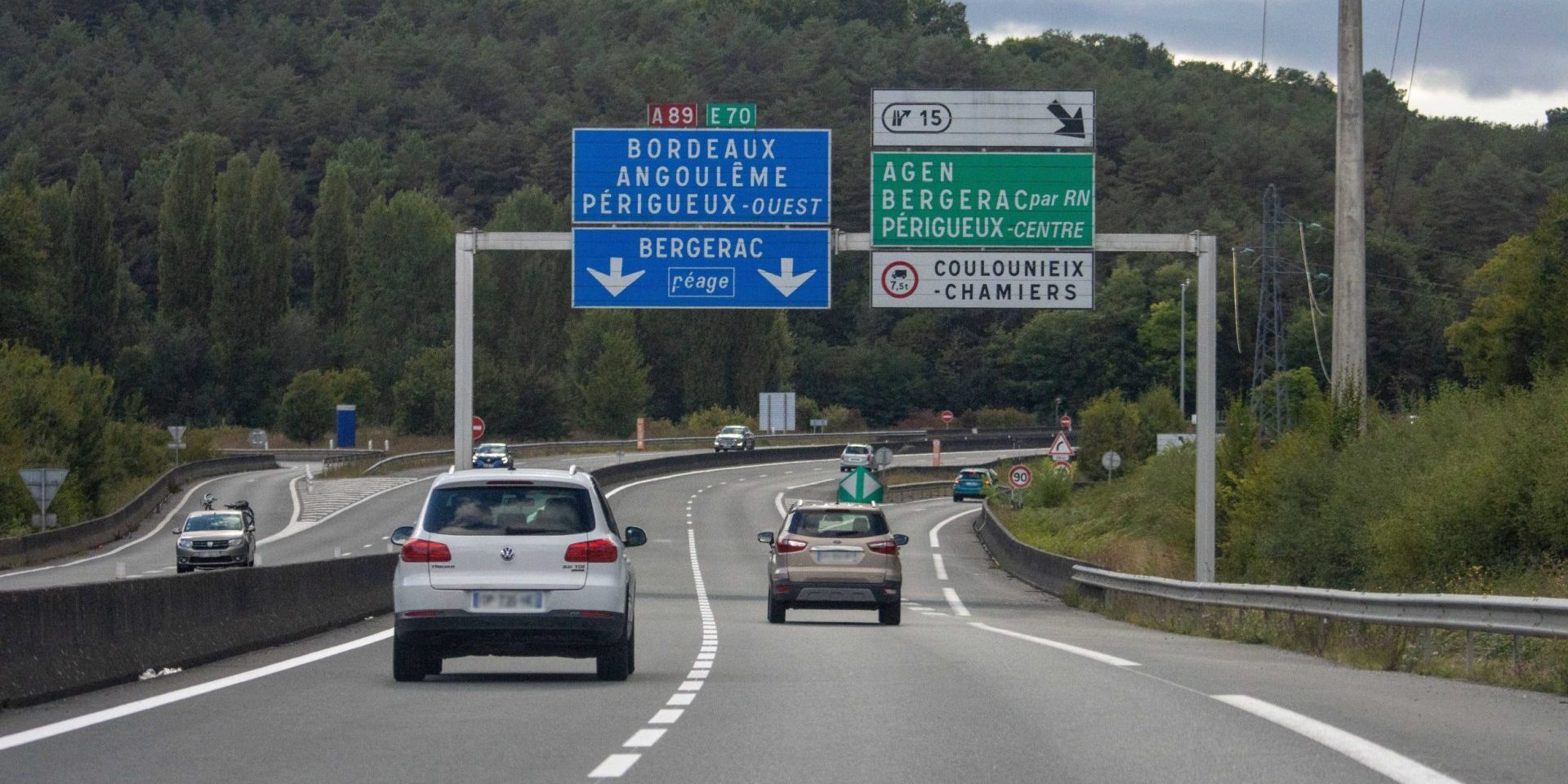
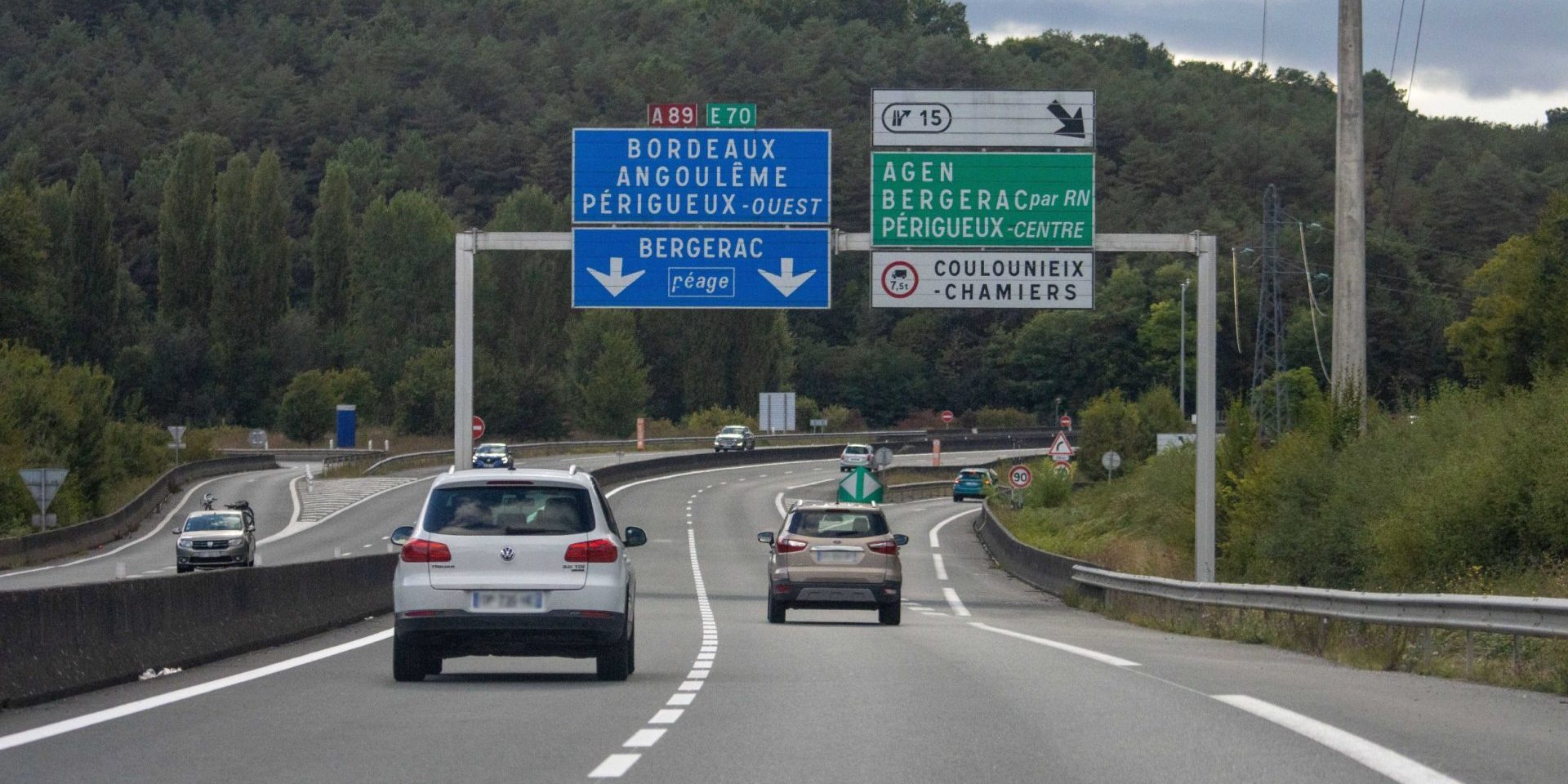
- Cars usually burn the least fuel between 45 and 50mph, and the AA puts 70mph at up to 9% more fuel than 60mph and up to 15% more than 50mph.
- At 172.78p a litre for unleaded (about $2.32), a car that does 40mpg at 70mph spends £19.64 ($26.31) per 100 miles and as little as £18.02 ($24.14) at 60mph.
- Taking 70mph up to 80mph, which is over the limit, adds up to 25% more fuel, or up to £4.91 ($6.58) per 100 miles in that car.
The Speed Where Your Engine Burns the Least Fuel
Between 45 and 50mph. The Met Office says cars are usually most frugal in that band and use more and more fuel as they go faster. The AA sizes the climb: 70mph uses up to 9% more than 60mph and up to 15% more than 50mph, and 80mph uses up to 25% more than 70mph.
The Department for Transport reaches the same 25% for 80mph against 70mph, and the Met Office finds that about 75mph uses about 15% more than 60mph. The AA’s figures are ceilings, each one an “up to”, and the real gap shifts with the car, the load and the road.
Read the figures as a price list for each step of 10mph. The next section prices three of those steps in pounds at the pump prices published this week.
What 10mph Costs at Today’s Pump Prices
The Department for Energy Security and Net Zero recorded unleaded at 172.78p a litre (about $2.32) and diesel at 198.58p a litre (about $2.66) on 2 November. A week earlier, on 26 October, unleaded stood at 174.07p and diesel at 199.22p, so the pumps have eased by 1.29p and 0.64p. Every price below uses the 2 November figures and an exchange rate of $1.34 to the pound.
Take a car that does 40mpg at 70mph. A gallon is 4.546 litres, so 100 miles is 2.5 gallons, or 11.365 litres. At 172.78p that is £19.64 ($26.31). With 70mph using up to 9% more fuel than 60mph, the same 100 miles at 60mph needs as little as 10.427 litres, which costs £18.02 ($24.14). The best case gap is £1.62 ($2.17) per 100 miles.
Drop to 50mph and the AA’s 15% leaves the 100 miles at as little as 9.883 litres, or £17.08 ($22.88). That is up to £2.56 ($3.43) less than at 70mph. Go the other way to 80mph and the 25% takes the run to 14.206 litres, or £24.55 ($32.89). The extra over 70mph is £4.91 ($6.58) for 100 miles, and 80mph is over the limit on every road. GOV.UK sets 70mph for cars on motorways and dual carriageways and 60mph on single carriageways.
Diesel drivers pay more for every step. The same 11.365 litres at 198.58p costs £22.57 ($30.24) at 70mph, as little as £20.71 ($27.74) at 60mph and £28.21 ($37.80) at 80mph, so the 60mph saving reaches £1.86 ($2.50) and the 80mph penalty £5.64 ($7.56). The price of a diesel fill already runs ahead of petrol by 25.80p a litre (about 35 cents), so a diesel car gains the most from easing off.
Tax takes a large share of whatever you burn. Duty is 52.95p a litre (about 71 cents) on both fuels and VAT is 20%, which makes 28.80p of VAT in a 172.78p litre. Add the two and 81.75p (about $1.10) of each litre of unleaded goes to the government in tax, or 47.3%. With fuel duty frozen at that rate until 1 July 2027, the one lever left is how much you burn.
Why Faster Costs More
Air does the damage. The Met Office says anything that adds drag raises fuel use significantly, and that the effect is strongest at high speeds. A roof box or an unused bike carrier adds drag, and so do ill fitting trim and bent bodywork, which is why they cost most on the motorway.
Open windows add drag too. At higher speeds the effect of the air conditioning on fuel is less noticeable, and it could cost less fuel to run it than to drive with the windows down. In town the advice flips. At low speeds air conditioning raises fuel use more, so the AA suggests opening the windows around town and saving the cooling for the fast roads.
Load counts as well. The Met Office and the AA both tell drivers to remove roof racks and boxes they are not using, and the AA adds that extra load means extra fuel, so take out what you do not need. Tyres count at any speed. Underinflated tyres drag harder on the road, so check pressures against the handbook or the sticker on the driver’s door pillar.
When Slowing Down Is Not Worth It
Time is the other half of the bill. A hundred miles at 70mph takes 85.7 minutes, at 60mph it takes 100 minutes and at 50mph it takes 120. Moving from 70mph to 60mph costs 14.3 minutes and saves up to £1.62 ($2.17), which works out at up to £6.81 ($9.13) for every hour of extra driving. Moving from 70mph to 50mph costs 34.3 minutes for up to £2.56 ($3.43), or up to £4.48 ($6.01) an hour. The first step down pays better than the second.
The 45 to 50mph band is a rule of thumb for cars in general, and the Met Office says cars usually burn least fuel there. The test is your own mileage. The AA tells drivers to note the average from the on board computer, reset it, then drive a similar mix of roads for the same stretch of time at a new speed.
Without an on board computer, fill the tank and note the mileage. Fill it again at the same pump to the same level, divide the miles by the litres used and multiply by 4.546. The AA’s own sum is 1,000 miles on 101 litres, which gives 45mpg. Run the same sum for a week at 70mph and a week at 60mph and you have the real gap for your car, in your own money.
Traffic changes the answer too. The AA says stopping and starting again uses more fuel than rolling. Slow early for lights or a queue and the car might not need to stop at all.
Habits That Save Alongside Speed
Speed is one lever. When 50 AA staff drove normally for a week and then followed its advice for a second week, they saved an average of 10% on weekly fuel bills. The best saved 33%. The AA president puts speed and driving style together at about 20%. Ten percent of the £19.64 ($26.31) spent on 100 miles at 70mph is £1.96 ($2.63).
Start with gears. The AA suggests changing up at around 2,000rpm in a diesel and 2,500rpm in a petrol, and a working band runs from 1,500 to 2,500rpm for petrol engines and 1,200 to 2,000rpm for diesels, without labouring the engine. The AA adds that new car models have carried a gear shift indicator from 2014 to point drivers to the best gear.
Drive smoothly. Accelerate gently, read the road ahead and let the car slow with your foot off the accelerator in gear. Coasting out of gear does not save fuel. The AA says the engine control unit already cuts the fuel supply to the injectors when you lift off, and coasting costs you engine braking and control.
Cut idling. Scrape ice from the windscreen instead of leaving the engine running, and drive off as soon as you are ready to go, as the engine warms up faster moving than standing. Combine short trips too, as cold starts burn more fuel.
Leave the super unleaded at the pump unless the handbook demands a higher octane rating. Super typically costs 10p to 15p more a litre (about 13 to 20 cents), which adds £1.14 to £1.70 ($1.52 to $2.28) to a 100 mile run in the 40mpg car above, for little benefit in most cars.
The ranking is short. The band from 45 to 50mph burns the least, 70mph burns up to 9% more than 60mph, and 80mph is illegal and the dearest pace of the lot.
Want more car content? Add us as a preferred source on Google to your favourites list for the best automotive news and analysis on the internet.
If you enjoyed this article, be sure to follow us on Microsoft Start.

Leave a Comment
More in News
Judge Orders Tennessee to Accept Work Permits for Driver’s Licenses Again, Hearing Set Nov. 16

What Used Electric Car Values Up to 28 Percent Higher Mean for Every Buyer
East Sussex Cancelled 1,793 Telscombe Cliffs Bus Lane Fines After Drivers Challenged 76 Percent

London Drivers Face £772 Car Insurance Quotes, £301 More Than South West, Quotezone Shows

Dacia Sandero Gains Hybrid 155 Power from £17,995 on the Road with 67mpg Quoted
Trending on Motoring Chronicle

Why Federal Regulators Are Investigating a $999 Self-Driving Gadget After 3 Deaths

Why Maine EV Buyers Have Until September 30 to Claim an Extra $1,000
GEM Warns UK Drivers Over Five Heatwave Hazards as Hot Weather Hits Britain
The AA Was Fined £4.2 Million for Hiding a Booking Fee From 80,000 Learners
