
Diesel Drivers Pay £105.88 per 55 Litres as ONS Puts Fuel Up 29.8 Percent
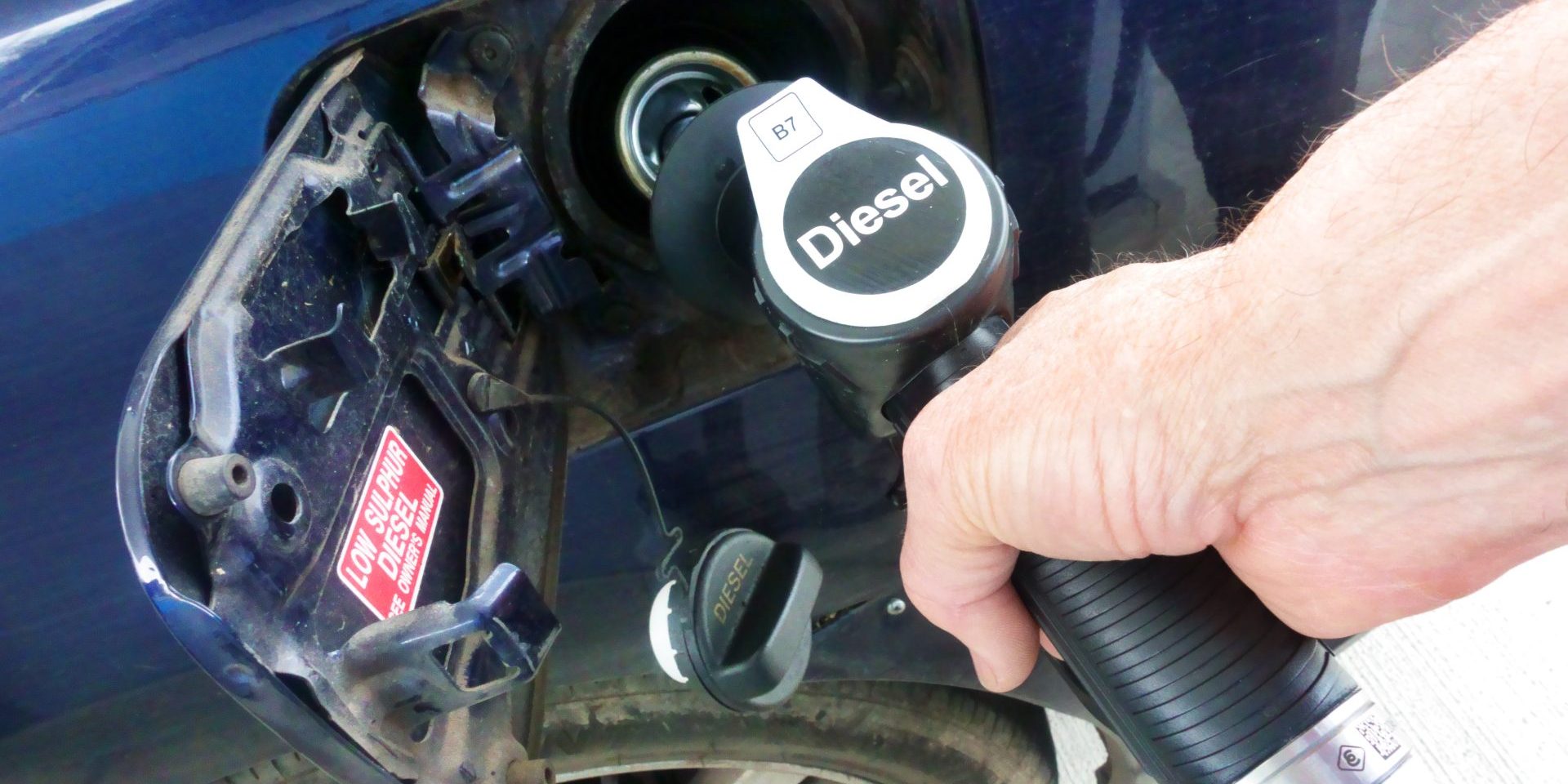
- Diesel averaged 192.5p a litre in September 2026 and petrol 169.5p, the highest monthly averages recorded for each after mid 2022, the ONS says.
- Diesel rose 10.7p and petrol 8.2p in one month, and motor fuel prices are up 29.8 percent over 12 months, against 23.0 percent a month earlier.
- At those averages a 55 litre tank costs about £105.88 in diesel and £93.23 in petrol, which is £5.89 and £4.51 more than a month before (calculated from the ONS prices).
Filling a diesel car now costs about £105.88 for 55 litres, and a petrol car about £93.23. Those figures come from the average pump prices in the Office for National Statistics consumer price inflation release for September 2026, published on 21 October 2026. Diesel averaged 192.5p a litre and petrol 169.5p, and motor fuel prices were 29.8 percent higher than 12 months earlier.
The jump happened in a single month. Between August and September 2026 diesel rose 10.7p a litre and petrol rose 8.2p. In the same month of 2025, diesel fell 0.4p and petrol fell 0.2p. The ONS says diesel is at its highest price recorded in any month after July 2022, and petrol at its highest recorded in any month after August 2022.
One Month Added £5.89 to a Diesel Tank and £4.51 to a Petrol Tank
The ONS reports the monthly change in pence per litre. Taking that change off the September average gives the August prices: 181.8p for diesel and 161.3p for petrol. These August figures are calculated from the ONS release rather than quoted from it, and the calculations below use a 55 litre fill, a typical tank size for a family car.
A 55 litre diesel fill at the August average would have cost £99.99. At the September average of 192.5p it costs £105.88, a rise of £5.89 for one tank. For petrol, 161.3p a litre gives £88.72 for 55 litres, and 169.5p gives £93.23, a rise of £4.51.
Diesel is 23.0p a litre dearer than petrol on the ONS averages, which adds £12.65 to every 55 litre fill. The gap is a direct cost to the many drivers who bought a diesel car for the lower fuel use per mile, as the price per litre is now well above petrol.
For a driver who fills up once a fortnight, 26 times a year, the September prices come to about £2,752.75 a year in diesel and £2,423.85 in petrol, if prices stay where they are. That is an illustration, not a forecast, and a driver’s own annual bill depends on the mileage, the car and where they buy fuel. The one month rise alone is worth about £153.01 a year to a diesel driver filling 26 times, and £117.26 to a petrol driver, on the same assumption.
The Annual Rate Has Climbed From 23.0 to 29.8 Percent
The 12 month rate for motor fuels shows how quickly the cost has moved. The ONS puts it at 29.8 percent in the 12 months to September 2026, up from 23.0 percent in the 12 months to August. The ONS names motor fuels as the biggest upward pull on the national inflation rate.
Transport as a whole rose 6.6 percent over the 12 months to September 2026, up from 4.6 percent in August. Transport prices fell 0.4 percent between August and September 2026, against a fall of 2.3 percent in the same month a year earlier, so the monthly move was less negative this year. The ONS says transport, led by motor fuels, made the largest upward contribution to the change in both the CPI and CPIH annual rates, and that transport added 0.94 percentage points to the CPI rate in September 2026.
Not every motoring cost went up. The ONS reports that second hand petrol and diesel cars fell in price between August and September 2026, whereas they rose in price a year earlier. It also notes that roadside recovery prices saw a large fall this year and a large rise a year earlier. The release gives no percentages for either item, and it does not cover car insurance, new cars, vehicle maintenance or parking.
What the Rise Means for a Year of Driving
Converting the ONS prices to a cost per mile shows the effect on a regular driver. A gallon is 4.546 litres, so 192.5p a litre is about 875p a gallon for diesel, and 169.5p a litre is about 770p a gallon for petrol. These are calculations from the ONS averages.
- A diesel car doing 45 miles to the gallon costs about 19.4p a mile at 192.5p a litre, which is about £1,945 for 10,000 miles.
- A petrol car doing 40 miles to the gallon costs about 19.3p a mile at 169.5p a litre, which is about £1,926 for 10,000 miles.
The mpg figures are examples chosen for illustration. The ONS release does not give a typical mpg, so a driver should substitute their own figure.
What the Rise Costs a Commuter Over a Year
Take a driver who commutes 30 miles a day, five days a week, for 52 weeks. That is 7,800 miles a year. Using the same example fuel economy, a diesel car at 45 miles to the gallon uses about 173 gallons and costs about £1,517 a year at 192.5p a litre. A petrol car at 40 miles to the gallon uses 195 gallons and costs about £1,503 at 169.5p a litre.
The September rise on its own, if it lasted a full year, would add about £84 to the diesel commuter’s bill (10.7p a litre across 173 gallons) and about £73 to the petrol commuter’s bill (8.2p a litre across 195 gallons). A driver covering 20,000 miles a year would pay about £3,889 in diesel at the example economy of 45 miles to the gallon, or about £3,853 in petrol at 40 miles to the gallon. All of these are calculations from the ONS average prices and the example mpg figures, so a driver with a different car will land on a different total.
Those totals show why the monthly price move deserves attention. A rise of 10.7p or 8.2p a litre sounds small at the pump, where a 55 litre fill moves by a few pounds. Across a year of regular driving, the same rise is worth tens of pounds for a low mileage driver and well over £100 for a high mileage one.
Can You Avoid the Rise at the Pump?
You cannot change the national average, but the ONS figure is an average, and the price a driver pays can sit above or below it. These are the levers with the clearest numbers attached:
- Price per litre: every 1p a litre is worth 55p on a 55 litre fill. Buying at a station 10p a litre cheaper than your usual one saves £5.50 a tank, which is £143 over 26 fills. Look at prices along your regular route before you reach the forecourt, and compare the stations within a few minutes of home and work.
- Consumption: using 10 percent less fuel on 10,000 miles saves about £194 for the diesel example and about £193 for the petrol example. Tyre pressure set to the figure on the door sticker or in the handbook, an empty roof box taken off, and smooth acceleration and braking all cut consumption without changing the car.
- Trips: combine short trips. A cold engine uses more fuel in the first few miles, so one trip of 10 miles uses less fuel than two trips of five.
For a driver deciding between a petrol and a diesel car, the 23.0p gap per litre is worth setting against the mpg difference. A diesel car needs to return roughly 14 percent more miles to the gallon than a comparable petrol car to cost the same per mile at these prices (192.5p divided by 169.5p). If the mpg advantage is smaller than that, the petrol car is cheaper to run per mile at today’s prices.
The ONS fuel prices are averages of prices collected across the country, and it publishes them monthly with the consumer price inflation release. The next release will cover October 2026 and show whether September’s jump continued. Until then, the 192.5p and 169.5p averages are the latest official figures for what drivers paid.
Want more car content? Add us as a preferred source on Google to your favourites list for the best automotive news and analysis on the internet.
If you enjoyed this article, be sure to follow us on Microsoft Start.
Sources:
- Office for National Statistics: Consumer price inflation, UK: September 2026 (released 21 October 2026)

Leave a Comment
More in News

How DfT’s £220 Million Pothole Funding Could Save Drivers Nearly £600 on Repairs

DVSA Data Shows Kirkcaldy MOT Failures Hit 36.2 Percent, Against 20 Percent in Ilford

Every Driver Fitting LED Headlight Bulbs Risks a £54.85 MOT Fee Under New DVSA Rules

Why Subaru Is Telling Owners of Brand New Crosstreks and Foresters Not to Drive
How Water Pooling in Nearly 94,000 Range Rovers Could Blind the Backup Camera
Trending on Motoring Chronicle
Just 0.32% of Unfair Parking Charges Ever Get Overturned by Drivers

New Audi Q7 Arrives in the UK This Summer From Under £82,000 With Seven Seats

Toyota Recalls Grand Highlander and Lexus TX Over a Cracking Rear Axle

Ford Recalls 158,664 Mustangs, Broncos and Explorers Over Sudden Power Loss
