
Private Parking Firms Dropped 40,000 Fines Rather Than Risk Losing a Formal Appeal
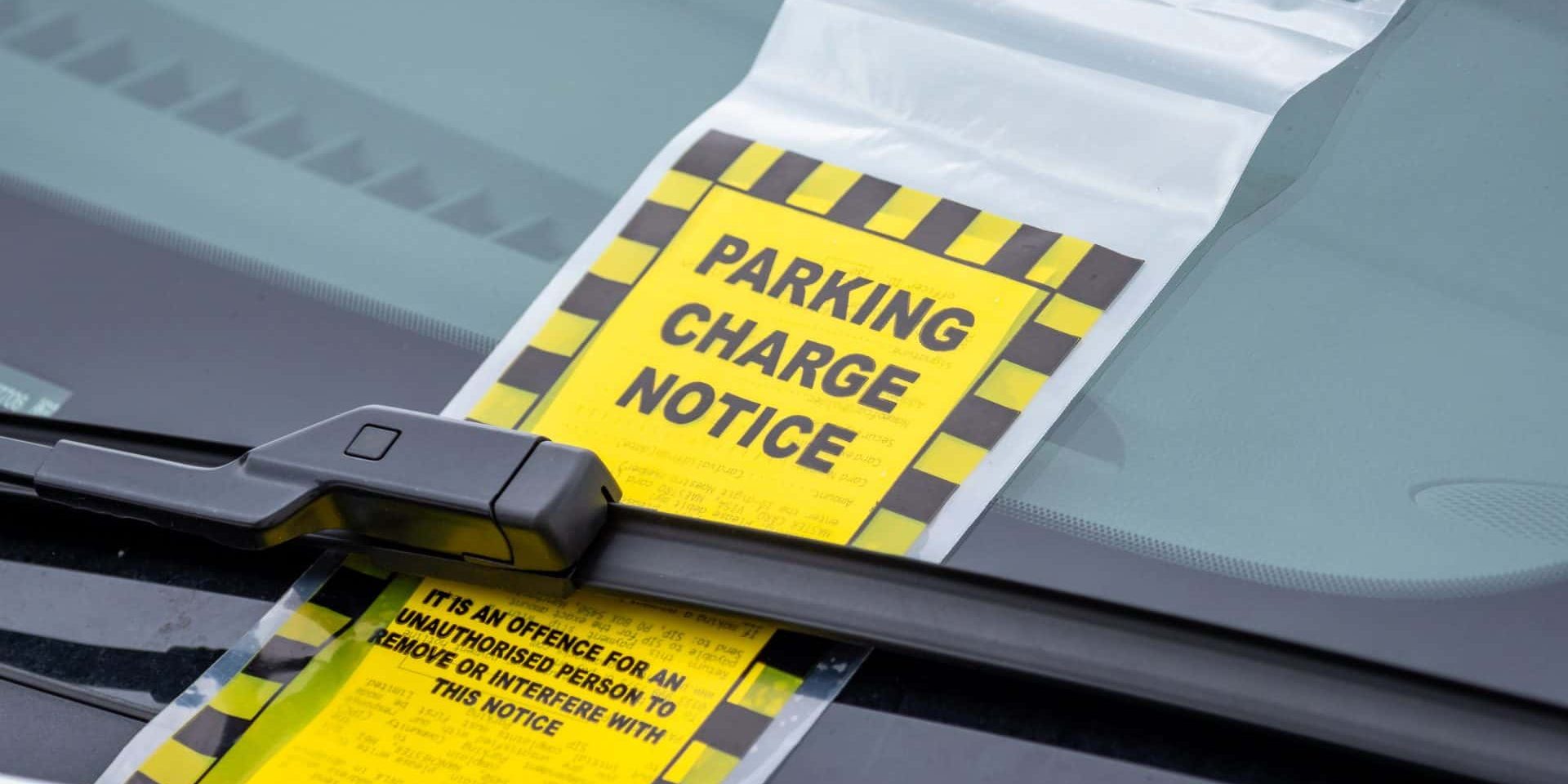
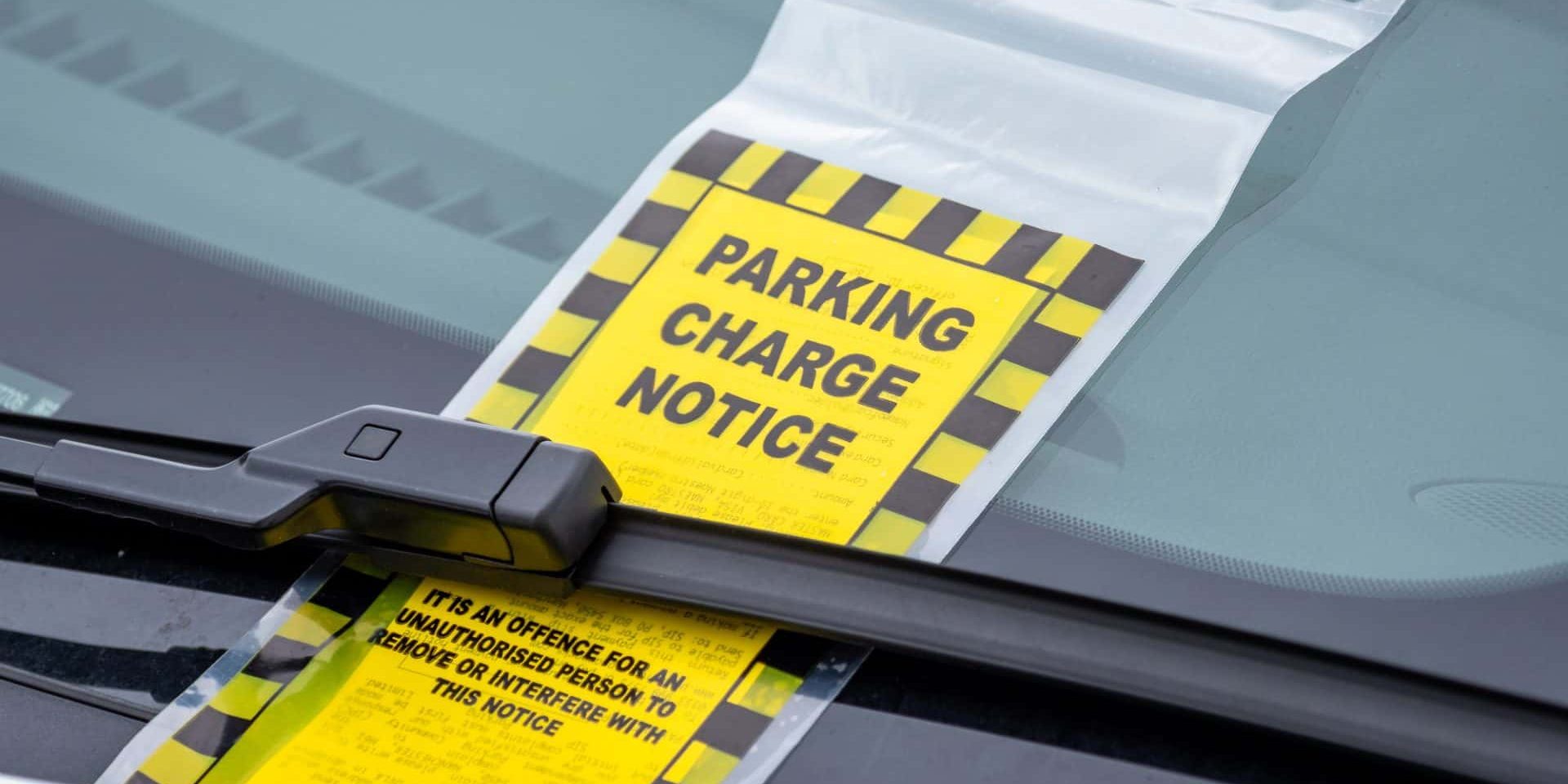
- Private parking firms withdrew around 40,000 fines last year the moment drivers took their case to an independent appeals service, POPLA’s new annual figures show.
- A record 107,000 motorists lodged a formal appeal with POPLA in 2025, the highest number the service has recorded.
- Unclear signage and payment glitches are the most common reasons operators lose, so drivers who appeal on the right grounds have a real chance of winning.
Why So Many Parking Firms Back Down Before a Ruling
Get a parking charge notice from a private firm and the instinct for most drivers is to pay it and move on. New figures suggest that instinct is costing people money they never actually owed. POPLA, the independent body that hears appeals against parking charges issued on private land, has confirmed it received more than 107,000 appeals in 2025, a record for the service. Of those, operators withdrew roughly 40,000 cases themselves before an adjudicator ever reached a decision, effectively conceding the charge was not worth defending rather than risk a formal ruling against them.
That withdrawal rate points to something drivers rarely hear from the parking industry: a meaningful share of tickets issued on supermarket car parks, retail sites and residential estates would not survive scrutiny if challenged properly. Firms are not required to explain why they drop a case, and most simply cancel the charge quietly rather than have a weak process examined in public.
How POPLA Actually Works
POPLA sits outside the parking industry and was set up under the British Parking Association’s Approved Operator Scheme to give motorists somewhere to turn once a parking firm rejects their initial complaint. It only accepts a case after the driver has already appealed directly to the operator and been refused, and it is free to use. An independent adjudicator then reviews the evidence from both sides and either upholds the charge or cancels it.
POPLA’s own analysis of the cases it does rule on shows the charge is cancelled in a substantial share of decisions, and success tends to turn on specific, provable failures rather than general complaints about fairness. The most common grounds that succeed involve signage that was unclear, missing, obscured or contradictory at the point of parking; the operator failing to prove it holds the legal authority to enforce charges on that land; breaches of the mandatory grace periods drivers are entitled to before and after their parking session; and cases where the wrong person, often someone who was not driving or not the registered keeper at the time, has been pursued for the charge.
The Watchdog Stepping In Behind the Scenes
The record appeal volume comes as the Competition and Markets Authority continues to scrutinise the private parking sector directly. The regulator has already secured commitments from operators including Euro Car Parks after finding evidence that charges were being issued in circumstances that put drivers at an unfair disadvantage, and a new single code of practice for the industry is set to take effect, tightening the rules operators must follow on signage, grace periods and the wording used in demand letters. Until that code is fully enforced, POPLA remains the main route for a driver who believes a charge was issued unfairly to get it looked at by someone with no financial stake in the outcome.
The scale of the problem is not evenly spread. A small number of large operators generate a disproportionate share of both the tickets issued and the appeals that follow, and the same operators tend to appear repeatedly in POPLA’s withdrawal figures. Drivers parking regularly at busy retail parks, hospital sites and city centre car parks operated by high-volume firms are statistically more likely to receive a charge that would not withstand an appeal than someone parking on a smaller, less automated site.
What to Do if You Get a Private Parking Charge
Do not pay a charge immediately just to make it go away, unless you are certain you were in the wrong. Photograph any signage at the site, including the small print on payment terms and the stated grace periods, before you leave if you can. If a charge arrives, appeal directly to the operator first in writing, setting out your grounds clearly and asking them to confirm they hold the landowner’s authority to enforce charges on that site.
If the operator rejects your appeal, they are required to issue a POPLA verification code that lets you escalate the case for a free independent review. Use it. Submit your appeal to POPLA with your photographs and a clear explanation of your grounds, and be specific rather than general. An appeal that says the charge is “unfair” is far weaker than one that says the signage did not display the parking terms clearly at the entrance, or that the operator has not proven who was driving.
Keep a copy of everything you send and receive. If the operator withdraws the charge once your POPLA appeal is lodged, as happened in roughly 40,000 cases last year, that is not a loophole. It reflects that a properly challenged charge often cannot be defended, and drivers who simply pay up are subsidising a system that depends on most people not appealing at all.
The New Rules Meant to Stop This Happening
A single code of practice covering the entire private parking industry has been years in development, and the version now set to take effect sets firmer standards than the two competing trade body codes operators have followed until now. It requires clearer, more consistent signage, standard grace periods before and after a parking session, caps on the wording and threats used in demand letters, and a single appeals process rather than the current split between POPLA and a separate scheme run by a rival trade body. The Competition and Markets Authority has already used its consumer protection powers to secure changes from individual operators where it found charges were being applied in ways that disadvantaged drivers, and it has signalled it will continue to act against firms that do not fall in line once the new code applies.
Until the code is fully in force, the split system remains a source of confusion for drivers. Not every operator belongs to a scheme with POPLA as its appeals body, and checking which trade body an operator belongs to, usually stated on the parking charge notice itself, tells you which independent appeals route applies. If a charge notice does not clearly state an appeals process at all, that omission is itself worth raising as part of your appeal, as operators are required by their own trade body rules to signpost it clearly to every driver they charge.
Why Some Sites Generate Far More Appeals Than Others
POPLA’s data shows appeal volumes are heavily concentrated among a relatively small number of large operators running high-turnover sites such as retail parks, hospital car parks and city centre multi-storeys, where automatic number plate recognition cameras generate far more charges with far less human oversight than a manned barrier system. Smaller, independently managed car parks generate proportionately fewer disputes, partly as there are fewer transactions overall and partly as operators managing a single site tend to apply their own rules more consistently than a national chain running thousands of locations to a standard template that does not always suit every site’s layout.
Hospital car parks deserve a specific mention, as patients and visitors dealing with a medical appointment are among the drivers least likely to have time to check signage carefully or note down a grace period before rushing inside. Charges issued in these settings are a recurring theme in POPLA’s most contested cases, and several operators have faced direct criticism for enforcement practices at hospital sites that gave drivers little realistic chance to comply.
Sources:

Leave a Comment
More in News

What a Coolant Warning Light Means Before It Costs You a £1,000 Repair
Progressive’s Profit Fell 3 Percent Even as It Added 1.4 Million Car Insurance Policies

NHTSA Picks 23 Vehicles for 2027 Crash Tests and Adds a New Pedestrian Safety Score

GAP Insurance Paid Back Just 6 Percent of What Drivers Paid, FCA Figures Show

A £4,300 Vauxhall Made Hagerty’s List of Classic Cars Worth Watching in 2026
Trending on Motoring Chronicle
How Long Does Power Steering Fluid Last?
Ferrari Luce: Revealing interior & interface design [Photo Gallery]

New Gordon Murray S1 Revealed as 690PS V12 Manual Supercar, Limited to 64 Cars

Hay Fever Can Impair Your Driving As Much As Alcohol, And Most Drivers Have No Idea
