
Every UK Driver’s Car Insurance Now Depends on an £850 Postcode Gap

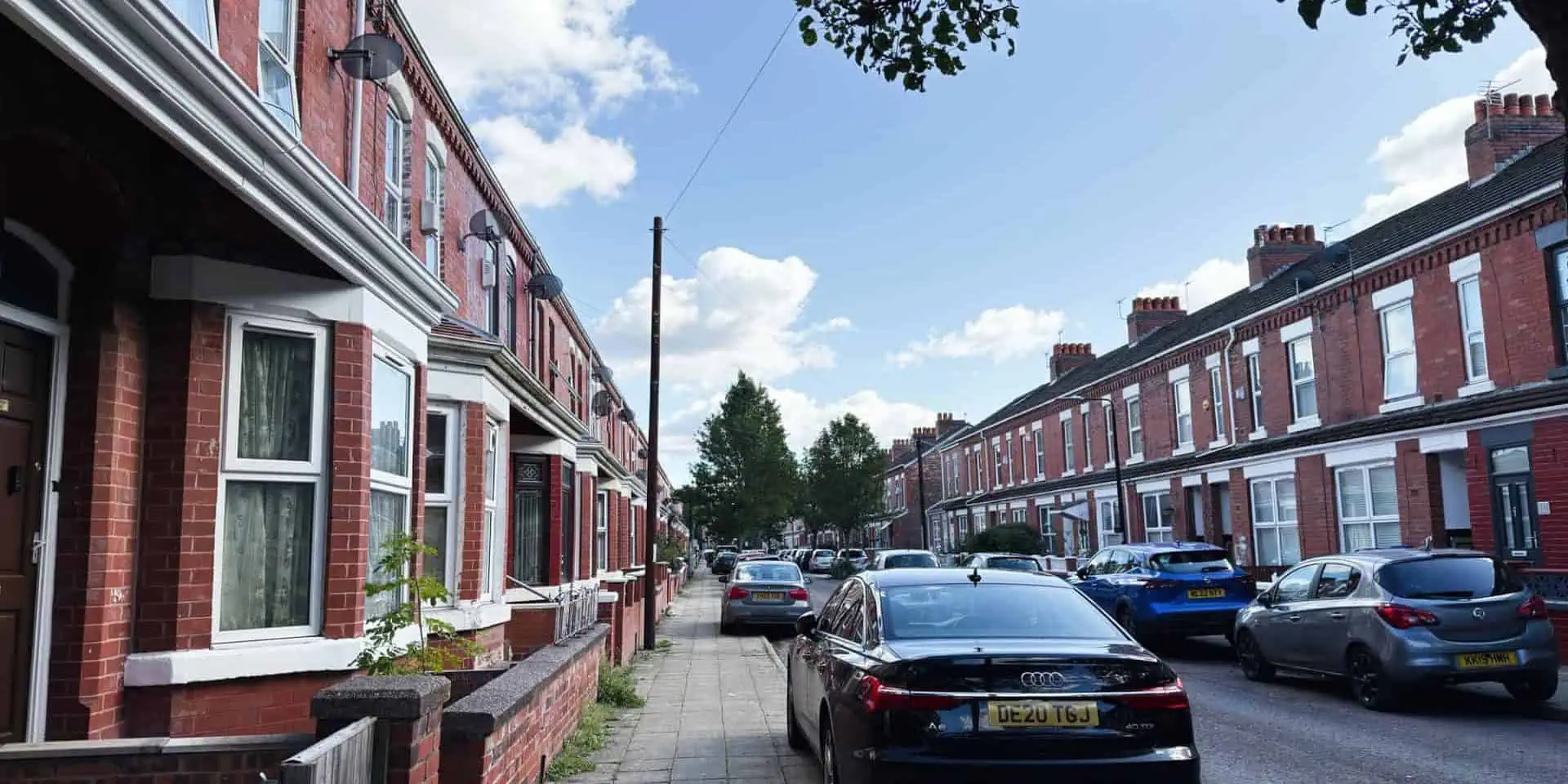
- The gap between the UK’s cheapest and most expensive postcodes for car insurance has grown to more than £850 a year for comparable cover, according to the WTW Car Insurance Price Index.
- Inner London drivers pay an average of £1,079 a year, while drivers in the South West pay around £500, less than half as much for a similar policy.
- Liverpool and Bolton posted the biggest annual falls anywhere in the country, down 20 percent and 18 percent respectively, while other areas are still climbing.
Two Drivers, Same Car, Same Cover, an £850 Difference
A driver’s postcode now does more to set their car insurance bill than almost any other single factor short of a serious claims history. According to the WTW Car Insurance Price Index, the gap between the UK’s cheapest and most expensive postcode areas has widened past £850 a year for broadly comparable cover, meaning two drivers with near-identical cars, mileage and no claims bonus can pay wildly different amounts simply because of where they park overnight.
Inner London sits at the top of the price table, with average premiums of £1,079 a year, even after a 6 percent fall over the past twelve months. The South West of England remains the cheapest region in the country, with average premiums around £500, with Central and North Wales close behind at £509. A driver who moves from a flat in central London to a house in Devon could see their quote fall by more than half without changing a single detail about how they drive.
Why Insurers Price a Postcode, Not Just a Driver
Car insurers set premiums using statistical models built on claims history aggregated by area, not individual streets, which means a postcode’s price reflects the driving, parking and crime patterns of everyone nearby, not the applicant. Areas with higher rates of vehicle theft, vandalism, uninsured driving and accident frequency push every premium in that postcode upward, regardless of an individual driver’s own record. Dense urban areas also see more low-speed collisions simply through higher traffic volume, more parked cars close to moving traffic, and more opportunities for minor scrapes that generate claims.
This means a careful, claim-free driver living in a high-risk postcode is effectively subsidising the area’s overall claims cost through their premium, while an equally careful driver in a low-risk rural postcode benefits from their neighbours’ clean driving record whether they personally contributed to it or not. Two people with identical driving histories can be treated completely differently by the same insurer’s pricing model purely because of where their car is registered as being kept overnight.
Where Prices Are Moving Fastest
The picture is not simply rich areas paying less. Liverpool and the wider Merseyside area posted a 20 percent annual fall in average premiums, with Bolton close behind at 18 percent, some of the steepest drops recorded anywhere in the UK, as insurers recalibrated pricing in areas where claims frequency has eased. Other regions moved in the opposite direction over the same period, with some areas of Northern Ireland and parts of the Midlands recording quarterly rises even as the national average premium edged down overall.
This divergence matters because a driver’s renewal quote reflects the latest data for their specific postcode, not the national average reported in headlines. A driver who sees national coverage saying premiums are falling can still open a renewal letter showing an increase, if their own postcode’s claims data moved against the national trend during the same period.
What Actually Moves the Number for an Individual Driver
Postcode is one factor among several an insurer weighs, and it interacts with the others rather than working alone. Where a car is parked overnight matters as much as the postcode itself: a car kept in a locked garage or on a private driveway typically attracts a lower premium than an identical car parked on the street outside the same house, since off-road parking measurably reduces theft and vandalism risk within the model. Adding a second named driver, changing the car’s registered keeper, or even the specific street within a postcode district can shift a quote by a noticeable amount without anything about the actual risk changing in reality.
Annual mileage estimates also interact with location. A driver in a high-density postcode who commutes a short distance may still be quoted more than a rural driver covering triple the mileage, because the urban driver’s exposure to other vehicles and potential claims per mile driven is judged higher by the model, regardless of spending less total time on the road.
Why Renters Get Hit Harder Than Homeowners in the Same Postcode
Insurers also weight how long a driver has lived at their current address, and a full postcode’s risk score can be split further by property type where enough data exists. Renters, who move more often and are statistically less likely to have secure off-road parking than homeowners on the same street, often see this reflected in a marginally higher quote even within an identical postcode, since shorter address history and street parking both independently raise the model’s risk estimate. A driver who has just moved into a high-priced postcode as a renter can find their first quote noticeably higher than a long-established homeowner two doors down, purely because the model has less data confirming their personal stability at that address.
Younger drivers feel the postcode effect on top of the age-related loading they already pay, since urban postcodes tend to have a younger average driver population with a naturally higher claims frequency, compounding two separate risk factors into a single steep premium. A driver in their early twenties living in Inner London can end up paying a combined loading for both their age and their postcode that pushes a policy well past the £1,079 area average, sometimes by several hundred pounds more.
Checking Before You Sign a Tenancy or Buy a Car
Anyone weighing up two potential addresses, whether moving for work, university or simply choosing between two similarly priced homes, can get an instant comparative sense of the insurance impact by running a quote for the same car and driver profile against both postcodes before committing to either. The difference revealed by that simple check can run into hundreds of pounds a year, easily enough to factor into a genuine cost-of-living comparison between two otherwise similar options, and is rarely something people think to check before signing a tenancy agreement or completing on a house purchase, when every other bill attached to the move, rent, council tax, energy, is usually compared in detail while car insurance is quietly left until the policy renewal letter lands months later.
How to Actually Close the Gap on Your Own Quote
Shopping around at renewal rather than accepting an automatic rollover remains the single most effective way to counter a high postcode loading, since different insurers weight the same postcode data differently depending on their own claims history in that specific area. A price that looks high with one insurer can be markedly cheaper with a competitor who has less recent claims exposure in the same postcode, and that gap can be larger than anything an individual driver could achieve by changing their own behaviour.
Parking off-road where possible, fitting an insurer-approved tracker or immobiliser, and being accurate rather than conservative about annual mileage all genuinely affect the postcode-adjusted premium a driver is offered, because each factor is scored independently before being combined into a final price. Drivers who have moved house recently should specifically re-check their quote rather than assuming their previous insurer has already adjusted it correctly, since postcode-level repricing happens continuously as new claims data comes in, and a quote generated even a few months apart for the same driver and car can differ by a noticeable amount purely from updated area data.
Sources:
- https://www.wtwco.com/en-gb/news/2026/06/car-insurance-premiums-record-first-quarterly-rise-in-over-two-years
- https://www.confused.com/compare-car-insurance/average-car-insurance-cost-uk

Leave a Comment
More in News

Every Company Car Driver Faces a Benefit in Kind Tax Rise This April

Dundee Council Issued 28,667 Parking Tickets and Lost 3,252 of the 6,205 Appeals

Edinburgh Council Issued 40,945 LEZ Fines and Cancelled 2,773 After Driver Challenges

Can a Car Fail Its MOT for an Oil Leak? Not the Leak You Are Worried About

2027 Nissan Pathfinder Special Edition Starts at $47,390 for 40th Anniversary
Trending on Motoring Chronicle

100 days to go: custom Defender carries official trophy for Women’s Rugby World Cup countdown [Photo Gallery]

Why Millions of Totaled-Car Owners Could Be Owed Money From Their Insurer

Maryland Drivers Face Up to $1,500 in Fines for Snow-Covered Cars Starting October 1

New Gordon Murray S1 Revealed as 690PS V12 Manual Supercar, Limited to 64 Cars
