
Vanquish at 25 – three generations of flagship performance and engineering excellence


25 years ago this month Aston Martin unveiled the V12 Vanquish – an all-new nameplate for an all-new model that was, at the time, nothing less than the most sophisticated and technologically advanced sports car yet designed, developed and built by the brand.
Today, and now in its third distinct generation, Vanquish remains the pinnacle of Aston Martin’s fabled front-engined sports car range. Showcasing exceptional in-house engineering ability, when it debuted in 2024 this third generation Super GT, with 835PS and 1000Nm of torque on tap, was the most potent flagship in the marque’s illustrious history.
Aston Martin CEO, Adrian Hallmark, said: “Since its arrival 25 years ago, the Vanquish nameplate has been synonymous with something special; something ambitious, different and daring.
“Over those years Vanquish has grown into a true Aston Martin icon and, in 2026, it remains nothing less than a symbol of what this exceptional British marque is capable of creating. Like the fortunate owners who have chosen to add one, or more, of the three generations of Vanquish to their collections since 2001 I am immensely proud of what this model represents.”
While the current model takes pride of place in the marque’s front-engined sports car line-up, the emotional and aspirational template for today’s astonishing 5.2-litre Twin-Turbo V12-powered halo model was developed a quarter of a century ago with the debut at the 2001 Geneva Motor Show of the first Aston Martin to bear the now illustrious Vanquish name.
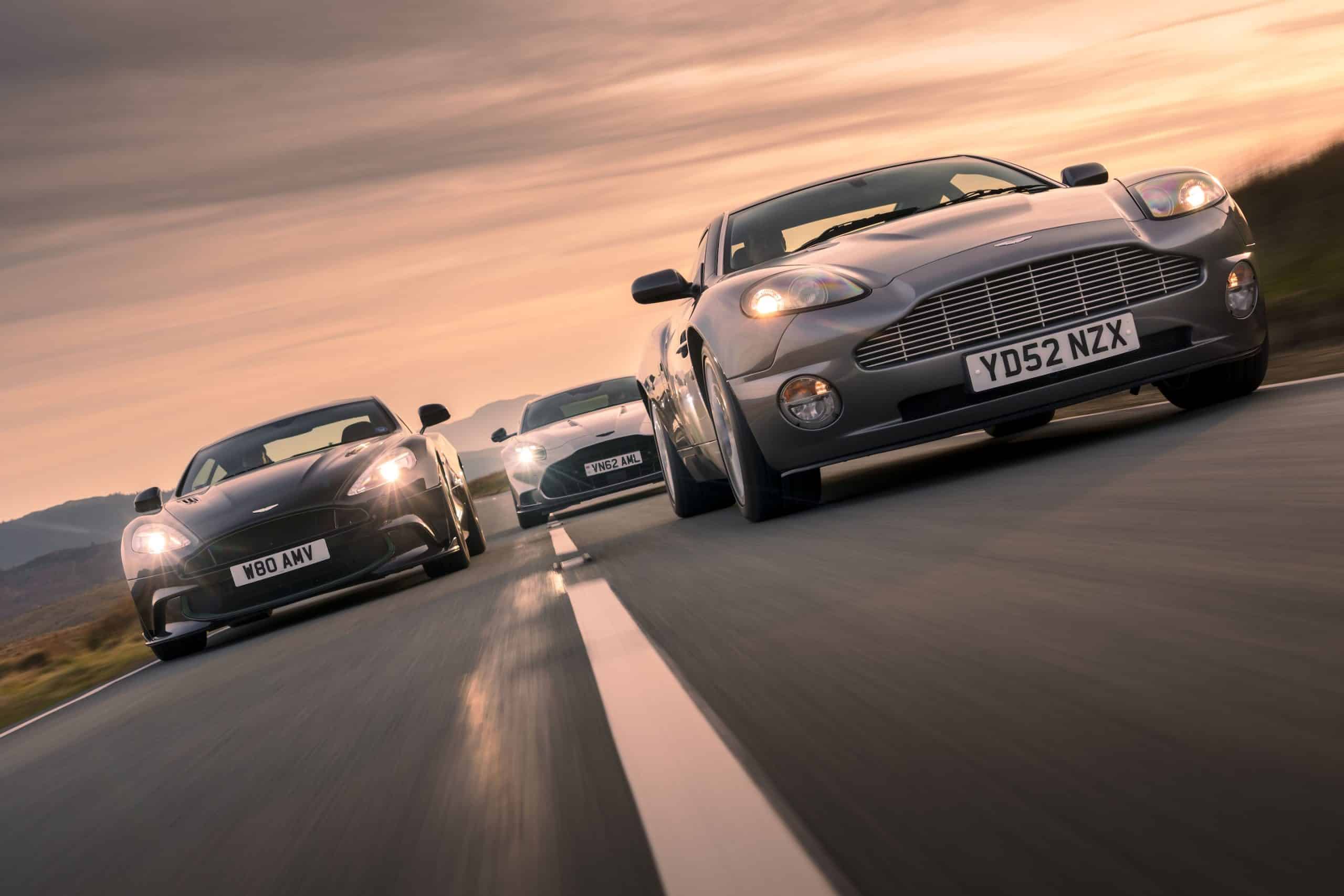
V12 Vanquish | 2001-2007
Incorporating what were, at the time, cutting edge technologies such as drive-by-wire throttle control and F1©-style finger-tip controlled gearshift paddles the final model to be built at the brand’s then Newport Pagnell HQ before its move to Gaydon in Warwickshire, the V12 Vanquish laid down a clear marker for the future – both in terms of technical ambition, and sheer power.
The first Aston Martin to bear the ‘Vanquish’ name featured a new 6.0-litre V12 engine with an output of 460bhp, mated to an F1©-inspired paddle shift gearbox. It used a cutting-edge aluminum tub and composite body panels, and at the time represented a major leap in both design and technology for the luxury marque.
The car’s body structure, including the floor and the front and rear bulkheads, was formed from extruded aluminium sections bonded and riveted around the central transmission tunnel which was constructed entirely from carbon fibre. Single-piece composite inner body side sections with carbon fibre windscreen pillars were also bonded to the central structure to create a high strength safety cell.
Precise, computer controlled, manufacturing processes were required to create the structures – a huge manufacturing leap for Aston Martin at the time – and these were developed in Cupertino, in California’s Silicon Valley, and at the University of Nottingham in the United Kingdom.
Media and customers alike heaped praise on this hugely ambitious newcomer after its glittering launch and the V12 Vanquish, later joined by the yet more potent V12 Vanquish S and, finally, the V12 Vanquish S Ultimate Edition, became an integral part of Aston Martin lore in the early part of this century.
Vanquish | 2012-2018
When the second generation Vanquish broke cover in 2012, ahead of a production start the following year, the automotive world was, once again, nothing short of enraptured.
The unique features of the second generation Vanquish took the design ethos of Aston Martin into a new generation. The all-new exterior form was influenced by the One-77 hypercar, seeing each carbon fibre body panel take a taut, aggressive form.
Every external panel on this Vanquish was made from aerospace standard carbon fibre, essential in crafting the pure surfaces and maintaining the precision used to create such a beautiful design. This made the body 25% lighter than the DBS this model superseded.
Beneath that elegant bonnet lay a 6.0-litre V12 engine boasting significant revisions over its predecessors including features such as bigger throttle bodies, the company’s first dual variable valve timing and new fuel pumps and air boxes. This translated into a prodigious 565bhp power peak, with 457lb ft of torque on offer. Those numbers powered the Vanquish to 62mph in 4.1 seconds and then on to 183mph. Carbon Ceramic Matrix braking technology reduced brake fade and improved heat dissipation when deceleration was required.
Offered in 2+0 or 2+2 seating configurations, and with a capacious boot space of up to 368 litres, this Super GT rightly sat at the pinnacle of the Aston Martin production sports car range and, like its predecessor, was joined by open-roof Volante, and yet more potent 600bhp, 201mph, ‘S’ versions as the production cycle developed.
Vanquish | 2024-present day
Scroll forward once more and we land in 2024, with the debut of the current and most impressive Vanquish yet devised by Aston Martin.
A technical masterpiece befitting a true class leader, today’s Vanquish sits at the pinnacle of Aston Martin’s fabled front-engined sports car range. Showcasing exceptional in-house engineering ability, this new legend extends the Vanquish dynastic bloodline in magnificent style.
Highlights include a world-class V12 engine of monumental potency, a bespoke chassis bristling with state-of-the-art dynamics technology, carbon fibre bodywork of unmatched presence and an interior which sets new standards of modern luxury. With production limited to under 1000 examples a year, this icon continues to reign in ultra-luxury exclusivity.
Powered by a new 5.2-litre Twin-Turbo V12 producing an astonishing 835PS and 1000Nm of torque, Vanquish achieves a new benchmark for supercar performance with immense in-gear acceleration, demonstrated by a 0-60 mph time of 3.3 seconds. Meanwhile the top speed of 214mph made this car, at the time of its launch, the fastest Aston Martin series production model to date.
Like its acclaimed stablemates, DB12 and Vantage, this generation of Vanquish is built around a bonded aluminium body structure with double wishbone front suspension and multi-link rear suspension.
As the marque’s flagship sports car, Vanquish features a Carbon Ceramic Brake system a standard. Comprising 410mm discs on the front axle and 360mm on the rear, the CCB system offers increased braking performance, reduced brake fade at temperatures up to 800°C and a significant reduction in unsprung weight.
As would be expected of any Aston Martin, the car’s aesthetics naturally match its technical prowess. With an all-new surface language, Vanquish expresses contemporary elegance through its toned physique, broad stance and fluid curves. The key to achieving such compelling presence is an increased wheelbase; the distance between the ‘A’ pillar and the front axle being extended by 80mm to lengthen the bonnet for a rakish and dramatic profile.
Reflecting on the three generations of Vanquish to date and the importance of a nameplate coined a quarter of a century ago Aston Martin Historian, Steve Waddingham, said: “Look up the word ‘vanquish’ and you will find it has, in my opinion, one of the best dictionary definitions in the English language. Terms such as ‘conquer’ and ‘overwhelm’ pop up as synonyms and that, broadly speaking, is what the first Aston Martin to bear the now legendary name set out to do; both in terms of its competitors, and in the hearts and minds of buyers.
“The second and, now, third generations of our exceptional flagship Super GT have continued to live up to that aspiration and all those associated with Vanquish over the last 25 years can be rightly proud of the cars they have created.
“Any Aston Martin is, of course, a rare and special thing. But for a car to grow and develop as Vanquish has, through three distinct and exceptional generations, is, to my mind, an extra-special achievement, and it is therefore only right that we now celebrate 25 years of this flagship model.”
If you enjoyed this article, be sure to follow us on Microsoft Start.

Leave a Comment
More in News
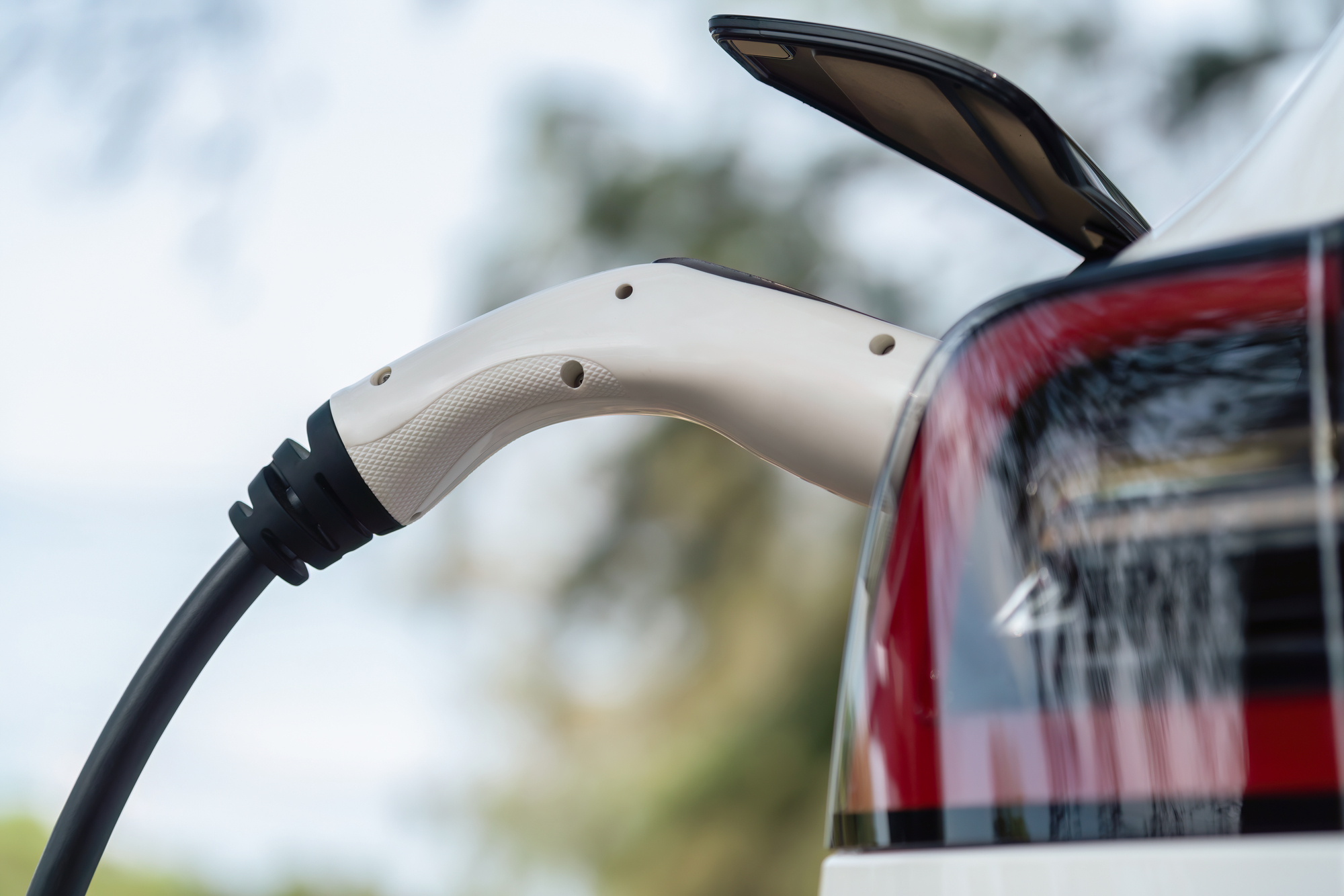
Zapmap Data Shows EV Drivers Pay Almost 800 Percent More to Charge in Public

Electric Car Owners Pay £46 More a Year to Insure, MoneySuperMarket Reveals

Why Dashcam Footage Could Decide Your Insurance Claim (and How to Submit It)

HMRC Tax Change Costs Pickup Truck Drivers Up To £2,000 More a Year

How to Lower Your Car Insurance Premium Without Cutting Your Cover
Trending on Motoring Chronicle

Why One Drink Before Driving Could Soon Be Enough to Lose Your Licence
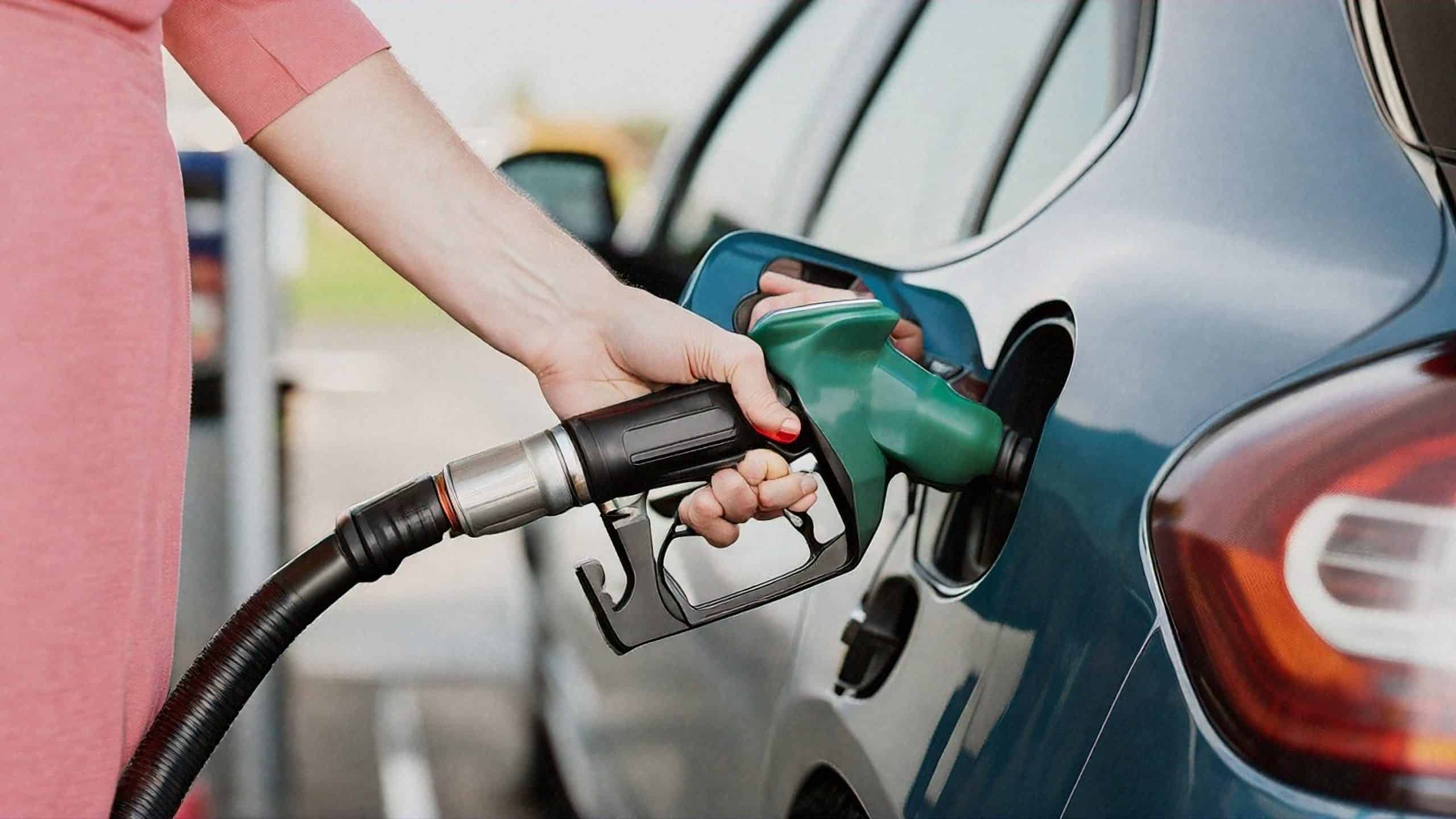
What a Global Oil Flashpoint Means for the Price of Diesel in Britain
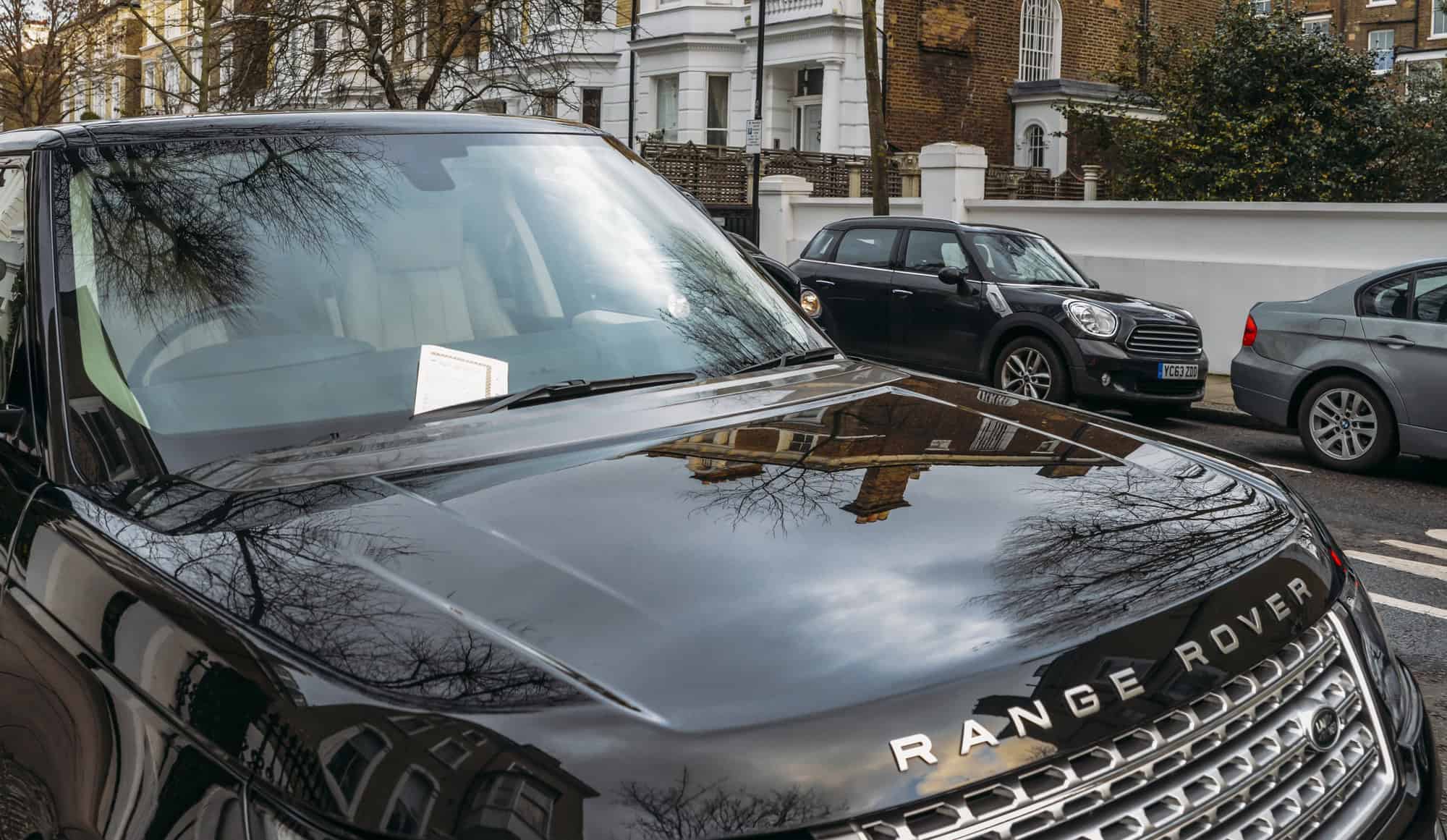
Hackney Council Spent £10,253 on Its Own Staff’s Parking Fines Last Year
How to Claim Your VW Atlas Water Pump Refund Before October 5
