What the UK’s First Laughing Gas Breathalyser Means for Drivers This Summer
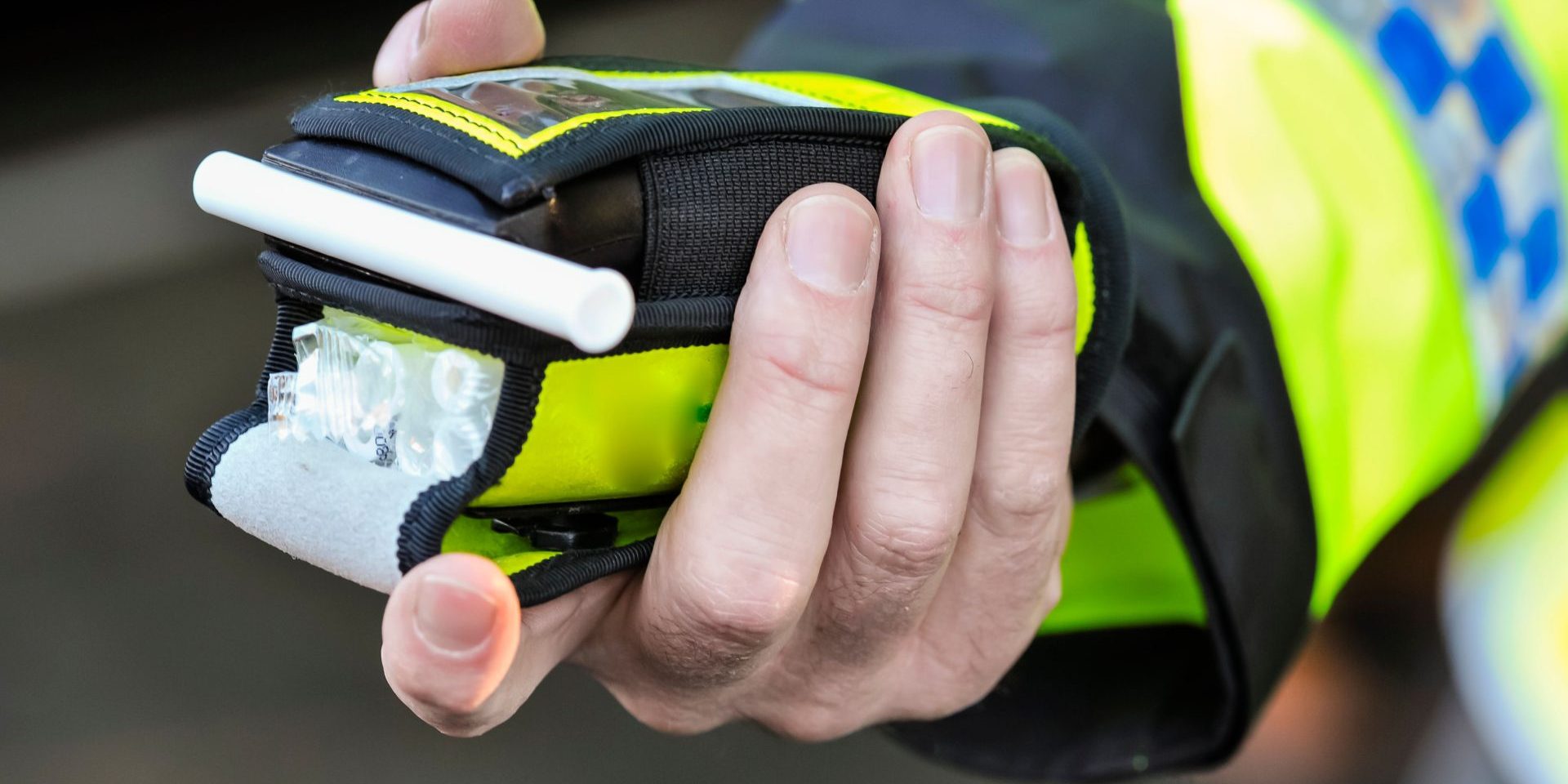
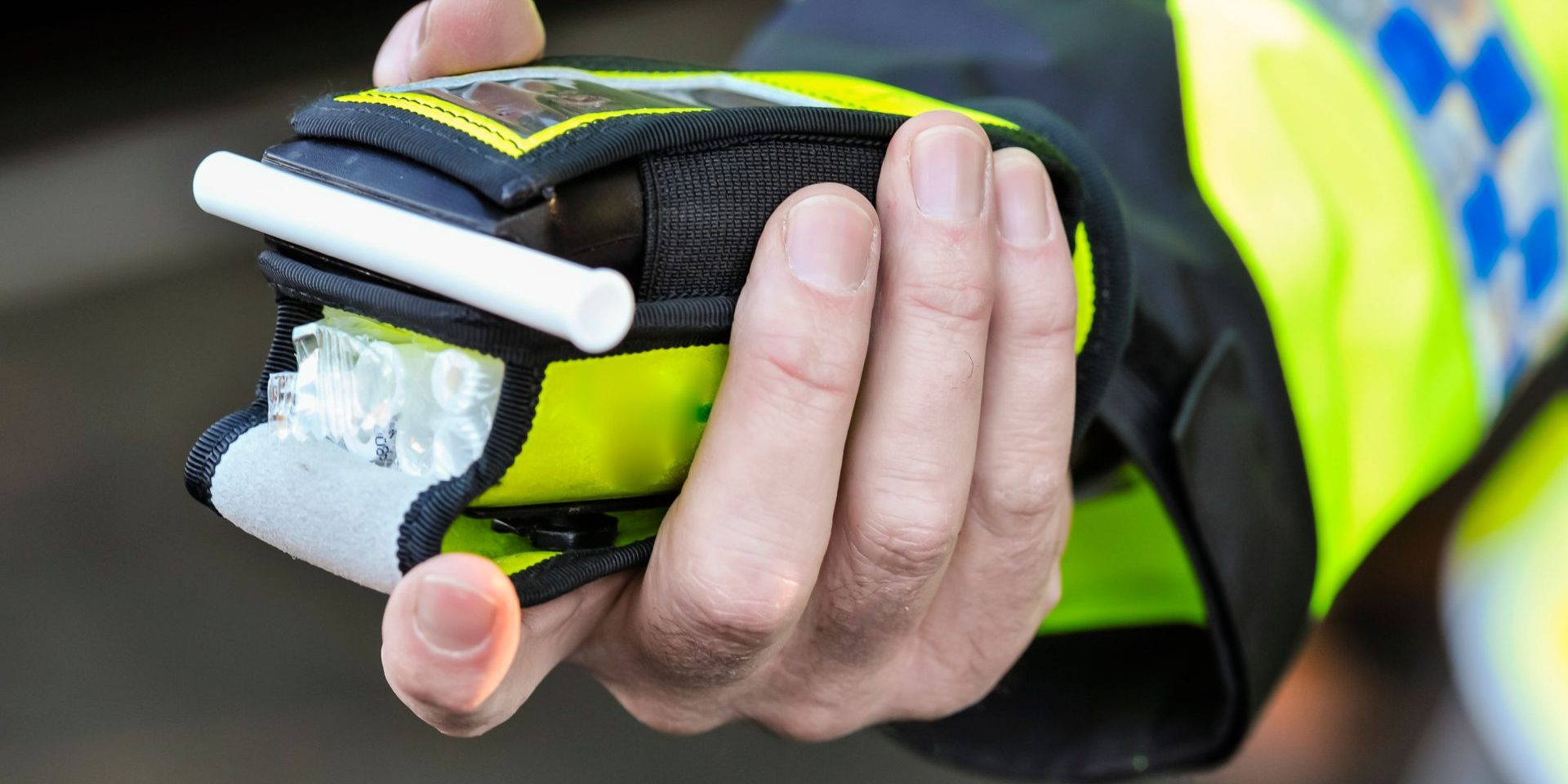
Two of Britain’s largest police forces are about to start pulling drivers over and testing them for laughing gas at the roadside. Hampshire and Isle of Wight Constabulary and Thames Valley Police have confirmed they will be the first forces anywhere in the world to trial a portable breathalyser capable of detecting nitrous oxide on a driver’s breath up to two hours after they have inhaled it. If you are stopped, blow into the device, and it lights up, you can be arrested and charged with drug driving on the spot. The penalty starts at a 12-month driving ban and goes all the way up to a criminal record and imprisonment.
The trial is the latest move in a quiet but rapid escalation of roadside drug testing across England and Wales. Police forces have spent the past decade getting good at testing for cannabis and cocaine, but until now nitrous oxide, known on the street as NOS, hippy crack or balloons, has slipped through the gap. There has been no field test. Officers who suspected a driver was high on NOS had to rely on impairment evidence and station blood tests, which often took so long that any trace was gone. The new device closes that gap, and it is being rolled out at exactly the point when laughing gas use among young drivers is at an all time high.
How the new roadside test actually works
The breathalyser has been developed by Respira Technologies using research from the Vrije Universiteit in Amsterdam. Officers will ask suspected drivers to blow into a portable handheld unit, much like a standard drink-drive breathalyser, except this device is calibrated to pick up traces of nitrous oxide on the breath. According to the manufacturer the test can identify use up to two hours after inhalation, which is significant because nitrous oxide leaves the body extremely quickly compared with most other recreational drugs.
If the test is positive, the driver can be arrested on suspicion of drug driving and taken to a custody suite for a confirmatory blood sample. A spokesperson for the two forces said the technology is being trialled because officers have already attended fatal collisions involving drivers under the influence. They told GB News the substance can cause “neurological damage or death from suffocation of the oxygen supply to the brain”, and added: “Tragically, our officers have already seen deaths connected to drivers who were under the influence of NOS.”
Acting Superintendent Emma Hart, of the joint operations roads policing unit covering both forces, said the testing is intended to break new ground. “That is why our forces are leading this testing phase, to break new ground and prove these devices can help save lives on our roads,” she said. She described nitrous oxide as a “growing issue”, particularly among young drivers who, in her words, do not realise the gravity of the situation.
Why this has become a road safety problem
Nitrous oxide was reclassified as a Class C controlled drug in November 2023 under the Misuse of Drugs Act 1971, which made possession for unlawful use a criminal offence punishable by up to two years in prison. Supply or production carries up to 14 years. The reclassification followed years of warnings from the Advisory Council on the Misuse of Drugs and from emergency services, who were dealing with a sharp rise in serious neurological damage caused by heavy use of the gas.
Government data from the most recent Crime Survey for England and Wales found that nitrous oxide was the third most commonly used drug in the 16 to 59 age group in 2020/21, behind only cannabis and cocaine. Office for National Statistics figures show roughly 230,000 young people inhaled the substance in the year ending June 2022. The cylinders, often sold openly in corner shops before the reclassification, are still widely available online, and large catering canisters containing many times the dose of a small balloon have flooded the market.
The danger behind the wheel is two-fold. The immediate effect is a brief, intense euphoria that can leave a driver completely incapacitated for 30 to 60 seconds, during which they may slump forward, lose grip of the wheel or temporarily black out. The longer term effect of repeated use is irreversible damage to the spinal cord and peripheral nerves, leading to symptoms ranging from numbness in the hands and feet to full paralysis. Either is catastrophic if the user is in charge of a moving vehicle. In a case the police forces highlighted, three teenagers were killed in 2023 after the driver of the car they were in was filmed inhaling NOS behind the wheel and was clocked travelling at 100mph before crashing into a tree.
What the law actually says
A driver caught using nitrous oxide behind the wheel can be prosecuted under one of three pieces of legislation, depending on the evidence. Section 4 of the Road Traffic Act 1988 makes it an offence to drive while unfit through drink or drugs, and applies whether or not a specific limit has been exceeded. Section 5A of the same Act creates the strict liability drug driving offence used for cannabis and cocaine, although nitrous oxide does not currently appear on the list of specified controlled drugs in the Drug Driving (Specified Limits) (England and Wales) Regulations 2014, so prosecutions are most likely to proceed under Section 4. Possession of the gas for unlawful use is separately covered by the Misuse of Drugs Act 1971.
The penalties for a Section 4 conviction are a minimum 12 month driving disqualification, an unlimited fine, up to six months in prison, and an endorsement that stays on your licence for 11 years. Where death results, the offence becomes causing death by careless or dangerous driving while unfit through drink or drugs, which carries a maximum sentence of 14 years in prison and a mandatory lengthy disqualification. Insurers routinely refuse to renew cover after a drug driving conviction, and premiums quoted by specialist underwriters for those who can get cover at all typically run three to five times the standard rate.
What happens if you are stopped
If a police officer stops you and reasonably suspects you are unfit to drive through drugs, they can require you to take a preliminary impairment test or a breath test. Refusing without a reasonable excuse is itself an offence under Section 7 of the Road Traffic Act 1988, carrying the same penalties as the drug driving offence itself, so refusing the new NOS breathalyser is not a way out. If the test indicates positive, you will be arrested and taken to a station for a blood sample, which is the evidential test used in court.
Drivers who have legitimately used nitrous oxide for medical reasons, for example following dental work or in an emergency setting, should make that clear to officers immediately. Medical use is not covered by the Misuse of Drugs Act reclassification, and the legal defence under Section 4 turns on whether ability to drive was actually impaired. Carrying any paperwork showing recent medical treatment is sensible, because the breathalyser cannot distinguish between recreational and clinical use.
Where the trial is happening and what comes next
The Hampshire and Isle of Wight force area covers around 1.9 million people and 5,200 miles of road. Thames Valley Police covers roughly 2.4 million people across Berkshire, Buckinghamshire and Oxfordshire, including the M4, M40 and stretches of the M25 and M3. Together the two forces serve some of the busiest commuter roads in southern England, which is why they were chosen as the testing ground. If the device proves reliable in court, the Home Office is expected to push for rollout across all 43 police forces in England and Wales, as happened with the original drug wipe testers in 2015.
For drivers the practical message is straightforward. Roadside drug testing is no longer limited to the obvious targets. The technology has now caught up with one of the fastest growing drug habits in the country, and the prosecution route already exists. If you drive a friend home after a party, take five minutes to make sure none of your passengers have brought balloons or canisters into the car, because possession alone can lead to questions, and a positive NOS test will end your licence for at least a year.
Sources:

Leave a Comment
More in News

How to Free a Frozen Handbrake (and What a New Cable Costs)

What Winter Tyres Actually Do for UK Drivers (and Whether You Need Them)

Renewing Car Insurance on the Day Cover Ends Costs Drivers £331 More, MoneySupermarket Shows

Every Driver Faces £500 Seatbelt Fines as AI Cameras Flag 19,145 Possible Offences

How to Remove Moisture From Inside Your Headlight Before It Costs You £500
Trending on Motoring Chronicle

The Top 10 Most Iconic Lamborghinis Of All Time

2027 Nissan Frontier Sport Edition Adds Off-Road Hardware and Bold Looks for Late Summer

GT Racing meets Formula 1: the new Mercedes-AMG GT2 Edition W16

EV Home Charging Gets Cheaper in October But Drivers Without a Driveway Will Be Left Behind