How to Remove Moisture From Inside Your Headlight Before It Costs You £500
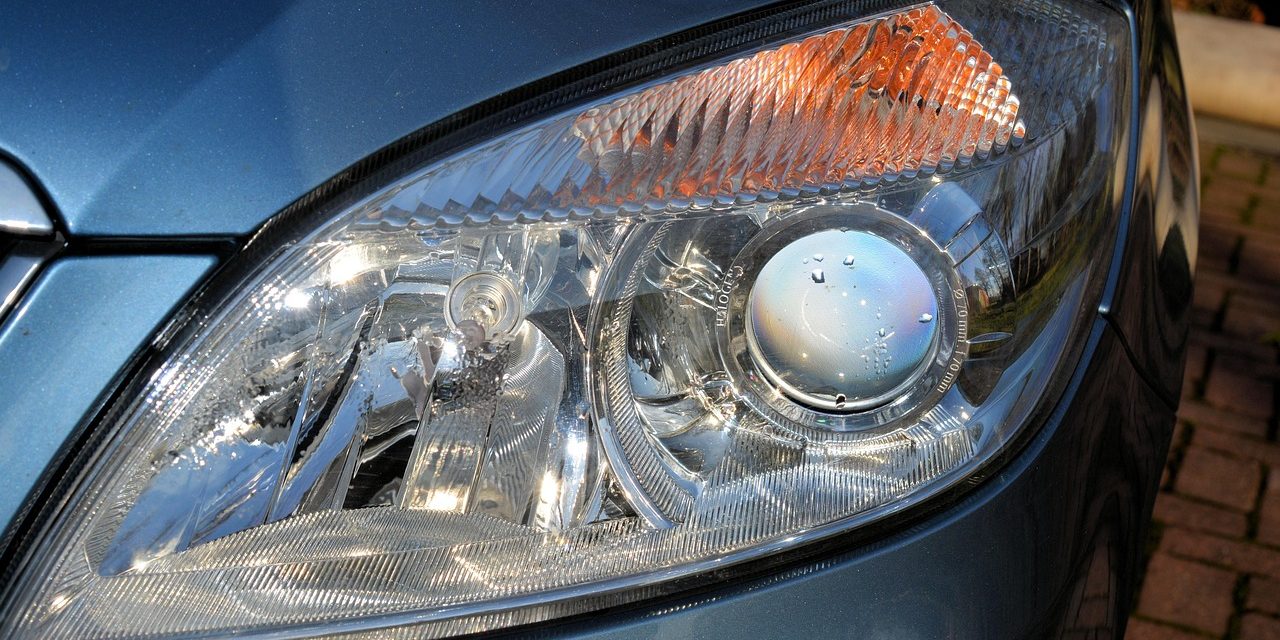
- A light haze inside a headlight that clears once the lights have been on for a few minutes is normal, but water pooling at the bottom of the unit or droplets that never clear point to a failed seal.
- Parking with the headlights on for 20 to 30 minutes, or facing the car at the sun on a dry day, clears most mild cases without opening the unit or spending a penny.
- Leaving it unfixed risks corroded wiring and a dimmer, uneven beam at night, and a full headlight unit replacement at a dealer can run from £200 to as much as £1,000 for a premium model.
How to Tell If It Is Just Damp Air or a Real Problem
Every headlight has small vents built into the housing, designed to let the unit breathe as it heats up and cools down, and those vents are the usual route by which moisture gets inside in the first place. Warm, humid air sits inside the sealed lens, then cools overnight or with a sudden drop in temperature, and the water in that air condenses on the inside of the lens exactly the way it does on a cold window. A light mist that appears after a wash or an overnight parking spell, and clears within a few minutes of the headlight being switched on or the car being driven, is completely ordinary and needs no action at all.
What is not normal is water visibly pooling at the bottom of the unit, droplets running down the inside of the lens, or a haze that is still there after a full day of driving. That pattern points to a seal that has failed rather than a vent doing its ordinary job. The usual cause is a rubber or foam seal that has hardened and cracked with age and UV exposure, or a stone chip, a careless jet wash at close range, or a previous repair that has left a small gap somewhere in the unit. Left alone, that kind of ongoing moisture can corrode the bulb holder, the wiring and the electrical connector behind the lens, and it will keep coming back however many times it is dried out: the underlying cause has not been fixed, only the symptom.
The Free Fix to Try First
For a mild case, the cheapest and most reliable fix is heat. Park somewhere dry, switch the headlights on, and leave them running for 20 to 30 minutes with the engine on. A running engine generates more underbonnet heat than the lights alone, which speeds up the drying considerably. On a dry, sunny day, parking with the affected headlight facing the sun can clear a mild case within a few hours without turning a single bulb on. Neither method costs anything beyond a bit of fuel, and both work by doing exactly what the vents are there for: letting warm air inside the unit carry the moisture back out.
A hairdryer on a low heat setting, held a reasonable distance from the housing and aimed at the vents rather than directly at the lens, can speed up drying on a unit that has not cleared itself after a day or two of normal driving. Silica gel packets, the small desiccant sachets that come packed with electronics and shoes, placed near the external vents without blocking them, can help absorb ambient moisture in the housing over a few days and are worth trying on a headlight that keeps misting lightly in cold, damp weather even when there is no obvious fault.
When the Problem Is the Seal, Not the Weather
If the heat and drying methods do not clear it, or the moisture comes straight back within a day or two of drying it out, the housing’s seal needs attention rather than another round of drying. The first thing to check is the external vents themselves, making sure nothing is blocking them and that any vent caps or breather tubes are properly seated. A blocked vent stops the unit breathing properly and traps moisture inside. The second is the seam where the lens meets the housing, which on most modern headlights is glued rather than bolted, running a finger around the join checking for any gap, crack or lifted edge.
A seal with early, minor damage can sometimes be improved with a thin, even bead of automotive silicone sealant run carefully around the affected section, paired with a water repellent spray treatment on the vents and the lens edge to reduce how much moisture reaches the seal in the first place. This is a reasonable do it yourself repair for a small section of lifted seal on an older car, and typically costs under £15 in sealant and spray. It is not a fix for a cracked lens, a seal that has failed all the way around the unit, or any housing that has taken a hard knock, all of which usually mean the whole seal, or the headlight itself, needs replacing.
What It Costs If You Leave It, and What Repair Actually Costs
Ignoring persistent headlight moisture does not just risk a slightly less impressive looking car. Water sitting against the bulb holder and the wiring connector behind the lens corrodes the contacts over time, which can cause a bulb to fail early, flicker, or in more advanced cases, trip a fault on the car’s electrical system. The beam pattern itself also suffers: moisture scattering the light inside the lens can leave the headlight noticeably dimmer or create dark patches in the beam exactly where the road ahead needs the most light. Under the DVSA’s MOT inspection rules, a headlamp has to work correctly and be properly aimed, and a tester who notices a beam visibly affected by water inside the unit is entitled to raise it as an advisory or a fail, so a headlight nursed along for months with moisture inside it can end up costing an MOT pass, not just night time visibility.
Costs for sorting the problem properly vary a great deal depending on how far it has gone. A basic diagnostic check at an independent garage to confirm whether the issue is the vents, the seal or something more serious typically runs £25 to £50. Professional moisture removal and resealing of the existing unit, where that is possible, costs roughly £60 to £120 per headlight at an independent garage, with franchised dealers often charging 30 to 50 percent more for the same job. Where the unit itself has to be replaced, a standard OEM headlight assembly typically costs £200 to £500, rising to £600 to £1,000 for a premium model with adaptive or matrix LED technology, before labour of around £40 to £80 per side is added. Aftermarket replacement units, where available for the model, are usually 30 to 40 percent cheaper than the manufacturer’s own part and a reasonable option on an older car that is not expected to be kept for many more years.
Keeping It From Coming Back
Once a headlight has been properly dried out and any seal issue addressed, a few habits keep the problem from returning. Avoid aiming a high pressure jet wash directly at the headlight from close range. That is one of the more common ways a sound seal gets forced open in the first place. Driving regularly, rather than leaving a car parked up for long spells, keeps the unit cycling through its normal warm and cool pattern and tends to stop moisture building up unnoticed. Checking the headlights after a hard winter or a long damp spell, especially on a car old enough for its seals to be showing their age, catches a new leak early, while it is still a £15 tube of sealant rather than a £500 replacement unit.
Sources:

Leave a Comment
More in News
What Red and Amber Warning Lights Actually Mean (and Which Fail an MOT)

How to De-Ice Your Windscreen Fast Without Cracking It (and Staying Legal)

New Cars Face Euro 7 Rules From 29 November With a £264 Price Rise
What the Traffic Penalty Tribunal’s 33 Percent Success Rate Means for Every Driver

Why Thousands of Classic Car Owners Pay DVLA Up to £375 in Needless Tax
Trending on Motoring Chronicle

Wheels That Could Separate, Seats That Could Fail And Dashboards That Go Blank. Three Recalls Every Driver Should Know About

What Actually Happens If You Put the Wrong Fuel in Your Car

Why 860,000 Disabled Drivers Face Higher Costs and Less Choice from July 1

How Secret Police Tolerance Rules on Speed Cameras Could Cost UK Drivers £2,500