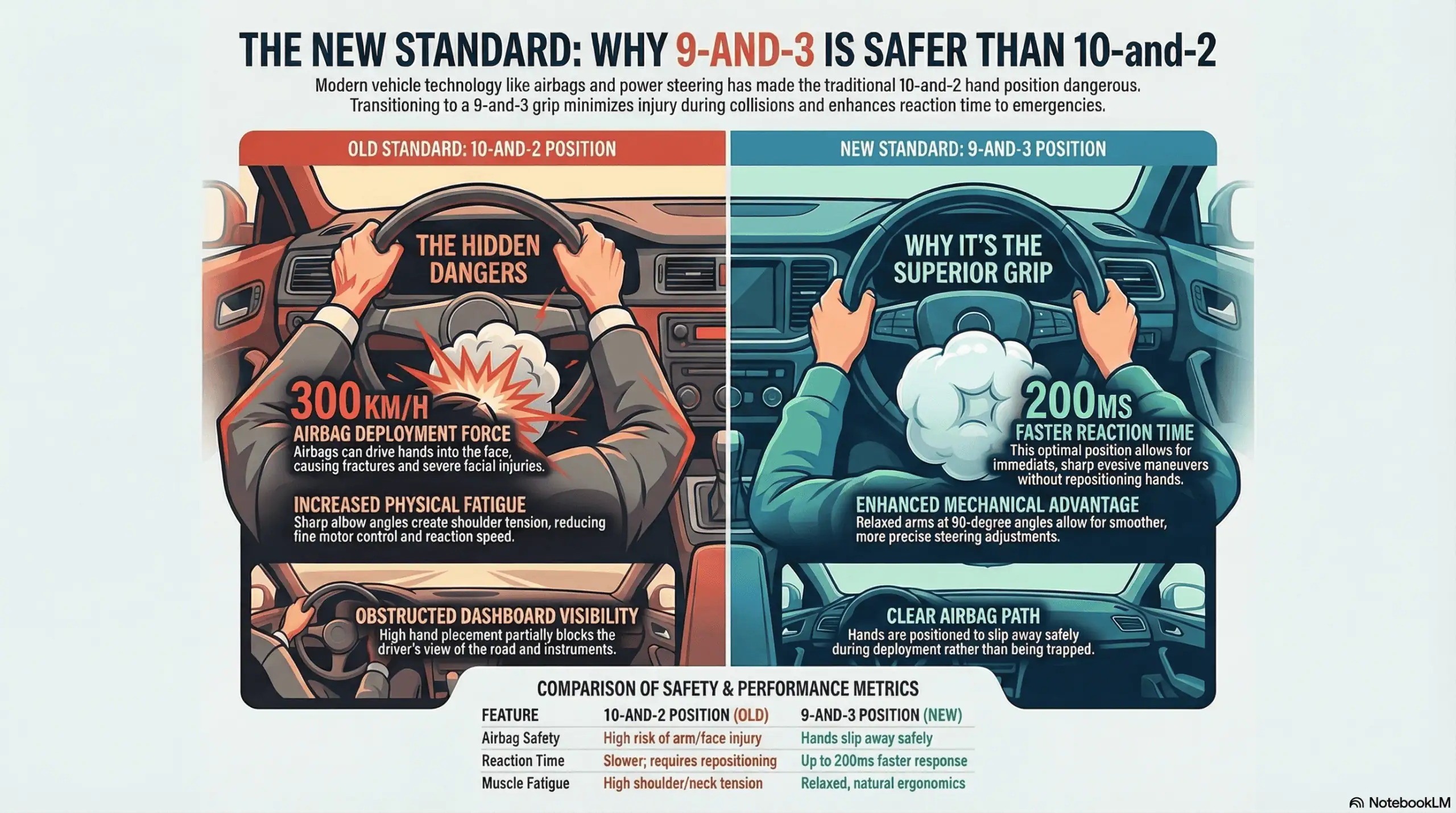
Every Driver Faces £500 Seatbelt Fines as AI Cameras Flag 19,145 Possible Offences
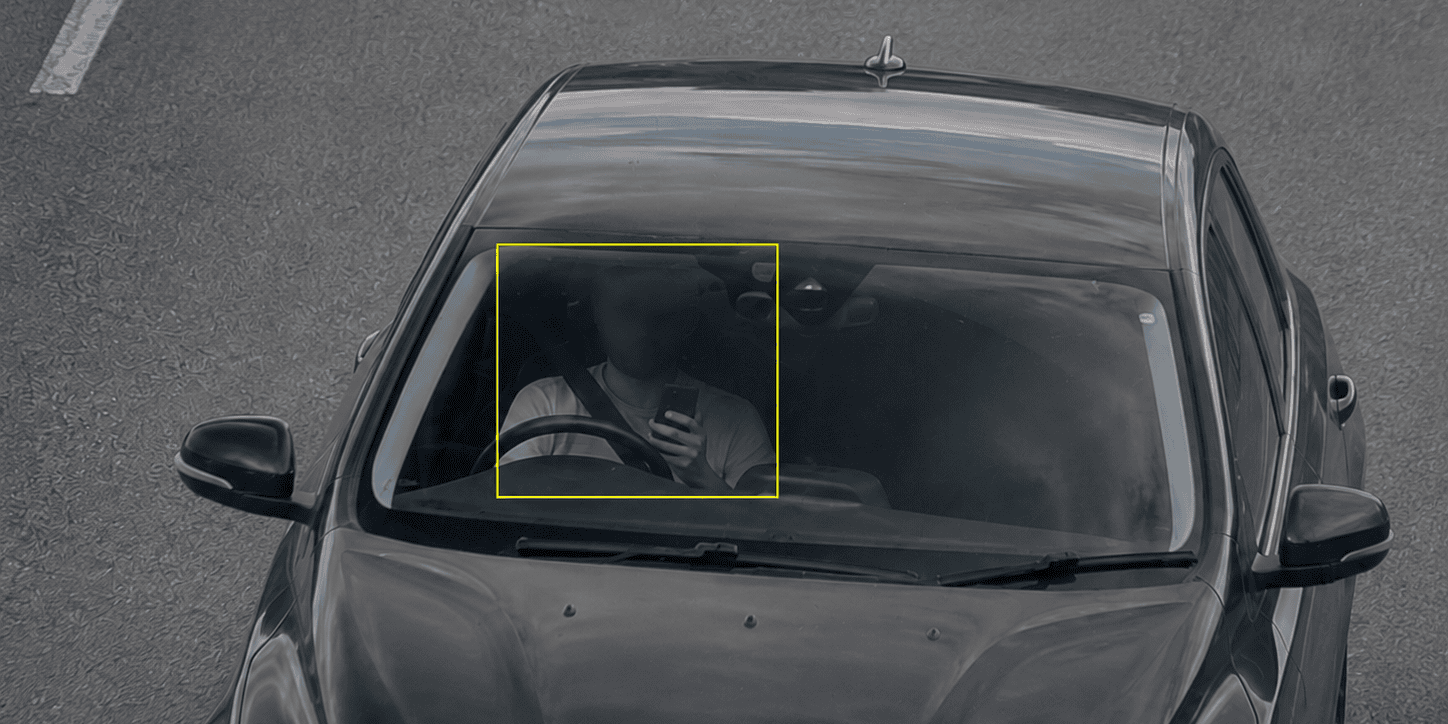
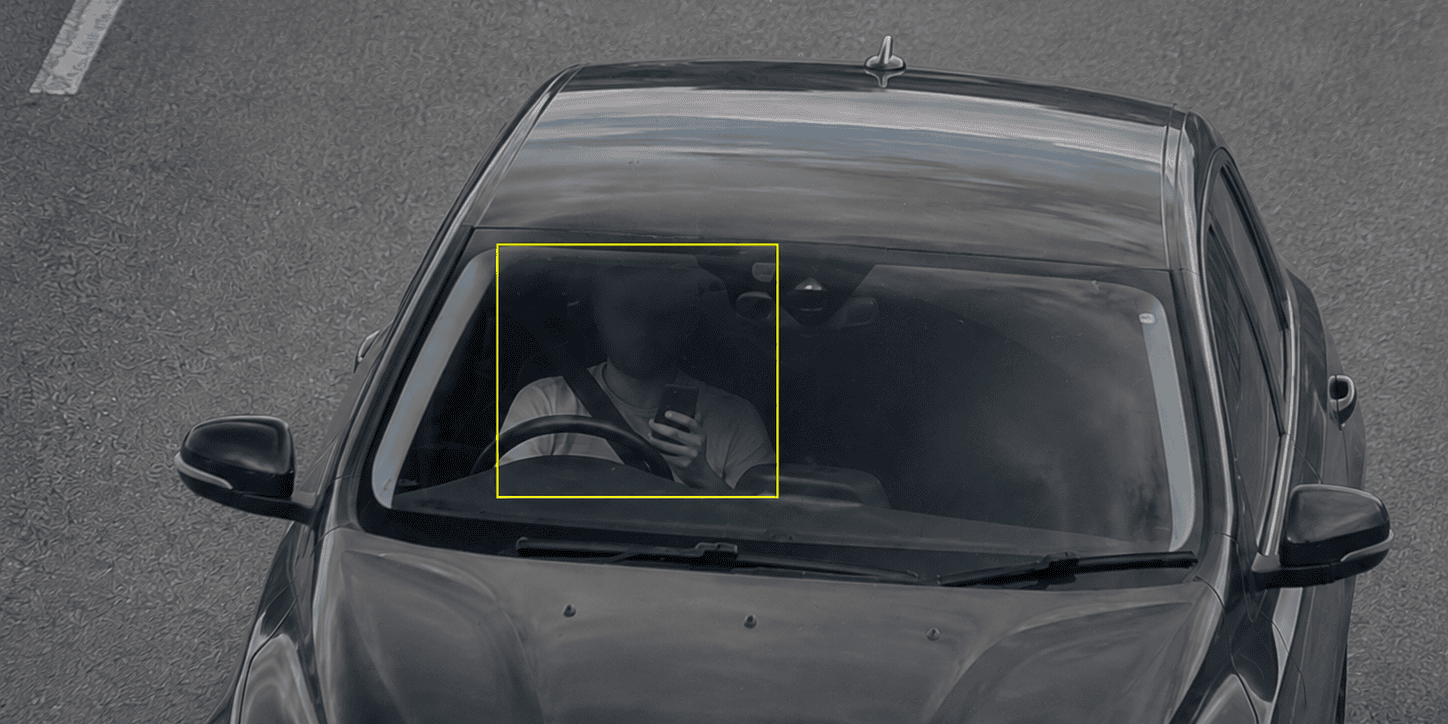
- A two-week West Midlands trial of AI cameras flagged 19,145 potential seatbelt and mobile phone offences outside just two fire stations, according to the RAC.
- Not wearing a seat belt already carries a fine of up to £500, a handheld phone costs £200 and 6 penalty points, and a Department for Transport consultation proposes 3 points for seatbelt offences.
- The figures are potential offences from initial scans, and human operators checked a sample of 8,024 images for accuracy.
Two Fire Stations, Two Weeks and 19,145 Flagged Drivers Show How Much Cameras Can See
Park a camera outside a fire station for a fortnight and count the drivers who ignore the basics. That was the idea behind a road safety trial funded by the West Midlands Combined Authority, and the tally has landed: 19,145 potential offences, almost all of them people not wearing a seat belt.
The RAC reported the results on 14 October 2026. The trial ran in March, with AI cameras set up outside the fire stations at Ladywood in Birmingham and Fallings Park in Wolverhampton. Nobody has been told they are in trouble. These are initial scans, not confirmed convictions. Yet the numbers show what the technology can pick out of ordinary traffic, and they arrive as the government looks at tougher penalties for the same behaviour.
What the West Midlands Trial Found
Ladywood produced the larger haul. Its camera flagged 11,144 potential seatbelt offences and 1,163 potential mobile phone offences, a total of 12,307. Fallings Park added 6,081 potential seatbelt offences and 757 potential phone offences, a total of 6,838.
Add the two sites together and the split is stark. Seatbelt cases came to 17,225, against 1,920 for phones. That means roughly nine in every ten flagged drivers were not belted in, and about one in ten appeared to be holding a phone.
Break the numbers down by site and the gap between the two stations is plain. Ladywood accounted for about 64% of all flagged cases, yet both cameras ran for the same two weeks. Roads, traffic mix and time of day all differ, so the trial cannot say whether Birmingham drivers behave worse than Wolverhampton drivers. It can say that thousands of people in each place were caught on camera without a belt or with a phone in hand.
The images behind those counts are uncomfortable. They included a front-seat passenger holding a small child without a seat belt, dozens of children without a restraint suited to their age, and a driver gripping a phone with both hands. None of that needs a technical report to explain. A child held in someone’s arms has no restraint at all.
Mat MacDonald, the West Midlands Road Safety Commissioner, said mobile phone use at the wheel and failing to wear a seat belt are two of the leading causes of death and serious injury on the road network.
How the Cameras Work and What the Figures Do Not Prove
The technology was developed and supplied by AECOM and Acusensus. The system photographs vehicles as they pass and flags images that appear to show a rule being broken, and people then look at what the software found. For the trial, human operators checked a sample of 8,024 images for accuracy.
That checking step is the part to watch. The RAC reported the sample size but the headline totals are described as potential offences from initial scans, so they are not a count of drivers who would be prosecuted. A passenger can look unbelted when a belt sits behind a shoulder. A driver can look as if they are holding a phone while adjusting a mirror. Any enforcement scheme built on this kind of camera would depend on how many flagged images survive human review.
For context, the trial was paid for by a regional body rather than a police force. So who decides whether the cameras stay is an open question. The penalties come from national rules, so any move from measuring to fining would need police involvement and a clear process for checking images before a notice is sent. The RAC article does not report any such decision.
Location also shapes the totals. Both cameras sat outside fire stations, in two urban areas, for just two weeks. The results describe those roads in that period. They do not hand anyone a national rate, and the headline figure should not be read as a forecast for a street near you.
Still, the same type of kit is spreading. Readers of Motoring Chronicle will recognise the pattern from our report on cloned number plates and record DVLA complaints, where cameras and data again sit at the centre of enforcement.
What You Pay Today for a Seatbelt or Phone Offence
GOV.UK states that you can be fined up to £500 for not wearing a seat belt when you are required to. The Department for Transport consultation document breaks that down: a £100 fixed penalty notice, or a court fine of up to £500. At present the seatbelt offence carries no penalty points.
The driver carries responsibility for children. A child must use the correct car seat for their size until they reach 135cm tall or turn 12, whichever comes first. Children aged 12 or 13, or younger but over 135cm, must wear a seat belt. A driver can be fined up to £500 if a child under 14 is not in the right seat or wearing a belt. The seat belt law applies only where a belt is fitted, and each belted seat can carry one person.
Phones carry a heavier penalty. GOV.UK says: “You can get 6 penalty points and a £200 fine if you hold and use a phone.” A court can also impose a driving ban and a higher fine. Drivers who passed their test within the last 2 years lose their licence. Hands-free use is allowed, as long as the device is never held while in use. A Bluetooth headset, voice commands, a dashboard holder and a built-in sat nav all qualify.
Set the penalties side by side and the gap is clear. Today a driver caught without a belt pays £100 and takes no points. A driver caught with a phone pays £200 and takes six points. The government wants to narrow that gap.
The Proposed Points and What Happens Next
The consultation titled “Proposed changes to penalties for motoring offences” would make seat belt non-compliance an endorsable offence worth 3 penalty points. The proposal would cover drivers and passengers who do not wear a belt, and drivers who do not make sure children under 14 are properly restrained. The document does not propose changing the fines themselves.
The consultation opened on 7 January 2026 and closed in spring 2026, about four months later. The Department for Transport says a summary of responses, with next steps, will be published within 3 months of closing. The GOV.UK page lists no government decision.
Put the two stories together. Cameras that can flag thousands of unbelted occupants in a fortnight, plus points on a licence, would turn a £100 fine into a penalty that stays on a licence. That combination has not been announced as policy, and the figures come from a two-week trial. But the direction of travel is visible. Our earlier coverage of the Department for Transport casualty figures for older drivers shows how closely the department tracks who is hurt in car crashes.
What Drivers Can Do Now
Start with the obvious. Belt up on every trip, however short, and check every passenger before the car moves. In the back seat the rule is identical.
Check child restraints before the school run. Measure the child if you are unsure: 135cm or age 12 is the threshold for moving out of a car seat. Make sure the seat fits the vehicle and the straps are not twisted. A £500 fine is the smaller cost of getting this wrong.
Move the phone out of reach. Mount it in a dashboard holder before you set off and use voice commands for calls and directions. If a call cannot wait, pull over somewhere safe.
If you ever receive a notice of intended prosecution that you believe is wrong, ask for the evidence image. Camera systems that flag potential offences rely on human checks, and a clear image decides whether a case stands.
Watch for the consultation outcome too. Look out for the Department for Transport’s published response, which will say whether 3 points for a seatbelt offence goes ahead and when.
Sources:

Leave a Comment
More in News

How to Remove Moisture From Inside Your Headlight Before It Costs You £500
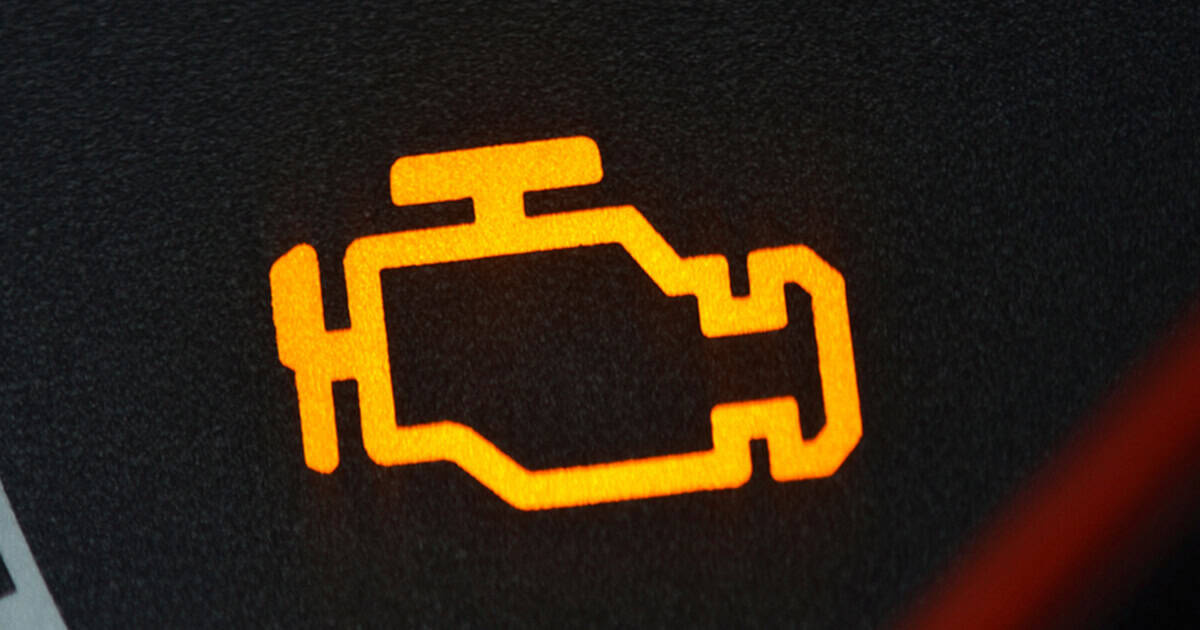
What Red and Amber Warning Lights Actually Mean (and Which Fail an MOT)

How to De-Ice Your Windscreen Fast Without Cracking It (and Staying Legal)

New Cars Face Euro 7 Rules From 29 November With a £264 Price Rise
What the Traffic Penalty Tribunal’s 33 Percent Success Rate Means for Every Driver
Trending on Motoring Chronicle
DfT Plans Euro 7 Brake, Tyre and Battery Rules for Every New Car From 2027

Electric Car Owners Pay £46 More a Year to Insure, MoneySuperMarket Reveals

California Used Car Buyers Get a 3 Day Right to Return Starting October 1

Introducing The Lamborghini Temerario: An Authentic “Fuoriclasse” [Photo Gallery]