
Every UK Driver Faces Two More Fuel Duty Rises Worth 4p by March 2027
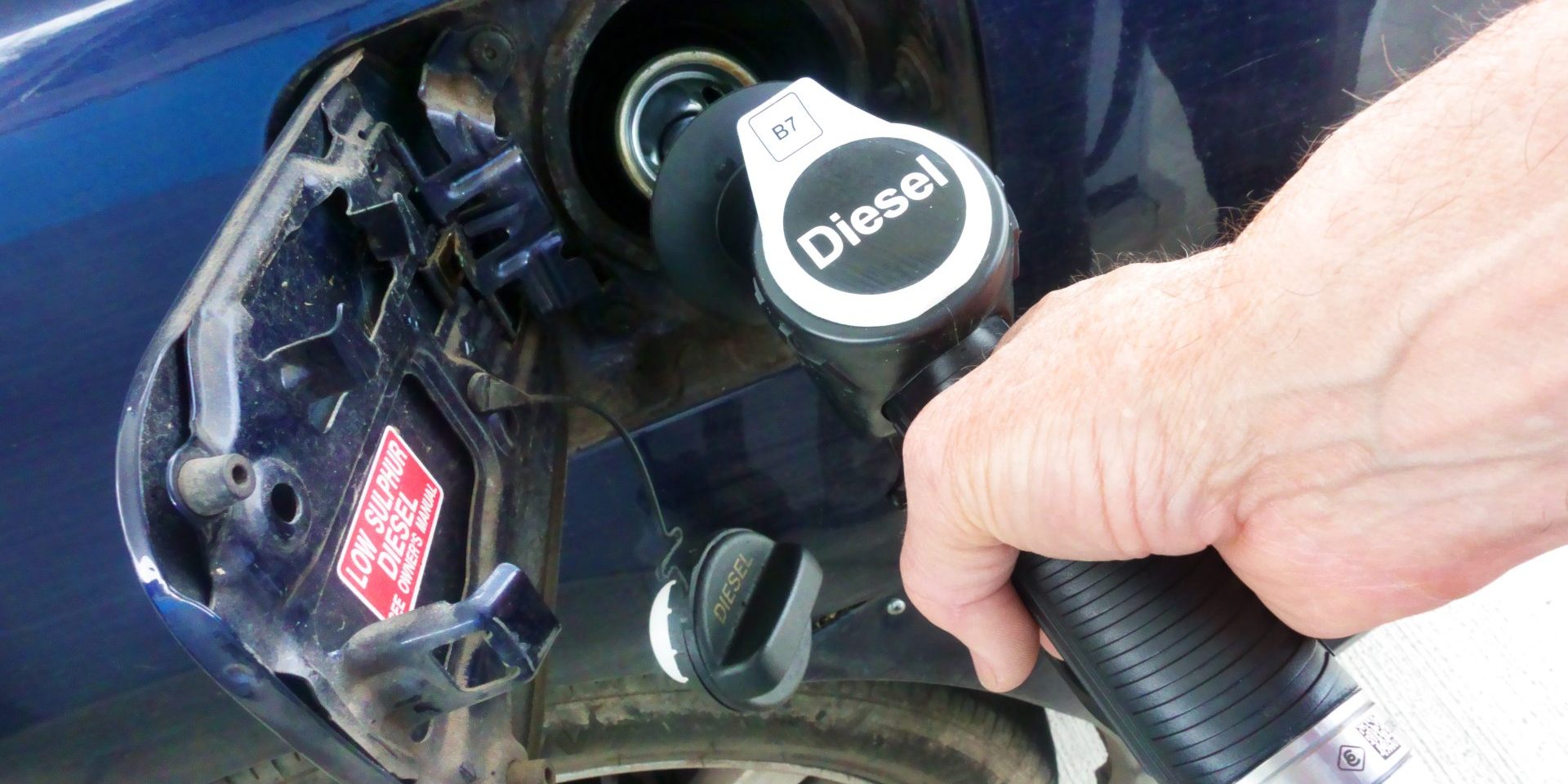
- Fuel duty is rising for the first time in 15 years, in three confirmed steps: 1p a litre from 1 September 2026, a further 2p from 1 December 2026, and a final 2p from 1 March 2027, taking petrol and diesel back to 57.95p a litre.
- The rise unwinds a 5p cut that has held duty at 52.95p a litre from March 2022 to now, a cut first called temporary and then extended five times by two different governments.
- Based on a driver covering the UK average of around 7,100 miles a year, the two rises still to come add up to roughly £32 in extra fuel costs annually, on top of whatever the September increase has already cost at the pump.
The Freeze That Was Never Going to Last Forever
For four and a half years, every UK driver has filled up at a price that quietly included a government discount. Fuel duty was cut by 5p a litre in March 2022, in response to petrol and diesel prices spiking after Russia’s invasion of Ukraine, bringing the rate down from 57.95p to 52.95p. It was described at the time as a 12 month measure. A Conservative government extended it in 2023 and again in 2024. A Labour government extended it again in its first Autumn Budget, setting an end date of April 2026, then extended it a further time in the November 2025 Budget, pushing the cut through to the end of August 2026. That extension has now run out.
From 1 September 2026, duty rose by 1p a litre, to 53.95p. A second rise lands on 1 December 2026, adding 2p to take the rate to 55.95p. A third rise follows on 1 March 2027, adding a final 2p to reach 57.95p, exactly the rate that applied before the 2022 cut began. Taken together, the three steps return fuel duty to where it stood four and a half years ago, reversing the discount in full rather than letting it fade gradually.
What This Actually Costs at the Pump
A 55 litre tank costs 55p more to fill after the September rise alone. Once the December and March increases land, the same tank costs £2.75 more than it did in August 2026, on duty alone, before VAT and any change in the wholesale oil price are even considered. Spread across a full year of driving, using the Department for Transport’s figure of around 7,100 miles as the average distance driven by a UK car, the two rises still ahead of most drivers add up to roughly £32 in extra annual fuel spending. Diesel drivers face the identical pence-per-litre increase, so a diesel family car covering a higher annual mileage for work will see a correspondingly larger bill.
The government’s own estimate puts the value of the outgoing cut, relative to the rate that would otherwise have applied with annual inflation increases, at around £49 for an average car driver across the 2026 to 2027 tax year. That figure reflects the gap between the frozen rate and where duty would have landed under the normal inflation-linked policy that has applied in law from 2011 onward, a policy that has not actually been allowed to bite in any of the fifteen years that followed.
Why Two Politicians Can Both Be Telling the Truth
Fuel duty has become a genuine point of political confusion this autumn, and the confusion is not accidental. The Prime Minister has said there has been no rise and that duty is frozen. The Leader of the Opposition has said the government is hiking fuel duty for the first time in 15 years. Independent fact-checkers at Full Fact confirmed both statements check out. Duty was indeed frozen through the summer, and the increases do begin in September. Each politician is simply choosing the half of the timeline that suits their argument. For a driver trying to work out what they will actually pay, the only numbers that matter are the three dates above and the pence-per-litre figure attached to each one.
Opposition parties and some backbench MPs have called for the government to cancel the remaining increases, pointing to global oil price volatility tied to events in the Middle East as a reason to hold off. The Prime Minister has said the situation will be kept “under review,” language that stops short of a promise to cancel anything. Nothing in the Treasury’s published schedule has changed as of this week, and drivers budgeting for December and March should plan around the rises taking effect as scheduled rather than assume a political intervention will arrive in time.
What Happens From April 2027
The three scheduled rises only return duty to its pre-2022 level. They do not restart the annual inflation uplift that is supposed to apply every year under existing tax law. The government has cancelled that uplift for the 2026 to 2027 year specifically, meaning the headline rate does not move beyond the three confirmed steps before March 2027. From 1 April 2027, duty is scheduled to go back onto automatic RPI-linked increases each year, the policy that has been on the books from 2011 onward but suspended, frozen or cancelled by every Chancellor in that time. Whether that actually happens again depends on the Budget process each autumn, and on a UK government choosing, for the first time in over a decade, to let the automatic rise through rather than freeze it again. The political disagreement counts for less, to a household budget, than the three dates already locked in. A future Budget could still cancel the April 2027 return to RPI-linked rises, but the September, December and March increases already sit in law and would need a fresh Act of Parliament to unwind, something no Chancellor has signalled any intention of doing. Treat the 57.95p a litre figure from March 2027 as the number to plan around, and treat any further relief as a welcome bonus rather than something to count on in a household budget set this winter. A useful comparison point is the price of the same tank a year earlier. Filling a 55 litre tank in September 2025, under the full 5p cut, cost £2.75 less in duty alone than the same fill will cost from March 2027. Across a typical two-car household covering a combined 14,000 miles a year, the three rises together add somewhere in the region of £60 to £65 in extra annual duty once both cars and the full schedule are accounted for, on top of whatever VAT and wholesale price changes add on their own. None of that is dramatic on a single tank. Added up over a full year of driving for a family with two cars on the road, it is a real line in the household budget rather than a rounding error.
What to Do Before December
If a fuel card, salary sacrifice scheme or company mileage rate is tied to the pump price, check whether the rate updates automatically or needs a manual request. A fixed mileage allowance that does not move with duty effectively hands the increase straight to the driver. Anyone making a large discretionary purchase of fuel, such as topping up a static tank for a generator, boat or caravan ahead of winter, can do so before 1 December to lock in the lower rate for that volume. Beyond that, there is no legal way around the increase for ordinary motoring. The only lever available to most drivers is reducing litres bought rather than paying less per litre, through route planning, tyre pressure checks and cutting unnecessary short journeys where another option exists.
Comparing pump prices between supermarket forecourts and branded stations also counts for more once duty itself is rising. The pence-per-litre gap between a cheap supermarket filling station and an expensive motorway service station can run well beyond the 4p a litre still to land from the duty rises themselves. Apps that track live, crowd-sourced fuel prices by postcode take a few seconds to check before a long drive and routinely find a cheaper station within a short detour. That habit costs nothing and, built up over a year of regular driving, does more to offset the September, December and March increases than any single change to driving style on its own.
Sources:

Leave a Comment
More in News

Newcastle Drivers Paid £3.7 Million in Parking Enforcement as Council Income Jumps 23 Percent

Coventry Drivers Paid £5.4 Million in Parking Charges as Council Surplus Jumps 80 Percent

What Your Rights Actually Are When a Garage Overcharges or Botches a Repair
£625 Million of Detected Motor Fraud Costs Honest Drivers, ABI Figures Show

BYD Dolphin-G review: UK’s first plug-in hybrid supermini is a winning package
Trending on Motoring Chronicle

NHTSA Gives Tesla Until August 12 to Hand Over a Document Called Radar Saves Us
Universal Technical Institute Celebrates 100th Graduating Class from Porsche’s Technology Apprentice Program

A celebration of Bugatti past and present: the inaugural concours d’Élégance International Schlumpf [Photo Gallery]

One In Five Over-50s Have Not Read The Highway Code Since Passing Their Test, And The Rules Have Changed Dramatically
