Colorado Drivers Face $100 Fine on I-70 If Tires Fail Traction Law
- Colorado State Patrol troopers contacted 703 commercial drivers in two Dotsero enforcement operations and issued 262 citations, 63 of them for chain-carrying violations.
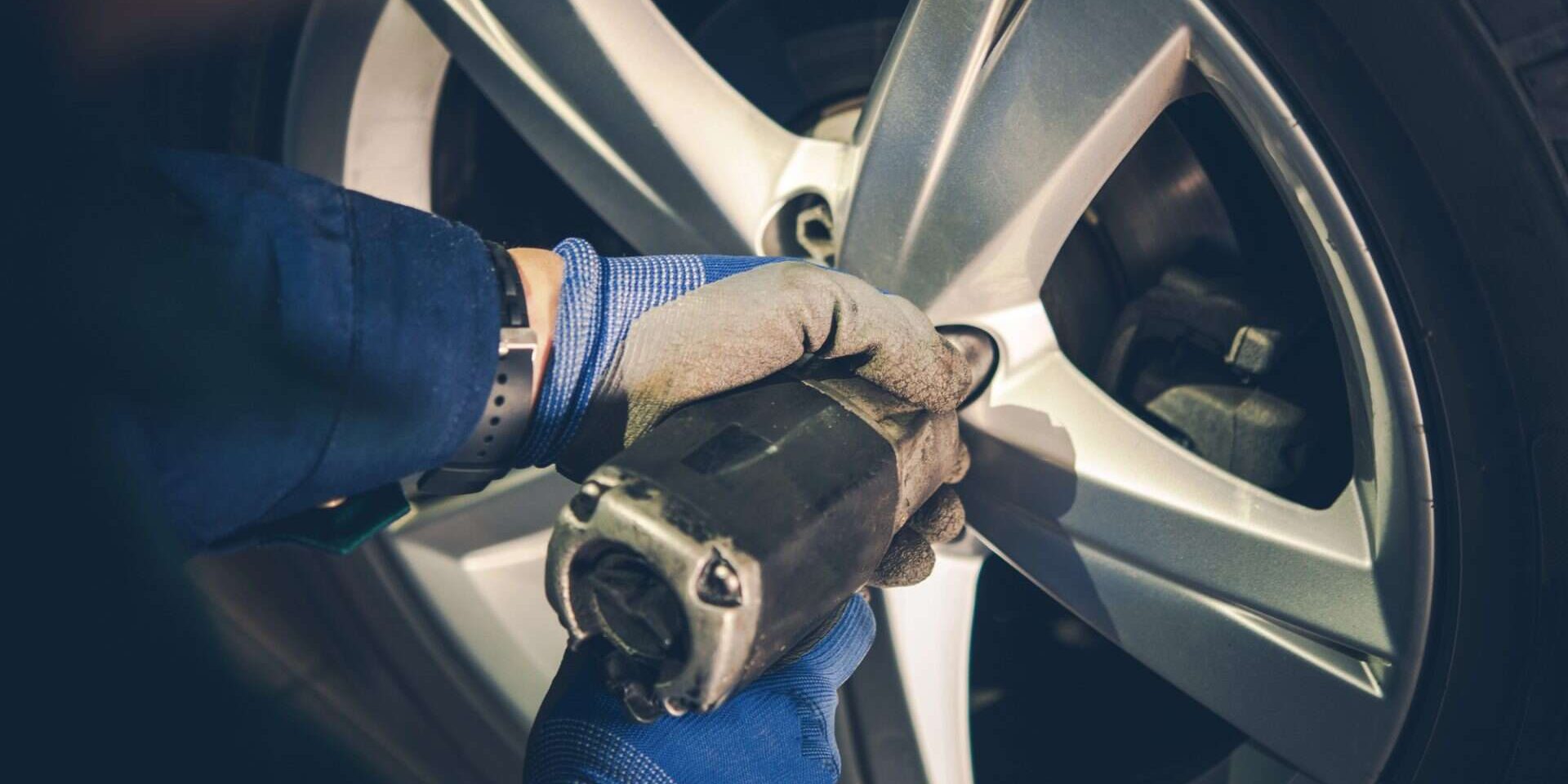
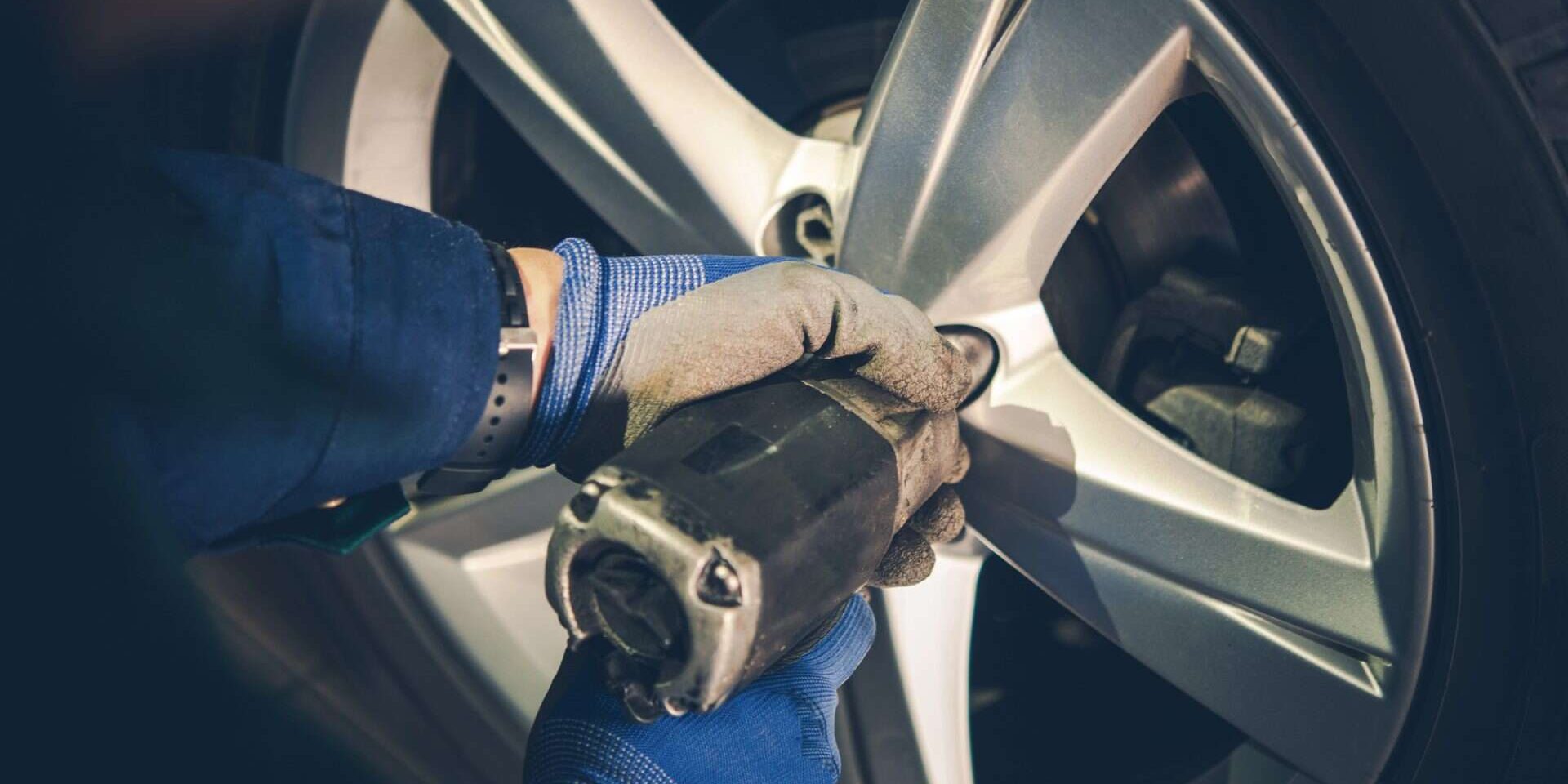
- When the Traction Law is active on I-70, a passenger vehicle needs tires with at least 3/16 inch of tread that are winter, all-weather or mud and snow rated, or chains, or an approved traction device.
- Falling short costs $100 plus a $33 surcharge, or $500 plus $157 if the failure closes a travel lane, and troopers can cite a noncompliant driver only after a crash or traffic delay.
What Colorado Troopers Found on I-70 Ahead of Winter Weather
Troopers ran chain enforcement operations near Dotsero in Eagle County on October 23 and October 28, checking commercial vehicles for compliance. The tally shows how closely the patrol watches the mountain corridor. Troopers contacted 703 commercial drivers and wrote 262 citations. Sixty-three of those tickets were for violating Colorado’s chain-carrying law. The patrol puts compliance at nearly 91 percent, and troopers pulled over 119 commercial drivers for failing to stop at the operation. Drivers of cars face a separate rule on the same corridor: CDOT’s Traction Law carries a $100 fine plus a $33 surcharge for a vehicle that fails it.
Those figures describe truck drivers, and the rule behind the 63 chain tickets is a commercial one. From September 1 through May 31, commercial vehicles on designated mountain highways must carry chains or an approved alternative traction device, whatever the weather. CDOT calls this the Must Carry season, and the patrol says it applies along I-70 from Morrison westward to the Utah line, and on a handful of other mountain routes.
The next operation is set for Tuesday, November 10, near Dotsero on I-70. The patrol lists fines of up to $500 plus a $79 surcharge, or $579, for drivers who ignore winter driving restrictions. A commercial vehicle that gets stuck and blocks a roadway faces $1,000 plus a $157 surcharge, a total of $1,157. The patrol says the goal is fewer crashes, fewer closures and shorter delays caused by vehicles that arrive unprepared.
If you drive a pickup, an SUV or a sedan, the commercial carry rule does not cover you. A different set of rules does, and the penalties are smaller but real.
The Passenger Car Rules in Plain Terms
CDOT runs two separate passenger rules. The first is the Passenger Vehicle Traction Law. CDOT switches it on in winter storms or whenever conditions call for it, and it can do so on any state highway. The agency names Morrison to Dotsero on I-70, between September 1 and May 31, as the stretch where these laws can be enforced with fines. Signs on the highway, COtrip.org and road condition alerts tell you when it is active.
While it is active, your vehicle needs one of three things:
- Tires with at least 3/16 inch of tread that are rated all-weather or are winter tires, marked with the mountain-snowflake icon, or marked M+S or M/S.
- Chains.
- An approved alternative traction device.
The second rule is the Passenger Vehicle Chain Law, which CDOT calls the final safety measure before it closes a highway. Once it is active, all vehicles need chains or an approved traction device, so tires alone no longer meet the requirement. CDOT’s approved list names Alpha Trax, AutoSock, EasySox and ISSE Tire Sock products from Laclede Chain Manufacturing Company, McGee Company, Quality Chain Corporation and Titan Chain & Supply.
The tire categories carry their own limits. CDOT describes winter tires as the safest choice for snow and ice, with a softer rubber compound that stays grippy in the cold. All-weather tires work in slush, wet snow and dry pavement, so they cover the whole year. Mud and snow tires are acceptable in light snow but trail winter tires in what they can handle. Every one of them counts toward the Traction Law only if the tread measures at least 3/16 inch.
If you are shopping for a set, our comparison of winter tires against all-season tires sets out the differences.
What the Fines Add Up To, and When Troopers Can Write Them
CDOT lists the penalty for failing to meet the Traction Law at a $100 fine and a $33 surcharge, which is $133 in all. When the failure results in a closed travel lane in one or both directions, the fine can rise to $500 with a $157 surcharge, or $657. Those are passenger vehicle figures. They are separate from the commercial penalties above, and the two should not be added together.
One detail changes how most drivers meet the law. CDOT says the Colorado State Patrol enforces both laws only as a secondary matter. Troopers can write a ticket only when a driver without compliant equipment crashes or causes a traffic delay. A car with the right tires that gets through draws no citation, while a car with worn tires that stalls and holds up traffic does.
The laws reach beyond the I-70 corridor. CDOT says they apply statewide, and the agency can implement them on all state highways. Any state highway can carry an active Traction Law in a storm.
All-Wheel Drive Is Not a Free Pass
A four-wheel-drive truck does not settle the question by itself. CDOT says all-wheel drive and four-wheel drive vehicles meet the Traction Law, but only when every tire has at least 3/16 inch of tread. The drivetrain does not replace the tire rule.
The agency explains why in its FAQ. CDOT says drive systems can help a vehicle accelerate on slick or snowy ground, but for stopping and turning the tires come first. On snow and ice, a car on winter, all-weather or M+S tires halts in a much shorter distance than one on standard all-season tires. CDOT’s traction page adds that the agency strongly favors all-wheel or four-wheel drive for mountain trips when a driver has the choice, so the best setup pairs a capable drivetrain with the right tires.
The same FAQ answers a common question about buying winter tires. CDOT says you need all four. Winter tires on only the rear wheels eliminate steering response at the front, and winter tires on only the front wheels put the vehicle at risk of fishtailing, with the back end spinning out.
What to Do Before You Drive the Mountains
Start with the tires. Check the tread on every one against the 3/16 inch requirement, which CDOT also lists on its winter preparedness checklist alongside the battery, brakes, lights, wipers, heater, antifreeze and a full tank of gas. If a tire is close to the limit, replace it before the first storm: the fine alone is $133.
Then look at what is in the car. CDOT’s essential items list includes tire chains and a tow strap, jumper cables, a flashlight with extra batteries, a blanket or sleeping bag, a gallon of water, a first aid kit and essential medications, flares or reflectors, and a radio. Our guide to winter car kit essentials lays out a fuller list.
Check conditions before you leave. Call 511 or visit COtrip.org for current road and weather information, and sign up for text or email alerts so you hear when CDOT activates a Traction Law or Chain Law. Technique counts too. CDOT tells drivers to brake, accelerate or turn one at a time in winter weather, never two together, and to slow down: excess speed for the conditions is behind most crashes. More habits are in our tips for driving in the snow.
Around trucks, CDOT asks passenger drivers to pass on the left, stay out of blind spots and leave room after overtaking. A truck can need the length of a football field to stop, and more in snow. A truck running chains can also kick up snow and debris behind it.
What Happens Next
The Dotsero operation on Tuesday, November 10, is the next scheduled test. Commercial drivers should expect another round of chain checks. For passenger cars, nothing is scheduled: CDOT can switch on a Traction Law or a Chain Law whenever conditions require, and the alert comes through highway signs, COtrip.org and text or email.
CDOT clears about 23,000 lane miles of state highways and interstates, and snow removal on highways averaging 1,000 or more vehicles a day runs through the whole storm. Plows keep roads open, and they do nothing for your tread. The tire, the tread and the chains in your trunk are your responsibility, and the time to check them is the week before the snow.
Reviewed by Preetam Gadekar
Sources
- CDOT: Passenger Vehicle Traction and Chain Laws
- CDOT: Winter Driving FAQs
- CDOT: Vehicle and Tire Safety
- AOL (KDVR): CSP warns truck drivers to carry chains ahead of winter weather
Want more car content? Add us as a preferred source on Google to your favourites list for the best automotive news and analysis on the internet.
If you enjoyed this article, be sure to follow us on Microsoft Start.

Leave a Comment
More in News

AAA Test Finds Public EV Charging Costs $86 More Than a Hybrid in Cold
NHTSA Offers $1.5 Million for States to Flag Open Recalls at Registration
EV Drivers Pay 82p a kWh at Rapid Chargers, Up 8 Percent, Zapmap Shows
Kia EV2 Named 2027 Car of the Year With £3,750 Grant on Long Range Models
What a £1,000 Fine Means for Drivers Who Flash Headlights to Warn of Cameras
Trending on Motoring Chronicle
Westminster Made £90.6 Million From Parking As English Councils Banked £1.1 Billion
How New Council Powers Could Land Pavement Parkers With Fines of up to £130

Defrosting Your Windscreen the Wrong Way Can Crack It in Seconds This Autumn
Why Your Steering Wheel Vibrates at Highway Speeds