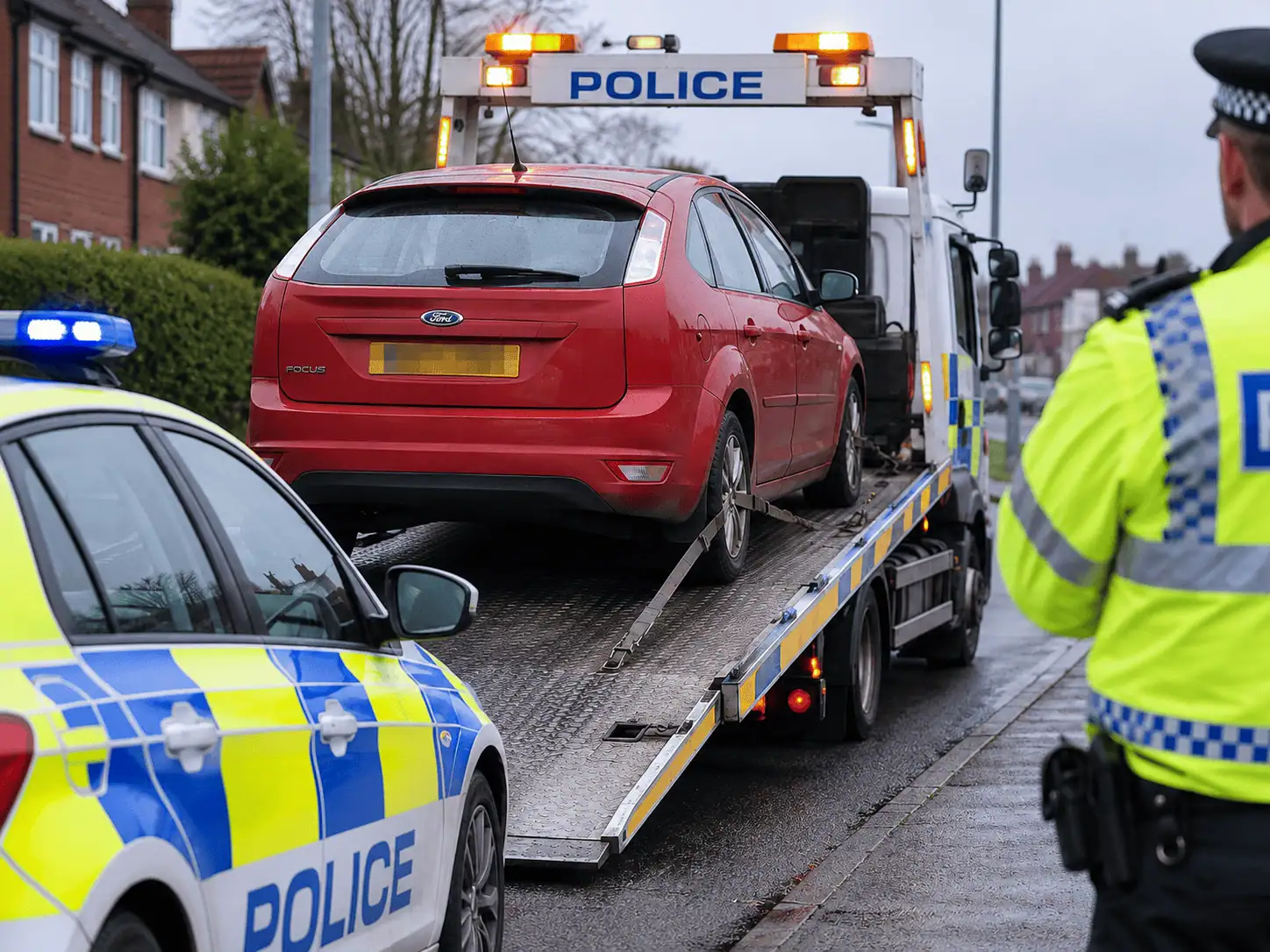
NSW Safe Drivers Wait Until April 2027 for Their Demerit Point Back


- Unrestricted NSW licence holders who kept a clean record through the trial’s last year will see a demerit point removed from April 2027, in a processing run expected to take about six months.
- The permanent version of the scheme is still waiting on legislation, so the NSW Government has kept it going into next year by regulation.
- Learner and provisional drivers miss out, and a driver with no active demerit points has nothing to remove.
The Point Promised for 2026 Now Arrives in 2027
Transport for NSW is now working out which drivers earned a demerit point back in the last year of the safe driving trial, and those drivers can expect the point to come off their record from April 2027. The department puts the processing time at about six months, so drivers at the back of the queue will not see their record change until the second half of 2027.
That date is later than the one the government gave in February. When the Minister for Roads introduced a Bill to make the program permanent on 10 February 2026, the government told drivers who qualified in the trial’s final year that their points would come back “later this year”. The trial ended on 31 January 2026, so a driver who qualified will wait about 14 months between the end of the trial and the first removals.
The program itself survives. The state government has kept the scheme running, and Transport for NSW says it is identifying eligible drivers “while we wait for the legislation of a permanent program to be approved”. The NRMA, the state’s motoring club, says political disagreement with the opposition meant the minister could only “extend the scheme into next year by regulation”.
How the NSW Reduction Program Works and Who Misses Out
The trial began on 17 January 2023 and its first year ran to 16 January 2024. The government then added two more years, taking it to 31 January 2026. Across those three years, more than two million demerit points came off NSW licences.
The rule is simple. A clean year earned an eligible driver one point off the record. The Bill sets the same test for the permanent version: the driver needs an active licence and a record with no relevant offence across a whole, continuous 12 months.
Every unrestricted NSW licence holder with active demerit points was in the trial, professional drivers included, and nobody had to register. Transport for NSW applies it automatically.
Three groups gain nothing. Learner and provisional drivers were excluded from the start, and the government keeps them out under the Graduated Licensing Scheme, pointing to the higher risk these drivers carry and their lower point limits. A driver with zero points has nothing to remove. And a driver who picked up a relevant offence inside a 12-month period loses the reward for that period.
Expect two names for the same scheme. Transport for NSW calls it the Demerit Point Reduction Program, while the Minister for Roads calls it the Demerit Point Reward Program.
Why the Permanent Scheme Has Stalled
The government announced in December 2025 that the program would become permanent, and the Minister for Roads, Jenny Aitchison, introduced the Bill on 10 February 2026. Once passed, it would make the reward “a permanent feature” of the state’s demerit point system. The government tied it to a record $2.8 billion road safety spend, and the trial behind it was an election commitment, built on the government’s stated view that “lasting road safety comes from changing behaviour – not just punishing people after something has gone wrong”.
The Bill cleared the Legislative Assembly on 24 March 2026, then ran into a standoff between the two houses. The Legislative Council passed it with amendments on 28 May. The Assembly rejected those amendments on 3 June and again on 16 September, and both times the Council insisted on them, most recently on 17 September. From then on the Bill has sat in the Assembly awaiting a decision on the Council’s changes, and the extension by regulation keeps the scheme alive in the meantime.
The government says the reward works alongside enforcement. Dangerous and repeat offenders still face fines, penalties, police action and licence suspension.
Ms Aitchison set out the case when she introduced the Bill.
“For too long, road safety has relied almost entirely on penalties and enforcement, and while those tools remain absolutely essential, on their own they don’t always change behaviour for the long term.”
“We believe the best approach is a clear carrot and stick – strong penalties for dangerous behaviour, combined with a real incentive for drivers who do the right thing and stay offence-free.”
“This reform reflects a fair, practical approach to road safety that works with drivers while still holding people accountable.”
“Let’s not forget, road safety isn’t about choosing between enforcement or education – we need both.”
“We’re investing a record $2.8 billion over four years in road safety – safer roads, better infrastructure, stronger enforcement and education – and we will rule nothing out when it comes to saving lives.”
“Most drivers want to do the right thing. This program gives people who’ve made mistakes in the past a real reason to change their behaviour and keep doing better.”
“If you break the rules, the penalties apply – fines, points and suspensions are still there.”
“But if you slow down, follow the rules and drive safely over time, that effort is recognised, and we think that balance gives us the best chance of changing behaviour and saving lives.”
What One Point Does to Your NSW Licence
A single point sounds small until a driver sits near the limit. The NSW limits depend on the licence: 13 points for an unrestricted licence, 14 for professional drivers, 7 on a P2 licence, 4 on a P1 or learner licence, and 2 for an unrestricted driver serving a good behaviour period. Reach the limit and Transport for NSW sends a Notice of Suspension, or refuses a licence renewal with a Notice of Refusal.
Take an example. A driver on 12 points with a 13-point limit is one point from a suspension notice. With one point removed, the same driver sits on 11 and has two points of room.
The removal does not wipe the offence. Demerit offences stay on a NSW driving record permanently. What counts is timing: offences used in a suspension or refusal must fall within a 3-year period, and Transport for NSW does not count offences older than 40 months toward a suspension. Transport for NSW also states that each point remains active for three years after the offence date.
Points also land later than many drivers expect. They go on the record when the fine is paid, when Revenue NSW enforces an unpaid fine, or when a court convicts. A fine that goes to court can take months to be finalised and recorded. Offences committed in another state count as well: the NSW points for that offence can still be added to a NSW licence.
Holiday periods raise the stakes. Speeding, seatbelt, motorcycle helmet and mobile phone offences attract double points in those periods, and the NSW and ACT double demerit dates arrive before any final-year point comes off. Some offences carry extra points in a school zone, which operates on all school days, development days included. In a holiday period the higher school zone figure is doubled, so a single school zone offence committed then can cost a driver the licence. Provisional and unrestricted licence holders who go over the limit twice in five years must sit the Driver Knowledge Test in person, and unrestricted licence holders must also complete an approved provider’s driver education course. Transport for NSW tells drivers to ask the provider about the cost.
What to Do Now
Check your current total with the NSW Government’s online demerit point check before the holiday period. Knowing whether you sit at 3 points or 11 tells you how much room you have, and whether a final-year point is owed to you at all.
Do nothing to claim the point. Eligible drivers were included without registering, and Transport for NSW will identify them and process removals from April 2027. Keep your licence active, as the Bill would require it, and stay offence-free: a relevant offence inside a 12-month period ends any reward for that period.
Treat every trip as part of the next clean year. A single fresh offence, such as one caught by the new NSW red-light camera, adds points once the fine is paid or enforced and costs the reward for that 12-month period. Check the Centre for Road Safety website for upcoming double demerit periods and school zone times.
Watch for the Bill. Until Parliament approves it, the scheme runs on the regulation that carried it into next year, and the April 2027 removals cover only the trial’s final year. A permanent reward for each clean 12 months depends on that legislation passing.
Want more car content? Add us as a preferred source on Google to your favourites list for the best automotive news and analysis on the internet.
If you enjoyed this article, be sure to follow us on Microsoft Start.
Reviewed by Preetam Gadekar

Leave a Comment
More in News
Nissan Rogue Owners Report 26 Exploding Rear Windows in November, No Recall

Maryland Logs 3,559 Car Insurance Complaints as Regulators Review Rates
Michigan Gas and Diesel Tax Rises 1.8 Cents to 54.2 Cents on Jan. 1

Allstate Promises No Late Fees as Outage Blocks Online Claims From Nov. 23
Every Speeding Notice Gives You 28 Days, and Ignoring It Costs 6 Points
Trending on Motoring Chronicle
Queensland Street Racing Bill Plans 7 Years’ Jail and 1-Year Licence Ban

Ford Tells Bronco Sport and Maverick Owners to Stop Driving Over a Suspension Defect

Every Council Can Be Forced to Cut Parking Charges, as York Just Proved

What the CMA Scrapping Its 2000 Order Means for Every New Car Buyer