
How to Free a Frozen Handbrake (and What a New Cable Costs)
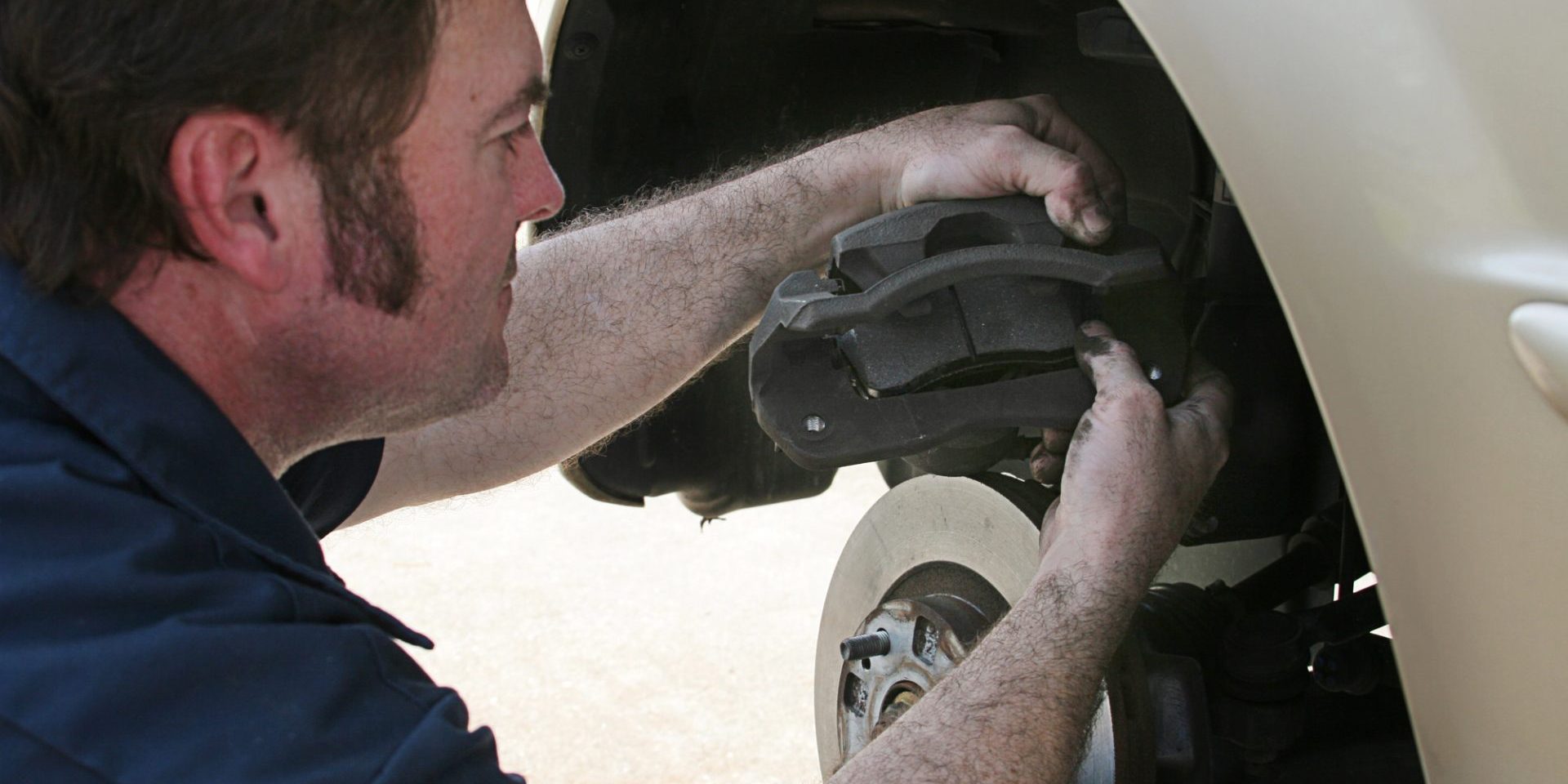

- A frozen handbrake usually releases with gentle movement: warm the car up, release the lever repeatedly, then try to move forwards and backwards a little. Do not force it.
- Forcing a stuck brake can tear the friction material off the shoe or pad, and a failed cable costs around £75 to £168 ($98 to $218) to replace on a Vauxhall Zafira.
- A handbrake that cannot reach 16% efficiency fails an MOT as a major defect, so a sticking or weak brake needs sorting before the test.
A Frozen Handbrake Usually Frees With Gentle Movement, Not Force
If your handbrake will not release on a cold morning, start the car, let it warm up and pull and release the lever several times. Then try to move the car gently forwards and backwards. Green Flag says the brakes can release with a loud clunk, which is usually harmless. If the car does not come free almost immediately, stop and get help. Green Flag warns that continuing to force the car can tear the friction material off the shoe or pad.
That one paragraph solves most cases. The rest of this guide explains why handbrakes freeze, the heat-based fixes drivers use, what a replacement cable costs, and what the MOT test says about a parking brake that sticks or does not hold.
Why a Handbrake Freezes in the First Place
Green Flag explains that moisture gets between the brake friction parts, such as the disc or drum and the pad or shoe. If the car sits in very cold weather for a long time, that moisture freezes and bonds the surfaces together. Moisture can also freeze inside the caliper or in the gap between the inner and outer handbrake cable. Older cars with cable-operated handbrakes are more affected, while modern cars usually have rubber gaiters that keep moisture out.
Cold is not the only cause. The US tyre and brake chain Firestone lists four reasons a parking brake sticks: ice in cold weather, rust or corrosion on the cable that engages the brake, leaving the brake on for too long, and engaging it too hard. Pulling the lever with excessive force can jam the brake shoes against the drum and stretch the cable. Firestone suggests overnight is the longest you should leave a parking brake on.
Green Flag reported a 52 per cent rise in calliper problems and a 77 per cent rise in handbrake cable problems in the cold spell covered in its article. The numbers show how quickly a few frosty nights turn a minor annoyance into a breakdown call.
How to Free a Stuck Handbrake Step by Step
Start with the engine. Firestone advises starting the car and letting the engine warm up, gently revving to speed up melting, then trying to release the brake several times. Do not rush the process. A few minutes of warmth in the car and the surrounding air can be all it takes.
Next, try gentle movement. Green Flag suggests trying to drive forwards and then backwards a short distance. The brakes can free with a clunk. Keep the movement slow and check that the car is moving freely before you pull away.
If the cable itself is frozen, Green Flag says you can pour boiling water over it, and notes that you need to know where to pour it for this to work. Take care. Keep the water away from the windscreen and any electrical connections, and do not pour it over a wheel if you cannot see where the water is going. Firestone offers a different method: a hairdryer on the wheel the brake connects to, and it suggests checking your owner’s manual to identify which wheel that is.
For rust, Firestone suggests applying and releasing the brake repeatedly, then shifting between drive and reverse to rock the car slightly, which can loosen it. It adds that you will likely need a tow if rust is the problem, and that corroded parts might need replacing.
What Not to Do With a Stuck Handbrake
The most damaging mistake is brute force. Green Flag says you should not keep forcing the car to move if the brakes do not release almost immediately, and that doing so can tear the friction material off the shoe or pad. At that point you need professional help, and the repair bill is higher than a tow would have been.
Do not drive with the handbrake still partly applied. Firestone warns that driving with the parking brake engaged can damage the brake system. If you cannot release it, call roadside assistance or a tow rather than trying to limp to the garage.
When It Is a Failed Cable, Not Ice: What It Costs
If the brake stays stuck after the car has warmed up, or the lever feels loose and does not hold, the cable might have seized, stretched or broken. Cost depends on the car, so treat any single figure as a guide. ClickMechanic’s estimate for a Vauxhall Zafira handbrake cable shows an independent garage price of about £75 to £108 ($98 to $140) and a franchise dealer price of about £113 to £168 ($147 to $218).
Its headline example for a 2013 Zafira 1.8 is £135 ($176) at a franchise dealer against £86 ($112) through ClickMechanic. Parts are listed at roughly £35 to £45 ($46 to $59) and labour at up to one hour on most Zafira models and one to two hours on some 1.7 and 1.9 versions. ClickMechanic notes that the actual cost from your local garage might sit outside the range, and that its figures combine several third-party sources.
On a different model, the cable run can be longer or harder to reach, so the labour time and the price both change. Get two quotes and ask whether the price covers one cable or both sides.
What the MOT Says About a Handbrake
A sticking handbrake is a safety problem and an annoyance. The MOT inspection manual on GOV.UK sets the minimum parking brake efficiency for most vehicles at 16%. Efficiency below the minimum is a major defect. Efficiency below 50% of the required value, which means under 8% for a 16% requirement, is classed as dangerous.
The tester looks at more than the holding force. A lever that shows obvious excessive travel, which points to incorrect adjustment, is a major defect. A ratchet that does not hold correctly is a major defect, and so is a pivot or ratchet worn enough that the brake can release by itself. A pivot or ratchet that is obviously worn but still working is a minor defect. A parking brake control that is missing, defective or inoperative is also a major defect, as is a brake that does not work on one side or pulls the car noticeably in a test.
If your car has an electronic parking brake, the manual says these systems can apply automatically, for example when the ignition is switched off or the driver’s door is opened. A malfunction warning light showing a fault is a major defect. If that light is on, do not wait for the MOT. Get the system checked.
How to Stop It Happening Again
Firestone suggests using the parking brake every time you stop, or at least once a day, to reduce rust building up on the cable. That advice fits a car that normally sits on a flat driveway and might otherwise go weeks without the brake being used.
Think twice about applying the brake when the temperature will fall below freezing, especially if moisture is forecast. That is the combination that freezes the surfaces together. Firestone also advises against setting the brake when storing a car for a long time, unless the parking area is temperature controlled.
Green Flag recommends keeping the car regularly serviced. A service keeps the brake fluid in good condition, and a mechanic can replace torn gaiters or protective covers, which are the parts that keep moisture away from the cable and caliper. If the lever feels different from usual, or travels further than it did, ask for it to be checked at the next service rather than waiting for a frosty morning to reveal the fault.
The simple version: warm the car, release the lever repeatedly, try gentle movement, and stop if it does not free almost straight away. Anything else costs less in the hands of a mechanic than in a torn brake shoe.
Sources
- Green Flag: Expert advice: why cold weather can make your brakes jam on
- Firestone Complete Auto Care: Help! My Parking Brake’s Stuck | Firestone Complete Auto Care
- ClickMechanic: Vauxhall Zafira Parking Brake Cable Repair Cost | ClickMechanic
- GOV.UK: MOT inspection manual: cars and passenger vehicles: 1. Brakes: Guidance: GOV.UK

Leave a Comment
More in News

What Winter Tyres Actually Do for UK Drivers (and Whether You Need Them)
Renewing Car Insurance on the Day Cover Ends Costs Drivers £331 More, MoneySupermarket Shows

Every Driver Faces £500 Seatbelt Fines as AI Cameras Flag 19,145 Possible Offences

How to Remove Moisture From Inside Your Headlight Before It Costs You £500
What Red and Amber Warning Lights Actually Mean (and Which Fail an MOT)
Trending on Motoring Chronicle
The Frozen £40,000 Car Tax Threshold Is Now Catching Golf GTIs, Ford Kugas and Skoda Kodiaq Drivers

The Evolution of Car Features: 10 Automotive Elements on the Verge of Extinction

Cadillac reveals Elevated Velocity crossover concept [Photo Gallery]

Why Modern Cars Keep Fogging Up Inside
