Man’s Tesla has 9% range left. Then he gets a message that he’s ‘too far from closest known charging station.’ Now the car refuses to start
A man who purchased a used Tesla Model S is regretting his decision. His experience is arguably a prime example of why some people are wary of electric vehicles.
TikTok creator Salvage Garage (@salvagegarage995) says that his car refused to move because the nearest charging was further than its range.
He filmed himself getting stranded in the ride after making a quick run to a gas station. The video is a series of unfortunate events for the used EV owner who tries over the course of two days to get his Tesla back on the road.
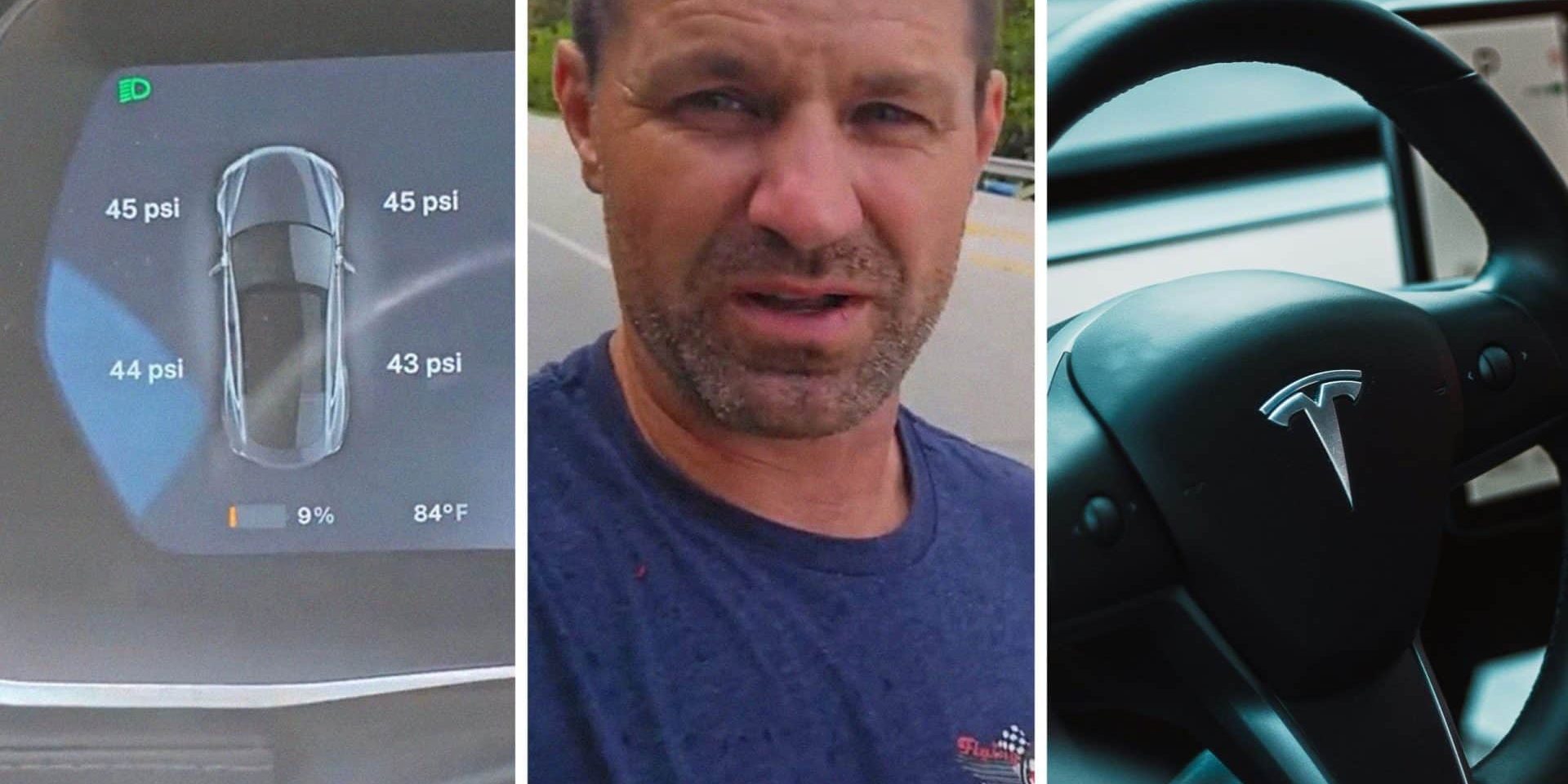
The most troubling part of the video is that his Tesla’s battery wasn’t fully depleted. According to its onboard system, he still had 9% of juice left in the Model S. So why was he stranded?
Tesla Model S won’t budge
“So I am currently stuck in my Tesla,” he says. He shows that the display indicates that the vehicle has 9% battery left. A warning light in the EV gives him some bad news — and a clue for why he’s stuck. He isn’t close enough to a charging station to make it there on the remaining battery life.
“Almost too far from known charging station,” he says. “How ironic is that I’m stuck at a gas station?”
The depleted battery isn’t his only issue. He says some of the car’s functions stopped working entirely. “It won’t let me put it in reverse or drive,” he says.
In an apparent attempt to get the Tesla to come back to life, he then performed a hard reset of the vehicle. Similar to turning your modem off for a minute, this procedure can sometimes clear Teslas of glitches. Sadly, after rebooting, he got a message telling him that the car was “unable to start.”
Then the video cuts to him walking down the side of a road barefoot. “I just had to run to the gas station for a minute, that’s it. And here I am walking home cause my Tesla left me stranded,” he says.
His subsequent attempts to get the Tesla moving fail. He eventually concludes that the car has been effectively “bricked.”
Troubleshooting a bricked Tesla
The creator eventually returns to the Tesla with a massive battery pack and a NCAS charging cable. It takes him a minute, but he figures out where the charging port is and attempts to plug it in.
No dice.
He encounters another obstacle: a pin inside the port prevents him from placing the plug inside. After firing up his Tesla’s mobile application, he learns that there’s a $20.28 unpaid balance on the car.
He claims this charge was incurred by the previous owner. Nevertheless, he pays it.
The pin still doesn’t move. He eventually figures out that he needs to pop the trunk, remove a panel, and access the port’s manual release mechanism.
Finally, he’s able to charge. Or is he? As it turns out, the Tesla Model S driver’s problems are far from over.
From the frying pan to the fire
When he gets back in the Tesla, he gets another warning message. It says, “Charging disabled when using manual release.” This means the Tesla wouldn’t allow him to charge his car because he used the vehicle’s manual release charging port.
A follow-up message instructed him to close the Tesla’s charging port to try again. He does so, but is met with the same dilemma: the pin is stuck.
“This is what happens when we let everybody turn cars into computers,” he says. “Cars work. My 2004 Altima got me here and has never let me down. Computer car? Failed on the first day. I give up. It’s getting dark; I was supposed to have my guys night two hours ago and I’m messing around with an electric car. With a gosh darn red light,” he says.
Try, try again
When he returns the next day, the Tesla’s battery is completely drained. This time, he can’t even open the doors.
So he tries to jumpstart it.
In order to access the terminals, he has to pry off the Model S’ front grill, which he does. He borrows jumper cables to try and provide “accessory power” to the Tesla to get it running again.
This time, technology is on his side. The door’s open, and the battery shows 7% remaining life.
“Well I’m officially defeated, my computer car beat me,” he says.
Fully out of options, he decides to have the Tesla towed to a dealership.
“What a bummer,” he says.
What’s wrong with the Tesla?
According to this Model 3 owner’s manual, Salvage Garage’s instinct to jump start the car was correct. As the automaker states, these 12-volt batteries support the cars’ onboard massive lithium-ion power packs.
If the 12-volt battery isn’t functioning properly, a Tesla’s high-voltage contractors won’t close. Consequently, a Tesla won’t be able to engage high-voltage charging to its primary battery pack.
The Model X manual discusses the power port release latch issue Salvage Garage faced. Engaging this latch while the vehicle is experiencing low-voltage current issues can also prevent high-voltage charging. Meaning that the car wouldn’t allow its primary battery to receive any power.
To get it to charge again, a “charging handshake” needs to be established first. The best way to do that is to supply enough power to the Tesla’s 12-volt battery. As Tesla’s manual states: “Jump start the low voltage system …[it] must be jump started to support the high voltage Battery.”
So the 12-volt unit needs to have enough juice in order to establish this handshake. Judging from the protocols described in Tesla’s user manuals, it’s best to not attempt to charge the Tesla until enough juice is supplied to the EV’s 12-volt unit. Once that’s done, drivers can use the Tesla’s onboard infotainment screen or mobile app to open its charger port.
If the 12-volt unit is functioning properly, the pin should disengage itself. In the event it doesn’t, then drivers can attempt to use the manual latch method. With the low-voltage battery charged, the Tesla’s main battery should accept charging.
This story is republished with permission. It first appeared at Subplot News.

Leave a Comment
More in News
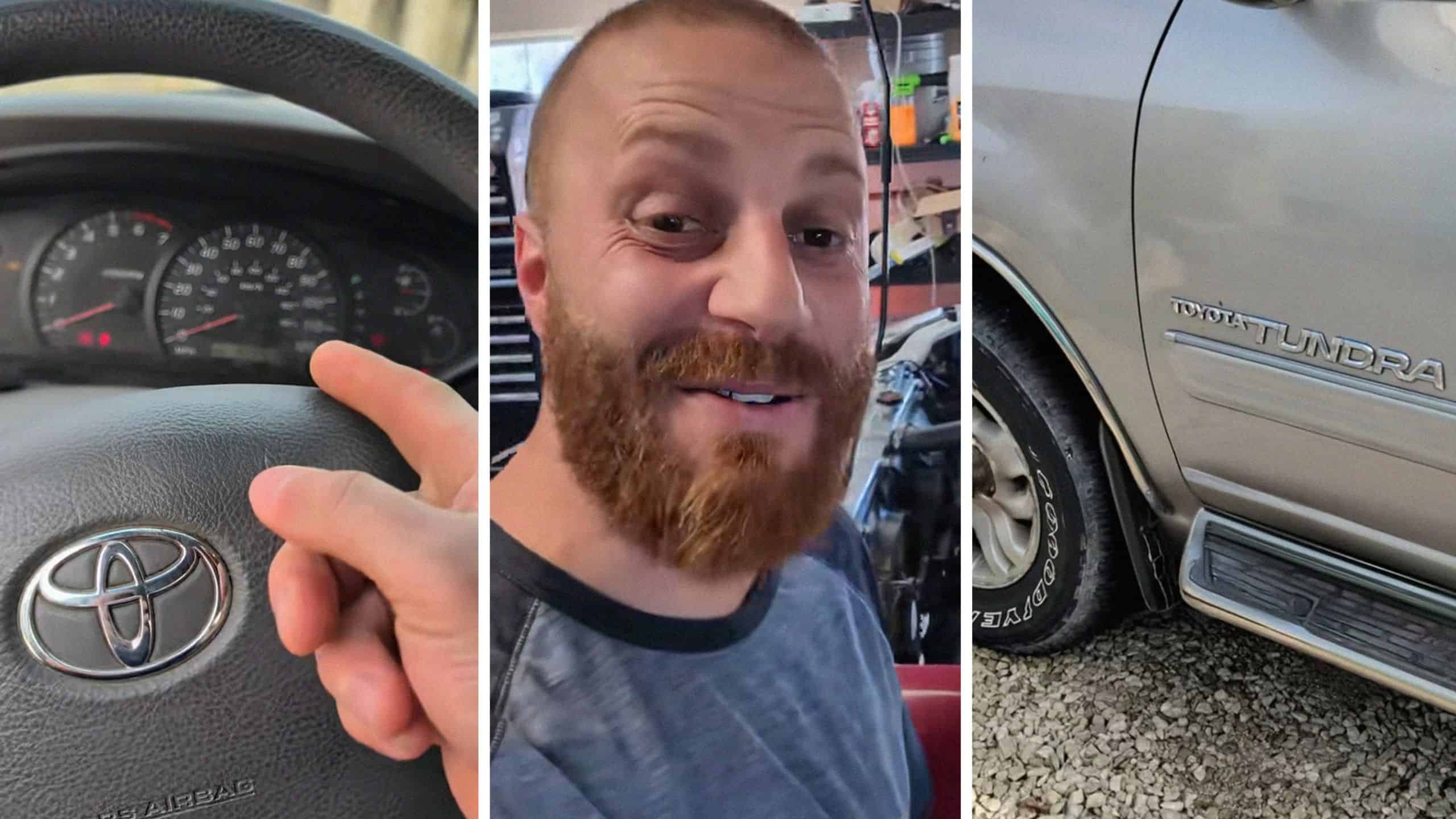
Man drives Toyota Tundra. Then he realizes the RPM meter ‘makes no sense’

Why British Drivers Are Rethinking Their Next Used Car
YANGWANG ALTIOR makes its global debut in Abu Dhabi: a higher expression of power [Photo Gallery]
Woman’s son gets into a car accident in Georgia. Then Progressive makes her a lowball offer fit for Florida: ‘There’s no rule…’

Arkansas Truck Sweep Puts 393 Out of Service, 183 English Violations
Trending on Motoring Chronicle

Experiencing the thrill of making history: testing and developing the Bugatti Veyron

Porsche celebrates fifty years since the original audacious adventure [Photo Gallery]

What Every Learner Must Know About the Theory Test Changes Coming in June 2026
Every UK Driver Faces Two More Fuel Duty Rises Worth 4p by March 2027