How Massachusetts Speed Cameras Could Start Fining Drivers This Fall
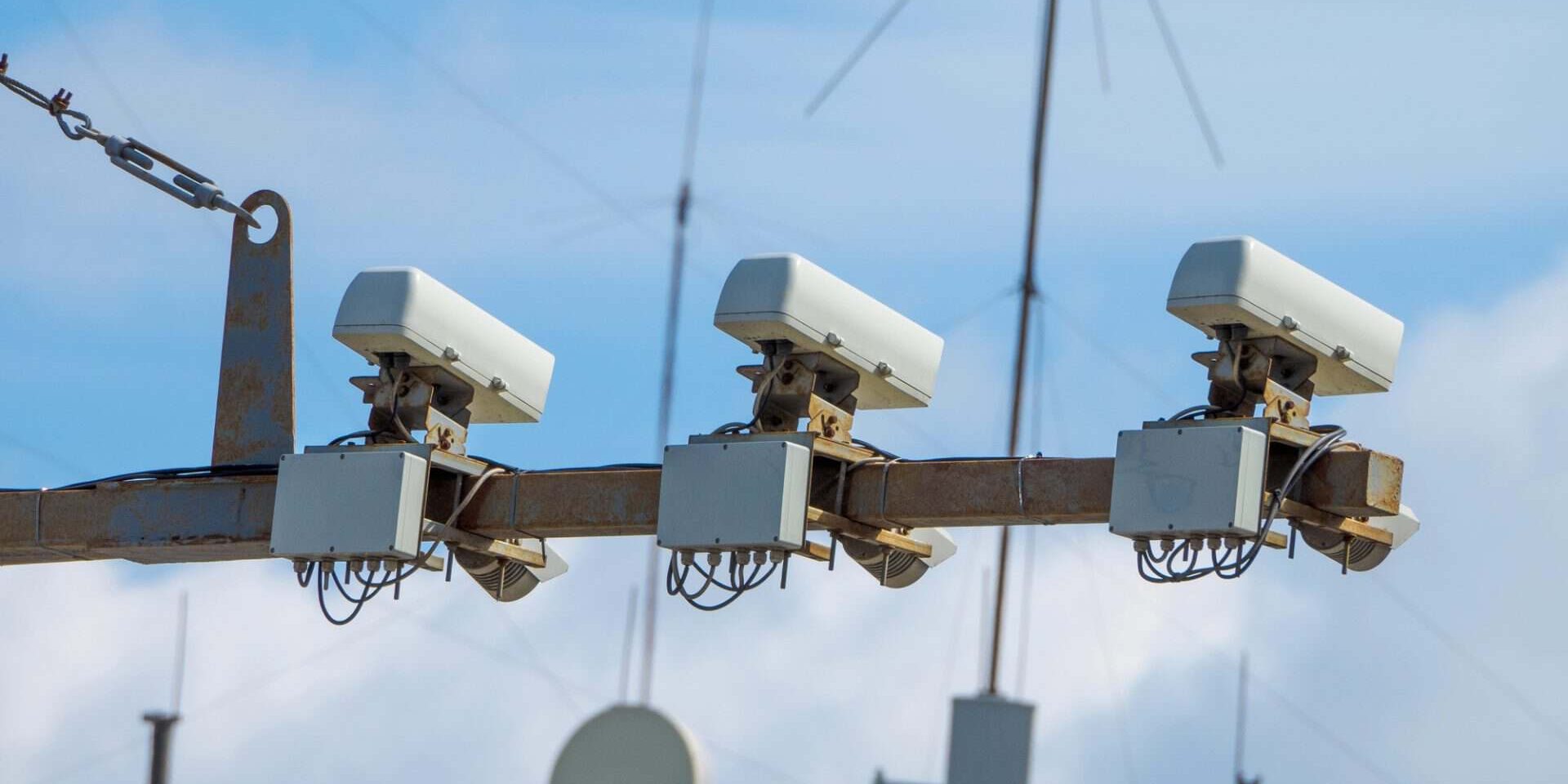
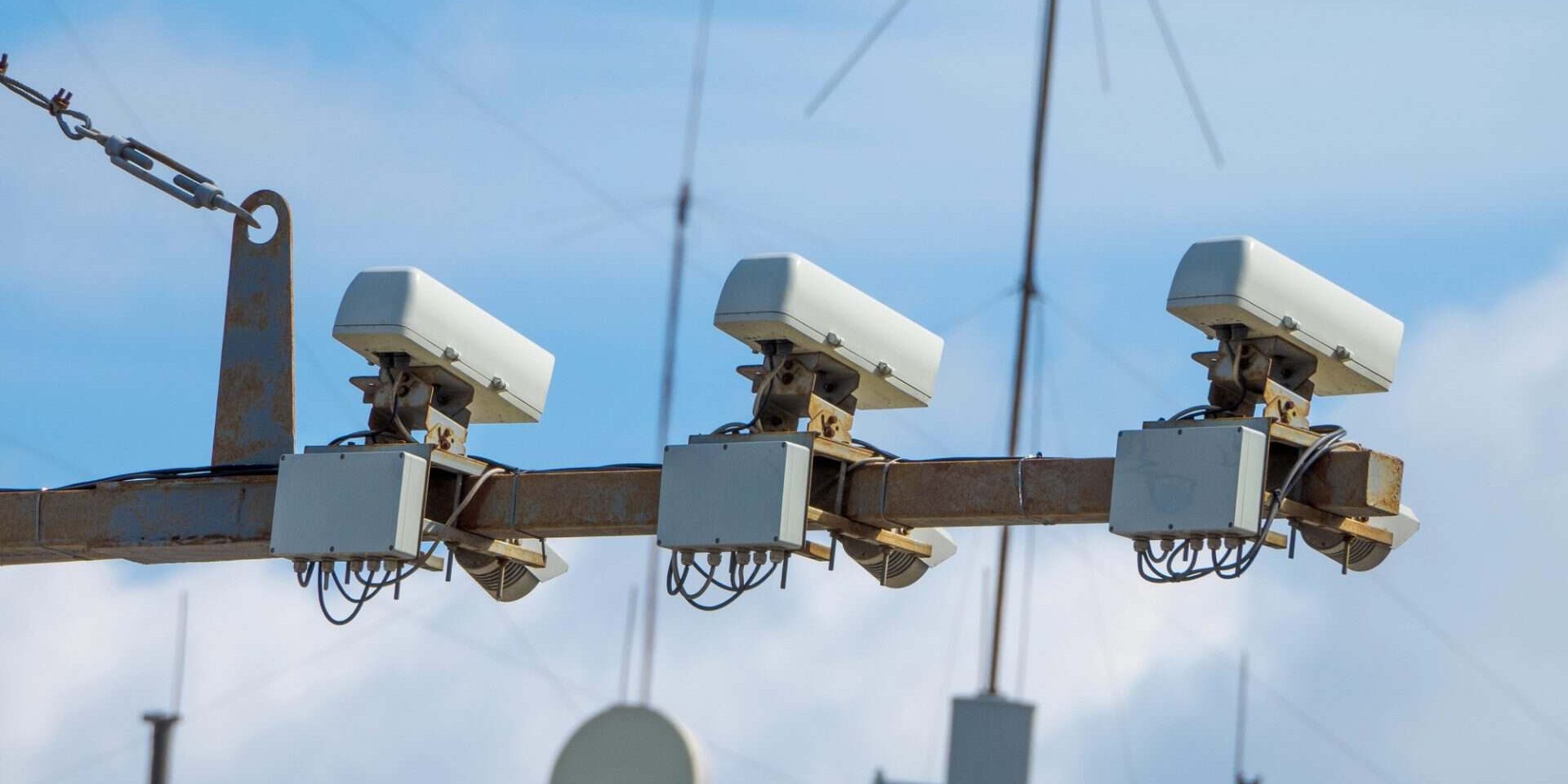
- The Massachusetts Senate tucked a speed camera measure into a $575 million economic development bill, and a conference committee is now negotiating a final version with the House.
- Drivers caught going 11 mph over the limit near school zones, safety zones or highway construction sites would face fines between $25 and $100.
- Cities and towns would be capped at one camera per 5,000 residents, meaning Boston could deploy roughly 135 cameras if the measure survives negotiations.
A decade of failed bills finally clears one chamber
Massachusetts drivers have avoided automated speed enforcement for years while it spread through more than half the country. That gap is closing. State Senator William Brownsberger, a Belmont Democrat, attached a speed camera measure to a wide-ranging $575 million economic development package, and the Senate passed it. The proposal now sits with a conference committee working out differences with the House version of the bill, the last hurdle before it reaches Governor Maura Healey’s desk.
Brownsberger has pushed similar bills for years without success. “This is something we’ve been pushing for step by step, and these cameras are going to go to places where people are asking for them desperately,” he told the Boston Globe. Healey has backed the concept publicly and already signed two related measures: one letting the MBTA fine vehicles parked in bus lanes with camera evidence, and another letting towns fine drivers who illegally pass a stopped school bus.
Where the cameras would go and what drivers would pay
The measure limits camera placement to school zones, other designated safety zones, and active highway construction sites. Cities and towns choose their own municipal locations but must submit a deployment plan to the Massachusetts Department of Transportation for approval; state officials would handle camera placement on highways. A hard cap of one camera per 5,000 residents means a city the size of Boston could field around 135 cameras under a full rollout.
Drivers caught traveling 11 mph or more over the posted limit would face a fine between $25 and $100, a lower penalty range than traditional speeding tickets carry in Massachusetts, which can run considerably higher once court costs and insurance surcharges are added. The bill explicitly excludes red-light cameras, so intersections would not gain automated enforcement under this version. It also bars frontal photos of drivers or passengers and prohibits facial recognition software, with captured license plate images required to be destroyed once a case closes.
The gap between a camera ticket and a traditional Massachusetts speeding citation is wide. A standard ticket for driving 10 mph over the limit typically runs $200 to $280 once the state’s flat fines and court costs are added, and it adds two to four points to a license under the state’s Safe Driver Insurance Program, a mark that can raise a driver’s insurance premium by 20 to 35 percent for years afterward. Massachusetts drivers hit with a standard speeding conviction pay an average of $2,112 in added insurance costs over time, according to insurance industry estimates. Camera tickets under the proposed bill would carry no license points and no insurance surcharge. They function more like a civil parking ticket than a moving violation on a driving record.
Why the push is happening now
The bill gained momentum after the July death of Louisa Gag, a Boston city planner and cyclist struck by a truck, which renewed pressure on Mayor Michelle Wu to act on street safety. More than 160 people have died on Massachusetts roads in 2026, according to the state’s crash data portal, and Boston still ranks as the most collision-prone city in the country by some measures. Nationally, traffic fatalities spiked after the pandemic eased and have not fully retreated to pre-2020 levels, reversing years of steady decline.
Peter Savolainen, a road safety professor at Michigan State University, said the case for cameras rests on coverage rather than revenue. A patrol car parked on a shoulder works, he said, but police departments cannot staff every corridor around the clock, while “cameras serve the same function, and they are more permanent, but less cost-prohibitive.” Adam Chapdelaine, executive director of the Massachusetts Municipal Association, made a similar point about local budgets: “I can’t imagine that there is any city or town that has enough resources to staff every area of concern.”
The privacy fight that has stalled every prior version
Automated camera bills have died repeatedly in the state legislature over concerns that they inflame racial disparities in traffic enforcement. Research cited by civil rights groups shows Black and Hispanic drivers in Massachusetts are pulled over and arrested at disproportionately higher rates than white drivers. Iván Espinoza-Madrigal, executive director of Lawyers for Civil Rights, called the no-facial-recognition and no-frontal-photo provisions “key components” of the current bill but said oversight still needs strengthening. “There should be periodic reporting and oversight to make sure that the state continues to track trends in local jurisdictions to identify any potential abuse or misuse of the new technology,” he said.
Whether the House accepts those privacy safeguards as sufficient will decide the bill’s fate. The conference committee is working through the differences now, and no public timeline has been set for a final vote.
How other states’ camera programs have performed
Twenty-six states already let some form of automated speed enforcement operate, according to the Insurance Institute for Highway Safety, and neighboring Connecticut offers an early read on what compliance can look like. A 2023 pilot there cut average speeds by roughly 20 percent at some monitored sites. After Connecticut ran a month-long warning period before switching on enforcement in work zones this year, only 3 percent of drivers were still caught going more than 10 mph over the limit, down from an initial 15 percent measured in a statewide study run between March and May. Connecticut Department of Transportation spokesperson Eva Zymaris said “the goal is not to issue fines and citations,” describing the drop in violations as the intended outcome rather than a side effect.
If the conference committee fails to reach a deal, the camera provision would likely die along with the broader economic development package unless lawmakers strip it out and attach it to separate standalone legislation, a path that has failed for automated enforcement bills in Massachusetts for roughly a decade. Supporters argue the current version has the best odds yet precisely by riding inside a must-pass economic bill rather than standing alone as a target for opponents. Pete Wilson, senior policy director at Transportation for Massachusetts, put the stakes plainly: “The hard truth is that we just see too many traffic deaths related to pedestrians and cyclists every year. Why wouldn’t we do something about it?”
The same economic development package includes a separate provision setting aside at least $1 million for truck safety equipment such as convex mirrors, crossover mirrors and backup cameras, aimed at cutting the blind spots that contributed to Gag’s death. Massachusetts drivers should watch for a final House-Senate agreement in the coming weeks. If the measure survives, expect a phased rollout starting with the highest-collision school zones and construction corridors rather than a statewide activation on day one.
Sources:

Leave a Comment
More in News

Are There Warning Signs Before a Cam Belt Breaks? Usually One, and It Is Not the Belt

Fife and Dundee Cars Fail 38.6% of First Attempt MOTs, Nearly Double Sutton’s 20.3%

How to Tell If Rust Will Fail Your MOT (and What a Repair Costs)

Why Your Car Clicks But Won’t Start (and What to Do)
Diesel Drivers Pay £31 More Per Tank Than a Year Ago, DESNZ Data Shows
Trending on Motoring Chronicle
What Louisiana Drivers Need to Know as Inspection Stickers Give Way to QR Codes
Ferrari Unveils The 849 Testarossa: A mid-rear V8 twin-turbo engine plug-in hybrid

One Camera Car Earned Leicester £366,000 in Fines in Four Months

Most powerful Mulliner models yet define pinnacle versions of Continental GT, GTC and Flying Spur [Photo Gallery]