
What the MOT Headlight Rule Means for Drivers Who Fit Aftermarket LED Bulbs
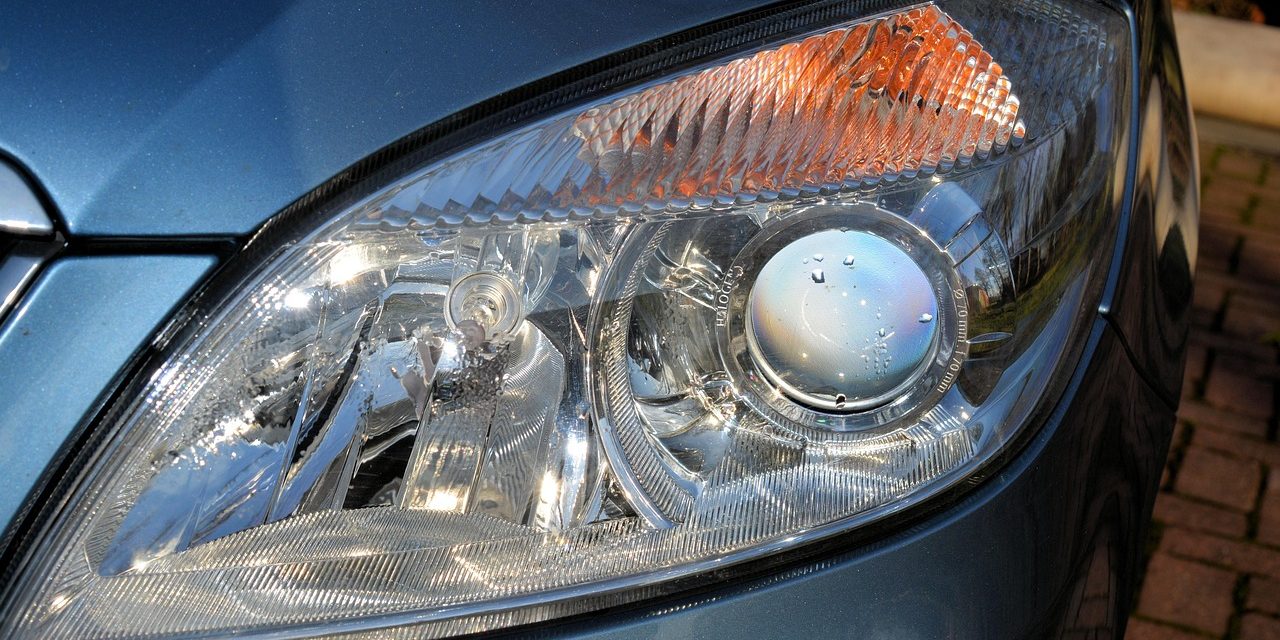
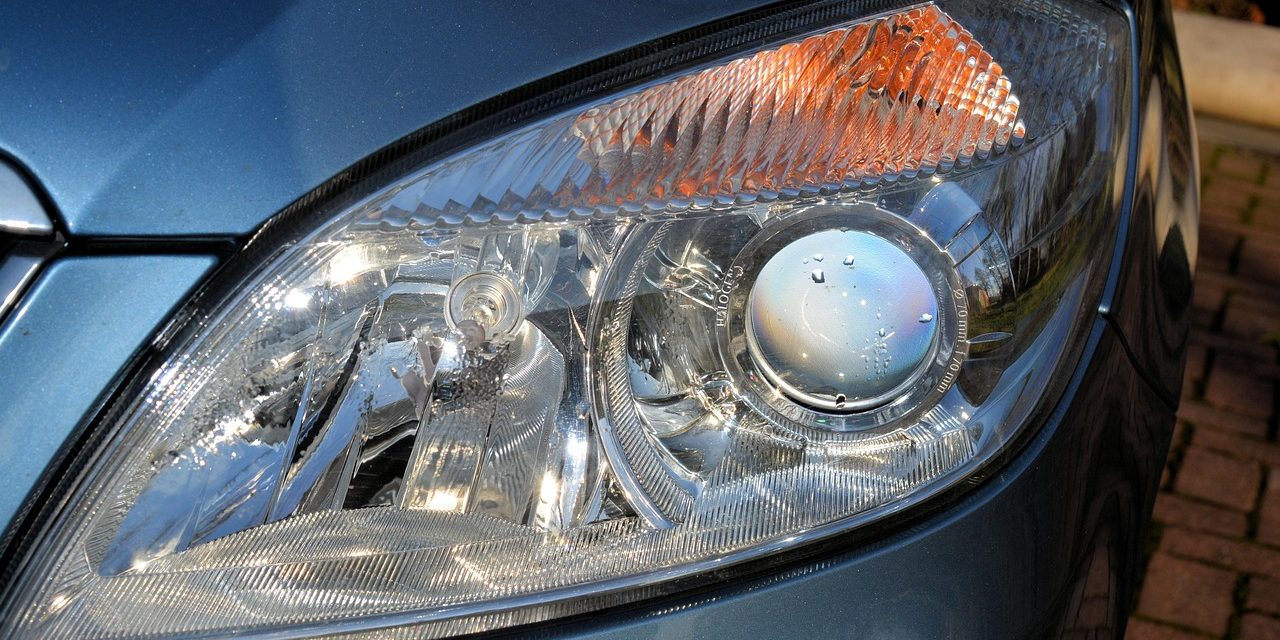
Aftermarket LED headlight bulbs are sold in their thousands as a cheap upgrade, promising brighter, whiter light for an older car for the price of a meal out. What the adverts rarely make clear is that fitting them to a car designed for halogen bulbs is an automatic MOT failure, and has been for several years. Drivers who swap their bulbs to LED expecting a quick improvement can find themselves failing the test, facing a bill to undo the work, and risking a fine if stopped on the road. Here is exactly what the rule says, why it exists, and how to stay both legal and safe.
What the MOT Rule Actually Says
The relevant rule sits in the MOT inspection manual that every test centre works from. It states plainly that existing halogen headlamp units must not be converted to use high intensity discharge, known as HID or xenon, or light emitting diode, known as LED, bulbs. If a tester finds that such a conversion has been done, the manual instructs them to fail the headlamp. There is no discretion and no minor advisory category for it. The car fails.
The timeline helps explain why this catches people out. Converting halogen units to HID has been an MOT failure for a number of years. The rules were then tightened so that from 11 January 2021, fitting LED bulbs into a headlamp unit that was designed for halogen also became a failure. Because LED bulbs are now cheap, widely advertised and easy to fit at home, the rule affects far more ordinary drivers than the older HID restriction ever did. Many people fit them in good faith, unaware that a test centre is required to fail them.
Why a Halogen to LED Swap Fails
The reason is physics, not bureaucracy. A halogen headlamp is engineered as a complete optical system. The position of the filament inside the bulb, the shape of the reflector behind it and the ridges and prisms moulded into the lens are all designed together to throw light exactly where it should go, with a sharp cut off that keeps it out of the eyes of oncoming drivers. The whole unit is calibrated around the precise point where a halogen filament sits.
An LED bulb produces light from a completely different source, arranged in a different place and pattern. Drop one into a reflector built for a halogen filament and the carefully aimed beam falls apart. Instead of a clean, controlled pattern, you get light scattered in all directions. It is often brighter, which is what buyers notice and like, but it is brighter in the wrong places. A large part of that extra light spills upward and sideways, straight into the eyes of drivers coming the other way, while the actual road ahead may be lit no better, and sometimes worse, than with the correct halogen bulb.
That dazzle is not a trivial complaint. Glare from poorly aimed and overly bright headlights has become one of the most common frustrations on UK roads, and research has found that a significant share of drivers are cutting back on night driving because oncoming lights leave them unable to see. We covered that growing problem in detail in our report on why so many drivers are dazzled by modern headlights. An illegal LED conversion adds directly to it, which is a large part of why the rule exists.
What Counts and What Does Not
It is important to be clear about the limits of the rule, because it is narrower than some drivers fear. The failure applies to headlamps, specifically to halogen headlamp units that have had their bulbs swapped for LED or HID. It does not apply to other lights on the car. Fitting LED bulbs to brake lights, tail lights, indicators or reversing lights is not caught by this particular rule, although those must still work correctly and show the right colour.
Cars that were built with LED headlights from the factory are entirely fine. The rule targets conversions, not original equipment. If your vehicle left the production line with LED headlamps, the whole optical unit was designed around the LED light source, so there is no mismatch and no problem at MOT time. The issue only arises when a unit designed for one type of bulb is fitted with another.
There is also one notable exception worth knowing. The DVSA reversed its position on motorcycles, advising testers that LED bulbs fitted to motorcycle headlamps should be allowed and should not be failed, regardless of the age of the machine. For cars and vans, however, the conversion rule stands. If you drive a car with halogen units and aftermarket LED bulbs, expect a fail.
What To Do Before Your MOT
If you have fitted, or are thinking of fitting, LED bulbs to a car with halogen headlights, here is how to avoid a wasted test and a fine.
- Check what your car came with. If your headlights were halogen from the factory, any LED or HID bulb conversion will fail. Look in your handbook or check the bulb type listed for your model if you are unsure.
- Refit the correct bulbs before the test. If you have already converted to LED, the simplest fix is to put the correct halogen bulbs back in before your MOT. Keep a set of the right bulbs to hand.
- Do not rely on road legal claims. Many LED bulbs are sold described as suitable for off road or show use only, language that quietly admits they are not road legal in a converted halogen unit. A label promising MOT compatibility does not override the inspection manual.
- Think about the on road risk too. Beyond the MOT, driving with lights that dazzle others or are not the correct type can leave you exposed to a fine and points for using a vehicle in a dangerous condition, separate from the test itself.
- If you want LED, do it properly. The only fully compliant route to LED light is a complete headlamp unit designed for LED, or a vehicle that came with LED headlights as standard. A genuine matched unit aims the beam correctly.
For drivers tempted by the upgrade, the honest position is that a correct, properly aimed halogen bulb in a halogen unit will usually light the road better than a mismatched LED, and will always pass the test. The brightness of a converted LED is mostly going where it should not.
The Bigger Picture on Headlight Glare
The conversion rule is one part of a wider effort to deal with headlight glare, an issue regulators and motoring bodies are taking more seriously as complaints rise. Modern cars sit higher, headlights are brighter, and the spread of poorly fitted aftermarket bulbs has made the problem worse. While the authorities look at longer term measures, the rules already on the books target one of the clearest causes within a driver’s control. Keeping the correct bulbs in a halogen unit is the single easiest thing an individual driver can do to avoid adding to the glare, and it happens to be the thing that keeps the car through its MOT.
The takeaway is simple. If your car was built for halogen bulbs, leave halogen bulbs in it. An LED swap will fail your MOT, may cost you a fine on the road, and despite the marketing will usually leave you seeing the road no better while blinding everyone coming the other way.
Sources:
- https://www.gov.uk/government/publications/special-notice-01-21-headlamp-conversions/mot-special-notice-01-21-headlamp-conversions
- https://www.classicbulbs.co.uk/faq/data-books-free-dvsa-guidance-on-led-headlamp-upgrades-on-vintage-and-classic-cars
- https://mot.tools/led-hid-headlight-bulbs-are-they-legal-2021/

Leave a Comment
More in News
What a Tyre Sealant Kit Actually Does (and How Far You Can Drive)
How to Tell If a Windscreen Chip Fails Your MOT (and Repair Cost)

What NHTSA’s Tesla Robotaxi Petition Over School Zone Speeding Means for You

Why Hyundai Is Telling 94,622 Genesis Owners to Park Outside

BMW Owners Have One Day Left to Claim This Shark Fin Antenna Payout
Trending on Motoring Chronicle
Van Insurance Premiums Are Rising Four Times Faster Than Car Cover

Volkswagen Atlas Owners Have 5 Days Left to Claim This Engine Payout

Ford Recalls 387,911 Explorers and Lincoln Aviators Over Seats That Can Slide or Unlatch

Hyundai Motor’s XCIENT Fuel Cell Truck Fleet Achieves 20-Million-Kilometer Milestone in Europe
