
Jeep Recalls 328,381 Grand Cherokees for a Third Time Over Coil Springs That Can Detach
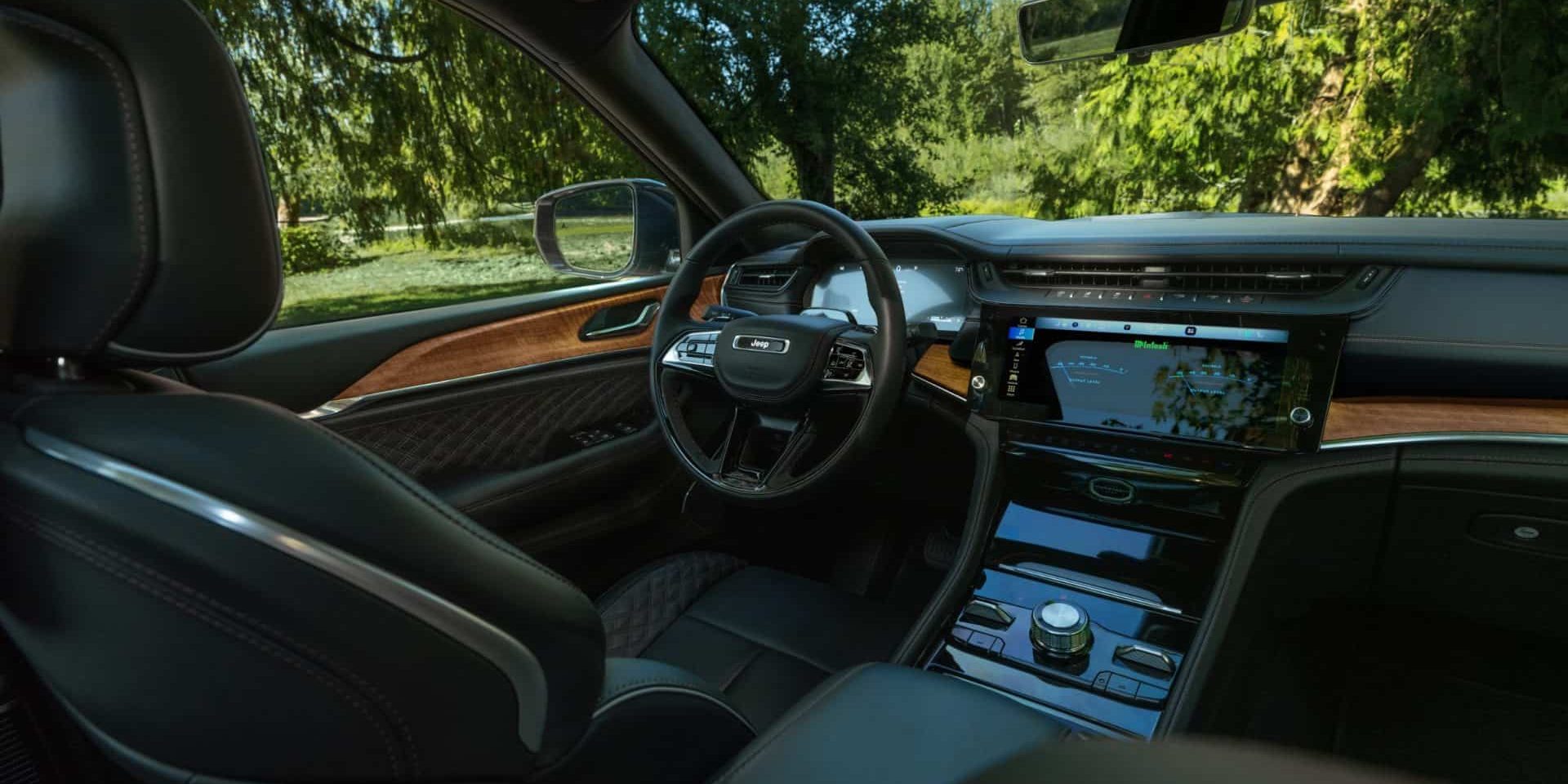

- Jeep is recalling 328,381 Grand Cherokees, Grand Cherokee Ls and 4xe hybrids from the 2021 to 2023 model years, after finding rear coil springs can come loose and separate while the vehicle is being driven.
- This is the third recall tied to the same part on the same vehicles from 2023 onward, and Chrysler still has no working fix ready to install at dealers.
- Owners get an interim warning letter starting September 29, a second letter once parts exist, and can check their VIN on NHTSA’s site now.
A Fix That Didn’t Fix Anything
Chrysler has now recalled the same coil spring problem on the same Grand Cherokees three times, and it still doesn’t have a permanent repair ready to hand a customer. The automaker filed recall 26V562 with the National Highway Traffic Safety Administration on September 1, covering 328,381 vehicles: 215,433 long-wheelbase Grand Cherokee L models, 97,477 standard Grand Cherokees, and 15,471 plug-in hybrid 4xe versions built between 2021 and 2023. Vehicles fitted with the Quadra-Lift air suspension are excluded, as that setup runs on air springs rather than steel coils.
The rear coil springs on these SUVs can shift out of their intended position and detach entirely while a driver is on the road. NHTSA’s recall documentation states plainly that no warning comes before a spring lets go. A dropped rear spring can drag on the pavement, catch a tire, or throw the back of the vehicle off balance at speed, turning a routine commute into a sudden handling problem with no notice at all.
Three Recalls, One Unsolved Problem
Chrysler first identified the coil spring defect in June 2023 and opened recall 64A/23V413 to address it. Roughly two years later, NHTSA came back to the automaker with 20 complaints alleging that springs had separated again on vehicles that had already gone through that first repair. That led to a second campaign, 20D/26V051, filed earlier this year. Then, in July, NHTSA sent Chrysler another round of owner questionnaires, prompting yet another internal investigation and this third filing.
Chrysler’s own data shows 70 additional claims connected to the defect, all of them reported after the vehicle had already received a prior fix. From July 2023 to now, the company has logged 29 customer assistance records and 406 warranty claims tied to the separating spring problem. No crashes or injuries have been linked to any of the three campaigns so far, a detail NHTSA and Chrysler both note in the recall paperwork.
Chrysler has told regulators an assembly or repair error is the root cause, rather than a design flaw or a bad batch of parts. Rear coil spring lower isolators, installed either at the factory or in an earlier recall repair, are going in misaligned. Over time and mileage, a misaligned isolator lets the spring walk out of its seat. That distinction, an installation error rather than a parts defect, is part of why the fix has taken this long to get right: replacing a part with an identical part doesn’t help if the underlying installation step keeps going wrong on the assembly line or in the service bay.
Why Repeat Recalls Happen
A repeat recall on the same defect is not unheard of, but it is a sign the first remedy didn’t hold. NHTSA tracks recall effectiveness separately from the initial defect report, and when complaint volume on a “closed” recall starts climbing again, that reopens the investigation. This case followed a fairly typical path for that pattern: an initial fix, a wave of new complaints from vehicles that already received it, an internal review, and eventually a new recall number covering the same population of vehicles plus anyone who missed the earlier campaigns.
For owners, the practical impact of a repeat recall is confusion as much as risk. A driver who took their Grand Cherokee in for the 2023 repair, or the earlier 2026 campaign, reasonably assumed the issue was closed. Learning that the same vehicle is now on a third recall list for the identical part can feel like the original repair accomplished nothing, and in some of the newly reported cases, that appears to be close to true.
What Owners Should Do Right Now
Owners of a 2021 to 2023 Grand Cherokee, Grand Cherokee L or Grand Cherokee 4xe should enter their 17-character VIN at nhtsa.gov/recalls to check whether their specific vehicle is included. Suspect VINs became searchable no later than September 9. Chrysler dealers nationwide received notice of the campaign by that same date, so a dealership can also confirm a vehicle’s status over the phone.
The remedy itself, a new set of rear coil spring lower isolators under part number 68668244AA, isn’t yet available at dealers in the volume needed to fix every affected vehicle. With that shortage still in place, Chrysler is sending two rounds of letters. The first, an interim notice, goes out starting September 29 and simply explains the defect, the risk, and what to watch for. A second letter will follow once dealers can actually order and install the part. Owners who already had a spring replaced under either of the two earlier recalls are included in this third campaign and will receive the interim letter regardless.
Anyone who notices a knocking noise from the rear of the vehicle, a sudden change in ride height on one side, or a rubbing or scraping sound near a rear wheel should stop driving and have the vehicle inspected right away rather than waiting for a letter. Drivers can also reach NHTSA’s Vehicle Safety Hotline directly at 1-888-327-4236 with questions about the campaign or to report a new symptom that isn’t yet reflected in the recall database.
A Busy Year for Recalls
This filing lands in a year when US recall volume has already climbed well past recent norms, with tens of millions of vehicles pulled back across dozens of automakers. Repeat campaigns like this one, where an earlier repair turns out to be incomplete, add a layer of frustration for owners who assumed a prior dealer visit had closed the issue for good. A vehicle can show a clean recall history after one repair and still end up back in the system months or years later, if the fix itself doesn’t hold up under normal driving conditions and mileage.
That’s a real risk for anyone shopping a used Grand Cherokee from this generation. A VIN check at purchase only shows open recalls at that moment, not whether a past repair was done correctly. Buyers of a used 2021 to 2023 Grand Cherokee should ask to see recall repair paperwork directly, not just a clean VIN report, and should run their own VIN check again after taking ownership. A repair invoice showing the exact part number replaced is a stronger signal than a dealer’s verbal assurance that “the recall work was done.”
What Happens Next
Chrysler has not given a public timeline for when the rear coil spring isolators will reach dealers in full supply. Until then, owners are left with a warning letter and a wait. NHTSA continues to accept new complaints tied to this defect, and a rising complaint count can influence how quickly a manufacturer moves parts to dealers or expands a remedy. Owners who experience symptoms of a failing spring should file a complaint directly with NHTSA in addition to contacting their dealer, as that record feeds directly into the agency’s oversight of the campaign and can speed up how urgently a parts shortage gets addressed.
For now, the safest step for any owner of an affected Grand Cherokee is the VIN check, a call to a local dealer to confirm the vehicle is on file, and attention to any change in how the rear of the vehicle sounds or handles. A third recall on the identical part is a strong reminder that a completed repair isn’t always the end of the story, and owners who stay alert to warning signs are in a far better position than those who file the letter away and forget about it.
Sources:

Leave a Comment
More in News

Edinburgh Drivers Paid £46.6 Million in Parking Income, Up 46 Percent in Three Years
Drivers Claimed £10.2 Million for Pothole Damage but County Councils Paid 6%, Quotezone Shows
Car Insurance Bills Rose by £8 This Quarter as a Two-Year Price Drop Ends

Garage Complaints to the Motor Ombudsman Jumped 22 Percent as Payouts Hit £4,308

How Cap HPI Data Shows Some Used Electric Cars Losing 29 Percent of Value
Trending on Motoring Chronicle

Why NHTSA Is Investigating 1.2 Million Teslas Over Suspension Failures
How to Check if Your Jeep Wagoneer’s Roof Rack Is Part of a 97,000-Vehicle Recall

Hyundai Santa Cruz, Venue and Sonata Lead Segments in JD Power 2026 Quality Study

Why Two-Thirds of Drivers Oppose More 20mph Limits and Where They Are Going in Next
