
Your Driving Licence Is Going Digital This Year and You Will Carry It on Your Phone
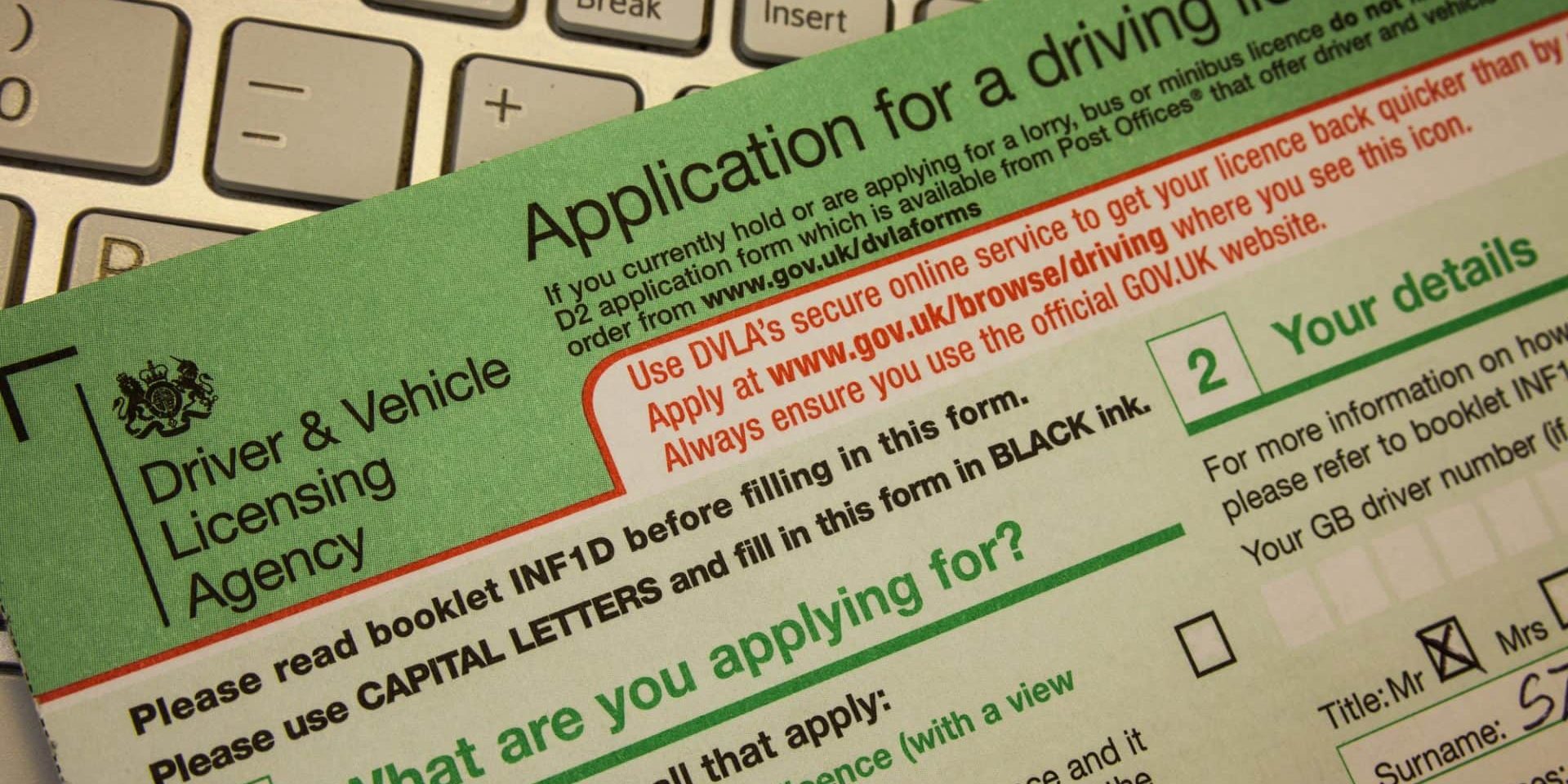
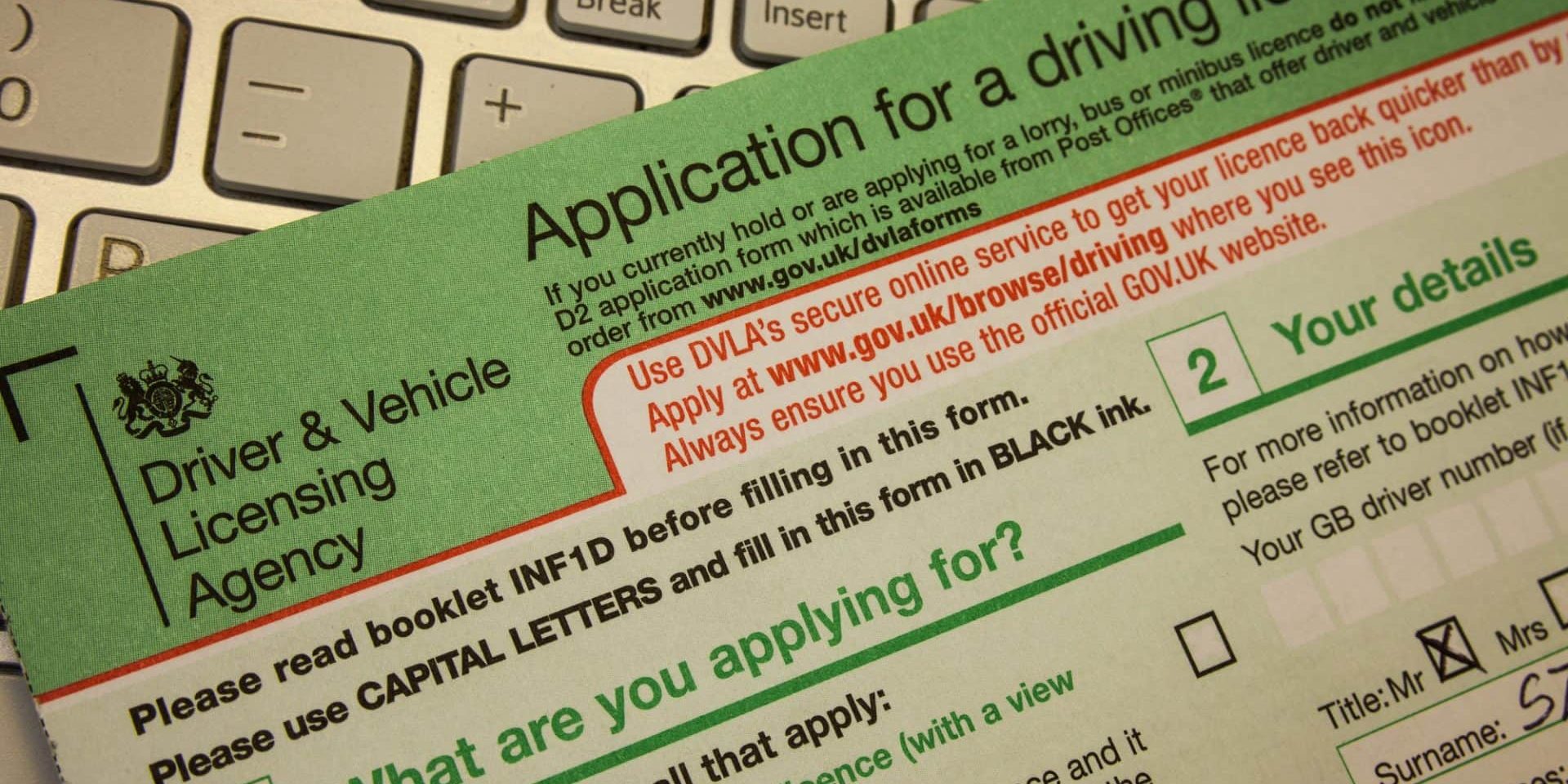
The moment UK drivers have waited years for is finally arriving. The government has confirmed that 2026 is the year the digital driving licence becomes a reality in England, Wales and Scotland, allowing millions of motorists to carry their credentials on their phone through a new app called the GOV.UK Wallet.
The DVLA has been working with the government’s digital team to build what officials are calling one of the most significant changes to everyday motoring since the photocard licence was introduced in 1998. When it goes live for the general public, drivers will be able to access a verified digital version of their licence without needing to search through their wallet or glove box.
The rollout follows a successful private trial that began in December 2025 involving DVLA staff and government employees. In August 2026, officials confirmed the system is ready for the wider public launch. Here is what that means for the estimated 40 million people who currently hold a full UK driving licence.
What Is the GOV.UK Wallet?
The GOV.UK Wallet is a secure, government-built app that sits inside the GOV.UK One Login platform. Unlike digital ID products offered by private companies, this is a government-issued and government-verified system, which means documents stored in it carry the same legal standing as their physical equivalents.
The wallet is designed to hold a range of official credentials. The driving licence is the first major addition, with other government documents expected to follow in the months ahead. The app works through GOV.UK One Login, the government’s single sign-in service already used by millions of people to access HMRC, Universal Credit and a range of other public services.
The digital driving licence connects securely to DVLA records. When a check is needed, the driver opens the app, consents to sharing specific details, and only the relevant information is passed to whoever is checking. The driver controls what is shared and no personal data is stored on the requesting party’s system. It is designed as a privacy-first system from the ground up.
When Will the Public Be Able to Use It?
The private trial ran through late 2025 and into 2026, involving a controlled group of DVLA staff and civil servants who used the digital licence in real-world situations to identify any issues before a wider release.
As of August 2026, the government has confirmed the system is ready for public rollout across England, Wales and Scotland. The launch is expected to happen in stages, with large-scale availability planned before the end of the year. The government has not published a single specific date, but the DVLA and GOV.UK digital teams have both indicated that the wider rollout is imminent.
Northern Ireland operates its own driving licence system through the DVA and is not part of the initial rollout, though the government has indicated conversations about future inclusion are ongoing.
What Can the Digital Licence Actually Be Used For?
Government guidance confirms that the digital driving licence is legally recognised for identity verification purposes. In practical terms, it can be used anywhere a physical photocard is currently accepted as proof of identity or proof of entitlement to drive.
That includes car rental companies verifying your entitlement to drive a vehicle, retailers and venues asking for age verification, police roadside checks, and other situations where a driving licence is routinely used as identification. The government is working with car hire firms, retailers, hospitality operators and other businesses to ensure their verification systems are ready to accept the digital format.
Acceptance will not be universal on day one. Not every business will immediately have the means to verify a digital licence, and drivers should check in advance for any situation where a licence is likely to be required. Police forces are being briefed ahead of the public launch, though specific roadside check protocols vary by constabulary.
Does It Replace the Physical Card?
No. The government has been explicit: the digital driving licence is an addition to the existing photocard, not a replacement. Physical licences will continue to be issued by the DVLA and will remain valid until at least 2030 under current plans.
Adopting the digital version is entirely optional. Drivers who prefer to carry only a physical card can continue to do so without any disadvantage. There is no requirement to download the GOV.UK Wallet or set up a GOV.UK One Login account to keep your existing licence valid.
This will be welcome news for drivers who are concerned about depending on a phone for something as important as a driving credential. A flat battery, a cracked screen or a moment without mobile signal are all real possibilities, and the physical photocard will remain a fully valid alternative throughout the rollout period and beyond.
How Do Drivers Get Their Digital Licence?
When the public launch goes ahead, the process will involve downloading the GOV.UK One Login app and signing in to an existing account or creating a new one. From there, drivers will be guided through a process to verify their identity and link their DVLA licence record to the wallet.
The government has indicated the verification process will draw on existing DVLA records, meaning drivers will not need to resubmit documents they have already provided. The aim is to keep the process short for anyone who already holds a valid photocard licence. Creating a GOV.UK One Login account, for those who do not already have one, typically takes around ten minutes and requires a valid email address.
Once the digital licence is active in the wallet, it updates automatically to reflect any changes to the driver’s record held by the DVLA. That includes changes of address, changes to categories or entitlements, and updates following medical reviews. Drivers do not need to take any action when their record changes.
Is It Secure?
Security has been a central concern for the programme since it was first announced. The digital licence is tied to a verified government account and cannot be duplicated or shared in the way a photo of a physical card can be. Access to the wallet requires the phone’s own authentication method, whether that is a fingerprint, facial recognition or a PIN.
If a phone is lost or stolen, the licence can be remotely removed from that device by signing in to the GOV.UK One Login account from another device. This is a significant advantage over a physical card, which cannot be remotely cancelled once lost.
Verification checks also work differently. Rather than a person reading information off a physical card that could theoretically be forged, a check against a digital licence involves a live verification against government records. The person conducting the check receives a confirmed result rather than relying on the visual appearance of a document.
What About Drivers Without a Smartphone?
The government has confirmed that the digital licence is optional and that no driver will be disadvantaged by not having a smartphone or not choosing to use the digital system. Physical licences will continue to be issued and accepted everywhere they are currently valid.
Digital inclusion remains a concern for some groups, particularly older drivers and those in areas with limited digital access. The government has committed to ensuring the rollout does not create a two-tier system where drivers who cannot or do not use smartphones face practical disadvantages compared with those who do.
The Bigger Picture
The digital driving licence is part of a wider government programme to digitise public services and reduce reliance on plastic and paper documents. The GOV.UK Wallet is expected to eventually carry a range of official credentials beyond the driving licence, including potentially passport and other government-issued documents.
For the average UK driver, the practical benefit is a reliable digital credential stored on a device most people carry everywhere. Over time, as acceptance becomes universal, it removes the risk of being caught without your physical card at a moment when you need it.
The physical photocard introduced in 1998 replaced the old paper licence that many drivers still remember. The digital licence represents a similarly significant shift, moving credentials from a piece of plastic into a government-backed app for the first time. The physical card will not disappear quickly, but the transition to digital has now formally begun.
The DVLA issues around 5.5 million driving licence transactions every year, covering new licences, renewals, address changes and entitlement updates. As the digital system matures, many of those processes are expected to become faster and more accessible, reducing the time drivers spend waiting for updates to arrive by post.

Leave a Comment
More in News

Paris Motor Show 2026 highlights, with BYD and Denza leading the charge

How a Burning Smell From Your Clutch Could Signal a £600 Repair Bill

What a Tyre Pressure Warning Light Means as Cold Mornings Return This Autumn

What the Fog Light Rule Actually Means (and the £50 Fine)

How to Drive Through Flood Water (and What to Do If It Stalls)
Trending on Motoring Chronicle
One in Five Drivers Now Checks Their Phone at the Wheel, the Most Since 2016

BMW M Concept Neue Klasse Revealed at Le Mans with Four-Motor Electric Drive

Why Does My Car AC Smell?
Why Young Drivers Are Paying the Lowest Car Insurance in a Decade
