
What a Windscreen Claim Costs You When Your Policy Quietly Drops the Cover

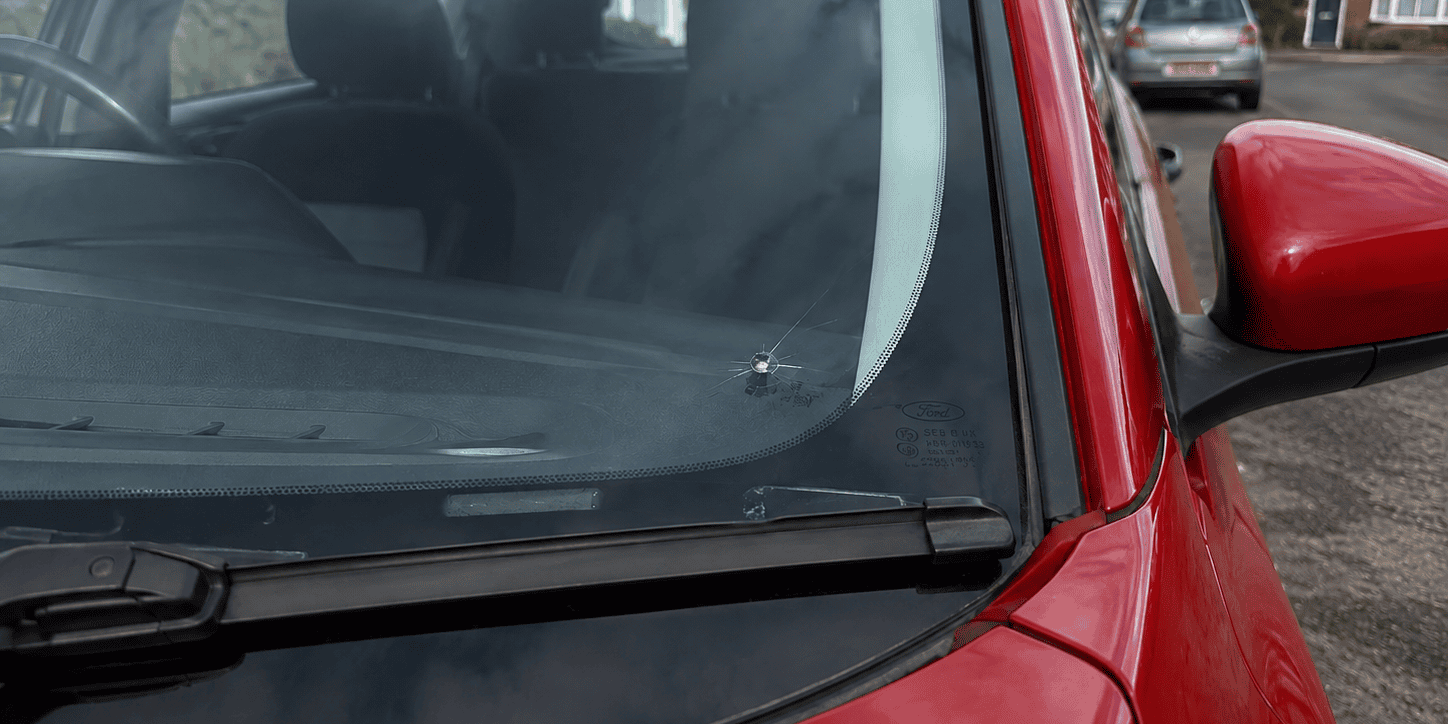
- Four in five fully comp policies now carry a windscreen replacement excess of £100 or more, and some insurers charge anywhere from £95 to £300 depending on the car.
- One in 13 fully comp policies (8 per cent) has no windscreen cover at all, and in almost every case the provider does not make that clear.
- Replacing a modern windscreen means recalibrating the cameras and sensors behind it, so the policy wording on recalibration needs a read before you buy or renew.
The Excess You Never Priced In Lands the Day the Glass Cracks
A stone flicks up on the A-road, the chip becomes a crack by morning, and the call to your insurer ends with a number you did not expect. Defaqto, the financial ratings company, examined almost every standard fully comp product on sale and found that 80 per cent of them set the windscreen replacement excess at £100 or above. Ten years ago only one policy in 20 did.
The size of the excess has climbed with it. Defaqto’s average maximum windscreen replacement excess has risen by almost 80 per cent from 2016 to today, from £72 to £129. That is £57 more on the average ceiling, paid before the insurer contributes anything.
The sharper change sits in the policy wording. The share of policies that pay the full cost of a replacement has fallen to two in five, against 84 per cent in 2016, and a growing number carry no windscreen cover whatever. Mike Powell, car insurance expert at Defaqto, said: “Windscreens are no longer just a sheet of glass.” He added: “In many modern cars they house the cameras and sensors that help with braking and steering, and replacing them properly costs more.”
A Single Flat Excess Is Turning Into a Range of £95 to £300
Insurers are moving away from one flat windscreen excess. Defaqto’s research finds some now apply a range from £95 to £300, set by the vehicle named on the policy. Two neighbours with the same insurer and the same cover level can face different bills for the same cracked pane.
Put that against the going rate for a claim. The Association of British Insurers (ABI) put the average windscreen repair bill at £283 in the second quarter of 2026, a rise of 7 per cent. Our earlier report on windscreen repair costs averaging £283 tracks how that bill moved.
Powell said: “Insurers are responding to those higher costs, and one of the ways they are doing that is through higher excesses.” Allianz, one insurer with its own figures, said it had spent an average of £327 per windscreen claim so far in 2024, up from £308 in 2022. Its claims director Caroline Johnson said: “We’re seeing more and more claims for windscreen chips and replacements, so it’s a good idea to check what you are and aren’t covered for, as well as any excesses to pay if making a claim.”
One Policy in 13 Has No Windscreen Cover at All
Defaqto’s latest research finds that 8 per cent of these policies, one in 13, leave windscreen cover out entirely. Ten years ago the figure was around one in 100. In almost all of those cases, the provider does not make the exclusion clear.
Defaqto raised the warning two years earlier. In March 2024, drawing on policy data from 26 February 2024, Powell said: “As windscreens become increasingly hi-tech, the cost of replacing them can vary from £250 to £2,500. At the same time, we’ve started to see a number of ‘comprehensive’ motor insurance policies remove windscreen cover from their offering.” The number of products without windscreen cover had tripled from 2020 to that point. Powell added: “Our concern is that although these products clearly explain that cover is not available, some consumers may simply look at the overall price and not realise that windscreen cover is excluded.”
The two statements carry different years and different findings. In 2024 Defaqto described the exclusions as clearly explained. The 2026 research says they are almost never made clear. Powell’s latest comment keeps both thoughts side by side: “Insurance providers do set out what is and is not covered. But with more products now being offered in different cover tiers, some drivers focused mainly on price may not realise that windscreen cover is excluded or limited.”
Why a Replacement Costs More: Cameras, Sensors and Recalibration
Modern cars carry advanced driver assistance systems: autonomous emergency braking, adaptive cruise control and lane keeping assistance. Many of them read the road through cameras and sensors fixed to the windscreen. When the glass is replaced after a severe crack, those sensors have to be recalibrated so the systems work as they should.
Belron, the parent company of Autoglass, explained the reason in 2018. Dr Chris Davies, head of technical superiority, said: “Because of natural tolerance issues with how the glass is manufactured, you’re going to get the camera in a different position when you put the new windscreen in,” and added: “And that means the camera needs recalibration. If you don’t recalibrate, you can compromise the safety of the customer.”
The job has become far more common. Allianz reported in 2024 that 1 per cent of cars needed this calibration in 2016, against 44 per cent of its claims in 2023. The ABI links part of the rise in claim costs to rising vehicle repair bills, as modern cars rely more on cameras, sensors and driver assistance systems. Our report on camera fees on a cracked windscreen shows how much the recalibration line alone can add to a bill.
Policy wording on that line has improved but still leaves gaps. Defaqto’s latest research finds eight in ten fully comp products now state that recalibration is covered, up from 14 per cent in 2020. About one in five still fail to make it clear. In 2024 Powell described the earlier position this way: “We look at whether cover is clearly defined with specific wording, is not clearly defined, or if cover is specifically excluded. Back in 2020, 85% of policies did not clearly define whether cover was provided or not. Today, there are still around four in ten products that do not clearly define this area of cover, so although the market is improving, it’s an important aspect to check before purchasing cover.”
The Cheap Quote Strips Out the Glass First
Which? lists windscreen cover among the extras that cheaper policies often strip back to hold the price down. Lower-priced policies can also carry higher excesses and stricter claim conditions, so two quotes that look alike on price can differ widely in what they pay.
Defaqto’s 2026 research also finds almost three in five policies now limit windscreen claims against the market value of the car, up from 13 per cent a decade ago. In 2024 it had warned that just under half applied such a clause, which meant older cars could be written off if a high-tech windscreen cost more than the car was worth. Five years before 2024, 71 per cent of policies paid the full cost of a replacement. By 2024 the share was 53 per cent. Defaqto counts both figures as subject to the policy excess.
Which? adds a point on cost over time: glass claims often do not reduce a no-claims discount, but insurers can still record them and take them into account when setting your next premium. Cover can also depend on using an approved repairer.
What to Check Before You Buy or Renew
Powell’s advice is short: “Before buying your insurance policy, check that windscreen cover is included if this is important to you, as the cost of replacing a windscreen can be significant.” Defaqto’s 2024 checklist gives the detail, and it fits the 2026 findings.
Start with the excess. Find the figure listed for a windscreen replacement, and look for a range by vehicle. Next, find any overall limit on windscreen claims, including a market value clause. Then look for the words “windscreen recalibration” in the policy documents. If the wording does not mention it, Defaqto says to ask the insurer directly and get the answer confirmed. Defaqto also notes that products with a 5 or 4 Star Defaqto Rating include windscreen cover, as it is a core feature of those ratings.
Use the insurer’s approved repairer. Defaqto warns that a garage of your own choice can bring lower cover limits or a higher excess. If you spot a chip, repair it early: insurers typically pay for a chip repair and usually apply a lower excess to it. Johnson said: “It’s also a good idea to get any small chips looked at as soon as possible, before they get worse over time and cost more to fix.” Our guide to when a chip fails the MOT shows when a chip stops being a cheap repair.
The excess figure and the cover tier are printed on the quote. Read them before the price.
Want more car content? Add us as a preferred source on Google to your favourites list for the best automotive news and analysis on the internet.
If you enjoyed this article, be sure to follow us on Microsoft Start.
Sources
- Defaqto: Is your car insurance really as comprehensive as you think?
- Daily Mail: Rising windscreen costs due to higher glass prices and car tech are inflating your motor insurance premiums
- Which?: 7 car insurance myths that could cost you in 2026
- Insurance Times: Motor insurance payouts hit record £3.2bn in second quarter
Reviewed by Preetam Gadekar

Leave a Comment
More in News

What to Do When a Fine Arrives for a Car You Never Drove
NSW Red-Light Camera Starts 26 November, Then $562 Fines and 3 Points
Out-of-state man drives to Michigan to buy a used car. Then he makes a strange request: ‘Leave it blank’
NJ Turnpike, Parkway and Atlantic City Expressway Tolls Rise 3% Jan. 1

Florida’s Hillsborough Bus Camera Appeals Face Suit, Nearly 80% Upheld
Trending on Motoring Chronicle
What Highway Code Rule 57 Expects of Every Driver With a Dog in the Car
California Now Offers $3,500 EV Rebates to First-Time Buyers as Federal Credits End
What Florida’s New Crash Reporting Law Means for Every Driver Starting Oct 1
Every Driver Risks a Cloned Plate Fine as DVLA Complaints Hit a Record 11,402
