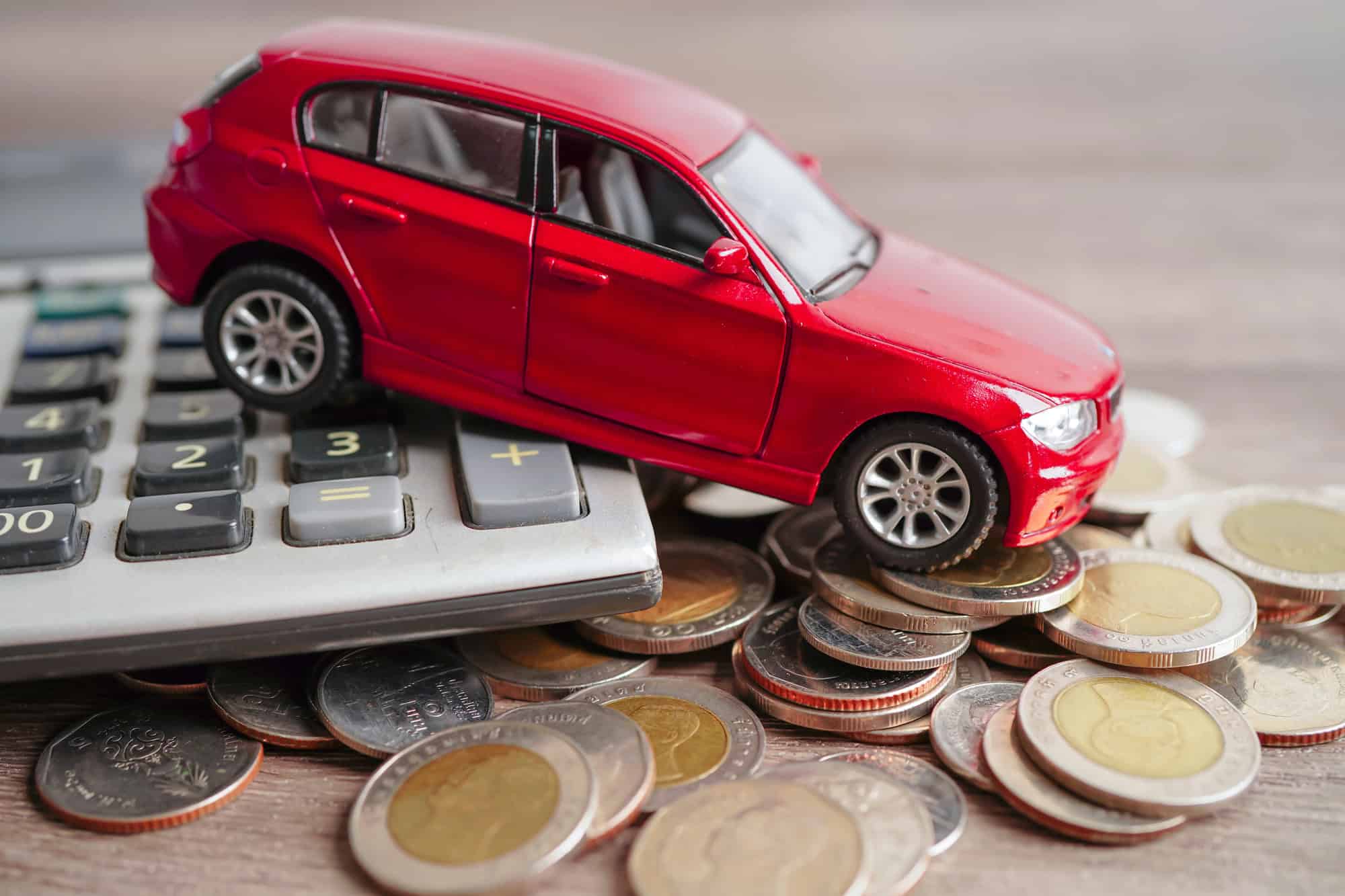
Windscreen Repairs Now Cost £283 on Average as ABI Reports Record £3.2bn Motor Payouts


- The Association of British Insurers (ABI) says motor insurers paid out a record £3.2 billion in the second quarter of 2026, up 5% on the previous quarter and 7% on a year earlier.
- The average claim payout was £4,900, up 4% in the quarter, and the average windscreen repair bill rose 7% to £283.
- The average premium paid was £566, up £6 (1%) in the quarter but £14 lower than a year earlier once inflation is taken into account.
Repair costs are the pressure point in car insurance right now, and windscreens show it clearly. The ABI’s motor insurance figures for the second quarter of 2026, published on 29 July 2026, put the average windscreen repair at £283, a 7% rise in three months. Across all claims, insurers paid out a record £3.2 billion, with the average claim reaching £4,900. Drivers pay for this through premiums, excesses and, for anyone who claims, the time and cost of getting a car fixed.
Why a £566 Premium Now Has to Cover a £4,900 Average Claim
The ABI is the trade body for UK insurers, and its quarterly motor data tracks premiums, claims and payouts. The second quarter edition covers April to June 2026. Four numbers carry the story: £3.2 billion in total payouts, £4,900 for the average claim, £283 for the average windscreen repair and £566 for the average premium.
Start with the payouts. The £3.2 billion total is the highest the ABI has recorded for a quarter. It is 5% above the first quarter of 2026 and 7% above the second quarter of 2025. Working backwards (the site’s own arithmetic, not ABI figures), that puts the previous quarter at about £3.05 billion and the second quarter of 2025 at about £2.99 billion. Spread across the 91 days of the quarter, £3.2 billion is roughly £35 million paid out every day.
The average claim payout of £4,900 is up 4% on the previous quarter. Reversing that rise gives an average of about £4,712 for the first three months of the year, so the typical claim cost around £188 more in one quarter (own arithmetic). The ABI links the increase to rising repair costs, a theme it has returned to in recent quarters.
Windscreens moved faster than claims overall. The average repair bill rose 7% in the quarter to £283, which the ABI describes as a sharp quarterly increase. Reversing the 7% suggests the previous figure was about £264, so the bill went up by roughly £19 in three months (own arithmetic). Glass is a routine claim for millions of drivers, so a rise in its price touches more policies than a rise in the cost of a rare repair.
Now the premium. The average premium paid was £566, up £6 or 1% on the first quarter, which implies an average of £560 in that quarter. That is a small rise next to a 4% rise in claim size and a 5% rise in total payouts. The ABI says premiums remained relatively stable over the quarter even with the high cost of claims.
The inflation-adjusted comparison is the most useful for a household budget. After adjusting for inflation, the ABI says the average premium is £14 lower than in the same quarter of 2025. In other words, the £566 paid now buys the same cover for slightly less in real terms than it did a year ago, which means the average driver is not yet seeing the full cost of higher claims in the price of cover. Putting the two sides together (own arithmetic), the average claim of £4,900 is about 8.7 times the average premium of £566. One claim uses up the premiums of roughly nine policyholders.
The ABI’s explanation for the pressure sits in the repair trade. It says the sector needs investment in repair skills and parts availability, and that insurers are working to keep premiums competitive and affordable for customers. The trade body’s director of general insurance and international policy, Chris Bose, is named on the statement. The release does not give a breakdown of claims by region, age group or car type, and it does not say how many claims were made, so the averages above cannot be split by driver.
How Other Insurance Data Fits With the ABI Figures
The ABI figures describe what insurers pay out. A separate set of data describes what drivers are quoted. The Defaqto Market Pricing Motor Insurance Price Index, reported on 15 October 2026, put competitive quoted premiums at the end of September 2026 at 2.7% above September 2025, the first annual rise in nearly three years. The quarterly rise to the end of September was 0.5%, down from 2.1% in the second quarter.
Defaqto’s data also shows how uneven the changes are. Quoted premiums are 12.8% below their level two years ago and 11.9% above the start of 2020. Older drivers saw the largest increases over the past 12 months, while drivers in the under-26 and 26 to 30 age bands remained below last year’s levels. Regional movements ranged from a fall of 1% in London to a rise of 16.3% in Northern Ireland, and across providers the third quarter moves ran from a fall of 3.5% to a rise of 9.6%.
Read together, the two sets of data suggest the pressure from repair costs is real but has not yet pushed average premiums sharply higher. The ABI’s inflation-adjusted figure shows premiums slightly lower in real terms than a year ago, while Defaqto’s index shows quotes edging up. Neither source forecasts where premiums go next, and this article does not either.
What the ABI figures do establish is the size of the bill behind each policy. A record £3.2 billion in a single quarter is a large sum to recover from policyholders, and average claim costs rose faster than average premiums in the quarter. If repair costs keep rising at the pace seen in the second quarter, the gap between what insurers pay and what drivers pay will keep narrowing from one side, which is why it is worth knowing what your own policy covers.
Can You Avoid It?
You cannot control the price of glass or parts, but you can control how much of the cost lands on you. These steps are general guidance and should be checked against your own policy wording.
- Check your windscreen cover and excess. Not every policy includes glass cover, and where it does the excess for glass claims is often separate from the main excess. With the average repair at £283, an excess close to that figure can mean the repair costs you almost as much as the claim is worth.
- Repair chips early. A small chip can often be repaired, while a crack can mean full replacement. Repair is normally the cheaper job, and some insurers treat a repair differently from a replacement when it comes to excess and your record. Ask your insurer before booking.
- Ask whether a glass claim affects your no claims discount. Policies differ, so ask what a glass claim does to your discount before you make one. Do not assume it has no effect.
- Compare the excess and the premium. Raising the voluntary excess can lower the premium, but it also raises what you pay on every claim. Against an average claim of £4,900, an extra few hundred pounds of excess is small. Against an average windscreen bill of £283, it can make a glass claim pointless.
- Shop around at renewal using the same cover. Defaqto found provider movements in the third quarter ran from a fall of 3.5% to a rise of 9.6%, so two insurers can price the same driver very differently. Compare like with like, including the glass excess and any approved repairer terms.
- Keep records of repairs and parts quotes. If a repair estimate looks high, ask the insurer or repairer to itemise parts and labour. The ABI says parts availability and repair skills are driving costs, so quotes can vary between garages and approved repair networks.
For most drivers the ABI numbers do not mean an immediate rise in the renewal price. They show where the cost sits: a record £3.2 billion in payouts, a £4,900 average claim and a £283 windscreen bill. The best protection is knowing your own excess and cover before you need to claim, and comparing quotes on the same terms when the renewal letter arrives.
Want more car content? Add us as a preferred source on Google to your favourites list for the best automotive news and analysis on the internet.
If you enjoyed this article, be sure to follow us on Microsoft Start.
Sources:
- ABI: Record £3.2 billion paid out to support motor insurance customers in Q2 2026 (29 July 2026)
- Insurance Edge: Latest Defaqto data on motor premiums, small rise in Q3 2026 (15 October 2026, reporting the Defaqto Market Pricing Motor Insurance Price Index)

Leave a Comment
More in News

What a Dangerous MOT Fail Means (and Whether You Can Drive Home)

2027 Jeep Gladiator Adds Sport S Trim and Factory 35-Inch Tire Package

Used Cars Under £5,000 Lost 3.4% of Value in August, Cap HPI Data Shows

Kia Keeps 2027 EV6 Pricing at $37,900 Across Seven Trims

How to Replace a Lost Car Key (and What a New One Costs)
Trending on Motoring Chronicle

Why One in Four UK Drivers Has Cut Back Night Driving Because of Dazzling LED Headlights

Used Car Complaints to the Motor Ombudsman Jumped 14 Percent Last Year
How to Check a Used Car for Outstanding Finance Before You Lose Thousands
Triple anniversary: Bentley celebrates three seminal sedans [Photo Gallery]