
Which Head Gasket Failure Sign You Get Depends on Where It Leaks
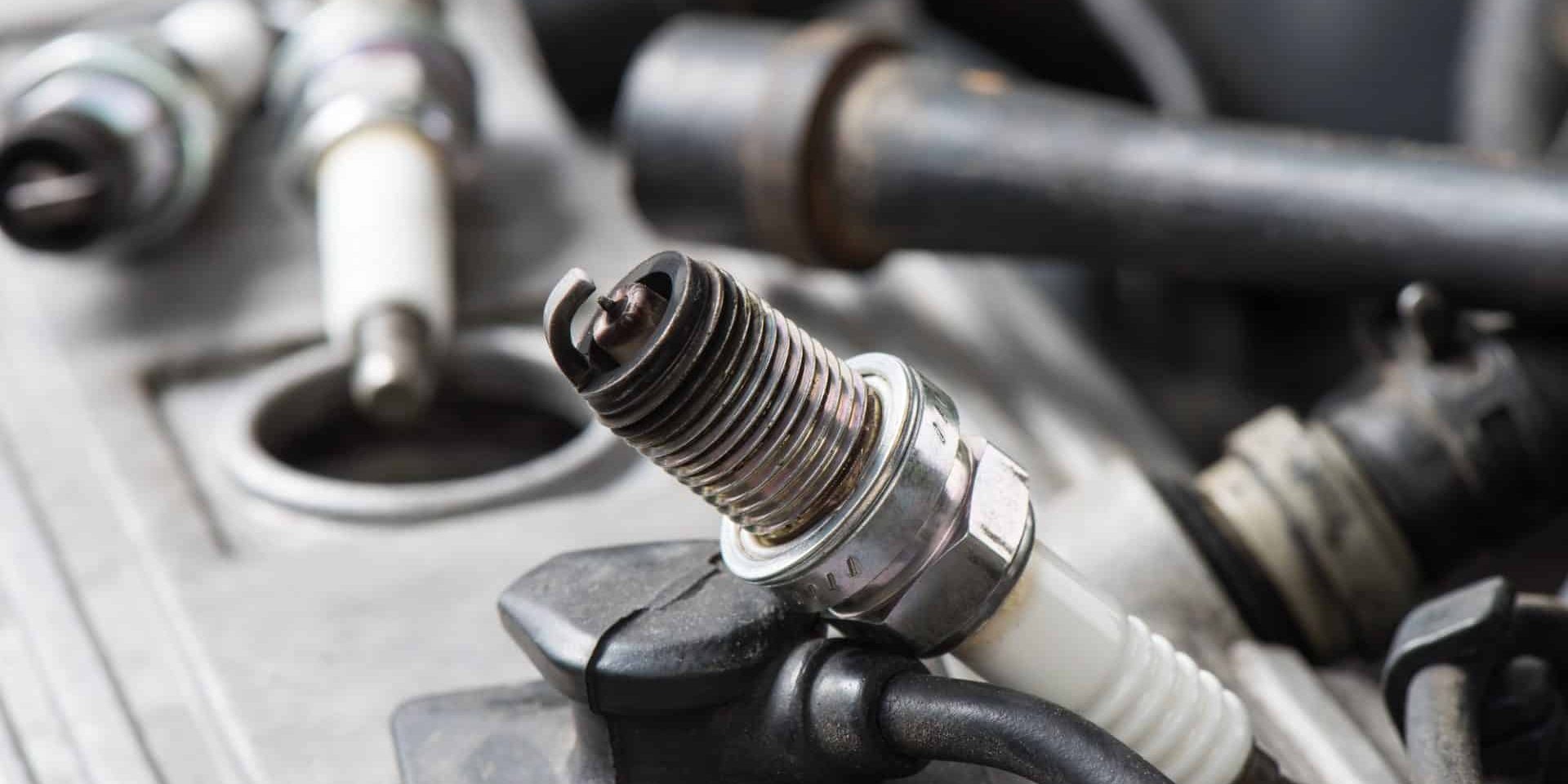
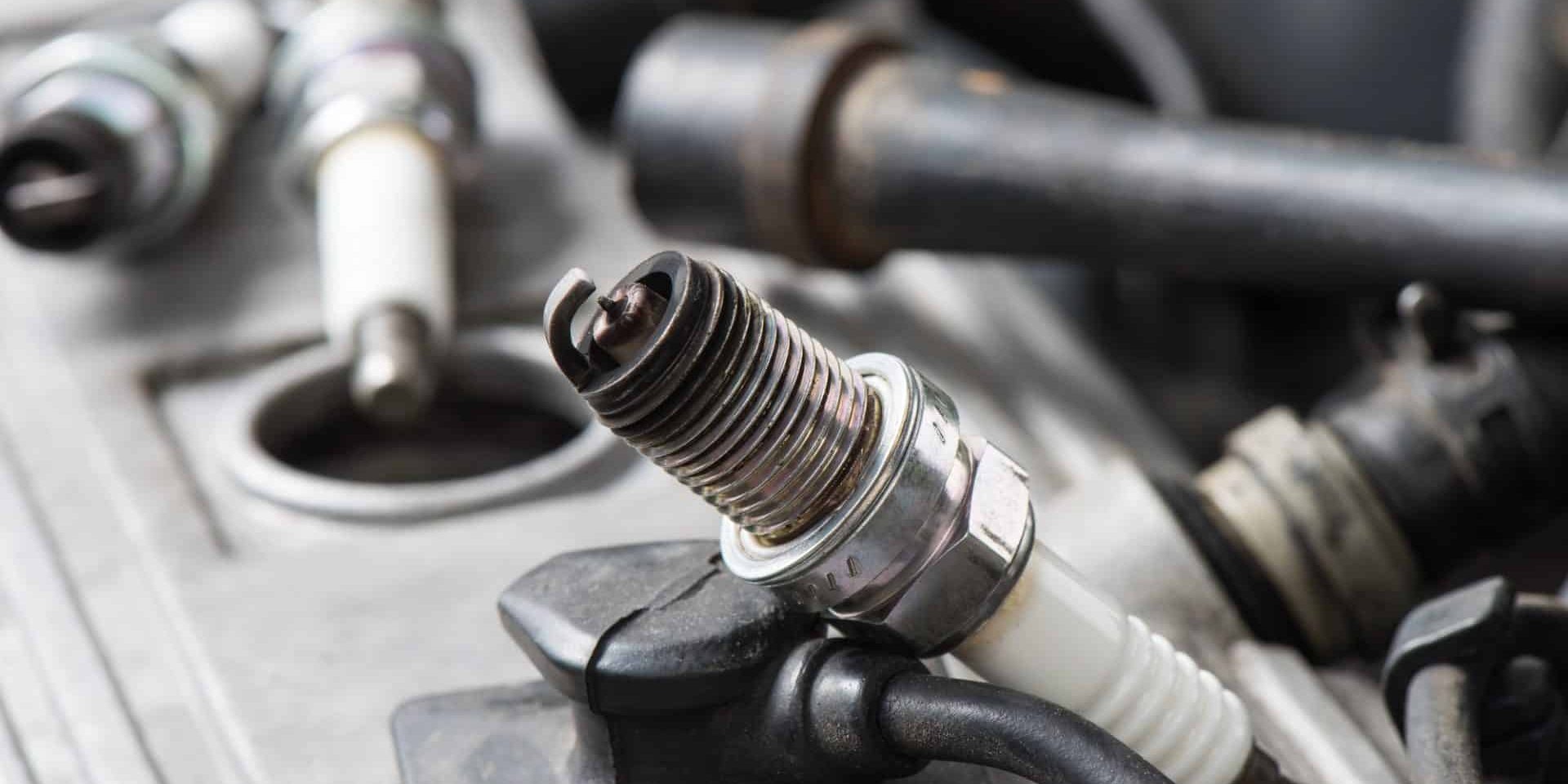
Bubbles in the radiator, milky oil and white smoke each mark a different route for a failing head gasket to leak. Two gasket makers, Victor Reinz and Elring, list seven routes each. One sign rarely settles the question, and the gasket is often the last part in a chain of faults to show damage. A garage test can tell a gasket fault from the others.
Key takeaways:
- Victor Reinz (for composite gaskets) and Elring each list seven leak routes, and our reading is that the sign a driver gets depends on which route has opened.
- Overheating is both a result of some leaks and a cause of gasket failure, so it proves nothing alone.
- Elring says the gasket is usually the last part in a chain of faults to show damage, so the cause has to be found before the part is replaced.
One Seal Between Three Fluids
What a Head Gasket Keeps Apart
The head gasket sits between the engine block and the cylinder head. It keeps combustion gas, engine oil and coolant away from one another and away from the outside of the engine. Every sign of failure is one of those three leaving the channel it belongs in.
Victor Reinz, a cylinder-head gasket maker and part of Dana, lists seven leak routes for the compressible composite type of gasket: gas between combustion chambers, gas into the coolant, gas to the outside, oil into the coolant, oil to the outside, water into the oil circuit and water to the outside.
Elring, the gasket brand of ElringKlinger, lists seven in its workshop brochure, grouped by substance, and the two lists differ. Elring includes coolant reaching the combustion chamber, which Victor Reinz does not list. Victor Reinz includes gas escaping to the outside, which Elring does not. Together they name eight routes.
Why Symptom Lists Overlap
A typical driver’s list, the AA’s head gasket guide among them, names lost engine power, overheating, white exhaust smoke, a sweet smell, milky oil on the dipstick and a pressure test of the cooling system. The AA page was updated on 2 March 2026. It gives a short reason for some signs but does not group them by leak route, so the list reads as one fault with a bag of symptoms.
The overlap is real. Overheating cuts both ways. Gas forced into the cooling circuit overheats the engine, and overheating is also the cause the AA names as the most common reason a gasket fails. A hot engine proves nothing either way. Elring adds an example: a melted catalytic converter or a loose silencer part narrows the exhaust, raises back pressure and overheats the engine and the gasket, and the result is lost power.
One sign calls for a test. Matching a sign to a leak route is our own reading: the makers describe the routes and the causes, and mostly leave the driver’s view out.
Reading the Signs by Where the Leak Goes
Some routes end in the cooling system and others end in the oil or the cylinders. The signs follow the same split.
Into the Coolant: Bubbles, Pressure and Overheating
Elring’s brochure says combustion gas that reaches the cooling circuit shows as rising gas bubbles in the radiator or as overheating. Pressure builds until coolant escapes through the pressure relief valve, so coolant is lost. A steadily falling coolant level points to a leak somewhere, and the gasket is one of the places.
Between them the makers name the cooling faults that overheat an engine: a failed water pump, a thermostat that does not open, a radiator clogged with lime deposits, too little coolant, or air trapped after work on the cylinder head. Overheating can warp the cylinder head and break the seal, so a hot-running engine needs stopping.
Coolant that disappears with nothing on the drive is where the tidy story breaks. Elring records a truck engine that lost water with no leak visible outside. The cause was a porous patch in a cylinder liner, found only under a microscope, and the head gasket was not to blame. That is one workshop case on a truck. A falling level points to a leak, and the gasket is one candidate among several.
Into the Oil or the Cylinder: Milky Oil, White Smoke and Lost Power
The AA names milky or white oil on the dipstick or around the filler cap as a possible sign of coolant leaking in. Elring lists oil in the cooling water as a warning signal, and Victor Reinz lists oil into the coolant and water into the oil circuit as routes. Milky, pale oil on the dipstick calls for a garage visit instead of a top up.
The AA says coolant that has leaked into the combustion chamber and evaporates can produce visible white smoke, with a sweet smell from the exhaust. Elring lists water reaching the combustion chamber as a route. Thin vapour on a cold start is normal condensation; white smoke that persists once warm is the one to act on.
Gas escaping from a cylinder, to its neighbour or into the coolant, is a route both makers list. The AA lists loss of engine power and puts it down to falling pressure in the combustion chamber. Elring’s warning list names lost power and an engine that fails to run on all cylinders after a cold start. A choked exhaust produces lost power too, as Elring’s catalytic converter example shows, so the sign needs a test.
Each sign narrows the route and none names the cause. The AA says a pressure test of the cooling system is best done at a garage, and a combustion leak test checks the coolant for combustion gas.
What the Makers Say to Do Next
The Gasket Is Usually the Last Link in the Chain
Elring’s brochure says the cause of an engine fault is often wrongly sought in the head gasket, which is usually the last link in the chain to show damage and then comes back to the maker as a complaint. For composite gaskets, Victor Reinz says leaks can still occur in service, but only in exceptional cases is a faulty gasket the reason.
The chain, from the makers’ lists, has three kinds of link. Cooling faults overheat the engine. Knock, from low octane fuel, spark plugs of the wrong heat rating, too high a compression ratio or wrong ignition timing, damages the gasket. A head tightened below the specified torque, old bolts, or rough and uneven surfaces leave the seal under-compressed. Neither maker ranks the three groups against one another, though Elring calls knock damage very common in practice. The AA alone calls overheating the most common cause.
A gasket replaced without finding the cause leaves the fault in place. Elring warns that the damage can occur again when the cause is not established before the repair.
Find the Leak Before Anyone Replaces the Part
Victor Reinz sets out an order for a damaged gasket: locate the leak before removing it, analyse the damage and find the cause, remedy the cause, and only then fit a new gasket to the manufacturer’s instructions. Elring adds that many complaints blamed on the gasket come from crankcase ventilation lines or the boost pressure tube, and that fan airflow can blow oil or water away from where it started. Both makers say to fit new head bolts.
The AA advises against driving with a failed head gasket, as the engine loses power and is likelier to overheat, though short distances are possible if unavoidable. Victor Reinz says in its multi-layer steel gasket guide that gas leaks can cause fatal engine damage within a very short time. The AA says sealers can work as a temporary fix on a developing leak caught early, not as a long-term repair. Elring says leak stoppers added to the cooling water damage gasket sealing material.
The AA, in a page updated on 2 March 2026, puts repairs at upwards of £500, with labour often as much as £1,000 and the gasket itself generally inexpensive.
The signs say where the seal has opened: bubbles and falling coolant for gas in the cooling system, milky oil for coolant and oil crossing, persistent white smoke for coolant in a cylinder, lost power for gas escaping from a cylinder. Only the cause says why it opened. A repair that skips the cause fits a new gasket to the same fault, and the first leak returns.
Want more car content? Add us as a preferred source on Google to your favourites list for the best automotive news and analysis on the internet.
If you enjoyed this article, be sure to follow us on Microsoft Start.
Reviewed by Preetam Gadekar

Leave a Comment
More in News

Car Insurance for Drivers With Poor Credit Rose 37.7% to $3,944 in 3 Years
Suffolk County Drivers Can Claim Up to $36 Back on Red-Light Fees by Dec. 8

Hempstead Drivers Can Sue Together for Refunds of $250 Bus Camera Tickets

2027 Acura Integra Type S Starts at $54,600, Heritage Edition $56,900

What an Open Safety Recall Means (and How to Check Your Car Now)
Trending on Motoring Chronicle

McLaren Artura Spider MCL39 Championship Edition: Celebrating McLaren Racing’s 10th Formula 1 World Constructors’ Championship

EV Sales Are Up 60% And More Than 40% Of New Cars Now Have A Plug. So Why Is Policy Pulling It Back?

How UK Drivers Can Keep Children Safer on the Roads This Bank Holiday Weekend
What the Record May Heat Means for Your Tyres and the Risk of a Summer Blowout
