
What to Do if Your Car Overheats on the Motorway Before the Engine Fails


- Pull over the moment your temperature gauge or engine warning light shows overheating, as driving on for even another mile can turn a coolant top up into a £633 head gasket repair.
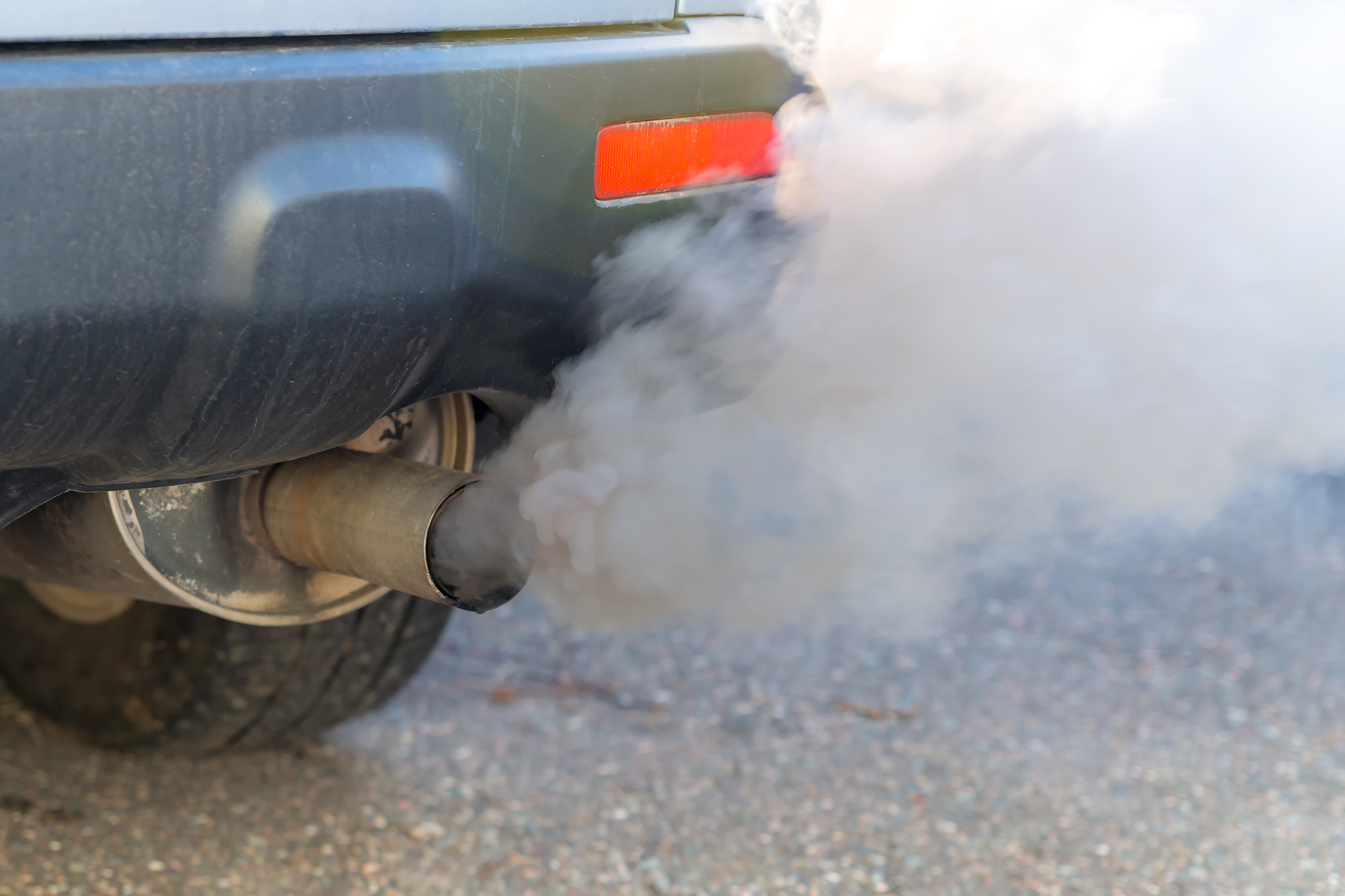
- White exhaust smoke, a sweet smell from the engine bay, or fluid pooling under the car are all warning signs that appear before a head gasket actually fails.
- Letting the car sit for at least 30 minutes before opening the bonnet or the coolant cap prevents a dangerous release of pressurised, near boiling coolant.
The First 60 Seconds Decide Whether This Costs You £30 or £1,000
The temperature needle creeps into the red on the motorway. Most drivers’ instinct is to keep going until the next services, reasoning that a working car should be able to limp another five miles. That instinct is exactly what turns a cheap fix into an expensive one. An engine that overheats for even a short distance can warp the cylinder head, blow the head gasket, or crack the block itself, and none of those repairs come cheap.
Indicate early, move across to the hard shoulder or a nearby exit, and switch off the engine as soon as it is safe to stop. Every extra minute spent running hot multiplies the chance that a simple coolant top up becomes a garage bill running into four figures.
Recognise the Warning Signs Before the Gauge Moves
A head gasket rarely fails without warning. The signs usually show up in this order: a gradual drop in the coolant level that keeps needing topping up, an engine warning light paired with a noticeable loss of power, white exhaust smoke with a faintly sweet smell, and finally fluid pooling underneath the car when it has been parked for a while. Catching any one of these early, rather than waiting for the temperature gauge to spike on the motorway, is the difference between a coolant system flush and a full gasket replacement.
If you notice the sweet smell or white smoke before you set off on a long drive, get the car checked rather than hoping it holds together for the drive. Motorway speeds put far more sustained load on a cooling system than town driving, and a fault that copes with stop start traffic can fail completely at 70mph.
What to Do the Moment You Are Safely Stopped
Turn the engine off and put the hazard lights on. Do not open the bonnet immediately. A hot cooling system holds coolant well above 100 degrees Celsius under pressure, and releasing that pressure suddenly can throw scalding liquid several feet. Wait at least 30 minutes, longer if the engine was severely overheating, before touching the bonnet release or going anywhere near the coolant expansion tank cap.
Once the engine has cooled, check the coolant level in the expansion tank against its minimum and maximum markings. If it is low and you have a bottle of the correct coolant, or even water as a temporary measure, top it up slowly with the engine still off. Do not remove the cap while there is any residual pressure or heat, and if you are in any doubt, wait longer rather than risk a burn.
Restart the engine and watch the temperature gauge closely for the first few minutes. If it climbs quickly back into the red, do not continue the drive. Call for recovery instead. A cooling system that cannot hold its temperature after a top up almost always has a leak, a failed thermostat, or a more serious fault that a roadside splash of coolant will not fix.
Why Driving Through It Is the Expensive Mistake
An engine relies on a narrow temperature range to keep its metal components sealed against each other. Push it past that range and the aluminium cylinder head can warp by fractions of a millimetre, just enough to break the seal the head gasket relies on. Once that seal goes, coolant and engine oil can mix, combustion gases can leak into the cooling system, and the damage compounds every mile you keep driving.
A head gasket replacement in the UK averages £633, with manufacturer specific costs ranging from around £522 on a Volvo to £1,071 on a Toyota, according to RAC pricing data. That figure assumes the head itself has not warped. If it has, a garage needs to skim or replace the cylinder head on top of the gasket, and if the overheating was severe enough to crack the block, the only economic option on an older car is often a replacement engine rather than a repair. The gap between pulling over at the first warning and pushing on for another junction can easily run into thousands of pounds.
Reduce the Risk Before You Ever See the Needle Move
Check your coolant level every month, not just when a warning light appears. It takes thirty seconds with the engine cold and catches a slow leak long before it becomes a roadside emergency. Look under the car occasionally for damp patches, especially after the car has been parked overnight, as a coolant leak often shows up as a drip long before the temperature gauge reacts to it.
Have the cooling system, including the radiator, hoses, water pump and thermostat, inspected at every service rather than only when something visibly fails. Hoses perish from the inside and can split without obvious external wear, and a failing thermostat is one of the more common, and cheaper to fix, causes of overheating. Catching it at a routine service costs a fraction of what a roadside breakdown and a warped cylinder head will cost you later.
What the Fans and the Warning Light Are Actually Telling You
Most cars run two electric cooling fans that switch on automatically once the coolant passes a set temperature, usually well before the gauge itself reaches the middle of its range. If you notice the fans running loudly at idle, especially in traffic on a warm day, that is the system working as designed rather than a fault. What should concern you is a fan that never seems to switch on at all, as a stuck relay or a failed fan motor removes one of the main defences your engine has against overheating in slow moving traffic.
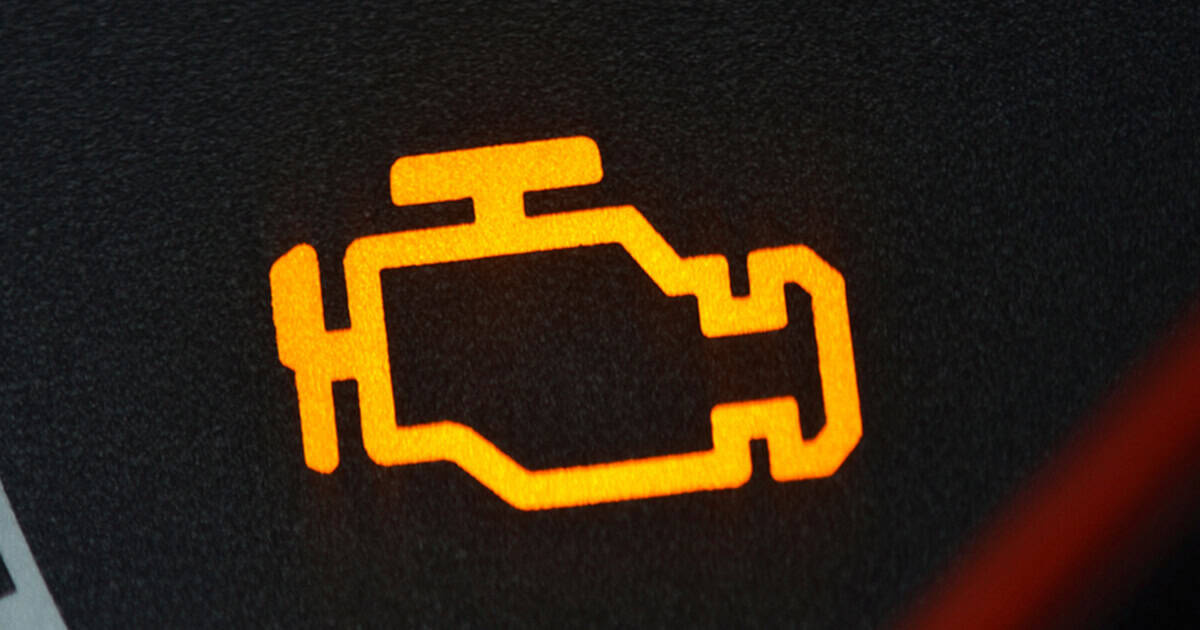
The dashboard warning light itself usually appears as a thermometer symbol, sometimes shown floating in what looks like liquid. Some cars pair it with a chime or a message on the instrument display rather than relying on the symbol alone. Either way, treat it the same as the needle moving into the red: it is not a light to note and carry on past, it is an instruction to find somewhere safe to stop as soon as the road allows.
When It Is Safe to Keep Driving a Short Distance
There is one exception worth knowing. If the temperature gauge rises only slightly and you are already pulling into a service station or a safe stopping point within a minute or two, finishing that short final stretch rarely causes damage on its own. The danger comes from sustained running at a properly high temperature, not from a brief, minor rise while you are already in the process of stopping. If you are unsure whether you are seconds from a safe stop or still several miles out, treat it as the latter and pull over at the next safe opportunity rather than gambling on reaching a specific exit.
Turning the car’s heater on full, even in warm weather, can also buy you a little time if you are caught between traffic and cannot stop immediately. The heater matrix acts as a small extra radiator, pulling heat away from the engine and into the cabin. It will not fix the underlying fault, but it can lower the temperature enough to reach a safe stopping point without pushing the engine further into the danger zone.
Sources:
- https://www.rac.co.uk/drive/advice/car-maintenance/head-gasket-repair-and-replacement-cost/
- https://www.rac.co.uk/drive/advice/car-maintenance/head-gasket-guide-why-does-it-fail-and-how-can-i-tell/
- https://www.car.co.uk/media/head-gasket-repair-and-replacement-cost

Leave a Comment
More in News

How to Remove Moisture From Inside Your Headlight Before It Costs You £500
What Red and Amber Warning Lights Actually Mean (and Which Fail an MOT)

How to De-Ice Your Windscreen Fast Without Cracking It (and Staying Legal)

New Cars Face Euro 7 Rules From 29 November With a £264 Price Rise
What the Traffic Penalty Tribunal’s 33 Percent Success Rate Means for Every Driver
Trending on Motoring Chronicle
How to Tell What Your Exhaust Smoke Colour Means (and When to Worry)
In a class of its own – here is the all-new, fully electric Volvo ES90 [Photo Gallery]

The OMODA 7 Plug In Hybrid Does 56 Miles On Electric, 700 Miles On A Full Tank And Costs £32,000

Why a $1.3 Million Car Theft Ring Used Fake Temporary Plates on Stolen Luxury Cars
