
How to Tell What Your Exhaust Smoke Colour Means (and When to Worry)

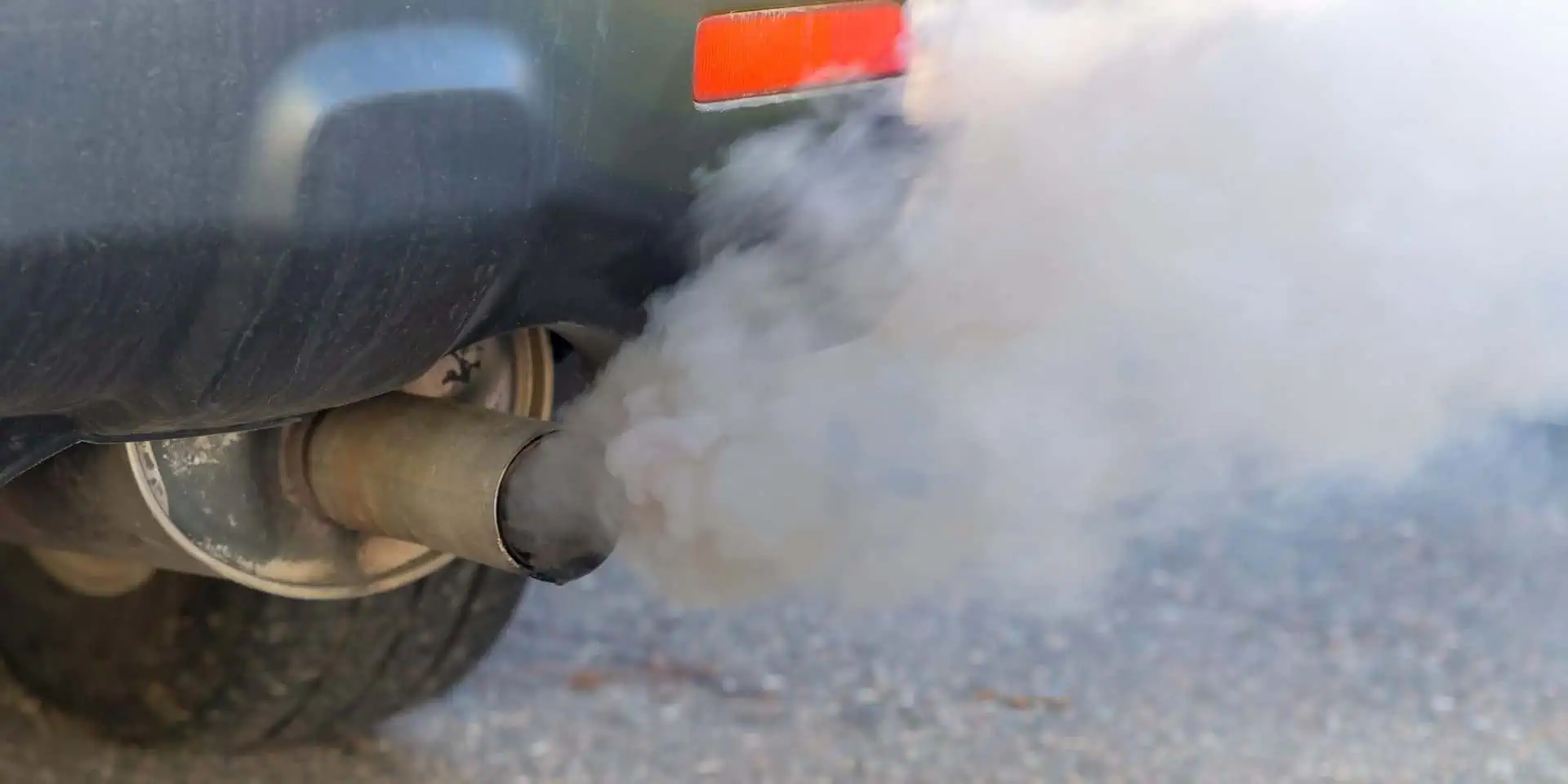
- Blue or grey smoke means the engine is burning oil, usually from worn piston rings, valve seals or a failing turbo seal, and repairs typically run £300 to £1,500 ($405 to $2,025).
- Thick white smoke that does not clear after start-up points to coolant entering the engine through a blown head gasket, and should be checked before you drive any further.
- Black smoke means the engine is burning too much fuel, often from a clogged air filter or a fault in the fuel injection system, and is frequently one of the cheaper fixes on this list.
How to Tell What Your Exhaust Smoke Colour Means (and When to Worry)
A puff of thin white vapour from a cold exhaust on a chilly morning is completely normal and clears within a minute or two as the exhaust warms up. Persistent smoke in any other colour is your car telling you something specific is going wrong, and the colour narrows down the cause before a mechanic even opens the bonnet. Blue smoke means burning oil, thick white smoke that does not go away means coolant is getting into the engine, and black smoke means the fuel mixture is running too rich. Each has a different urgency and a different repair bill attached.
Blue or Grey Smoke: Your Engine Is Burning Oil
Blue or grey smoke appears when engine oil finds its way into the combustion chamber and burns along with the fuel. In a car with a turbocharger, a worn turbo seal is a common cause, letting oil leak past the seal and into the intake. Turbo seals cannot be replaced on their own, as they are precision-fitted metal split-rings inside the assembly, so a worn seal usually means the whole turbocharger needs attention. A full turbo replacement in the UK typically costs £800 to £1,500 ($1,080 to $2,025), with the average repair booked through UK garage marketplaces coming in around £798 ($1,077).
If blue smoke appears mainly under acceleration, worn piston rings letting oil past into the cylinders are a likely cause. If it shows up more when you lift off the accelerator or coast downhill, worn valve seals are the more common culprit, allowing oil to seep down the valve stems in periods of high vacuum in the engine. Both are more involved repairs than a turbo seal and can range from a few hundred pounds for a simple valve seal job to £2,000 ($2,700) or more where the cylinder head needs to come off.
Thick White Smoke: Check for a Coolant Leak
A light haze of white vapour from a cold engine on start-up is condensation and nothing to worry about. Thick white smoke that keeps coming once the engine is warm is a different problem. It usually means coolant has found its way into a combustion chamber, most often through a blown head gasket, a cracked cylinder head, or in rarer cases a cracked engine block. You might also notice a sweet smell from the exhaust, the engine running hotter than usual, or the coolant level dropping faster than it should between top-ups.
This is one of the few exhaust smoke problems where driving on can turn a repairable fault into a written-off engine. Coolant loss without a visible leak underneath the car, combined with white smoke, is a strong sign the coolant is going somewhere it should not, and continuing to drive risks the engine overheating and warping the cylinder head further. If you see this combination, it is worth getting the car checked before your next journey rather than waiting to see if it gets worse.
Black Smoke: The Fuel Mixture Is Too Rich
Black smoke means the engine is burning more fuel than it can properly combust, sending partially burnt fuel out through the exhaust as soot. On older or high-mileage cars, a clogged air filter is one of the simplest and cheapest causes, starving the engine of the air it needs to balance the fuel going in. Swapping an air filter is typically a job costing well under £50 ($68) in parts.
If a new air filter does not solve it, the fault usually sits with the fuel injection system, a faulty mass airflow sensor, or a failing oxygen sensor that is feeding the engine the wrong information about how much fuel it needs. These are more involved diagnostic jobs, and costs vary widely depending on which sensor or injector is at fault, so it is worth asking for a diagnostic check before agreeing to any parts being replaced on guesswork.
It is worth ruling out simple causes before assuming the worst. A dirty air filter, ageing glow plugs on a diesel, or fuel contaminated with water can all cause a puff of black or white smoke that clears up once addressed, so checking your service history and recent fuel fills is a sensible first step before you book a garage in for a full diagnostic session.
When It Is Safe to Keep Driving, and When It Is Not
Blue smoke from worn rings or seals is rarely a reason to stop driving immediately, though it will keep getting worse and using more oil until it is fixed, so check your oil level more often than usual in the meantime. Black smoke on its own is also generally safe to drive with in the short term while you arrange a diagnostic check, though it wastes fuel and will fail an MOT emissions test. Thick white smoke from a suspected head gasket or coolant leak is the one to treat with caution, as driving on a car that is losing coolant into the engine risks turning a repair into a replacement.
Any visible smoke of any colour will also fail a diesel car’s MOT emissions test outright, regardless of the cause, so a smoking exhaust is worth sorting before your test date rather than after a failure notice arrives. If your car has a diesel particulate filter, DVSA testers will also check for signs it has been removed or tampered with, which is treated as an automatic fail separate from the smoke test itself.
Keeping Smoke From Coming Back
Most exhaust smoke problems build up slowly rather than appearing overnight, which means regular maintenance is the cheapest way to avoid them. Sticking to manufacturer oil change intervals reduces the wear on piston rings and valve seals that eventually leads to blue smoke, as fresh, correctly graded oil lubricates these parts properly and does not thin out as much under heat. Replacing air filters on schedule keeps the air to fuel ratio in check and lowers the odds of black smoke, and having cooling system hoses and the radiator cap checked at each service catches a slow coolant leak long before it becomes a head gasket problem. None of this is expensive compared with the repairs it prevents, and a five minute look under the bonnet before a long journey costs nothing at all.
Sources
- Auto Express, Car exhaust smoke: what do the different kinds and colours of smoke mean?
- WhoCanFixMyCar, Blue Smoke from Exhaust: Causes, Is It Safe and Cost to Fix
- Carowl, Turbo Failure: Signs, Causes, and Costs in the UK
- Blackcircles, MOT Emissions Test Failure: Reasons, Repairs and Retest Tips
- NAPA Know How, Exhaust Smoke Color Diagnosis: Blue, Black, or White?

Leave a Comment
More in News

McMurtry Spéirling PURE Hits Production with 1,000bhp and 1.55-Second 0-60mph

How Long Does Car Maintenance Take?

2027 Honda Passport TrailSport Gains Nearly 1.4 Inches of Ground Clearance

What Your DPF Warning Light Actually Means (and How to Clear It Yourself)

KGM Musso EV Becomes UK’s Cheapest Electric Pick-Up at £39,995
Trending on Motoring Chronicle

First look at the future: 2027 Volkswagen Atlas conquers Québec’s winter terrain

Jeep Recalls 1.08 Million Wranglers and Gladiators Over a Parked Car Fire Risk

BMW iX3 review: Long range family-sized EV is classy game-changer
1974 – 2024: 50 years since production of the first Lamborghini Countach [Photo Gallery]