Worthing Parking Charges Rise 3.5 Percent at These Car Parks from August
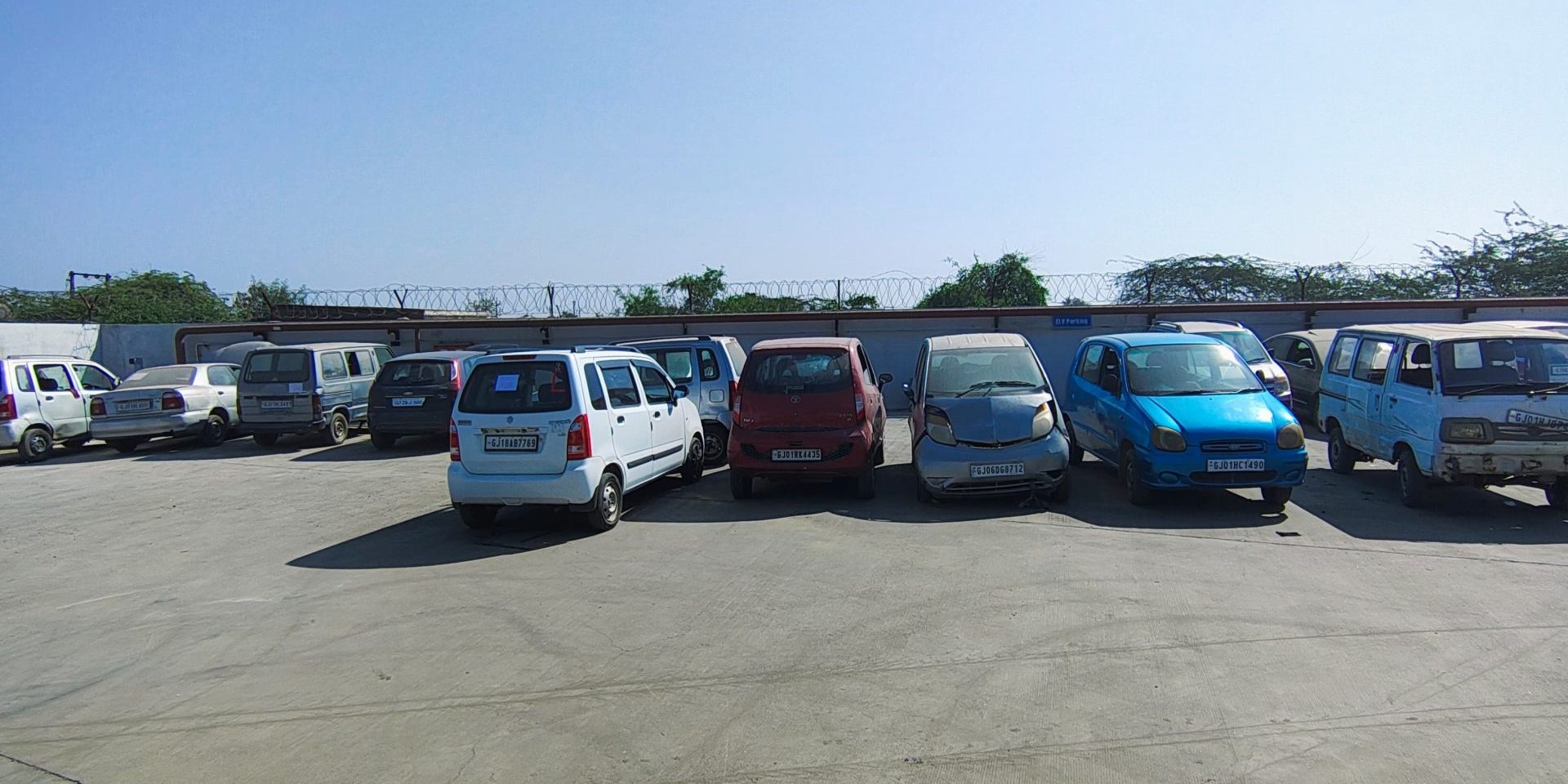
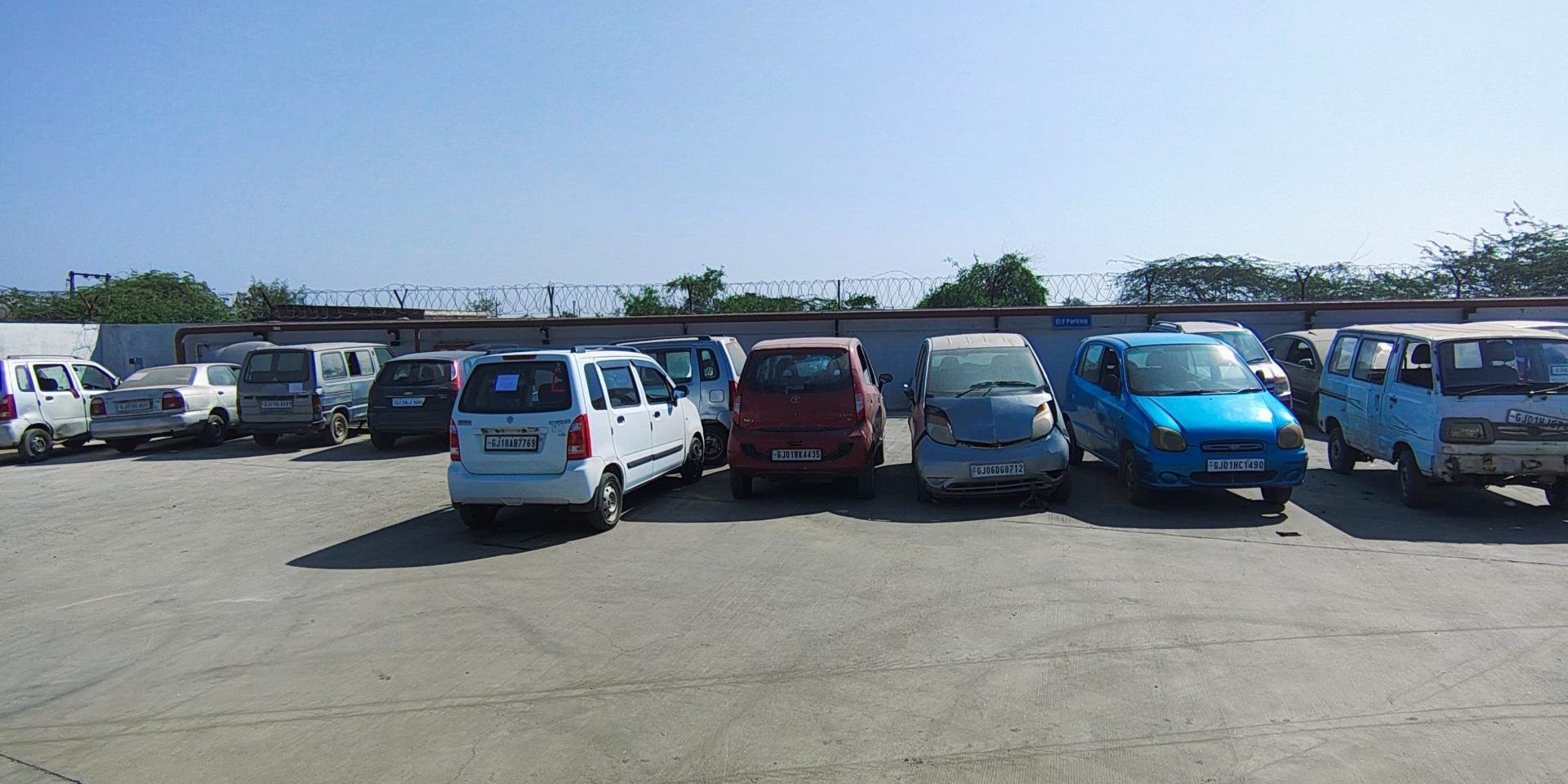
Drivers using Worthing’s busiest car parks face a parking bill increase from next month, after Worthing Borough Council put forward plans for an average 3.5 percent rise at its multi-storey and several surface car parks. The change works out at around 5p an hour, and if the proposals are approved by the responsible cabinet member, the new charges will apply from August.
How Much More Drivers Will Pay
The council has used the High Street multi-storey car park to illustrate the change: the minimum one hour charge rises from £1.50 to £1.55, while the maximum 12 hour tariff climbs from £13 to £13.40. Similar increases apply across the other affected sites. The proposals cover the High Street, Buckingham Road and Civic Quarter multi-storey car parks, along with the Beach House East and West, Brooklands Brighton Road, Western Road, Lyndhurst Road, Montague Centre and Teville Gate surface car parks. Season ticket holders face the same 3.5 percent average increase as occasional users, so regular commuters and daily shoppers are affected equally rather than one group being shielded.
In a statement, the council described the increase as part of its annual review, saying it was proposing a small rise in parking charges at its multi-storey car parks and some surface car parks across the town, and that the additional income would help fund continued investment in council services. The proposals still need to clear a final decision stage before the cabinet member responsible for parking, meaning the tariffs are not yet locked in, though councils rarely reverse this type of annual review increase once it has reached the formal decision stage.
Part of a Wider Parking Strategy Review
Worthing Borough Council has also confirmed it plans to carry out a broader review of its parking strategy in 2026/27, covering simplifying tariffs, improving the parking app experience, and supporting local businesses. That review is separate from the tariff increase and has not yet produced firm proposals, but it signals that this month’s rise is unlikely to be the last change drivers see at Worthing’s car parks this year. Councils across the country have increasingly bundled tariff simplification with app based payment systems, partly to cut the administrative cost of running multiple pricing structures across dozens of sites, and partly in response to complaints about confusing or inconsistent charges between similar car parks.
Worthing’s approach mirrors a pattern playing out across the south coast. Neighbouring authorities in West Sussex have carried out similar annual tariff reviews over the past two years, and seafront towns in particular have faced pressure to keep car park income rising in line with maintenance costs for sites that see heavy seasonal footfall in summer months and much lighter use in winter. A car park operating at close to capacity on a July weekend can sit half empty on a wet Tuesday in February, and councils use the annual tariff review process to try to smooth out that gap in income across the year rather than adjusting prices site by site as demand shifts.
Why Councils Keep Raising Parking Charges
Worthing is not an outlier nationally either. Local authorities across England have been raising off street parking charges at a similar pace over the past two years, citing rising costs for maintaining car parks, enforcement staff, machine upkeep and, in many cases, wider budget pressure on council finances generally. Off street parking income is one of the few revenue streams a council can adjust without needing central government approval, unlike council tax, which is capped, so it has become a common lever when budgets are tight. Under the Traffic Management Act 2004 and related regulations, councils are required to spend a surplus from on street parking on transport related purposes, but off street car park income, the type affected here, carries fewer restrictions on how it can be used, giving councils more flexibility over where the extra money ends up.
For context, a driver parking for a full working day, roughly nine hours, in the High Street multi-storey would currently pay somewhere close to the maximum 12 hour tariff band. Under the new rates, the annual cost for someone who parks there five days a week for work would rise by tens of pounds a year, a modest individual increase that still adds up across tens of thousands of car park users and represents a meaningful revenue gain for the council. Retail and hospitality groups in seafront towns have previously argued that repeated small increases can discourage day trippers who have a choice of nearby towns to visit instead, a concern Worthing’s council will need to weigh against the case for the income given the parking strategy review already under way.
What Drivers Should Do Before August
Anyone who holds a season ticket at one of the affected Worthing car parks should check when their current ticket expires and whether renewal falls before or after the new charges take effect. Renewing early, where the council’s terms allow it, could lock in the current rate for a further period. Regular users who pay per visit should budget for the 5p an hour increase becoming the norm across most of the town’s multi-storey and larger surface car parks rather than assuming it applies only to the High Street site used in the council’s example.
Drivers should also watch for confirmation of the final tariffs once the cabinet decision is made: the figures published so far are proposals rather than confirmed rates, and the exact charge at each of the nine affected sites could differ slightly from the High Street example. Worthing residents and visitors can check the council’s parking pages directly for the finalised schedule closer to the 1 August implementation date, and for details of the parking strategy review due later in 2026/27, which could bring further changes to how charges are structured across the town.
Anyone who wants to comment before the charges are finalised should look for the formal decision notice on the council’s website, which typically sets out a short window for objections before the cabinet member responsible for parking signs the increase off. Missing that window means the only remaining route to challenge the charges once they are live is through the council’s general feedback channels, rather than the formal consultation process that applies while a decision is still pending.
How Worthing Compares With Other Seaside Towns
Placed alongside other south coast destinations, Worthing’s proposed rates remain in the middle of the pack rather than at the top. Brighton and Hove’s central multi-storey car parks already charge well above £13 for a full day, while smaller Sussex towns such as Bognor Regis and Littlehampton have historically kept charges lower to encourage day trippers who might otherwise choose a free retail park instead. Worthing’s tariff review sits between those two positions, raising prices modestly while stopping short of matching its larger neighbour, a balance the council appears keen to strike given its stated aim of supporting local businesses through the wider parking strategy review due later in 2026/27.
National data from the RAC and the AA has tracked a similar direction of travel over the past two years, with average off street parking charges in English seaside towns rising faster than inflation as councils rebuild reserves depleted in the pandemic years and cope with higher costs for maintaining ageing multi-storey structures. Worthing’s own car parks include several built decades ago, and structural upkeep, lift maintenance and fire safety compliance on multi-storey sites of that age represent a recurring cost that a 3.5 percent tariff rise only partially offsets. Councils elsewhere on the south coast have used broadly the same justification when raising their own charges, presenting the increases as necessary maintenance funding rather than a plain revenue grab, even as local business groups continue to push back on the cumulative effect of repeated annual rises.
Sources:

Leave a Comment
More in News

Every Driver Would Get 10 Minutes of Grace Under the Government Parking Code
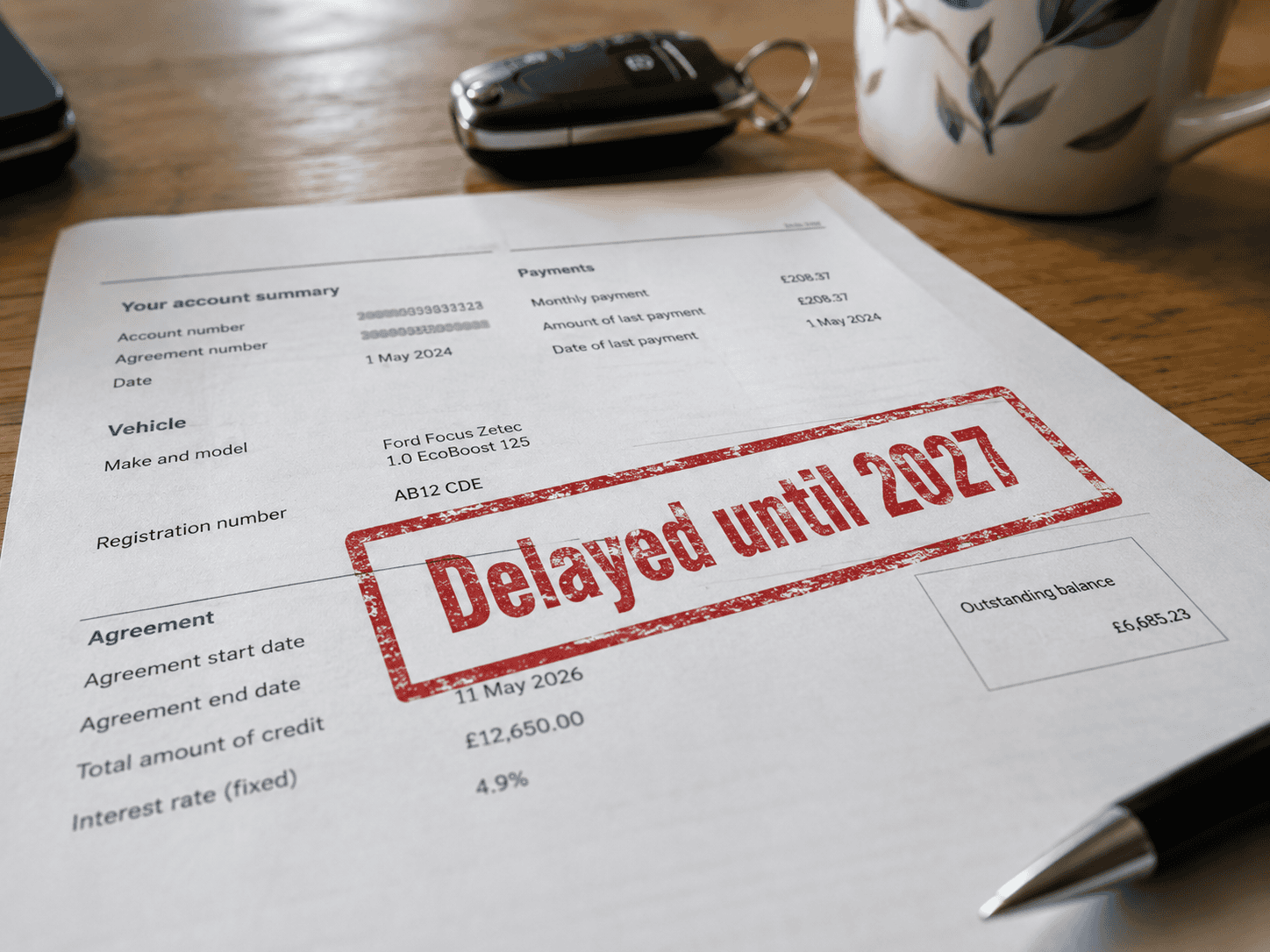
What the FCA Court Delay Means for Your Average £830 Car Finance Payout

What Counts as Fair Wear and Tear When You Hand Back a PCP Car

Every Car Since 2012 Can Fail Its MOT Over a £60 Warning Light

Start Rescue Warns Nine in Ten UK Drivers Blinded by Headlight Glare
Trending on Motoring Chronicle

Two in Five Drivers Now Switch Off Their Car’s Built-In Safety Systems

2027 Toyota bZ Woodland Arrives From $45,380 With Standard AWD

Kia Expands GT Range with EV3 GT, EV4 GT and EV5 GT
What a Red X Actually Means on the Motorway (and What to Do)