How to Find Out If Your Insurer Still Owes You Compensation
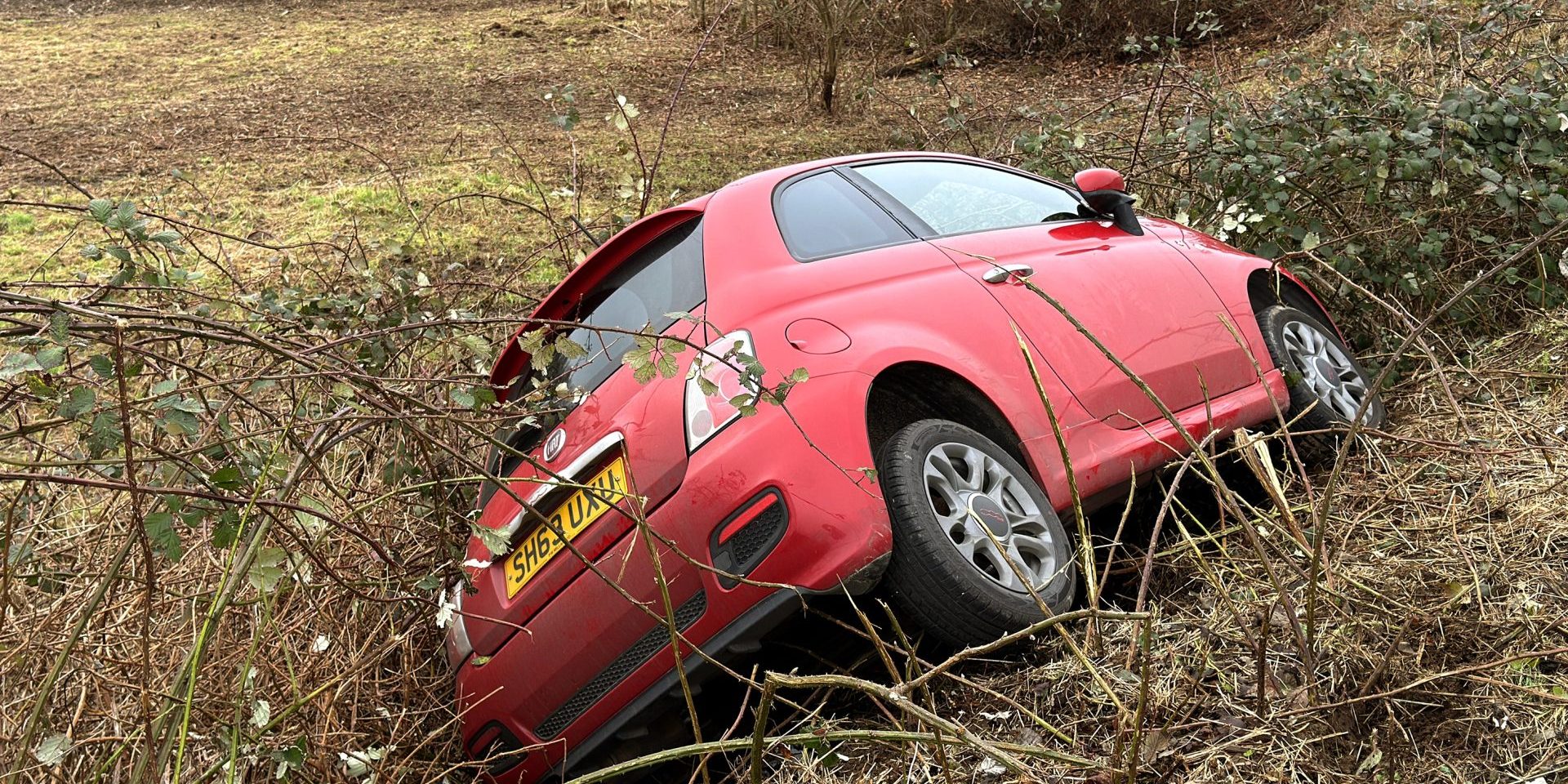
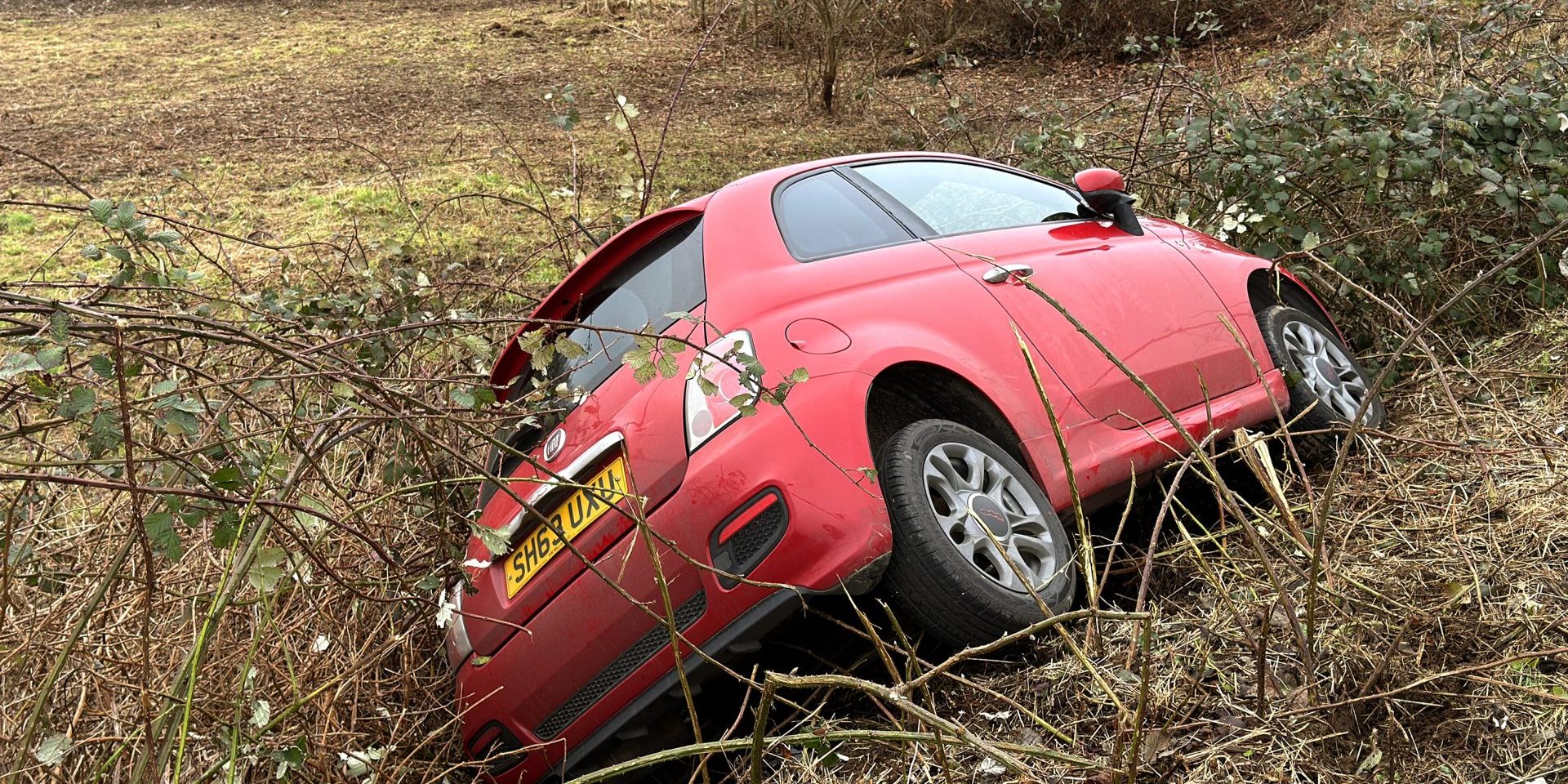
More than 270,000 drivers whose cars were written off or stolen are owed a share of £200 million in compensation after the Financial Conduct Authority found insurers had been undervaluing vehicles for years, and only around £129 million of that has actually reached customers so far.
The shortfall traces back to how insurers calculate a payout when a car is declared a total loss. Instead of offering the genuine market value of a like-for-like replacement, the FCA found that some insurers applied automatic deductions for assumed pre-existing damage, valuations that were not properly checked against real market prices, and settlement offers that left drivers unable to afford a comparable replacement car. Careful owners who had kept their vehicles in excellent condition were often the ones hit hardest, as a generic deduction took no account of how well a specific car had actually been looked after.
A Problem the Regulator Has Chased for Four Years
The FCA first warned insurers in December 2022 not to undervalue vehicles and other insured items when settling claims. A multi-firm review published in March 2024 covered 12 insurers directly, with a further 6 engaged separately, together representing around 90% of the UK motor insurance market. That review confirmed the scale of the problem: most firms could not even produce basic data on how many total loss settlements had needed to be increased after a customer complained, which pointed to systemic weaknesses in how valuations were being checked in the first place.
Compensation began flowing only once the regulator forced insurers to review historic claims and identify customers who had been short-changed. If an insurer owes a driver money, the insurer is required to make contact directly, and there is no application process for the driver to complete. That system depends entirely on insurers accurately tracking down customers who might have moved house, changed their name or simply forgotten about a claim from years earlier.
Complaints Are Still Rising
New data from Insurance DataLab’s analysis of Financial Ombudsman Service figures shows the problem has not gone away. Car and motorcycle insurance generated 3,519 new complaints to the Ombudsman between January and March 2026, up almost 12% on the 3,145 complaints in the same quarter of 2025. Motor insurance remains the single most complained-about insurance product, generating more than twice the volume of the next largest category, buildings insurance.
Of the motor complaints resolved in the first quarter of 2026, 34% were upheld in the consumer’s favour. That means roughly one in three drivers who took a complaint to the Ombudsman were right to do so, and their insurer had treated them unfairly under the rules the FCA has spent years trying to enforce.
Most complaints to the Ombudsman about motor insurance centre on exactly the issue the FCA’s review identified: disagreements over the market value assigned to a written-off or stolen car. The Ombudsman’s own guidance says it will treat a deduction for pre-existing damage as fair only if that damage would actually have affected the vehicle’s market value, and will typically only accept a deduction for a lapsed MOT if the car would truly have failed a test. Insurers applying blanket deductions without checking either point remain a common source of complaint.
Why the Backlog Persists
Two years on from the FCA’s initial review, only around two-thirds of the promised £200 million has reached the roughly 270,000 customers identified as owed money. That gap between the total identified and the total paid suggests either that some insurers are moving slowly to trace and contact former customers, or that some drivers have simply not been found. A claim that was settled years ago, on a car the owner no longer thinks about, is easy to forget, and insurers have limited incentive to move quickly once a compensation programme becomes a quiet, unglamorous administrative task rather than a live regulatory deadline.
What “Undervaluing” Actually Looked Like
The FCA’s findings were not about a handful of contested cases. The regulator found that most of the 18 firms it examined did not properly record why a settlement offer had been increased after a customer pushed back, which made it impossible for either the firm or the regulator to see how often initial offers were too low in the first place. Where firms did track this data, the pattern was clear: initial offers were frequently raised once a customer supplied their own evidence of the car’s value, evidence the insurer should have gathered itself before making an offer.
In practice, that meant two drivers with an identical written-off car could receive very different payouts. One who accepted the first offer, often simply not knowing they could challenge it, would settle for less than the car was worth. One who complained, provided their own valuation evidence and pushed the insurer for a review would often receive more money for the same car. The FCA’s compensation programme is designed to correct for the first group, the customers who never realised there was anything to dispute, by forcing insurers to go back through historic files rather than waiting for a complaint that never came.
How to Fight Back
Check whether a past claim might be affected. Anyone who had a car declared a total loss or stolen in recent years, and who felt the payout fell short of what the car was truly worth at the time, should contact their insurer directly and ask whether they have been reviewed under the FCA’s total loss valuation programme.
Do not wait for a letter that might never arrive. Insurers are supposed to make contact if they identify a customer is owed money, but out-of-date contact details or administrative delays mean some affected drivers will never receive that letter unprompted. A direct enquiry, quoting the claim reference and the date the vehicle was written off, is the fastest way to get a definitive answer.
Gather independent evidence of the car’s value at the time. Saved adverts for similar vehicles, a dealer valuation, or records of any recent maintenance and modifications all help demonstrate that a settlement was too low, especially if an insurer applied a deduction that assumed damage or condition issues that did not exist.
Escalate to the Financial Ombudsman Service if an insurer refuses to reconsider. The Ombudsman is free to use and resolves disputes independently of the insurer. With a third of motor complaints currently upheld, drivers with a genuine grievance have a real chance of a better outcome by escalating rather than accepting a first refusal.
Act within the time limits. Complaints to the Ombudsman generally need to be made within six years of the event complained about, or within three years of when the driver first became aware there was a reason to complain, so a claim from several years ago could still be eligible.
Keep records of every call and letter. If a complaint does need to go to the Ombudsman, a clear paper trail of when contact was made, what was said, and what evidence was provided makes the case far easier to assess quickly.
The FCA’s compensation programme was meant to close out a problem identified more than three years ago. With complaint volumes still climbing and a third of the outstanding £200 million yet to be paid, the responsibility for making sure the money reaches the right driver increasingly falls on the driver rather than the industry that owes it.
Sources:
- FCA: Over 270,000 motorists to receive £200m in motor insurance compensation
- FCA: Findings of multi-firm review into insurers’ valuation of vehicles
- Insurance DataLab: Latest ombudsman data suggests promising signs despite increase in motor insurance complaints
- Financial Ombudsman Service: Motor valuations and write-offs

Leave a Comment
More in News

What to Do If Your Car Aquaplanes (and How Tyre Tread Affects Risk)

Motorpoint Finds Diesel Drivers Face £515 More a Year in Fuel, Doncaster Hit Hardest

Why Your Car’s Stop-Start System Stops Working (and What a New Battery Costs)
What a Red X Actually Means on the Motorway (and What to Do)

RAC Finds Car Repair Bills Near £700 as 25% of Young Drivers Delay Fixes
Trending on Motoring Chronicle

TfL Rolls Out Speed Cameras in Nine London Boroughs That Detector Apps Cannot Find
Why a Cracked Windscreen Now Costs Drivers Up to £800 to Fix
Hot Hatch Goes Watt Hatch: VW Reveals 226PS Electric ID. Polo GTI From €39,000

Why 10,500 Volvo EX30 Owners Are Being Told Not to Charge Above 70 Per Cent