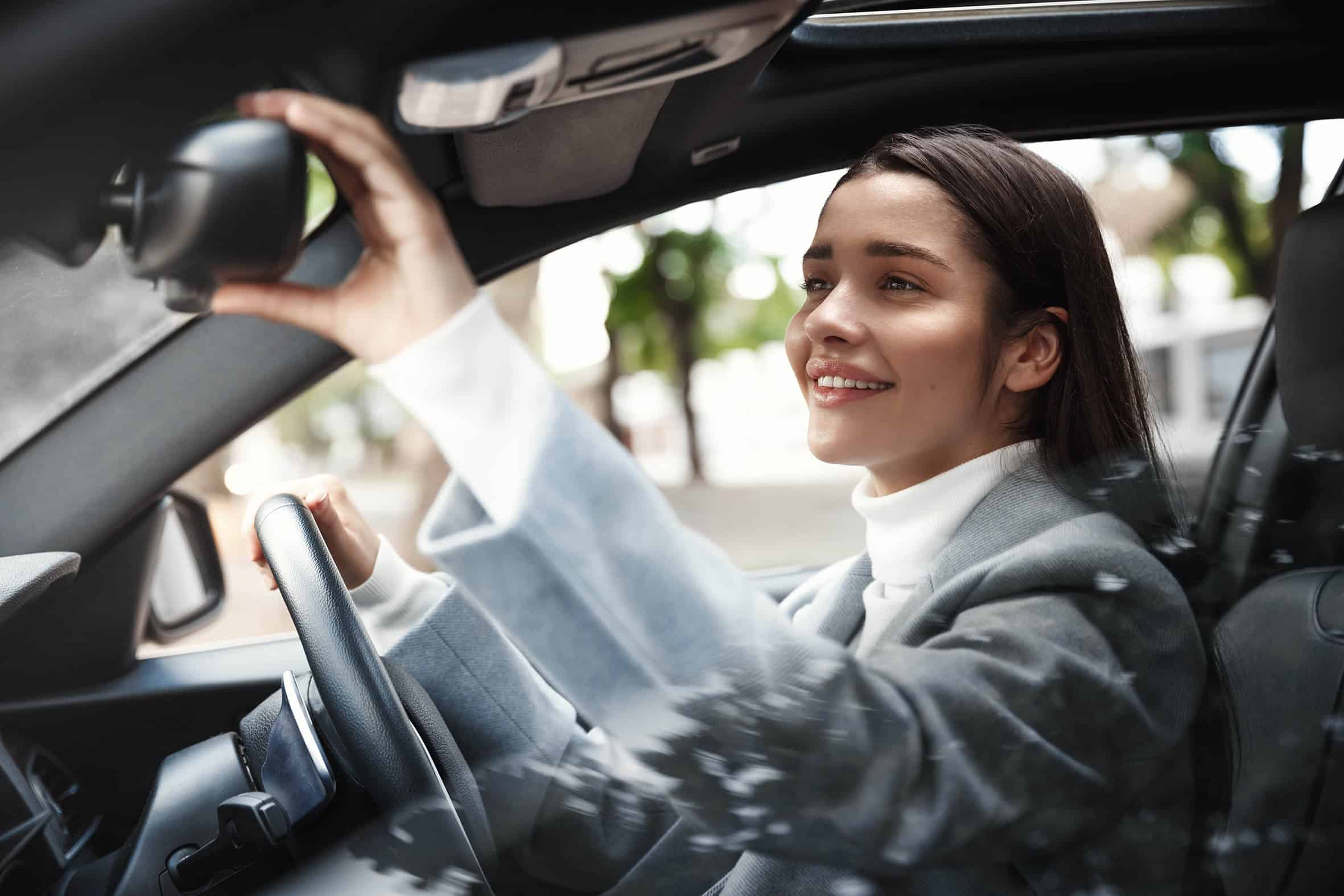
Why a Cracked Windscreen Now Costs Drivers Up to £800 to Fix


A cracked windscreen used to be a £250 repair job and an afternoon’s inconvenience. On a car built after around 2018, it is now a job that can run past £800, and the reason has nothing to do with the price of glass.
New figures from the Association of British Insurers show the average windscreen repair cost rose 7 percent in a single quarter this year, to £283, part of a record £3.2 billion insurers paid out to motor customers in the second quarter of 2026, itself up 5 percent on the quarter before and 7 percent on the same period last year. The driver behind the jump is not the glass itself. It is the camera bolted to the back of it.
Why a windscreen now needs a computer, not just a fitter
Most cars built in the last several years carry a forward-facing camera mounted on the windscreen as part of an advanced driver assistance system, the same technology that runs automatic emergency braking, lane-keep assist, and adaptive cruise control. Replace the glass and that camera has to be taken off, refitted, and recalibrated so it is looking at the road in exactly the position the manufacturer intended. Get that calibration wrong, or skip it, and the safety systems relying on it can misjudge distances or fail to trigger at all.
A basic windscreen swap on an older car without this technology still costs somewhere around £250 to £345. Add a camera that needs static calibration, carried out in a workshop using a target board set at a precise distance, and the bill climbs by £150 to £400. Some vehicles need a second, road-based calibration as well, which means driving the car on a set route at a set speed so the system relearns the road in real conditions, and a small number need both types done together. Put it all together and a windscreen replacement on a modern, camera-equipped car can reach £400 to £800 once calibration is added.
Where the £3.2 billion is really going
The ABI’s own figures put windscreen and glass claims in a broader pattern: total claims costs across motor insurance rose faster than premiums for the quarter, with insurers pointing to rising repair bills as the reason premiums have not fallen as fast as drivers might expect after two years of price rises. Modern safety technology is a large part of that story. A bumper that once cost a few hundred pounds to replace can now carry parking sensors, cameras, and radar units built into it, and a windscreen with a forward-facing camera is one of the most common and most expensive examples on the road today.
None of this is about insurers padding their margins on a single repair. The ABI’s data shows the average motor premium actually sits £14 lower in real terms than it did in the same quarter of 2025, once inflation is accounted for. What it does show is that the cost of fixing a modern car has moved a long way from the cost of fixing an older one, and that gap gets passed to drivers one way or another, whether through the excess on a specific claim or through the price everyone pays at renewal.
The gap in your cover you might not know about
Here is the part that catches drivers out. Most fully-featured car insurance policies include glass cover, and many do not charge an excess for a windscreen repair specifically to encourage drivers to fix small chips before they spread. What is far less consistent is whether that cover explicitly includes the recalibration cost on top of the glass itself.
Some insurers bundle recalibration into standard glass cover without a separate charge. Others treat it as a distinct item, potentially subject to your main policy excess rather than the lower or waived glass excess, which can turn what a driver expected to be a free or near-free repair into a bill running into hundreds of pounds. A windscreen claim does not usually affect your no-claims bonus, but insurers have confirmed that a windscreen claim can still feed into a higher renewal price the following year, regardless of whose fault the original chip or crack was.
Where corners get cut
Calibration equipment and trained technicians cost a repair network real money, and not every windscreen fitter has invested in either. A cheaper, faster fitter working on a car park or driveway can replace the glass itself perfectly well while lacking the equipment to recalibrate the camera behind it, and a driver focused on getting a crack fixed quickly might never think to ask whether that step happened at all.
A car with a replaced windscreen and an uncalibrated camera looks and drives normally in everyday conditions. The failure only shows up in exactly the moment the safety system was there to help: a sudden stop, a lane drift, a vehicle appearing at a junction the emergency braking system should have caught. There is no dashboard light that reliably tells a driver the camera behind their new windscreen was never recalibrated after a repair.
How to fight back
Before you agree to a windscreen repair, ask your insurer or repairer directly whether your car needs ADAS recalibration and whether that cost is included in your glass cover. Get the answer in writing, either by email or through the insurer’s app, so there is a record if a separate bill turns up later.
Ask the repairer for a calibration certificate once the work is done. A reputable repair network will provide one as a matter of course, confirming the camera was recalibrated and the systems it powers are working within the manufacturer’s tolerances. If a repairer cannot produce one, or seems unfamiliar with the request, treat that as a reason to ask more questions before the car goes back on the road.
Check your policy documents, not just the summary leaflet, for the exact wording around glass cover and recalibration. Insurers are required to set this out, but the detail is often buried several pages into the full policy wording rather than the headline summary sent at renewal.
If you notice a driver assistance feature behaving oddly after a windscreen replacement, such as automatic emergency braking triggering unexpectedly or lane-keep assist pulling in the wrong direction, go back to the repairer immediately and ask for the calibration to be checked. Do not assume a system that used to work fine will keep working the same way once the glass in front of its camera has been changed.
If you are about to change car, ask the dealer or seller whether the windscreen has ever been replaced, and if so, request the calibration paperwork alongside the service history. A used car with a recent, uncertified windscreen replacement is worth a garage check before you buy, in the same way a buyer might already check tyres, brakes, and service stamps. The camera behind the glass is now just as much a safety part as the brakes it works alongside, but it rarely gets the same attention at the point of sale.
Drivers who lease or finance their car should also check what the finance agreement says about glass damage at handback, as chipped or cracked windscreens are a common source of end-of-contract charges, and a repair carried out without proper calibration paperwork could leave a driver facing a dispute over whether the work was done to the standard required.
For more on what is pushing up the cost of cover, read our earlier coverage: Some Insurers Have Raised Car Insurance Prices By Nearly 12 Percent This Year and Relay Attacks Now Cause 70 Percent of Car Thefts and Push Up Everyone’s Premiums.
Sources:
- https://www.abi.org.uk/news/news-articles/2026/7/record3.2-billion-paid-out-to-support-motor-insurance-customers-in-q2-2026/
- https://www.sandicliffe.co.uk/blog/windscreen-replacement-cost-in-the-uk-prices-insurance-and-adas-calibration

Leave a Comment
More in News

What to Do If Your Car Aquaplanes (and How Tyre Tread Affects Risk)

Motorpoint Finds Diesel Drivers Face £515 More a Year in Fuel, Doncaster Hit Hardest

Why Your Car’s Stop-Start System Stops Working (and What a New Battery Costs)
What a Red X Actually Means on the Motorway (and What to Do)

RAC Finds Car Repair Bills Near £700 as 25% of Young Drivers Delay Fixes
Trending on Motoring Chronicle
Why Drivers With a Pre-1997 Licence May Have Lost the Right to Drive Their Motorhome
What the New AI Cameras Can See Inside Your Car and What the Fine Is If They Catch You

What the BPA’s New £100 Parking Fine Cap Means for Every UK Driver

Form, Function, and the Future: Shaping the Bugatti Tourbillon