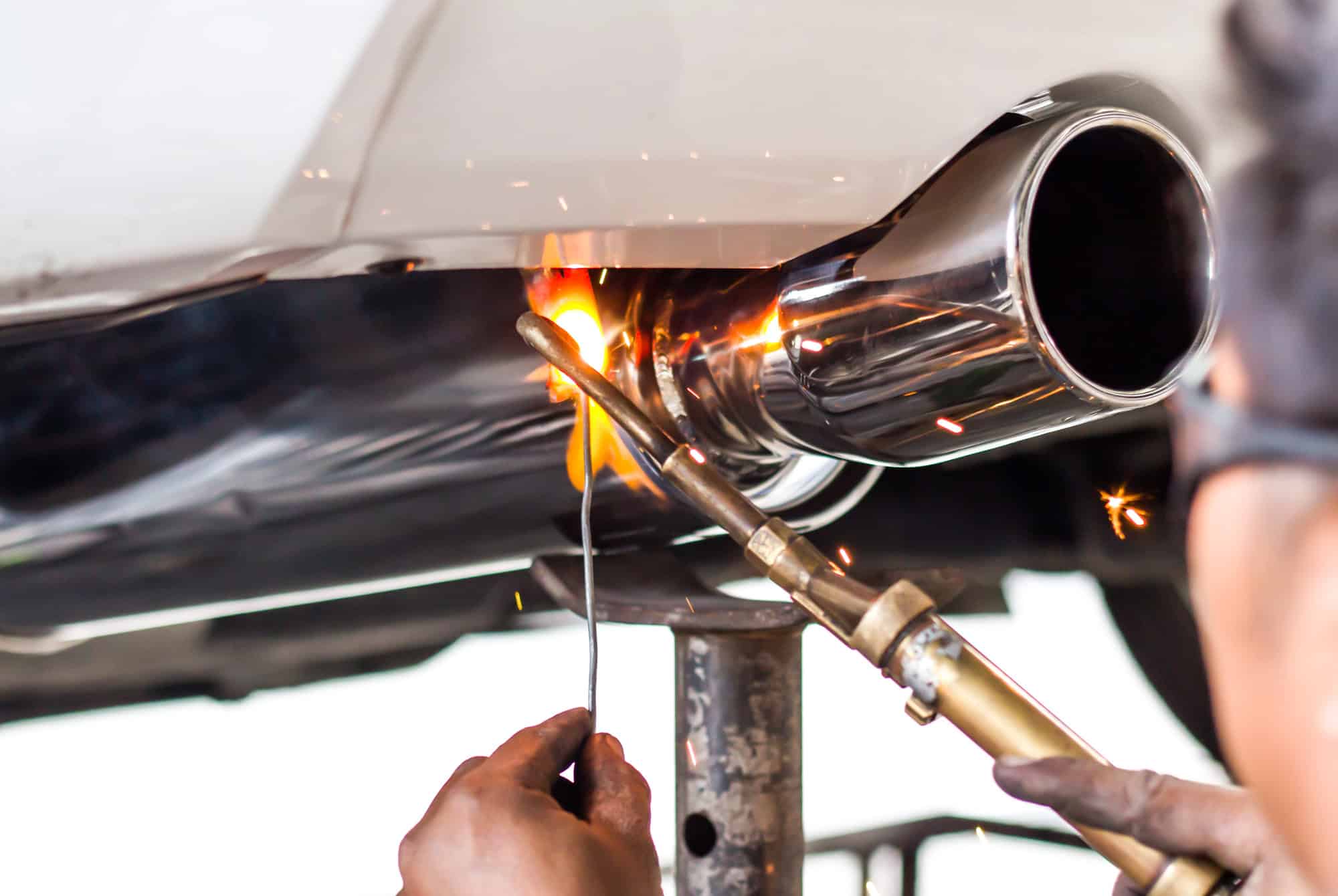


- AA polling of 12,433 members found 63% of those aged 18 to 24 and 52% of those aged 25 to 34 would choose servicing at home over a traditional garage.
- Separate AA research from September found 32% of drivers nationally had delayed or ignored a needed repair that did not look urgent when it was reported.
- The Highway Code sets weekly tyre pressure and fluid checks, a tread minimum of 1.6 mm and a battery and anti-freeze check before winter.
Why the Youngest Drivers Are the Keenest on Servicing at Home
Many younger drivers would rather have the car serviced at home. In AA polling of 12,433 members, 63% of those aged 18 to 24 and 52% of those aged 25 to 34 said that, offered a traditional garage or servicing at their own address, they would choose their own address.
Yonder, a member of the British Polling Council, ran the survey online between 14 and 22 July 2026. The respondents are AA members, so the figures describe that group and not every driver in the country. The AA links the interest to more people working in a hybrid pattern and wanting convenient ways to get everyday jobs sorted. The AA also sells servicing at home, so the poll comes from a body with a commercial interest in the answer.
Matt Bedford, the Managing Director of AA Car Care, gave the AA’s reading of the result:
“We’ve become used to everyday services coming to us. We can have our weekly shop delivered to the doorstep, order dinner from our phone and have countless other products arrive the next day, so there’s no reason why servicing your car should always mean taking time out of your day to visit a garage.”
“For busy drivers, at-home servicing offers a practical and convenient alternative. Instead of travelling to and from a garage or waiting for work to be completed, drivers can get on with their normal routine while an experienced mechanic services their car on the driveway or at their workplace.”
What the 2025 Poll Said About Garages
The same two organisations polled AA members on garages a year earlier. A June 2025 AA and Yonder poll of 12,784 AA members found 61% preferred garage servicing over servicing at home. On convenience, 47% rated garages the easier option and 29% the harder one.
The poll also tested trust on price. Just over half of members, 53%, rated garages as straight with them about costs, and 25% disagreed. On the repair side, 30% said they felt pressured into repairs they did not fully understand, while 47% said they had never felt that.
These are different polls in different years, so the two sets of numbers do not form a trend. Read side by side, they show a majority of AA members preferring a garage in 2025, while the 2026 release reports only the two younger age bands. The 2026 release gives no all age figure to set against the 61%, and no garage or home visit is shown to do better work than the other.
What Counts as a Repair That Can Wait
The September AA research found that 32%, almost a third, of drivers nationally had put off or ignored a repair that was needed but did not look urgent when it was reported. The AA names the reasons: being unable to do without the car, finding the time to arrange the work and other everyday pressures. The cost side of the same habit is in our report on young drivers who delay fixes.
The Highway Code leaves less room for delay than a label of low urgency suggests. Annex 6 tells drivers to learn what every warning display on the instrument panel means, and says a warning sign can point to a dangerous fault in the making. The lights come on at ignition and go out once the engine runs, with the handbrake light the exception. A light that stays on, or appears mid drive, means stopping to find the cause, as the fault could be serious. The charge light can mean the battery has stopped charging, and the Code wants an early check to protect power to the lights and other electrical systems.
The wording for faults in the chassis is just as direct. A car that pulls to one side when braking most likely has a brake fault or incorrectly inflated tyres, and the Code says to consult a garage or mechanic immediately. Excessive or uneven tyre wear can trace back to the brakes, the suspension or misaligned wheels, and the Code wants the fault fixed as soon as possible. A car that keeps bouncing after a push down on the front or rear has worn shock absorbers, a defect the Code says calls for replacement.
Putting off a fault like these is the habit the 32% describe, and the consequences of skipping a car service follow the same logic. Bedford made the AA’s case for acting early:
“Regular servicing is one of the best ways to help reduce the risk of an unexpected breakdown. Identifying worn components or potential problems early can improve reliability and help drivers avoid more expensive repairs later on.”
What the Highway Code Asks Every Driver to Check
Some checks belong to the driver whichever way the car is serviced. Annex 6 sets out three, two of them weekly.
Tyre pressures come first. The Code says to check them weekly, before driving, when the tyres are cold, as warm or hot tyres can give a misleading reading. The target figure comes from the car maker and changes with the load on board, so the handbook or vehicle data is the reference. Tyres with too little or too much air hurt braking and steering.
Tread is the second. For a car, the legal minimum is 1.6 mm of tread across the central three quarters of the tyre and all the way round. The Code adds that penalty points can follow certain vehicle defects.
Fluid levels are the third, at least weekly. The Code warns that low brake fluid can lead to brake failure and a crash, and tells drivers to know the low fluid warning lights if the car has them.
With the colder months arriving, the Code adds one line headed Before winter: keep the battery well maintained and use appropriate anti-freeze agents in the radiator and the windscreen bottle. Bedford ended his statement on the same note:
“As winter approaches and temperatures begin to fall, now is a sensible time to make sure your vehicle is ready for colder weather and the tougher driving conditions ahead.”
How to Choose Between a Garage and Your Driveway
An MOT is a test, not a service. GOV.UK describes the MOT as a test that checks a vehicle meets road safety and environmental standards. A car needs its first MOT by the third anniversary of its registration and one every year after that. Driving without a valid MOT can bring a fine of up to £1,000. A test taken up to a month, minus a day, before the expiry date keeps the same renewal date.
Three steps follow from the evidence, whichever route a driver prefers.
First, do the Annex 6 checks yourself: tyre pressures cold and fluid levels every week, and tread depth against the 1.6 mm minimum. Add the battery and anti-freeze check before the cold sets in.
Second, act on any warning light or a pull when braking as soon as it appears. The Code says to stop and investigate a light that stays on or comes on while driving, and to consult a garage or mechanic immediately for a pull to one side. A booking at a garage or at home can follow.
Third, pick the route on convenience and on what you are told. The 2025 poll split 53% to 25% on whether garages are straight about costs, and 30% of members reported feeling pressured into repairs they did not fully understand. Ask any provider, at a garage or at your address, to explain each item and to confirm the price before work starts. Our guide to servicing at an independent garage covers the garage route, and the MOT date is the other fixed deadline to book around.
The age split in the AA poll records where drivers want the work done. The weekly checks stay with the person who holds the keys.
Want more car content? Add us as a preferred source on Google to your favourites list for the best automotive news and analysis on the internet.
If you enjoyed this article, be sure to follow us on Microsoft Start.
Sources
- The AA: Younger drivers rethink traditional car servicing as demand for at-home convenience grows
- The AA: AA and Yonder Driver Poll Summaries 2025
- GOV.UK: The Highway Code, Annex 6 Vehicle maintenance, safety and security
- GOV.UK: Getting an MOT, When to get an MOT
Reviewed by Preetam Gadekar

Leave a Comment
More in News

Volkswagen T-Roc R Debuts With 333PS, Standard All-Wheel Drive and a Nürburgring Mode

DVLA Callers Waited 21 Minutes on Average in 2025-26, Over Double the 2022-23 Wait

What DfT’s Earliest September 2027 Headlamp Levelling Date Means for Every Dazzled Driver

Every Driver Ignoring £100 Parking Charges Risks Court as MoJ Claims Under £500 Jump 21%
What Reporting a No-Fault Bump Did to One Driver’s AA Quote: £364 Became £796.86
Trending on Motoring Chronicle

NHTSA Questions Whether Waymo’s School Bus Fix Worked for 2,895 Robotaxis

What Is a Crossover SUV?

Every Driver in Heels or Boots Risks Up to 9 Points and Unlimited Fines

Why Britain’s Biggest Parking Operator Has Just Shut 29 City Centre Car Parks