TfL Rolls Out Speed Cameras in Nine London Boroughs That Detector Apps Cannot Find
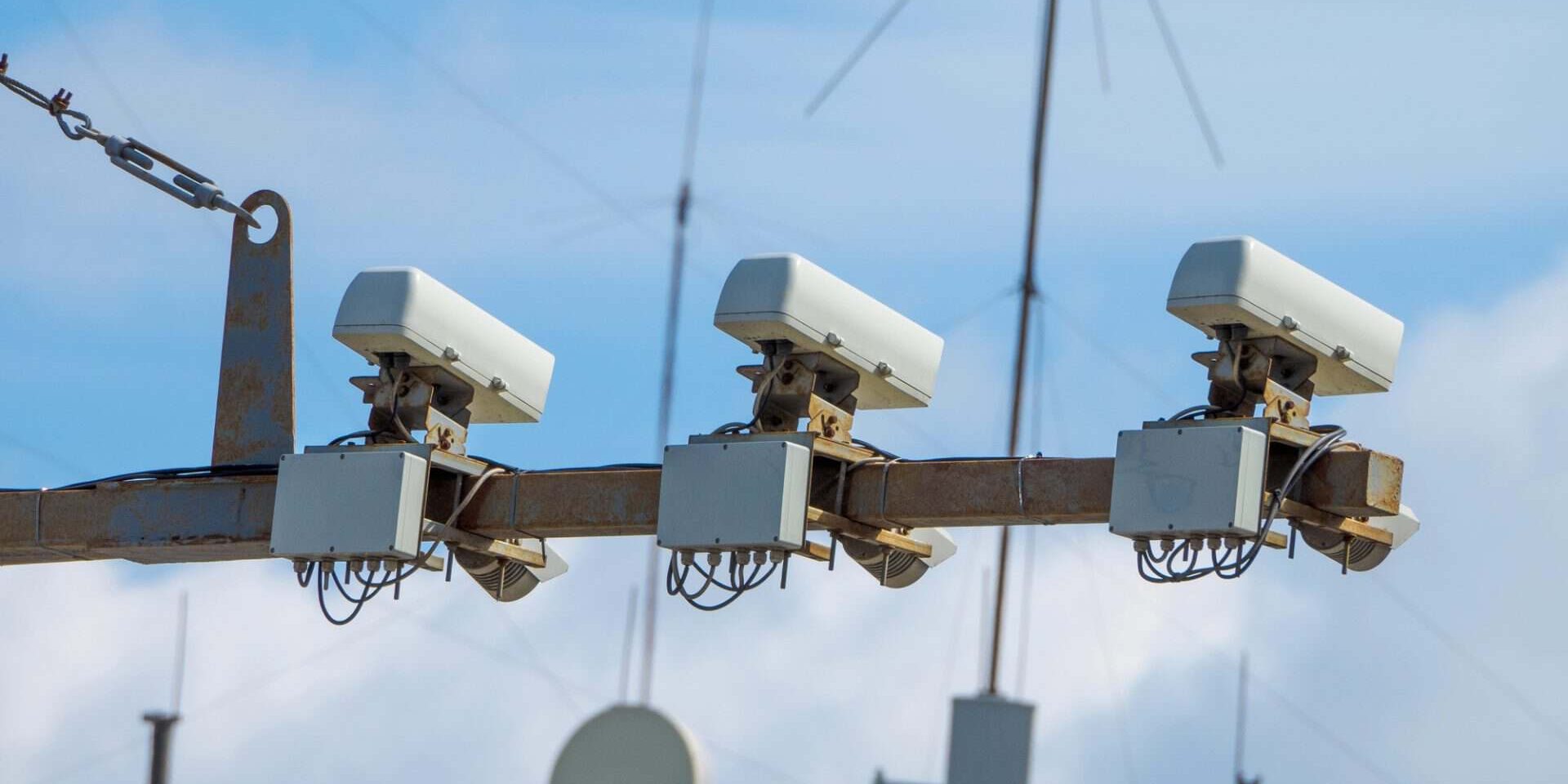
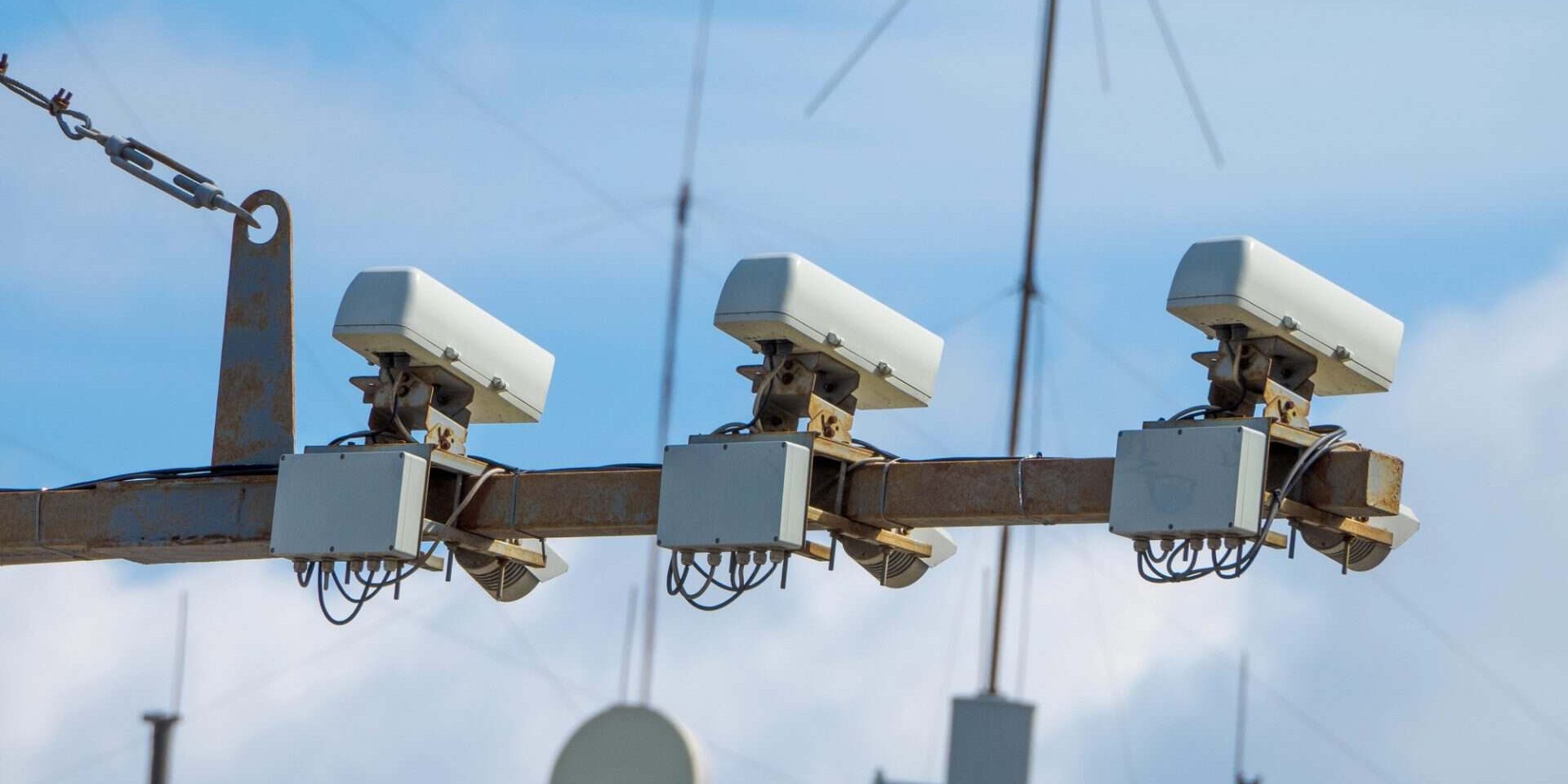
- TfL is trialling a new generation of radar based speed cameras at up to ten sites across nine London boroughs, using 4D radar and a 4K colour camera instead of a flash, road markings or buried sensors.
- The cameras have no visible flash and need no painted road markings, so existing speed camera detector apps and sat nav warning systems cannot flag them to drivers in advance.
- A single camera can monitor up to five lanes of traffic in both directions at once, and every trial site sits on a road with a 20mph or 30mph limit.
Cameras Built to Be Invisible
Transport for London has begun trialling radar based speed cameras that work nothing like the yellow Gatso boxes drivers have learned to spot for decades. The new units, supplied under the RedSpeed Sentio system, use 4D radar paired with a 4K colour camera to clock vehicle speeds across up to five lanes from a single mounting point, covering traffic moving in both directions at the same time. There is no white flash when a car is caught speeding, no painted road markings to give the location away, and no sensors buried in the tarmac that a driver might notice or that a workman might damage while resurfacing the road.
The trial covers sites in Haringey, Tower Hamlets, Havering, Croydon, Hammersmith and Fulham, Brent, Hackney, Ealing and Sutton, with locations chosen on the basis of collision risk rather than simple traffic volume. Every site sits on a 20mph or 30mph road, the limits that cover the vast majority of London’s residential and high street driving.
Why Detector Apps and Sat Navs Cannot Warn You
Most speed camera warning apps and built in sat nav alerts work from crowdsourced or officially published location databases tied to a fixed, known camera site, often a yellow box with a visible flash unit that other drivers have already logged. A camera with no flash, no distinctive housing and no road markings gives app users nothing to log in the first place. Even where TfL later confirms a location publicly, the radar unit itself gives no visual or electronic signal a standard detector can pick up as a car passes, unlike some older radar guns that could be flagged by a laser or radar detector reacting to the beam.
That leaves speedometer discipline as the only real defence. A driver doing 34mph in a 30mph zone past one of these sites has no advance warning system left to rely on, only their own awareness of the limit and the road.
What Getting Caught Actually Costs
The penalty framework stays the same, regardless of how the camera looks. A standard speeding offence in Great Britain still carries a fixed penalty notice of £100 and three penalty points, or the option of a speed awareness course for many first time offences within the relevant threshold above the limit. Higher speeds, or a case that goes to court rather than a fixed penalty, can bring a fine of up to £2,500 on a motorway and disqualification for the most serious readings. TfL has not published a fixed timeline for switching sites from trial to full enforcement, but London’s existing safety camera network already issues several hundred thousand penalty notices a year, and a camera network immune to detector apps is likely to add meaningfully to that total once live.
How This Differs From an Ordinary Gatso
A traditional fixed speed camera measures a vehicle’s speed at one precise point, using either a radar beam or a pair of road markings a set distance apart that a wet film or digital sensor times a car crossing. Average speed cameras, now common on motorway roadworks and some A roads, calculate speed between two or more fixed points along a stretch of road rather than at a single spot. The new radar units go further than either. A single camera reads speed continuously across five lanes in both directions using radar returns rather than a beam crossing a fixed line, and pairs that reading with a 4K image good enough to identify a number plate without needing the bright flash older cameras relied on to expose a clear photo at night.
That combination is also why councils have been drawn to the technology beyond London. Removing the need for a physical flash unit, cabling to buried road sensors, or repainted road markings cuts both the installation cost and the ongoing maintenance bill compared with a conventional fixed camera, which is one reason several other UK cities are understood to be watching London’s trial closely before committing to their own radar based rollout.
How This Fits London’s Wider Camera Rollout
The radar trial sits alongside a separate expansion of TfL’s camera estate, with at least 20 new safety camera locations identified across the city through a mix of speeding risk data and local resident reports. Boroughs have also been switching on more automatic number plate recognition cameras for moving traffic offences such as banned turns and yellow box junctions over the past year, meaning drivers in the trial boroughs now face two distinct camera systems that were far less common only two or three years ago.
Are Speed Camera Detector Apps Even Legal?
Using a speed camera detector app or a sat nav with camera alerts switched on is legal in the UK, and always has been, provided the device only warns a driver about fixed or known camera locations rather than actively jamming or interfering with a camera’s own signal. Devices that actively jam or block a camera’s radar or laser signal are illegal and carry separate penalties entirely. That legal distinction is exactly why the new radar cameras cause a problem for drivers who have relied on warning apps for years: there is nothing unlawful about the app. It simply has no location to warn about: the camera it would need to flag gives off no signal and sits in no database yet.
Drivers who have grown used to a phone beeping a few hundred metres before a known fixed camera should not assume the same warning will come on a 20mph residential road in one of the nine trial boroughs. Until TfL publishes exact locations and app providers add them to their databases, the only reliable indicator is the speed limit sign itself. Drivers who want a head start can check TfL’s own published trial announcements for the nine named boroughs directly, rather than relying on third party apps that have not yet caught up with the new technology. Local news coverage in each affected borough has also tended to name the exact road or junction once a camera goes live, which is often the fastest way to find out before an app database updates.
City Hall’s stated aim is to bring serious and fatal collisions on London’s roads down through Vision Zero, the policy that has driven most of the capital’s camera and low speed limit expansion from 2018 onward. Whether radar cameras without a flash change driver behaviour as effectively as a visible one remains to be tested at scale. Early results from similar no-flash trials elsewhere in Europe have shown mixed outcomes: some cities report a genuine drop in average speeds once drivers stop treating a camera as a one-off flash to dodge, while others found compliance fell back once the novelty of the new enforcement wore off and drivers realised how few penalty notices were actually being issued over the trial phase. TfL’s own trial is expected to run for several months before any decision is taken on a wider borough by borough rollout, giving both drivers and the transport authority time to see which pattern London follows.
For now, the honest answer for anyone driving through Haringey, Croydon, Ealing or the other trial boroughs is that no app will tell you where to slow down. The limit sign already has.
Sources:

Leave a Comment
More in News

What to Do If Your Car Aquaplanes (and How Tyre Tread Affects Risk)

Motorpoint Finds Diesel Drivers Face £515 More a Year in Fuel, Doncaster Hit Hardest

Why Your Car’s Stop-Start System Stops Working (and What a New Battery Costs)
What a Red X Actually Means on the Motorway (and What to Do)

RAC Finds Car Repair Bills Near £700 as 25% of Young Drivers Delay Fixes
Trending on Motoring Chronicle

What the UK’s First Graduated Driving Licence Means for Every Learner Driver From October

What Saltburn’s New Motorhome Parking Ban Means for Campervan Owners This Summer

BMW Recalls 27,720 Cars Over a Driveshaft Flaw That Can Cause Rollaway

Rolls-Royce in Saint-Tropez: a summer at the Riviera’s most distinguished addresses [Photo Gallery]