Record November Gas Price of $4.10 Leaves California Paying $5.83 a Gallon
- Regular gas averaged $4.10 a gallon nationwide on Nov. 5, 12 cents under the previous week and $1.02 over the $3.08 of a year ago.
- No November before 2026 ever saw the national average climb above $4 a gallon, so pump prices are the highest AAA has recorded for this time of year.
- California drivers pay $5.83 and North Carolina drivers $3.34, a $2.49 gap that adds up to $1,494 a year over 600 gallons.
A 12 Cent Drop Still Leaves Gas $1.02 Above Last November
Regular gasoline slid to a $4.10 national average on Nov. 5, AAA found, against $4.2258 a week earlier and $4.3653 a month earlier. A year ago the same gallon cost $3.0790. The difference is $1.02, and it lands in a month that had never before seen a national average above $4.
The slide continues after an October record high for gas. AAA’s daily table put the national average at $4.0688 on Nov. 6, about 3 cents under the Nov. 5 figure. A cheaper gallon than last week helps the budget, yet the level stays above $4, and the November record stands.
Where the car is registered decides how much of that record lands in the wallet. California averaged $5.83 on Nov. 5 and North Carolina $3.34. A driver who covers 15,000 miles a year in a car that returns 25 miles per gallon burns 600 gallons, and the $2.49 spread between those two states is worth $1,494 a year on that mileage.
The November Record in Numbers
AAA’s weekly release says pump prices have never been higher for this time of year, and no national average before 2026 topped $4 in any November. The Nov. 5 figure of $4.1003 beats that bar by a dime.
The Energy Information Administration (EIA) publishes its own weekly series. Its Nov. 2 weekly reading for regular was $4.153 a gallon, down from $4.269 on Oct. 26 and $4.284 on Oct. 19, a fall of 13.1 cents in two weeks. The EIA also puts the price $1.134 above a year earlier and $1.084 above two years earlier. The two readings carry different dates, Nov. 5 for AAA and Nov. 2 for the EIA, and sit a few cents apart. Both show a price that is falling and still more than a dollar above last year.
Seasonal records have piled up this autumn. The national average set a Labor Day record of $4.14 at the start of September and passed $4.36 in mid-October, an October record. November’s $4.10 is the highest for its month, not a high for the year.
Why the Pump Price Fell This Week and Why It Stays High
A cheaper barrel of crude drove the fall. AAA says the national price has dropped for nearly two weeks as crude settled back into a range of the high $80s to low $90s a barrel, the retreat that started after the October record, as covered in gas prices falling from October’s record. On Wednesday, Nov. 4, West Texas Intermediate (WTI) fell $7.97 to settle at $88.12, which puts the Tuesday settle at $96.09.
Crude is the largest single piece of a gallon, and still only one piece. The EIA lists four parts in the retail price: the cost of crude, taxes, refining costs and profits, and distribution and marketing. Federal tax is 18.40 cents a gallon. State taxes and fees averaged 33.55 cents a gallon as of January 2026, which makes 51.95 cents of fixed tax on an average gallon before any sales or local levy. The federal 18.40 cents is set per gallon and stays put when a barrel drops $8.
Refining and delivery add their own layers. The EIA notes that refining costs and profits vary by season and by region, partly from the different gasoline blends that regions need to cut air pollution. Station costs vary too: wages, rent and the number of competitors nearby all push a price up or down, and the EIA observes that even stations close to each other can post different prices.
The supply data in the AAA release adds the other side of the market. Gasoline demand rose last week from 8.35 million to 8.80 million barrels a day, an increase of 450,000 barrels or about 5.4 percent. Production rose from 9.24 million to 9.70 million barrels a day. Total domestic gasoline supply slipped from 209.2 million to 209 million barrels. Crude inventories fell 0.9 million barrels to 409.8 million, which is 4 percent below the five year average, the EIA figure AAA quotes.
The Map: West Coast Pays $1.66 More Than the Gulf Coast
AAA’s Nov. 5 ranking opens with California at $5.83. Hawaii costs $5.64 a gallon, Nevada $5.18 and Washington $5.12, while Oregon runs $4.73 and Alaska $4.71. Illinois follows at $4.60, Utah posts $4.49, Idaho $4.44 and Pennsylvania $4.40 closes the top ten. At the other end, North Carolina is cheapest at $3.34, with Georgia at $3.54, Texas at $3.58 and South Carolina at $3.60. Louisiana charges $3.66, Tennessee $3.68, Alabama $3.69, and both Arkansas and Indiana $3.71. Mississippi rounds out the ten at $3.73.
The EIA’s regional reading for Nov. 2 gives the same shape at a larger scale. The West Coast averaged $5.296 a gallon and the Gulf Coast $3.636, a gap of $1.660. The Rocky Mountain region stood at $4.213, the Midwest at $4.102 and the East Coast at $3.936. Take California out of the West Coast and the average drops to $4.771, so the state alone lifts its region by more than 52 cents. California itself averaged $5.748 in the EIA series, up $1.314 on a year ago.
No region escaped the year-on-year rise. The Lower Atlantic states had the smallest at 87.2 cents above last year, and the Rocky Mountain and Midwest regions the biggest at $1.275 and $1.274. All regions fell on the week, led by the Rocky Mountain region at 24.5 cents and the Midwest at 16.7 cents.
AAA’s daily table of Nov. 6 shows how fast the numbers move. California was at $5.8008, Hawaii at $5.6384, Washington at $5.0912, Illinois at $4.5618, Pennsylvania at $4.3858, Michigan at $4.2728, New York at $4.2918, Ohio at $3.9134 and Florida at $3.8351. At the cheap end, Texas stood at $3.5466, Georgia at $3.5168 and North Carolina at $3.3170. Against the rounded Nov. 5 figures, California had shed about 3 cents, North Carolina about 2 cents and Illinois about 4 cents in a day.
What the Gap Costs Over a Year
Price spreads look small at the pump and large on an annual statement. Take a driver who covers 15,000 miles a year at 25 miles per gallon. That is 600 gallons, an illustration for the arithmetic and not an average for any state.
At the national $4.10, 600 gallons cost $2,460. At the $3.08 of a year ago, the same 600 gallons cost $1,848. The difference is $612 a year, or about $51 a month.
State by state, the spread widens. On the Nov. 6 table, 600 gallons cost $3,480 in California and $1,990 in North Carolina, a difference of $1,490. A single 15 gallon fill-up comes to about $87 in California and about $50 in North Carolina, roughly $37 apart for the same car and the same tank.
Drivers in the cheaper states also bank a gain against the national price. On the Nov. 6 table, Georgia ($3.5168) and Texas ($3.5466) sit more than 50 cents under the $4.0688 national average, and Tennessee ($3.6544) sits more than 40 cents under it.
How to Pay Less and What Comes After Nov. 10
Start with the planner AAA names in its own release. The AAA TripTik Travel planner lists current gas and electric charging prices along a route, so a driver can pick the cheapest stop before leaving. The EIA’s finding that nearby stations can charge different prices makes that comparison worth two minutes.
Check the owner’s manual before paying for premium. AAA research finds that premium gives a car no added benefit when its maker neither recommends nor requires it. On the EIA’s 2025 national average, premium ran about 93 cents a gallon above regular and midgrade about 57 cents above. Over 600 gallons, 93 cents comes to $558. On the Nov. 6 table, premium runs $1.1869 above regular in Illinois ($5.7487 against $4.5618), $0.8927 in Texas ($4.4393 against $3.5466) and $0.4389 in California ($6.2397 against $5.8008). A 15 gallon Illinois fill-up of premium costs about $17.80 more than regular. If the manual recommends or requires premium, that finding does not apply; if it lists regular, the extra money buys nothing.
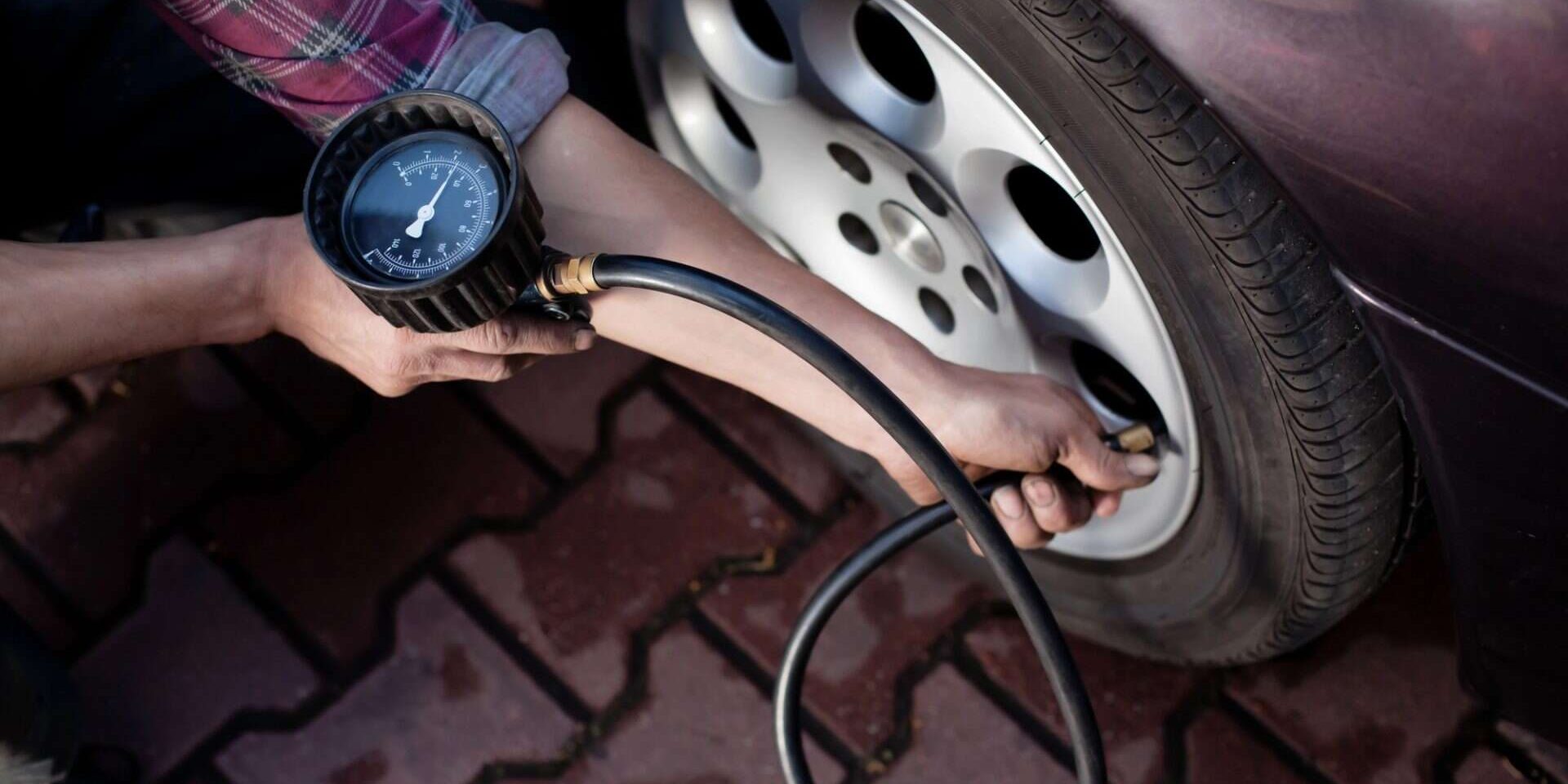
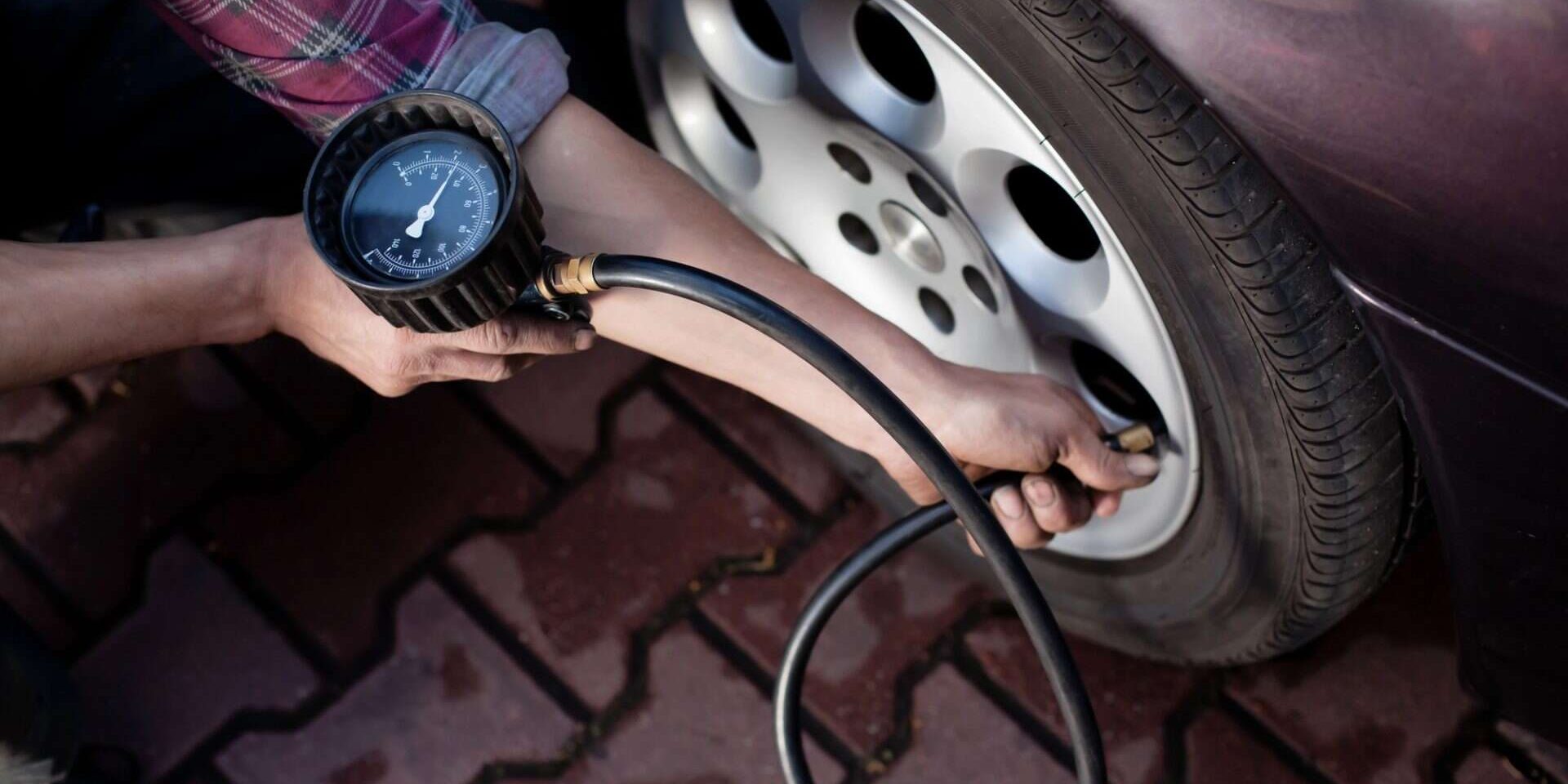
Driving habits move the total as well. AAA’s fuel saving guidance ranks the way a person drives first among the influences on a car’s fuel use. Its specific advice: aerodynamic drag drops fuel economy significantly as speeds rise above 50 mph; underinflated tires reduce fuel economy; shut the engine off if the car will stand for more than 60 seconds; skip the extended warm-up idle, even in winter; combine errands into one trip; and take off roof racks, as even a bare bike, canoe or ski carrier cuts highway mileage.
The next checkpoint is Nov. 10, when the EIA publishes its next weekly gasoline update. It will show whether the Nov. 2 decline of 11.6 cents carried into a third week and whether the West Coast gap is narrowing. Thanksgiving falls on Nov. 26, and AAA had not yet published a Thanksgiving forecast at the time of writing. The practical plan is to price the route in the TripTik planner, skip premium unless the manual asks for it, and trim the habits that burn extra gallons. At 600 gallons a year, every dime off the price is worth $60.
Want more car content? Add us as a preferred source on Google to your favourites list for the best automotive news and analysis on the internet.
If you enjoyed this article, be sure to follow us on Microsoft Start.
Sources
- AAA Fuel Prices: National Average Falls 12 Cents in One Week
- AAA Fuel Prices: State Gas Price Averages
- U.S. Energy Information Administration: Gasoline and Diesel Fuel Update
- U.S. Energy Information Administration: Factors affecting gasoline prices
Reviewed by Preetam Gadekar

Leave a Comment
More in News

First-Time Virginia Drivers 18 to 20 Need Driver’s Ed and a 90-Day Permit

Vincent Thomas Bridge Shuts for 16 Months, Rerouting 53,000 Daily Vehicles
How to Drive on Ice and Snow (Keep Up to Ten Times the Gap)
Congress Returns Nov. 9 With $10.8 Billion in Road Funds at Risk

Four States Have Paused Gas Taxes, With Breaks Ending Nov. 30 to Jan. 2
Trending on Motoring Chronicle
Learner Drivers Could Be Forced to Wait Six Months Before Taking Their Test Under a Major Government Proposal

MINI Countryman Untamed Edition Arrives With Off-Road Gear From $43,900

Wagons Roll: VW’s 2027 Lineup Brings a Camping ID. Buzz Tourer and All-New Atlas SUV
Drivers Claimed £10.2 Million for Pothole Damage but County Councils Paid 6%, Quotezone Shows