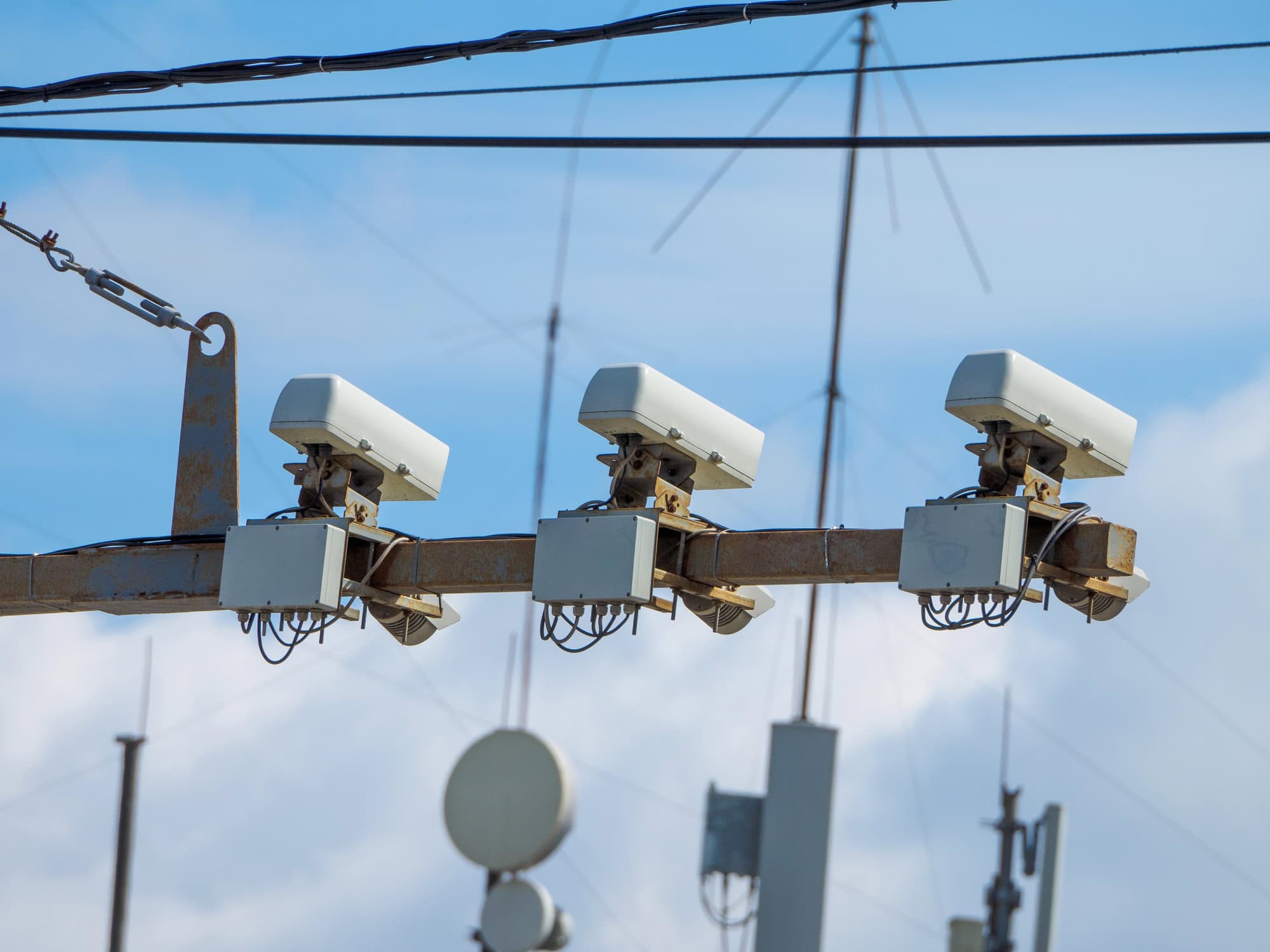
Why Vehicle Theft Jumped 21 Percent to Its Fastest Rise in a Decade


Vehicle theft in England and Wales jumped 21 per cent in the year to March 2025, its fastest annual rise in a decade, according to Office for National Statistics crime figures. Around 130,000 vehicles were reported stolen over the year, and only around 40 per cent of stolen vehicles are ever recovered by their owners, leaving a rising number of drivers facing a total loss, a fight with an insurer, and, in many cases, a higher premium at renewal regardless of fault.
The increase reverses several years of relatively stable vehicle crime figures, and it has arrived even as manufacturers keep adding increasingly sophisticated security systems to new cars. That contradiction, better security on paper alongside rising theft in practice, points to a shift in how vehicles are being stolen rather than a simple rise in opportunistic crime.
Where the figures come from and what they cover
The 21 per cent rise is drawn from Police Recorded Crime data published in the ONS Crime in England and Wales bulletin, which draws on records supplied by police forces rather than survey estimates. That distinction is important: Police Recorded Crime data reflects incidents that were formally logged, so the real total, including unreported thefts, could sit higher still. The ONS separately tracks vehicle-related theft through the Crime Survey for England and Wales, a household survey that measures both reported and unreported incidents, and that survey has recorded its own recent increases in vehicle interference and attempted theft alongside completed thefts.
Both data sets point the same direction. Whichever measure is used, vehicle theft has moved from a slow decline across most of the last decade to a sharp reversal in the most recent 12-month period on record.
Who ends up paying for the rise
A stolen car is rarely just a one-off loss for the owner involved. Insurers price motor policies against the claims experience of the whole market, so a sustained rise in theft claims across the industry pushes premiums upward for everyone who buys cover, whether or not their own vehicle has ever been targeted. Fully insured policyholders who never make a claim can still see their renewal quote rise, purely as a result of theft claims elsewhere in the market becoming more expensive to cover.
For an owner whose car is actually stolen and not recovered, the financial exposure goes beyond the vehicle’s market value. Outstanding finance agreements do not disappear when a financed car is stolen, and a payout from an insurer’s total loss settlement does not always cover the remaining balance on a PCP or hire purchase agreement, most of all on a newer vehicle that has depreciated faster than the finance has been paid down. Drivers who assume their fully insured policy will simply clear an outstanding car loan in full are sometimes left with a shortfall to cover out of pocket on a car they no longer have.
Why modern security has not stopped the rise
Newer vehicles rely heavily on electronic systems, keyless entry, remote unlocking and engine immobilisers controlled by onboard computers, replacing the purely mechanical locks and physical keys of older cars. That electronic architecture has closed off older theft methods such as hotwiring, but it has opened newer ones based on intercepting or cloning the wireless signal between a key fob and the car itself. A thief operating this kind of attack does not need to break a window, force a lock, or even come near the vehicle’s owner; they need only get close enough to the key fob, often while it sits on a table near a front door, to capture and relay its signal to the car parked outside.
Manufacturers have responded with countermeasures including motion-sensing key fobs that go to sleep when not moving, ultra-wideband systems that measure the precise distance between key and car rather than simple signal presence, and software updates that limit how long a key’s signal stays active. Older models already on the road, and even many current ones without the latest countermeasures fitted, remain more exposed, and the fleet of vehicles in typical daily use nationwide will take years to turn over to designs that have closed the gap.
The cars and areas most affected
Relay-style theft methods do not target every car equally. Keyless entry systems are far more common on newer vehicles across every price bracket, from mainstream family hatchbacks to premium models, which means the pool of vehicles exposed to this specific theft method has grown steadily as older, non-keyless cars are replaced. Certain popular models have appeared repeatedly in stolen vehicle recovery data over the past two years, in most cases where a specific keyless system has become well understood by organised theft groups who trade the equipment and technical knowledge needed to defeat it.
Urban areas with high densities of driveway and on-street parking, where a car sits within a short distance of a front door overnight, report a disproportionate share of relay thefts compared with rural areas where vehicles are more likely to be parked further from a house or behind a locked gate. That pattern gives owners a genuine, practical lever: simply changing where and how a car is parked overnight can meaningfully change its exposure to this specific method, even without buying any additional security equipment.
How to fight back
- Store your key fob away from external walls, front doors and windows, and look at a signal-blocking pouch designed to stop a fob’s wireless signal being captured or relayed while it is not in use.
- Ask your insurer whether fitting a Thatcham-approved tracking device reduces your premium; many insurers now offer a discount for verified tracker fitment, and some require one as a condition of cover on higher-value vehicles.
- Check whether your finance agreement includes Guaranteed Asset Protection cover, which pays the gap between an insurer’s total loss settlement and the amount still owed on car finance. If you do not have it and your car is on finance, ask your lender directly what would happen financially if the car were stolen and not recovered.
- Fit a visible mechanical deterrent, such as a steering wheel lock, alongside your car’s existing electronic security. A visible physical barrier remains one of the simplest ways to make a vehicle a less attractive target compared with an identical unprotected car parked nearby.
- Report a theft to police immediately and get a crime reference number without delay. Most insurers require this before processing a claim, and any delay in reporting can complicate both the claim and any chance of recovery.
Insurers themselves are adjusting underwriting practices in response to the rise, with some now asking direct questions at renewal about where a car is parked overnight and whether security devices are fitted, and offering meaningful discounts to drivers who can answer favourably. That shift means the steps drivers take to protect a car from relay theft increasingly double as a way to hold down the cost of cover, rather than being a purely defensive measure with no financial upside.
Until vehicle security actually closes the gap that relay-style attacks have opened, the rise in theft figures looks set to keep pushing up the cost of cover for drivers who have never been anywhere near a stolen car. The individual precautions above will not fix a national trend, but each one shifts the odds for a specific car parked outside a specific house, which is the only part of the equation a single driver actually controls.
Sources:

Leave a Comment
More in News

What a Coolant Warning Light Means Before It Costs You a £1,000 Repair
Progressive’s Profit Fell 3 Percent Even as It Added 1.4 Million Car Insurance Policies

NHTSA Picks 23 Vehicles for 2027 Crash Tests and Adds a New Pedestrian Safety Score

GAP Insurance Paid Back Just 6 Percent of What Drivers Paid, FCA Figures Show

A £4,300 Vauxhall Made Hagerty’s List of Classic Cars Worth Watching in 2026
Trending on Motoring Chronicle

How Often to Rotate Tyres and What Skipping It Adds to Your Replacement Bill
Councils That Miss This Month’s Pothole Deadline Risk Losing a Third of Their Funding
Porsche receives two 2026 MotorWeek Drivers’ Choice Awards

Used Electric Cars Reach Price Parity With Gas Models as Sales Climb 12 Percent