
Why Public EV Charging Now Costs Up to 79p per kWh as Prices Climb Again
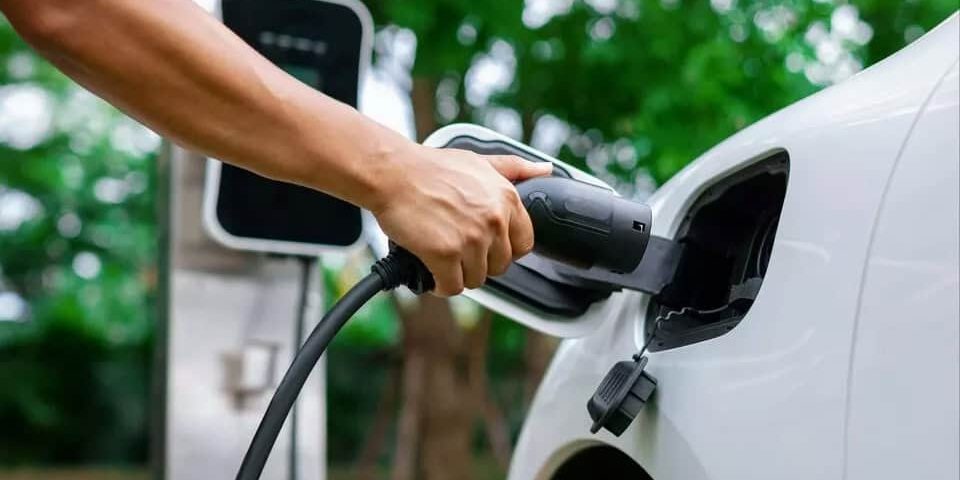
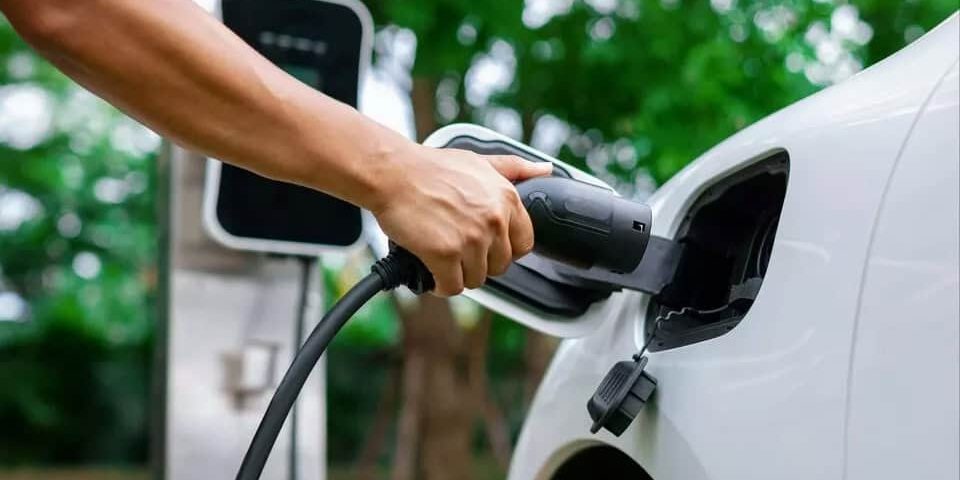
Charging an electric car away from home is getting more expensive again. The latest figures put the average pay-as-you-go price on the public network at 54p per kWh on standard chargers and 79p per kWh on rapid and ultra-rapid units, after two major networks pushed up their rates in April 2026. For the millions of EV drivers who rely on public charging because they have no driveway, that gap between cheap home charging and pricey public charging is the single biggest threat to the promise that going electric saves money. Here is what is driving the increase, what it does to your cost per mile, and how to keep the bills down.
What Public Charging Now Costs
The public network splits broadly into two tiers. Slower standard chargers, rated between 3kW and 49kW, averaged 54p per kWh in April. Rapid and ultra-rapid units, rated at 50kW and above, the ones you use on a longer trip when you need to add range in minutes rather than hours, averaged 79p per kWh. That rapid figure rose by around 3p per kWh in a single month after two of the larger operators increased their prices, and it is the headline number that hits drivers hardest on motorway and main-road journeys.
Put against home charging, the contrast is stark. A driver on a dedicated overnight EV tariff can pay somewhere around 7p to 9p per kWh, while a rapid charger at 79p is roughly ten times that. For someone who can plug in at home, an electric car remains far cheaper to fuel than petrol or diesel. For someone who cannot, and who depends on rapid chargers, the running-cost advantage can shrink to almost nothing.
Why Prices Keep Climbing
The biggest single factor is the cost of electricity itself. Energy accounts for around two-thirds of what it costs a charge-point operator to run a site. Wholesale electricity prices spiked by roughly 450% during the energy crisis between 2021 and 2023 and, even after easing, remain about 66% above where they sat before the crisis. Operators buy power at these elevated rates and pass much of the cost on at the plug.
On top of the raw energy price sit network and standing charges, the fixed fees an operator pays simply to keep a high-powered connection live. These have rocketed for rapid and ultra-rapid sites, with some standing charges up by as much as 462% since 2021. In the most extreme example flagged by the industry, the operator Osprey said the standing charge at one site in Wolverhampton leapt from £87 a year to £33,651 a year. Those fixed costs are spread across every kilowatt-hour sold, which is why a quiet site with few users can be the most expensive of all.
There is also a tax wedge that punishes drivers without a driveway. Electricity used at a public charge point is taxed at the standard 20% rate of VAT, while electricity used to charge at home is taxed at just 5%. That single difference adds an estimated 9.5p per kWh to the cost of rapid charging. A driver with a home charger benefits from the lower rate; a driver who can only charge in public pays the higher one, an outcome campaigners have long called unfair.
What It Means for Your Cost Per Mile
Cost per mile is where the numbers become real. A typical electric car travels somewhere between 3.5 and 4 miles on each kilowatt-hour. Charge at home at around 8p per kWh and you are paying roughly 2p a mile, a fraction of the cost of running a petrol car. Charge on a rapid unit at 79p per kWh and the same car costs around 20p a mile, which is similar to, or worse than, a reasonably efficient petrol or diesel model at current pump prices.
This is the crux of the so-called charging divide. Around a third of households have no off-street parking, and for those drivers the electric dream increasingly comes with a public-charging premium baked in. It is one of the reasons take-up of electric cars among people in flats and terraced housing has lagged behind those with garages and driveways. Until the gap narrows, the savings story for EVs depends heavily on where you happen to live.
What To Do to Keep Charging Costs Down
If you have any access to home charging, even an occasional plug-in, get on a dedicated EV tariff that offers cheap overnight units and do as much of your charging as possible in those hours. The saving against public rates is large enough to repay the effort of shifting charging to the early hours.
When you do charge in public, favour slower standard chargers over rapids where time allows, because at 54p against 79p per kWh the difference adds up quickly. Destination chargers at supermarkets, gyms, car parks and workplaces are often cheaper still, and sometimes free while you shop or work. Sign up to the membership or subscription tariffs that many networks offer, as these can cut the per-kWh price for regular users, and use a route planner such as Zapmap to compare prices before you pull in rather than accepting whatever the nearest unit charges.
On long journeys, plan charging stops in advance and avoid topping up to 100% on a rapid, since charging slows dramatically above 80% and you pay premium rates for the slowest, least efficient part of the session. Finally, keep an eye on the campaign to cut public charging VAT from 20% to 5% to match home charging, a change that would knock a meaningful sum off every public session if the government ever adopts it. For the wider set of changes hitting drivers’ budgets this year, see our overview of the biggest shake-up of driving laws in years.
It is worth stressing that the 79p figure is an average, not a fixed price. Rates vary widely between networks and even between sites run by the same operator, and the spread between the cheapest and dearest rapid chargers can be 20p per kWh or more. That makes shopping around genuinely worthwhile. A few minutes checking prices before you commit to a particular charger can be the difference between a session that still beats petrol and one that quietly costs more than filling a tank.
The rules are at least moving in drivers’ favour on transparency. Under the Public Charge Point Regulations that came into force in 2023, larger public chargers must accept contactless card payment, display the price clearly before you charge, offer round-the-clock helpline support and meet a 99% reliability standard. Those requirements do nothing to lower the headline rate, but they make it far easier to see what you are paying and to avoid the worst-value units, which is a real improvement on the patchy, app-only experience of a few years ago.
The industry, through the trade body ChargeUK, argues that the answer lies upstream. Operators say the combination of high wholesale power prices, punishing standing charges and the 20% VAT rate makes it hard to bring prices down no matter how efficiently they run, and they have pressed the government to cut the VAT gap and reform network charging. With public charge points now numbering in the tens of thousands and the network still expanding fast, the cost per session matters more to more people every month.
For drivers, the practical takeaway is to treat public rapid charging as the convenience option it is, used when you need speed on a journey, rather than your default way to refuel. Lean on cheaper home, workplace and destination charging wherever you can, and reserve the 79p rapids for the moments when time genuinely beats cost. Managed that way, an electric car still stacks up well against petrol; left on autopilot at the dearest chargers, the savings can quietly disappear.
Sources:
- https://www.zapmap.com/ev-stats/charging-price-index
- https://www.gbnews.com/lifestyle/cars/electric-car-drivers-price-hikes-charging-energy-costs
- https://www.evinfrastructurenews.com/ev-regulations/chargeuk-soaring-ev-charging-prices

Leave a Comment
More in News

How to Reject a Faulty Used Car Under the 30 Day Rule

Every Driver Faces Animal Strikes as 54% of DfT Injury Collisions Happen in Darkness

2027 Jeep Compass Starts at $31,985 With Standard Adaptive Cruise Control

2027 Mazda CX-90 Priced From $39,700 With New Two-Row Model

What You Need to Drive Abroad From the UK (and What It Costs)
Trending on Motoring Chronicle

Why Does Your Car Shake While Driving?

Why a Record 5.6 Percent of Auto Loans Are Now 90 Days Late
Virginia County Launches School Zone Speed Cameras With $100 Fines Starting in August
Used Electric Car Sales Surge 32% In Q1, But Petrol Still Powers Nearly Nine Out Of Every Ten Transactions
