
NYC Congestion Pricing Left Parking Unchanged, Massive City Study Finds

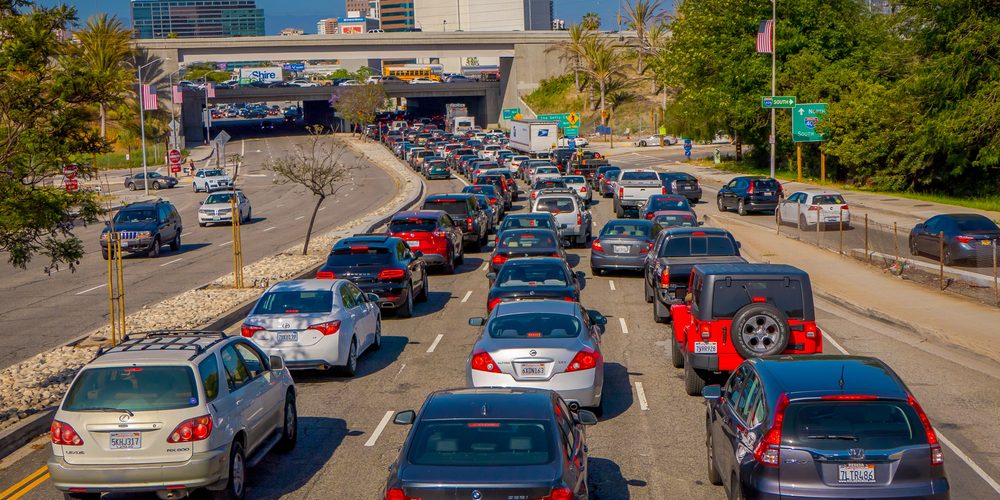
New York City’s congestion toll has not made parking any easier to find, and it has not made parking any harder either. That is the finding of the largest parking study the city Department of Transportation has ever conducted, a report that tracked hundreds of thousands of car movements both inside and outside the tolling zone for nearly two years.
What the study actually measured
The Traffic Mobility Act, the state law that created congestion pricing, required the city DOT to track parking conditions before and after the toll began. Investigators started gathering data nine to ten months before the tolling program launched below 60th Street in Manhattan, then repeated the same measurements nine to ten months after drivers started paying the toll.
Researchers used stationary cameras, car-mounted cameras and people standing on street corners to log parking activity across 4,319 distinct block faces. The survey covered three areas: the Congestion Relief Zone itself, the stretch of Manhattan between 60th and 84th streets just north of the zone, and 14 additional neighborhoods across the boroughs that officials flagged as likely landing spots for drivers avoiding the toll.
“The goal was to get as fine grained an understanding of the parking as we could, because people had really significant concerns with congestion pricing,” city Transportation Commissioner Mike Flynn said. “I understand it, that it would lead to folks who used to drive all the way into Manhattan, driving to an outer neighborhood, parking, getting on transit to save a few dollars.”
The park-and-ride fear did not play out
That was the core worry raised by residents and elected officials before the toll started: that drivers would abandon their cars just outside the tolling boundary, hop on a bus or train, and leave neighborhoods on the Upper West Side, Upper East Side and outer boroughs jammed with commuter cars all day.
The study found that did not happen. Free on-street parking stayed scarce both before and after the toll, both inside the zone and outside it, and the small changes in availability showed up across all times of day rather than clustering around when the toll is highest. At the northern edge of the Congestion Relief Zone, demand for metered spots did tick up, and on a handful of blocks on the Upper West Side, delivery drivers appeared to park in metered spaces and walk their last few blocks to dodge the truck toll. Outside of that narrow exception, metered parking availability outside the zone looked almost identical to the period before tolling began.
Inside the toll zone, conditions actually improved in one respect. Double parking, long a headache for cyclists, bus riders and anyone trying to see around a delivery van, dropped after the toll took effect. Fewer cars circling for spots appears to have translated into fewer drivers stopping wherever they could find room.
Why this result was predicted years ago
Sam Schwartz, the former city traffic commissioner known to New Yorkers as “Gridlock Sam,” told NY1 he expected this outcome before the toll ever launched. Schwartz argued that a driver willing to fight traffic all the way into lower Manhattan was not the type to give up a few miles from the finish line just to save the price of the toll.
“Once people struggled to get that far in, they’re not going to abandon their cars the last few miles, and cost is not going to be much of a factor at $9,” Schwartz said. He added a note of caution for the years ahead: “When we get to $15 in five or six years, who knows what inflation will do to that $15. But we may see some changes in behavior.”
That comment points to the real open question hanging over this study. The current toll for most passenger vehicles entering the Congestion Relief Zone in peak hours sits at $9, with a reduced rate overnight. The law that created the program allows for scheduled increases over time, and no one, including the DOT, knows whether driver behavior holds steady once the price climbs meaningfully higher than it is now.
City officials push back on residential permits
The report carries a policy warning alongside its data. City officials used the findings to argue against introducing a residential parking permit system in neighborhoods near the toll zone, an idea some local lawmakers have floated as a defense against spillover parking that, according to this study, never really showed up.
The DOT’s position is that a permit system would not solve a parking shortage the data shows was already there before congestion pricing existed, and that permits could work against other city goals such as expanding bus lanes, protected bike lanes, open streets programs and neighborhood trash containerization, all of which compete for the same curb space as parked cars.
What drivers should take from this
For anyone who drives into or near Manhattan, the practical takeaway is simple: parking was hard to find before the toll, and it remains hard to find now, for the same reasons it always has been. The toll changed how much it costs to drive into the core of the city. It did not meaningfully change where New Yorkers can leave their cars.
Drivers who regularly commute from outer boroughs or the suburbs and park near the toll boundary to catch a bus or train should not expect competition for those spots to ease off. The study found metered spots at the edge of the zone are, if anything, in slightly higher demand than before. Commercial drivers making deliveries near the zone’s northern border should also expect continued competition for curb access from other trucks working the same dodge that researchers flagged on the Upper West Side.
One New Yorker who spoke with NY1, driver Jomaree Pinkard, summed up the lived experience many residents describe: parking near the zone “feels pretty similar” to before, though he attributed some of that difficulty to commercial loading zones and protected bike lanes rather than the toll itself. That distinction explains a lot about what is actually driving curb competition in Manhattan right now. Bike lanes, delivery zones and outdoor dining structures installed over the past several years have all reduced the pool of legal parking spots independent of anything congestion pricing did.
The study also offers a useful reality check for other US cities that are studying their own congestion pricing plans. Officials in cities such as Los Angeles, Boston and Chicago have watched New York’s rollout closely, and the parking data gives them a concrete answer to the question local residents everywhere tend to ask first: will drivers dump their cars on our streets to dodge the toll? In New York’s case, at a toll price of $9, the answer was no. Whether that holds at a higher price point in another city, with a different transit network and different parking supply, remains an open question each city will have to answer with its own data.
The DOT has not announced a follow-up study timed to the next scheduled toll increase, so there is currently no plan to repeat this exercise once prices rise. Drivers who want to track how the toll and related enforcement work should check the MTA’s official congestion pricing page for the current fee schedule, exemptions and any changes to hours or zone boundaries, as those details have shifted after the program’s 2025 launch and could shift again.
What to do if you drive near the toll zone
- Check the MTA’s congestion pricing page for the current toll amount, hours and any exemptions before planning a trip into lower Manhattan.
- If you park near 60th Street to avoid the toll, expect the same limited availability drivers found before the program started rather than newly opened spots.
- Commercial drivers should plan loading windows carefully, as enforcement of truck tolls and curb rules near the zone’s northern edge has tightened.
- Watch for city announcements on scheduled toll increases, as driver behavior around parking could shift once the price rises well above the current $9 peak rate.
Sources:

Leave a Comment
More in News

Why Connecticut Drivers Cruising in the Left Lane Now Face an $88 Fine
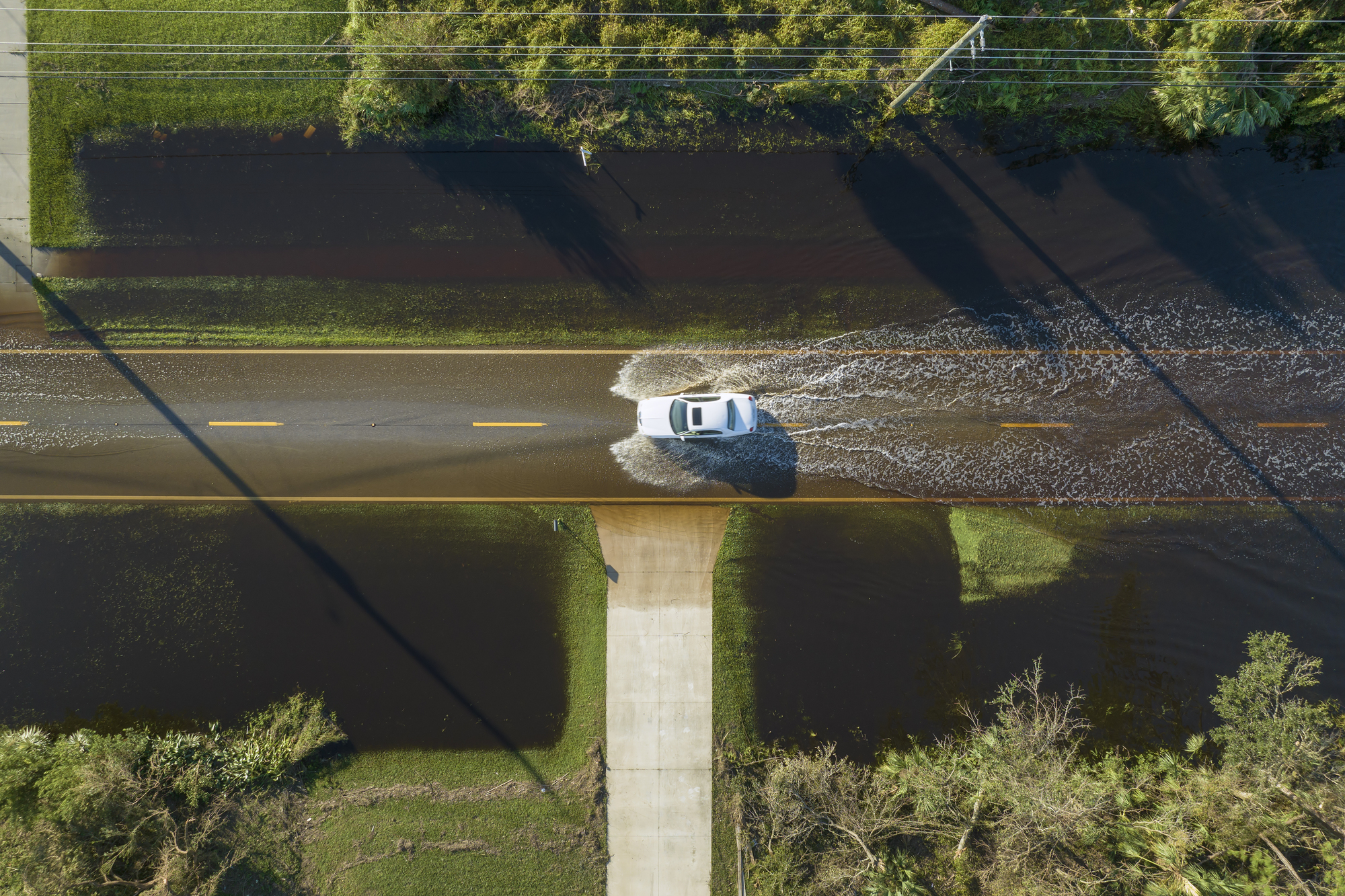
Hurricane Isaias Flooded Thousands of Cars That Could Reach Used Lots

Gas Prices Jump to $4.36 a Gallon as the National Average Rises 40 Percent in a Year

NHTSA Recalls Over 346,000 Vehicles From Ram, Ford, VW and Land Rover
Why Every Used Car Buyer Should Check Which Models Cost £44,401 to Repair
Trending on Motoring Chronicle
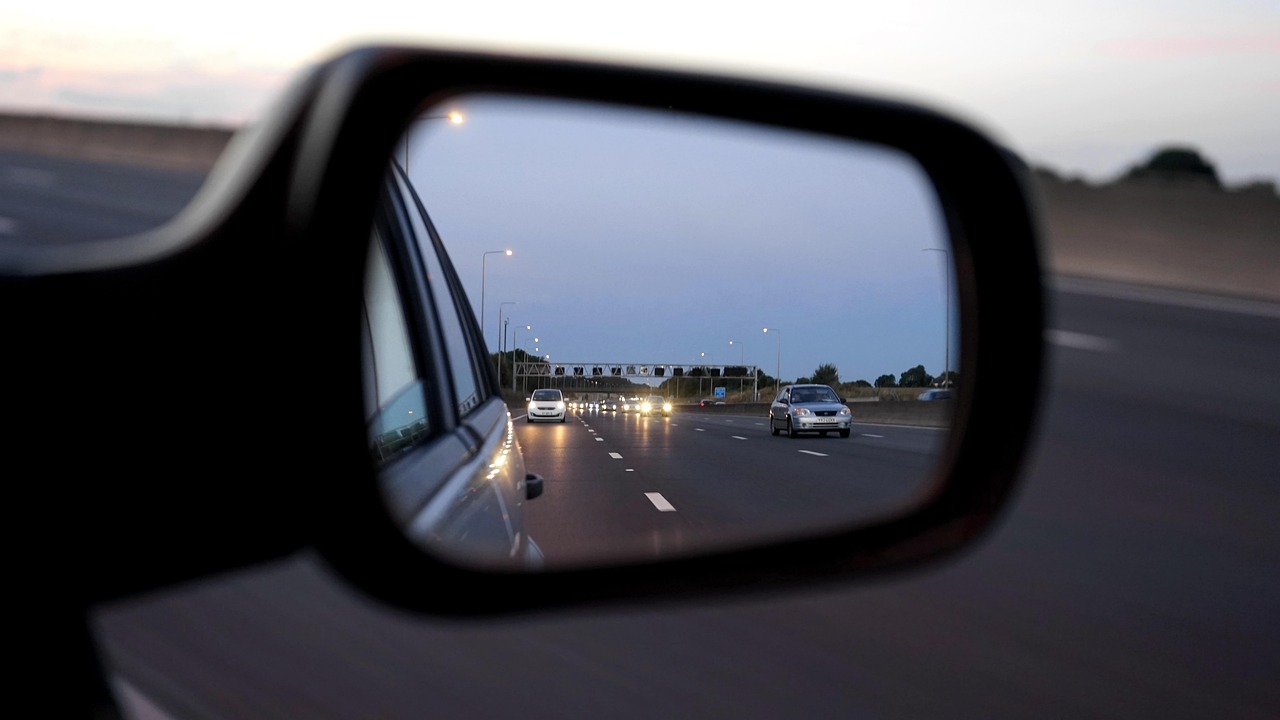
How to set up your mirrors to cut blind spots

Child Road Casualties Are Rising as Councils Cut School Crossing Patrols
NHTSA Escalates Probe Into 135,551 Ford Fiestas and Focuses Over Engine Failures

From rugged roads to heavy loads: Dacia launches Duster Cargo [Photo Gallery]
